ไขรหัส 7 เหตุผล ทำไมห้างไทยไม่มีวันตาย ยิ่งกว่าช้อปปิ้ง คือ บ้านหลังที่สอง
ในยุคที่ E-Commerce เติบโตอย่างร้อนแรงเสียจนนิ้วโป้งของเราแทบจะใช้งานหนักกว่าขา เพราะแค่ปัดหน้าจอสมาร์ทโฟนเพียงไม่กี่ครั้ง สินค้าก็พร้อมมาส่งถึงหน้าประตูบ้าน สอดคล้องกับมูลค่าตลาดค้าปลีกโดยรวมในช่วง 2 ปีที่ผ่านมาจะเจอกับอาการ "โตแบบชะลอ" ไปบ้าง
แต่ที่น่าแปลกใจคือ "ศูนย์การค้า" และ “ห้างสรรพสินค้า” ยักษ์ใหญ่กลับไม่ยอมแพ้ ยังคงเดินหน้าขยายพื้นที่ค้าปลีกใหม่ ๆ อย่างคึกคัก ท้าทายทุกคำทำนายที่ว่าธุรกิจห้างสรรพสินค้าแบบดั้งเดิมกำลังจะโบกมือลาไปตามกระแสโลกออนไลน์ โดยเฉพาะพื้นที่ใจกลางเมืองสำคัญๆ ยังคงเป็นสมรภูมิที่เหล่าเจ้าตลาดค้าปลีกรายใหญ่ต่างระดมทุนมหาศาลเพื่อเปิดโครงการใหม่ ๆ ที่ใหญ่โตและหรูหราขึ้นเรื่อย ๆ จนมีคนแซวว่า "มีห้างเยอะกว่าคนเดิน" เสียอีก!
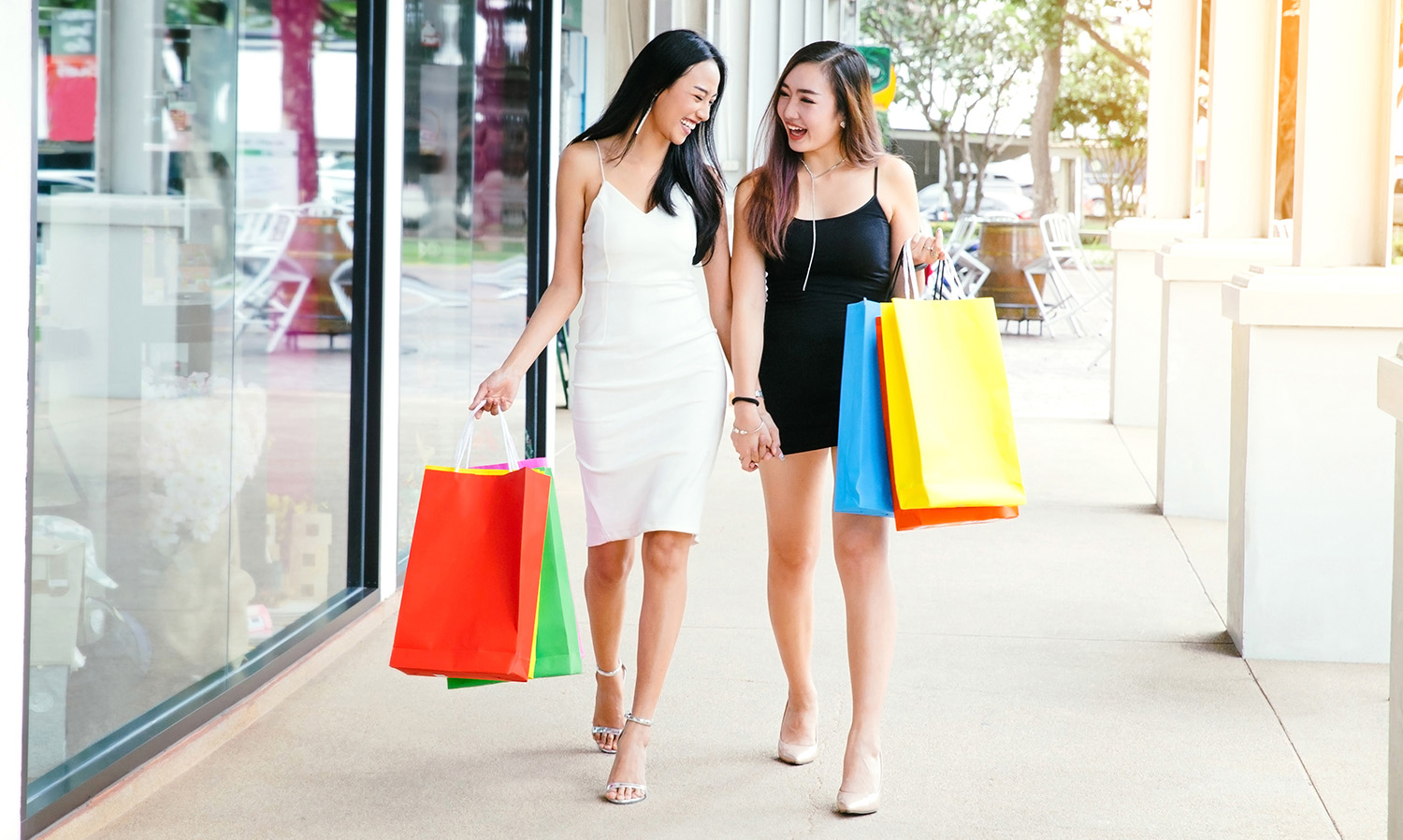
อย่างเมื่อไม่นานมานี้ “Central Park” ในโครงการดุสิต เซ็นทรัล พาร์ค ก็ยังจัดเต็มพื้นที่ศูนย์การค้ากว่า 130,000 ตร.ม. ที่เปิดตัวไปตอน Q3/2025 โดยสร้างเป็น High-end Lifestyle Hub ที่สมบูรณ์แบบแห่งแรกของย่าน เชื่อมโยงกับ Urban Rooftop Park ขนาดใหญ่ใจกลางกรุงเทพฯ เทียบชั้นมหานครระดับโลก
หรือล่าสุดสยามพารากอน ก็เตรียมเปิด 3 New World-Class Attractions ในปลายปี 2025 นี้ ด้วยเงินลงทุนกว่า 1,250 ล้านบาท เพื่อสร้างประสบการณ์ใหม่ๆ ด้วยพื้นที่ SEA LIFE Bangkok ที่คาดว่าจะมีผู้เข้าชมไม่ต่ำกว่าปีละ 2.5 ล้านคน และการสร้างสรรค์ World-Class Attractions อีก 2 รูปแบบบนพื้นที่กว่า 20,000 ตร.ม. ประกอบด้วย MELAND – World-Leading Indoor Theme Park พื้นที่ 5,000 ตร.ม. แห่งแรกในประเทศไทย และ NEXTOPIA – เมืองต้นแบบแห่งโลกอนาคต 15,000 ตร.ม. ซึ่งจะเป็น Revolutionary Concept ที่จะได้รับการจารึกว่าเป็นแห่งแรกของโลก
ปรากฏการณ์นี้ไม่ใช่เรื่องบังเอิญ แต่เป็นผลมาจากพลวัตทางสังคม ภูมิอากาศ และกลยุทธ์การปรับตัวที่ชาญฉลาดของธุรกิจค้าปลีกไทย ที่ทำให้พวกเขากลายเป็นผู้เล่นที่แข็งแกร่ง
การผุดขึ้นของพื้นที่ค้าปลีกใหม่ ๆ ยังคงเกิดขึ้นอย่างต่อเนื่อง โดยเฉพาะในรูปแบบโครงการ Mixed-use ขนาดใหญ่ที่รวมห้างฯ เข้ากับสำนักงานและที่อยู่อาศัย ทำให้ตลาดนี้ยังคงเป็นหนึ่งในอุตสาหกรรมที่มีการแข่งขันดุเดือดที่สุด
แล้วอะไรคือ "ปัจจัยลับ" ที่ทำให้ห้างสรรพสินค้าในไทยยังคง 'สปอร์ตไลท์' และ 'ไม่ตาย' ไปจากถนนสายหลักของไทย มาถอดรหัสที่ทำให้ห้างไทยเป็นยิ่งกว่าแค่พื้นที่ช้อปปิ้ง แต่เป็น "Home Away From Home" ของผู้คนทุกยุคทุกสมัยกัน
1. กำแพงแอร์ที่กั้นโลกจากความจริง: เมื่อห้างคือศูนย์พักพิงทางกายและใจ
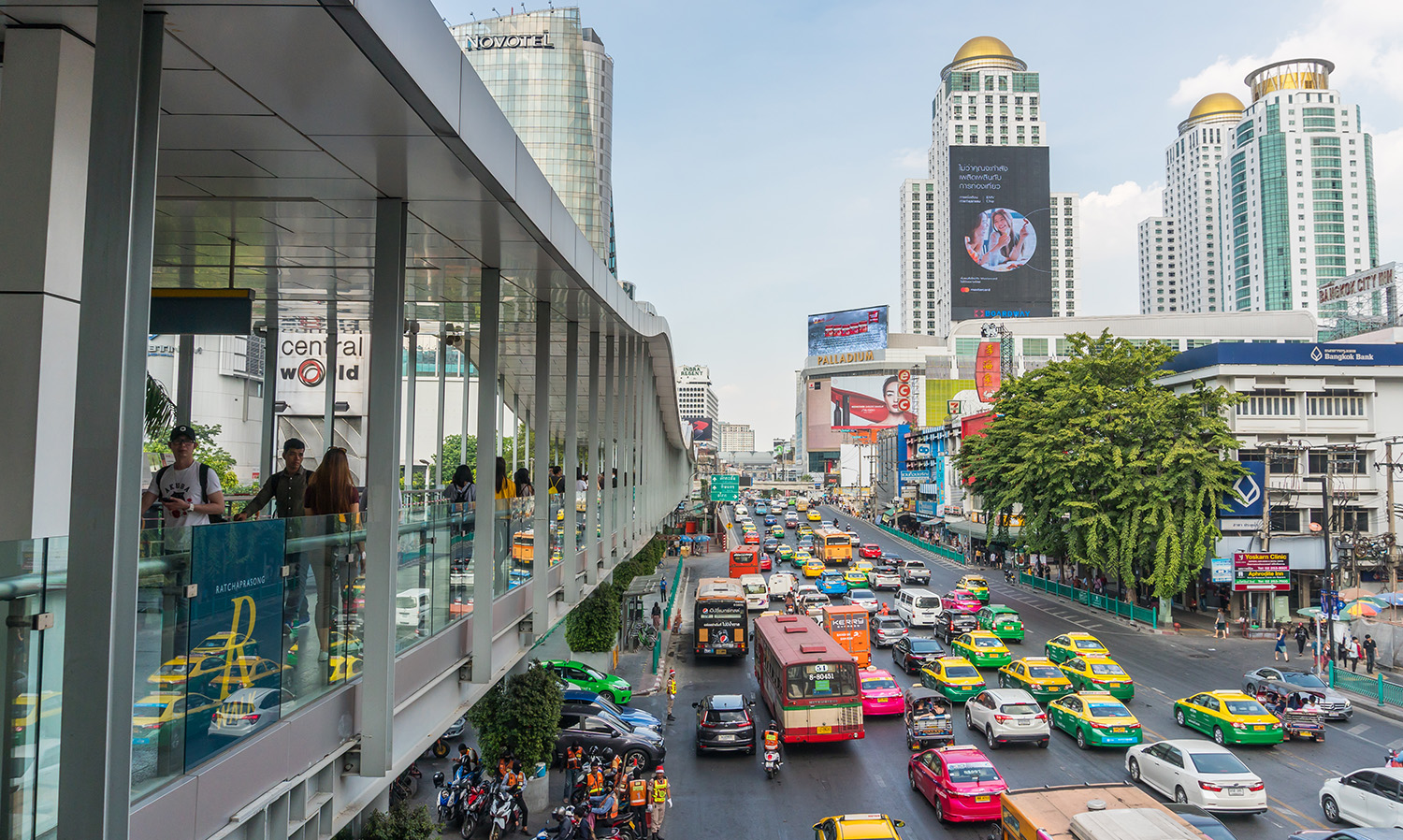
ประเด็นแรกที่ปฏิเสธไม่ได้เลย และเป็นปัจจัยทางภูมิศาสตร์ที่ทรงพลังที่สุด นั่นคือ "ภูมิอากาศ" ขึ้นชื่อว่าไทยเป็นเมืองที่เป็นมิตรกับพระอาทิตย์มากที่สุด อากาศข้างถนนนับวันมีแต่จะร้อนขึ้นทุกวัน ไหนจะมลภาวะทางอากาศอย่าง PM2.5 ที่กลายเป็นแขกไม่ได้รับเชิญตามฤดูกาลอีก
พื้นที่สาธารณะกลางแจ้งจึงไม่เอื้ออำนวยต่อการใช้ชีวิตและพักผ่อนหย่อนใจ ห้างสรรพสินค้าจึงผันตัวเองไปเป็น "พื้นที่สาธารณะทางเลือก" หรือ "Third Place" ที่สมบูรณ์แบบที่สุด ไม่ว่าอยากนัดเจอเพื่อนฝูง อ่านหนังสือ ออกกำลังกาย หรือแค่เดินเล่นคลายร้อน ไปจนถึงจูงน้องหมาเดินเล่น (ซึ่งเป็นจุดขายของบางศูนย์การค้า) โดยไม่ต้องเสียค่าใช้จ่ายใด ๆ ห้างคือสถานที่ที่พร้อมต้อนรับทุกคนด้วยอุณหภูมิเย็นสบายตลอดปี
นี่จึงเป็นเหตุผลที่ทำให้คนไทยจำนวนมากเลือก "เดินห้าง" เมื่อไม่รู้จะไปไหน การมีเครื่องปรับอากาศที่ดีในห้าง จึงไม่ใช่แค่บริการ แต่เป็น "สิ่งจำเป็น" ที่ทำให้ห้างอยู่รอดในสภาพภูมิอากาศแบบนี้
2. วิวัฒนาการ One Stop Social Service': ห้างไม่ใช่แค่ที่ช้อปปิ้ง แต่คือ 'ศูนย์กลางชีวิต'
หากย้อนกลับไปในยุคแรกเริ่มของธุรกิจค้าปลีกในไทย ห้างสรรพสินค้าอาจทำหน้าที่หลักเป็นแค่ Department Store ที่เน้นการขายสินค้า แต่ปัจจุบันแนวคิดนี้ได้เปลี่ยนไปอย่างสิ้นเชิง
ศูนย์การค้าสมัยใหม่ของไทยได้ยกระดับตัวเอง เป็น "จุดศูนย์กลางในทุกการใช้ชีวิต” นี่เป็นจุดที่แตกต่างอย่างเหนือชั้น เมื่อเทียบกับศูนย์การค้าในต่างประเทศ เพราะศูนย์การค้าในไทยใช้กลยุทธ์ "One Stop Service" ที่รวมทุกอย่างไว้ในที่เดียวเพื่อความสะดวกสบายสูงสุดของลูกค้า ตอบโจทย์ทุกอย่างตั้งแต่ตื่นจนนอน อาทิ
- ศูนย์รวมอาหาร (Food Hub): พื้นที่สำหรับร้านอาหารและเครื่องดื่มถูกขยายเพิ่มมากขึ้นเรื่อย ๆ จนกลายเป็นแม่เหล็กสำคัญในการดึงดูดลูกค้า
- ศูนย์กลางสุขภาพ (Wellness & Medical Center): ห้างใหญ่หลายแห่งเริ่มมีการจัดสรรพื้นที่ให้เป็นศูนย์บริการด้านสุขภาพ คลินิก หรือแม้กระทั่งโรงพยาบาล ซึ่งสอดคล้องกับเทรนด์ Medical Tourism ที่ดึงดูดนักท่องเที่ยวต่างชาติให้มาใช้จ่ายในไทย
- ศูนย์รวมประสบการณ์ (Experience Hub): เน้นการขาย "ประสบการณ์ที่แปลกใหม่" (Seamless Experience) ไม่ว่าจะเป็นโรงภาพยนตร์, ลานสเก็ต, Co-working Space, สวนน้ำ, หรือการจัดอีเวนต์เฉลิมฉลองระดับโลก ที่ดึงดูดทั้งคนไทยและนักท่องเที่ยวให้มาสร้างความทรงจำร่วมกัน

3.ไม่ใช่แข่งกันถูก แต่สร้าง 'ซัพพลายใหม่' ที่ไม่หยุดนิ่ง
แม้ว่าการช้อปปิ้งออนไลน์จะมีความได้เปรียบด้านราคาและโปรโมชั่นที่ดึงดูดใจ แต่ในตลาดค้าปลีกไทย การแข่งขันที่แท้จริงกลับเป็นเรื่องของ "พื้นที่" และ "นวัตกรรมโครงการ" ที่ไม่มีวันสิ้นสุด
- อุปทานใหม่ขับเคลื่อนตลาด: ตลาดพื้นที่ค้าปลีกในเขตกรุงเทพฯ และปริมณฑลยังคงมีการขยายตัวอย่างต่อเนื่อง โดยมีการคาดการณ์ว่าอุปทานพื้นที่ค้าปลีกให้เช่าจะเพิ่มขึ้นเฉลี่ยประมาณ 3.0% ต่อปี หรือ 450,000 ตารางเมตร การเติบโตนี้ส่วนใหญ่มาจากโครงการ Mixed-use ขนาดใหญ่ (เช่น One Bangkok, DUSIT CENTRAL PARK) ซึ่งเป็นการรวมห้างฯ เข้ากับสำนักงานและที่อยู่อาศัย ทำให้เกิดการสร้าง "เมืองย่อม ๆ" ก่อให้เกิดการบริโภคหมุนเวียนอยู่ตลอดเวลา
- การขยายตัวสู่ชานเมืองและต่างจังหวัด: การขยายเส้นทางคมนาคม โดยเฉพาะรถไฟฟ้า ผลักดันให้ผู้ประกอบการยักษ์ใหญ่กระจายการลงทุนไปสู่พื้นที่ชานเมืองและหัวเมืองใหญ่ในต่างจังหวัด กลยุทธ์นี้ทำให้พวกเขาสามารถเข้าถึงลูกค้าได้มากขึ้น และกระตุ้นเศรษฐกิจท้องถิ่นไปพร้อมกัน
4. แม่เหล็กดึงดูดสายเปย์: บทบาทสำคัญของ 'นักท่องเที่ยว' และ 'ลักชัวรีแบรนด์'
ธุรกิจศูนย์การค้าในไทย ไม่ได้พึ่งพาแค่กำลังซื้อของคนไทยเท่านั้น แต่ยังทำหน้าที่เป็น "แหล่งช้อปปิ้งระดับภูมิภาค" ที่ดึงดูดนักท่องเที่ยวต่างชาติให้เข้ามาใช้จ่ายอย่างมหาศาล
- การฟื้นตัวของการท่องเที่ยว: หลังวิกฤตการณ์ต่าง ๆ การกลับมาของนักท่องเที่ยวต่างชาติ ซึ่งคาดว่าจะฟื้นตัวขึ้น แม้จะไม่เท่าก่อนโควิด-19 มากระตุ้นการใช้จ่ายในห้างสรรพสินค้าอย่างมีนัยสำคัญ โดยเฉพาะนโยบาย Visa Exemption และการช้อปปิ้งแบบ Offline ที่เป็นปัจจัยสำคัญให้นักท่องเที่ยวใช้จ่ายเพิ่มขึ้น
- ฐานลูกค้ามั่งคั่ง: รายงานจาก Euromonitor ชี้ว่าประเทศไทยมีกลุ่มชนชั้นสูงที่มีฐานะมั่งคั่งกระจุกตัวอยู่ในเขตเมือง ซึ่งเป็น "ลูกค้ารายใหญ่" ที่พร้อมใช้จ่ายกับสินค้าลักชัวรีแบรนด์ และสินค้าฟุ่มเฟือย ห้างสรรพสินค้าจึงเป็นแพลตฟอร์มที่สำคัญที่สุดในการนำเสนอสินค้าพรีเมียมเหล่านี้ ซึ่งเป็นสิ่งที่ E-Commerce ยังไม่สามารถมอบ "ประสบการณ์การสัมผัส" และ "ความน่าเชื่อถือ" ได้เทียบเท่า
5. ความต้องการ 'Human Touch' และการใช้ชีวิตร่วมกัน
ถึงแม้โลกออนไลน์จะเชื่อมคนให้ถึงกันได้ทุกที่ทุกเวลา แต่สิ่งที่เทคโนโลยียังทดแทนไม่ได้คือ "Human Touch" หรือการปฏิสัมพันธ์แบบตัวต่อตัว
นักวิเคราะห์หลายท่านชี้ตรงกันว่า ผู้บริโภคยังคงต้องการสถานที่สำหรับ "พบปะสังสรรค์" และ "พักผ่อนหย่อนใจ" ซึ่งเป็นสิ่งที่ห้างสรรพสินค้าไทย สามารถมอบให้ได้ ในฐานะ "บ้านหลังที่สองหรือหลังที่สาม" การไปห้างจึงไม่เหมือนการช้อปปิ้ง แต่เป็นการ "ออกไปใช้ชีวิต" ออกไป "อัปเดตเทรนด์" และยืนยันสถานะทางสังคม (Social Contribution)
ในขณะที่คนรุ่นใหม่หรือกลุ่ม Millennials และ Gen Z เป็นกลุ่มที่มีอิทธิพลในการขับเคลื่อนตลาด ผู้ประกอบการค้าปลีกจึงยิ่งต้องปรับตัวเพื่อตอบโจทย์พฤติกรรมของคนกลุ่มนี้ให้ได้มากที่สุด ไม่ว่าจะเป็นการใช้ Mobile Application และกลยุทธ์ Omni Channel เพื่อมอบประสบการณ์ช้อปปิ้งไร้รอยต่อ หรือการจัดพื้นที่ให้เป็นมากกว่าแค่ร้านค้า
6. การกระจุกตัวของห้างสรรพสินค้า: สะท้อนการขยายตัวของเมืองและชนชั้นกลาง
แม้ว่าจะมีห้างสรรพสินค้าและศูนย์การค้าเปิดใหม่และขยายตัวอย่างต่อเนื่อง แต่กลับมีข้อสังเกตว่าการพัฒนาส่วนใหญ่ กระจุกตัวอยู่ในย่านศูนย์กลางทางธุรกิจ (CBD) และปริมณฑลตามแนวรถไฟฟ้า ทำให้เกิดปรากฏการณ์ "ห้างล้น คนกระจุก" ซึ่งสะท้อนให้เห็นภาพของสังคมและผังเมืองไทยอย่างชัดเจน
ไม่ว่าจะเป็นการขยายตัวของชนชั้นกลาง (Middle Class Growth): การลงทุนสร้างศูนย์การค้าขนาดใหญ่ต้องอาศัย กำลังซื้อที่สูงและมั่นคง เป็นปัจจัยหลักในการพิจารณาความคุ้มทุน การที่ห้างฯ จำนวนมากเกิดขึ้นในกรุงเทพฯ และปริมณฑล โดยเฉพาะตามย่านที่พักอาศัยระดับกลางถึงบน แสดงให้เห็นว่าผู้ประกอบการมองเห็นว่า ชนชั้นกลางในเขตเมืองมีการเติบโตและมีกำลังซื้อที่ขยับสูงขึ้น ซึ่งเป็นกลุ่มเป้าหมายที่มีความพร้อมในการจับจ่ายสินค้าและบริการที่หลากหลายในห้างสรรพสินค้าอย่างต่อเนื่อง
รวมถึงสะท้อนการขยายตัวของเมือง (Urban Sprawl): การกระจุกตัวของศูนย์การค้าไม่ได้เกิดขึ้นแค่ในใจกลางเมือง แต่ยังรวมถึงพื้นที่ชานเมืองและปริมณฑล โดยเฉพาะพื้นที่ที่ได้รับอานิสงส์จากการขยายตัวของโครงการที่อยู่อาศัยใหม่ ๆ และโครงสร้างพื้นฐานของภาครัฐ โดยเฉพาะแนวเส้นทางรถไฟฟ้า ศูนย์การค้าจึงถูกพัฒนาเพื่อรองรับการย้ายถิ่นฐานของประชากรและการขยายตัวของเขตต่อเมือง ซึ่งกลายเป็นศูนย์กลางการค้าและบริการแห่งใหม่ในชุมชนนั้น ๆ
7. สินค้าสร้างความเร้าใจ แต่การบริการช่วยตัดสินใจ: กลยุทธ์สุดท้ายที่ออนไลน์เลียนแบบไม่ได้
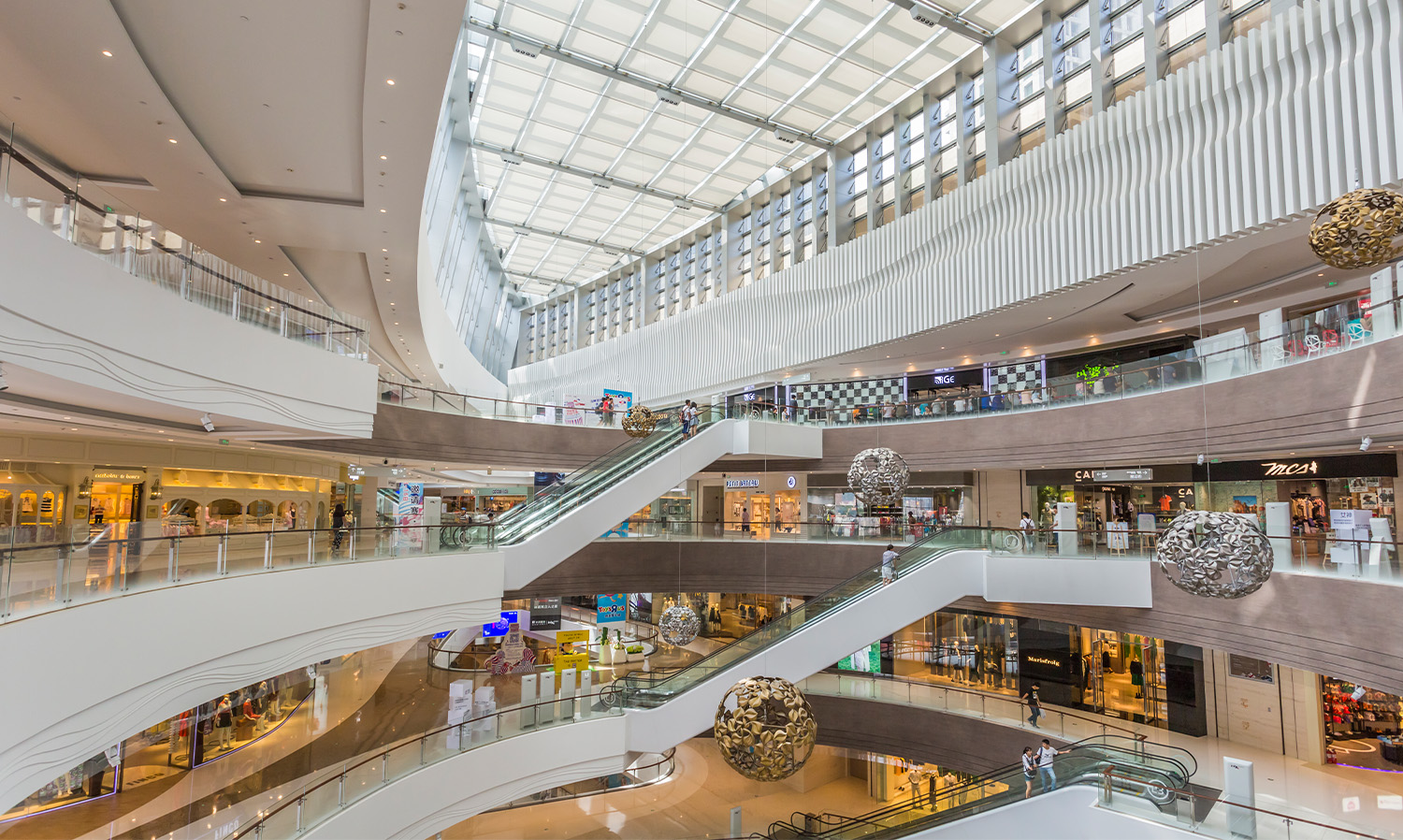
เมื่อสินค้าทุกอย่างสามารถเปรียบเทียบราคาและซื้อได้จากปลายนิ้ว การแข่งขันจึงไม่ได้อยู่ที่ตัวสินค้าเพียงอย่างเดียว แต่ย้ายไปอยู่ที่ "ประสบการณ์และบริการ" ที่ห้างสรรพสินค้าสามารถมอบให้ได้อย่างเหนือกว่า
ในธุรกิจค้าปลีกที่มีการแข่งขันสูง การบริการลูกค้าถือเป็นหัวใจสำคัญในการสร้างความแตกต่างและส่งเสริมความภักดีต่อแบรนด์ เพราะต่อให้สินค้ามีความทันสมัยและน่าดึงดูดใจเพียงใด แต่การตัดสินใจซื้อขั้นสุดท้ายของผู้บริโภคมักถูกกำหนดโดยปัจจัยอื่นร่วมด้วย อาทิ การสร้างความพึงพอใจและความผูกพัน, การสร้างประสบการณ์ที่จับต้องได้ เช่น บริการหลังการขาย การให้คำแนะนำจากผู้เชี่ยวชาญต่าง ๆ
ดังนั้นหากมองผิวเผิน การที่ประเทศไทยมีห้างสรรพสินค้าผุดขึ้นอย่างต่อเนื่อง อาจดูเหมือนการลงทุนที่ท้าทายกระแสโลกดิจิทัล แต่แท้จริงแล้วคือการปรับตัวครั้งใหญ่ที่เปลี่ยนห้างให้กลายเป็น "ศูนย์บัญชาการชีวิต" ที่ตอบโจทย์ความต้องการชีวิตแบบ 360 องศา ตราบใดที่ปัญหาภูมิอากาศและโครงสร้างพื้นฐานของเมืองยังไม่เอื้ออำนวยให้คนไปใช้ชีวิตนอกอาคารได้อย่างสบายใจ ห้างสรรพสินค้าก็จะยังคงเป็น "อาณาจักรค้าปลีก" ที่ทรงอิทธิพลในไทยต่อไป
7 Reasons Why Thai Malls Will Never Die — More Than Shopping, They’re Our Second Home
In an era where e-commerce is growing at lightning speed — so much so that our thumbs work harder than our legs — just a few swipes on a smartphone can bring products right to our doorstep. This coincides with the overall retail market, which has shown signs of “slow growth” over the past two years.
What’s surprising, however, is that major shopping centers and department stores refuse to give up. They continue to expand new retail spaces with remarkable energy, defying every prediction that traditional malls are fading away under the rise of online shopping. In fact, prime city centers remain fierce battlegrounds where leading retail giants are pouring massive investments into ever larger and more luxurious developments — so much so that some even joke, “There are more malls than shoppers!”
Recently, Central Park at the Dusit Central Park project unveiled over 130,000 sq.m. of retail space. The project was launched in Q3 2025 as the first truly high-end lifestyle hub in the area. The development is seamlessly connected to a vast urban rooftop park in the heart of Bangkok — a landmark on par with those in world-class metropolises.
Meanwhile, Siam Paragon is set to debut three new world-class attractions by the end of 2025. Backed by an investment of over THB 1.25 billion to deliver fresh, immersive experiences. Among them, SEA LIFE Bangkok is expected to welcome more than 2.5 million visitors annually, while two additional world-class destinations will span over 20,000 sq.m.: MELAND – Thailand’s first world-leading indoor theme park, covering 5,000 sq.m; NEXTOPIA – a 15,000 sq.m. futuristic city prototype, a revolutionary concept set to make global history as the first of its kind in the world.
This phenomenon is no coincidence — it stems from the unique interplay of social dynamics, climate, and the smart adaptation strategies of Thai retail developers that have made them exceptionally resilient players.
The continuous rise of new retail spaces — particularly large-scale mixed-use developments that integrate shopping malls with offices and residences — keeps this sector among the most competitive industries in the country.
So, what are the “secret ingredients” that keep Thai malls in the spotlight, defying predictions of decline and staying deeply rooted along Thailand’s mainstreams? Let’s unlock the reasons why Thai malls are more than just shopping destinations — they have become a true “home away from home” for people across every generations.
1. The Air-Conditioned Wall That Shields from Inhospitable Outside World: When the Mall Becomes a Sanctuary for Body and Mind
The first and most undeniable factor — and perhaps the most powerful geographical one — is Thailand’s climate. Known as one of the sunniest countries on Earth, Thailand’s streets are growing hotter by the day, not to mention the seasonal return of unwelcome guests like PM2.5 air pollution.
Outdoor public spaces have thus become increasingly inhospitable for leisure or relaxation. In response, shopping malls have transformed themselves into the ultimate “alternative public spaces” — or modern “Third Places.” Whether people want to meet friends, read, exercise, stroll to escape the heat, or even walk their dogs (a unique draw for some malls), they can do so freely — all within a cool, comfortable, and welcoming environment.
That’s why, for many Thais, “going to the mall” has become the go-to activity when there’s nowhere else to go. In this climate, good air-conditioning isn’t just a service — it’s a necessity, and perhaps the most vital element that keeps Thai malls alive and thriving
2. The Evolution of the ‘One Stop Service’: When Malls Become the Center of Living
In the early days of Thailand’s retail industry, department stores primarily served one purpose — to sell products. But today, that concept has completely transformed.
Modern Thai shopping centers have elevated themselves to become “the central hub of everyday life.” This is where they stand out far beyond their global counterparts. Thai malls have perfected the “One Stop Service” strategy — bringing everything together under one roof for the ultimate convenience, catering to every aspect of life from morning to night. Examples include:
- Food Hub: Dining spaces have expanded dramatically, with restaurants and cafés becoming key magnets that draw visitors in.
- Wellness & Medical Center: Many large malls now dedicate space to health and wellness — from clinics to full-scale hospitals — aligning with the growing medical tourism trend that attracts international visitors to spend in Thailand.
- Experience Hub: The focus has shifted toward offering unique and seamless experiences — from cinemas, skating rinks, and co-working spaces to water parks and world-class celebration events — all designed to create shared memories for both locals and tourists alike.
3. Competing Not on Price, But Through an Ever-Evolving Supply
While online shopping may hold an advantage in terms of pricing and attractive promotions, the real competition in Thailand’s retail market lies in “space” and “project innovation” — a race that never stops.
New supply drives the market: Retail space in Bangkok and its metropolitan area continues to expand steadily, with forecasts showing rental retail supply growing by an average of 3.0% per year, or about 450,000 square meters. Most of this growth stems from large-scale mixed-use developments such as One Bangkok and Dusit Central Park, which seamlessly integrate malls with offices and residences — effectively creating miniature cities that sustain a constant cycle of consumption.
Expansion into suburbs and regional cities: The extension of mass transit routes, particularly Bangkok’s BTS and MRT lines, has encouraged major developers to extend their investments into suburban and upcountry locations. This strategy allows them to reach a broader customer base while simultaneously stimulating local economies across the nation.
4. The Magnet for Big Spenders: The Power of Tourism and Luxury Brands
Thailand’s shopping centers don’t rely solely on domestic purchasing power — they also serve as regional shopping destinations, attracting massive spending from international tourists.
Tourism recovery: Following recent global crises, the return of foreign visitors has significantly boosted mall spending. The number foreign visitors is expected to continue rising, although not at peak as before the COVID pandemic. Government policies such as visa exemptions and tourists’ preference for offline shopping experiences have been key drivers behind this resurgent spending momentum.
A wealthy customer base: According to Euromonitor, Thailand has a highly concentrated urban affluent class, forming a core group of high-spending consumers eager to purchase luxury and premium goods. Shopping malls thus play a vital role as the primary platform for luxury brands to showcase their products — offering the tactile experience and trustworthy brand engagement that e-commerce simply cannot replicate.
5. The Need for ‘Human Touch’ and Shared Experience
Even though the online world connects people anytime and anywhere, one thing technology still cannot replace is the “human touch” — real, face-to-face interaction.
Analysts widely agree that consumers continue to seek places to meet, socialize, and unwind, and Thai shopping malls fulfill this role perfectly — serving as people’s “second or even third homes.” Visiting the mall today is no longer just about shopping; it’s about living life, keeping up with trends, and expressing social identity and belonging.
As Millennials and Gen Z become the dominant forces shaping market behavior, retail developers are adapting rapidly to meet their expectations. This includes integrating mobile applications and omni-channel strategies to create seamless shopping experiences, as well as redesigning mall spaces to serve as vibrant social environments — far more than just collections of stores.
6. The Concentration of Shopping Malls: Reflecting Urban Expansion and the Rise of the Middle Class
Although new shopping malls and retail centers continue to open and expand, most developments are concentrated in Central Business Districts (CBDs) and metropolitan areas along mass transit lines. This has created a phenomenon of “too many malls, too few people,” reflecting Thailand’s urban structure and social landscape.
Middle Class Growth: Building large-scale malls requires a strong and stable consumer base to ensure profitability. The proliferation of malls in Bangkok and its surrounding areas — particularly in mid- to upper-income residential zones — indicates that developers recognize the growing urban middle class with increasing purchasing power, making them the primary target for a diverse range of products and services offered by malls.
Urban Sprawl: Mall concentration is not limited to city centers; it also extends to suburban and peri-urban areas, especially in locations benefiting from new residential developments and public infrastructure projects, particularly mass transit lines. These malls are designed to accommodate population migration and urban expansion, becoming new commercial and service hubs for their communities.
7. Products Excite, but Service Drives Decisions: The Final Strategy Online Can’t Replicate
When almost everything can be compared and purchased with a few taps, competition no longer revolves solely around products — it shifts to the experience and service that shopping malls can uniquely provide.
In a highly competitive retail environment, customer service is crucial for differentiation and fostering brand loyalty. No matter how attractive or trendy a product may be, a consumer’s final purchase decision is often influenced by other factors, such as satisfaction, emotional connection, and tangible experiences — including after-sales support and expert guidance.
On the surface, the continuous rise of shopping malls in Thailand may seem like a bold challenge to the digital world. In reality, it represents a major adaptation that transforms malls into “the headquarters for everyday living”, catering to every dimension of lifestyle needs. As long as urban infrastructure and the climate make outdoor living inconvenient, shopping malls will remain powerful retail kingdoms in Thailand.
References
- SCB EIC (2567). ธุรกิจค้าปลีกมีแนวโน้มเติบโตต่อเนื่อง. [Accessed on October 7, 2025]. (Link: https://www.scbeic.com/th/detail/file/product/9651/h28rgqjl71/Industry-insight-WR-20241129.pdf)
- GSB Research (2567). ธุรกิจค้าปลีก ปี2566 และแนวโน้ม ปี2567. [Accessed on October 7, 2025]. (Link: https://www.gsb.or.th/gsbresearch/wp-content/uploads/2024/04/รายงานธุรกิจค้าปลีก_inter-1.pdf
- YouTube Channel: KEY MESSAGES (2567). กรุงเทพฯ เมืองแห่งห้าง ความสะดวกที่แลกมาด้วยอะไร? (Link: https://www.youtube.com/watch?v=WZmURvKRWUY)
- Bangkokbiznews (2567). ทำไมเมืองไทยมีแต่ 'ห้างสรรพสินค้า' ? (Link: https://www.bangkokbiznews.com/business/business/1105066)
- Krungsri Research (ม.ป.ป.). แนวโน้มธุรกิจ/อุตสาหกรรมพื้นที่ค้าปลีกให้เช่าในกรุงเทพฯ และปริมณฑล. (Link: https://www.krungsri.com/th/research/industry/industry-outlook/real-estate/commercial-buildings-in-bmr/io/io-retail-space-bmr)
- BrandAge (2566). จาก Space Management สู่ Lifestyle Mix ทิศทางที่มุ่งไปของศูนย์การค้าเมืองไทย. (Link: https://www.brandage.com/article/41914
- Propholic.com (2566). 9 ปัจจัยสำคัญฯ พลิกเกมส์ธุรกิจศูนย์การค้าไทยกลับมาเติบโตแข็งแกร่งในตลาดธุรกิจศูนย์การค้าในกรุงเทพ ครึ่งปีหลัง ปี 2566. (Link: https://propholic.com/prop-now/9-ปัจจัยสำคัญฯ-พลิกเกมส์/)
- Brand Buffet (2566). ห้างฯล้น คนกระจุก สถานการณ์สังคมเมืองที่กรุงเทพ ไร้ทางเลือก. (Link: https://www.brandbuffet.in.th/2023/12/the-superabundant-of-mall-in-bkk-phenomenon/)
- LH Bank (2567). ธุรกิจพื้นที่ค้าปลีกในกรุงเทพฯ และปริมณฑล. (Link: https://www.lhbank.co.th/getattachment/cb87a6e5-762b-4c2f-9c83-bca5b2ab6cc4/economic-analysis-Industry-Outlook-2024-Retail-Space-in-BMR)
- Marketeeronline (2566). เผยโฉม “Central Park” ศูนย์การค้ามูลค่า 20,000 ล้านบาท (Link: https://marketeeronline.co/archives/325396https://www.thairath.co.th/money/investment/capital_market/2731562
- Brand Buffet (2568). สยามพารากอน ทุ่ม 1,250 ล้านบาท เปิด 3 New World-Class Attractions เจอกันแน่ ปลายปีนี้ (link: https://www.brandbuffet.in.th/2025/10/siamparagon-invests-1250-million-bahts-for-3-new-world-class-attractions/