Education-Centric Development: เมื่อการศึกษาเป็นหัวใจของการพัฒนาเมืองและพื้นที่
แนวคิด Education-Centric Development หรือ “การพัฒนาพื้นที่โดยมีการศึกษาเป็นศูนย์กลาง” เกิดจากการมองว่าการศึกษาไม่ใช่เพียงแค่บริการพื้นฐาน แต่เป็น “แม่เหล็ก” ที่สามารถดึงดูดคน ครอบครัว และกิจกรรมทางเศรษฐกิจให้เข้ามาอยู่รวมกันในพื้นที่ได้ การมีสถาบันการศึกษาที่มีคุณภาพสูง ไม่ว่าจะเป็นโรงเรียน มหาวิทยาลัย หรือสถาบันวิจัย สามารถสร้างผลกระทบในเชิงบวกทั้งต่อการใช้ชีวิตของผู้อยู่อาศัยและการเติบโตของมูลค่าอสังหาริมทรัพย์โดยรอบ
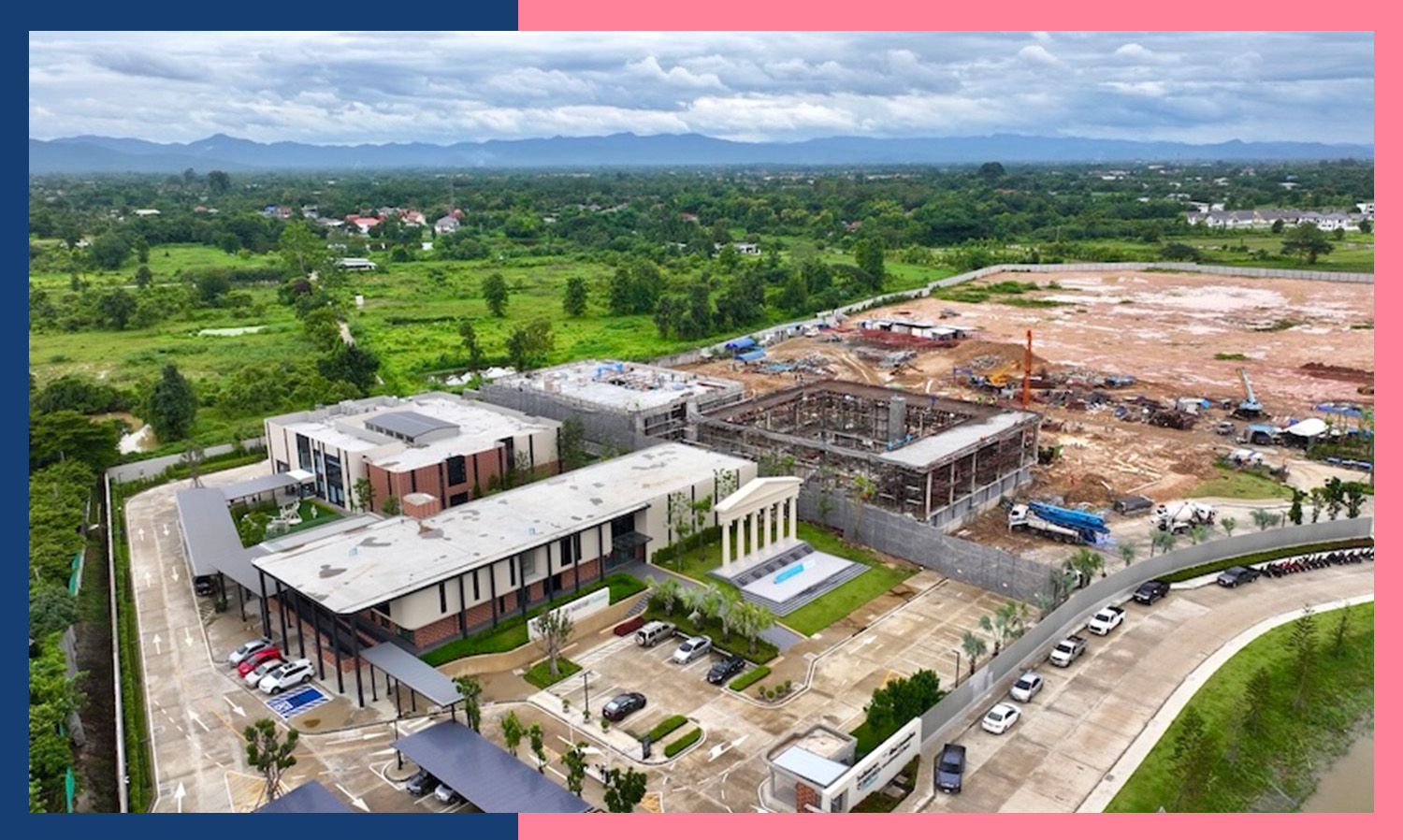
สำหรับนักลงทุนและผู้พัฒนาโครงการอสังหาริมทรัพย์ แนวคิด Education-Centric Development เป็น “กลยุทธ์เพิ่มมูลค่า” ที่น่าจับตามองอย่างยิ่ง โดยเฉพาะในเมืองใหญ่และประเทศที่ให้ความสำคัญกับคุณภาพการศึกษา ในต่างประเทศมีการพัฒนา Education-Centric Development มาอย่างยาวนาน และมีโครงการที่ประสบความสำเร็จในการเปลี่ยนโฉมพื้นที่รอบๆ โครงการมากมาย เช่น
Mill Hill, London: โครงการพัฒนาเมืองรอบโรงเรียนมัธยมชื่อดัง ในปี ค.ศ. 1807 โรงเรียน Mill Hill ก่อตั้งขึ้น ซึ่งช่วยยกระดับชื่อเสียงของพื้นที่ Mill Hill Village ให้โดดเด่นยิ่งขึ้น ทำให้พื้นที่ได้รับการยอมรับในฐานะย่านที่มีคุณภาพชีวิตดี โดยโรงเรียนเอกชนแห่งนี้ตั้งอยู่บนที่ดินกว่า 120 เอเคอร์ และมีบทบาทสำคัญต่อการพัฒนาของพื้นที่ โดยดึงดูดครอบครัวผู้มั่งคั่ง ครอบครัวระดับกลางถึงบนเข้ามาซื้อที่อยู่อาศัยเพื่อให้บุตรหลานได้เรียนในโรงเรียนคุณภาพ และช่วยส่งเสริมเศรษฐกิจท้องถิ่น อีกทั้งพื้นที่โรงเรียนอันสวยงามและสถาปัตยกรรมแบบจอร์เจียนยังกลายเป็นสัญลักษณ์สำคัญของ Mill Hill
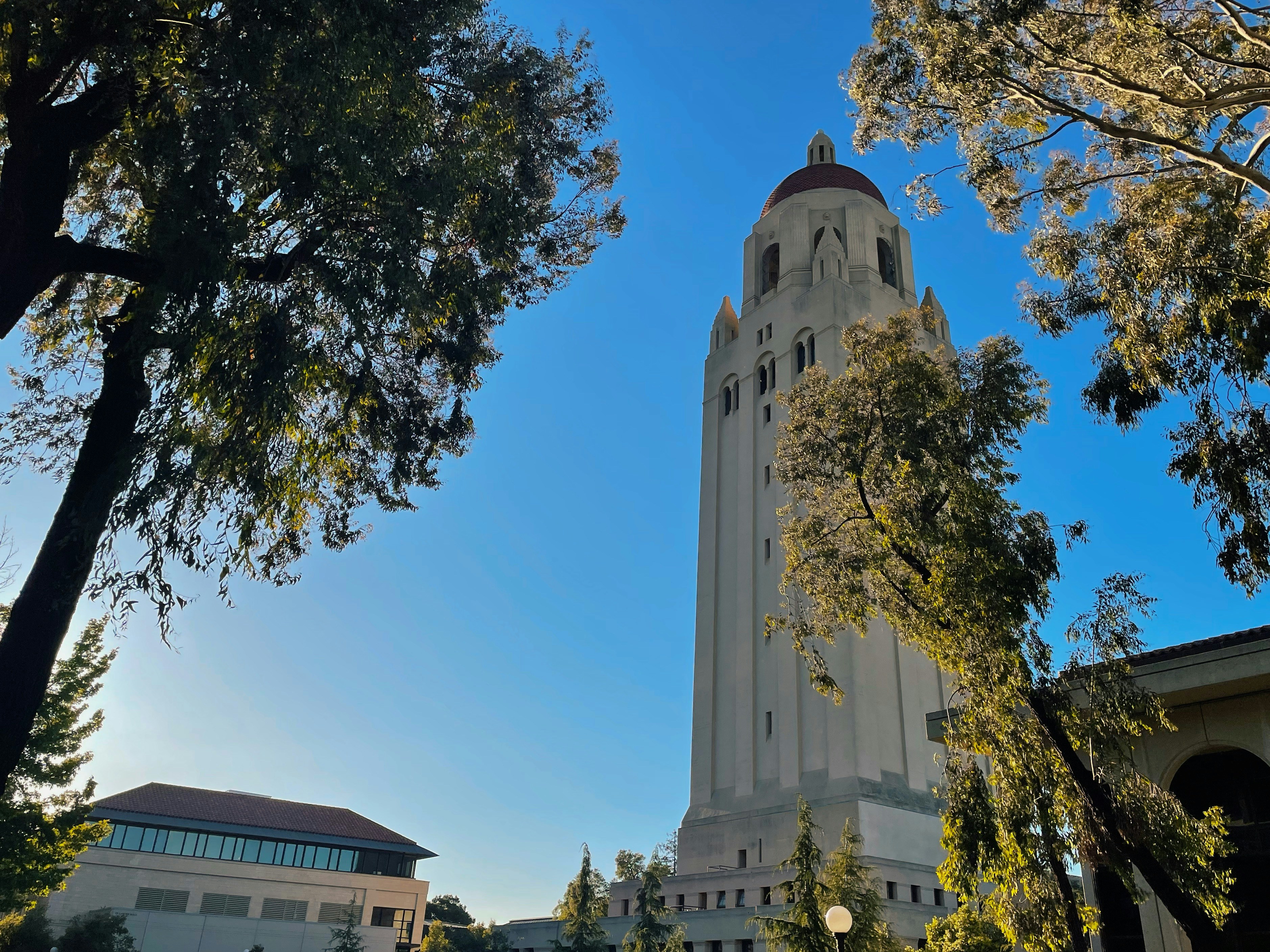
Stanford University Photo by Yash Banka on Unsplash
University Towns ต่างๆ ในสหรัฐฯ เช่น Palo Alto รอบ Stanford หรือ Cambridge รอบ Harvard/MIT พื้นที่เหล่านี้เติบโตเป็นศูนย์กลางเศรษฐกิจและนวัตกรรม เพราะมหาวิทยาลัยไม่เพียงผลิตนักศึกษา แต่ยังดึงดูดบริษัท วิจัย สตาร์ทอัพ และแรงงานคุณภาพ เช่น การก่อตั้งมหาวิทยาลัย Stanford ในปี ค.ศ. 1885 ถือเป็นจุดเปลี่ยนสำคัญที่ทำให้ Palo Alto จากเมืองเล็ก ๆ กลายเป็นศูนย์กลางเศรษฐกิจ ความรู้ และนวัตกรรมระดับโลก ดึงดูดคณาจารย์ นักศึกษา และบุคลากรจำนวนมาก ส่งผลให้มีการสร้างที่พักอาศัย ร้านค้า และโครงสร้างพื้นฐานเพื่อรองรับผู้คน
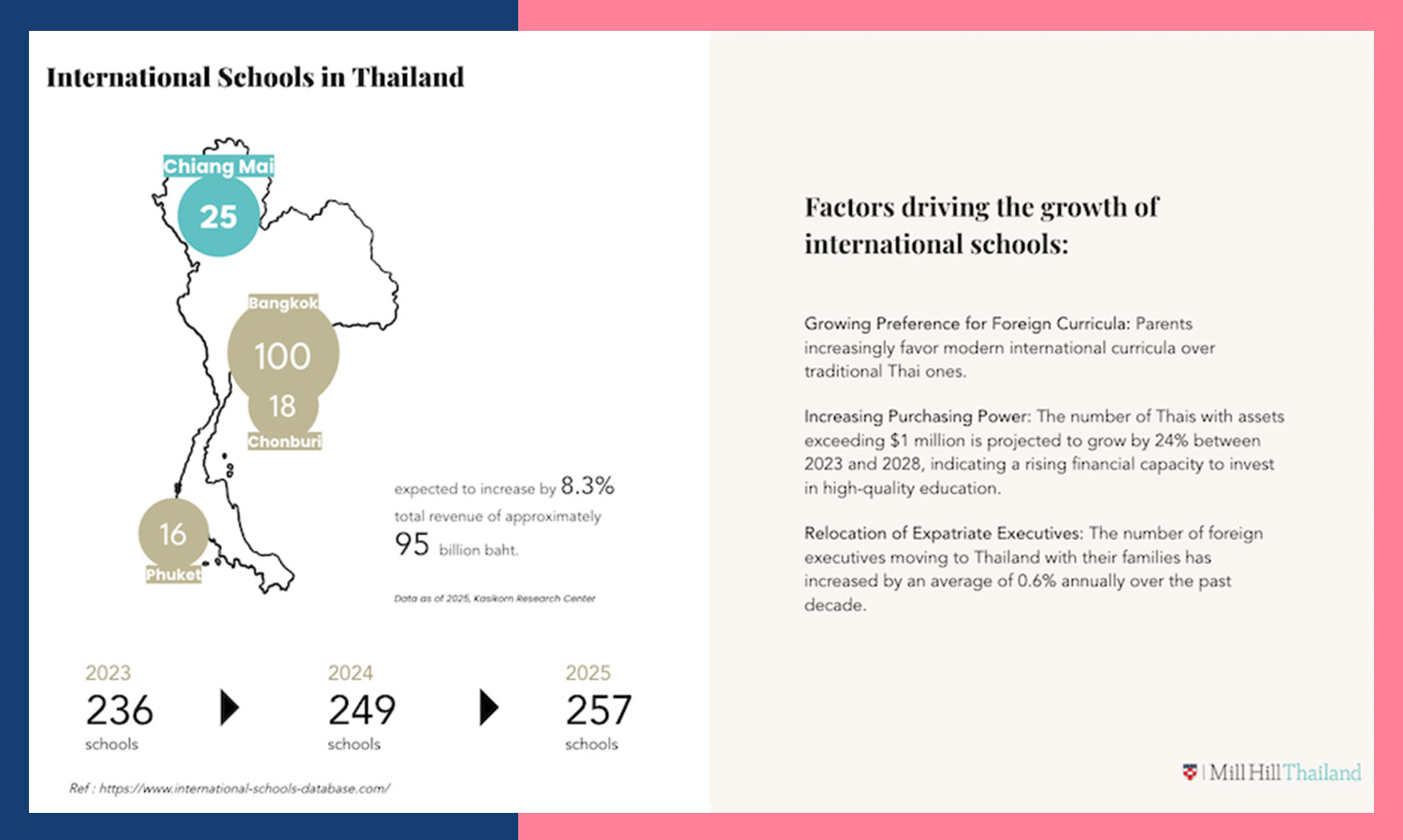
ในประเทศไทย แนวคิด Education-Centric Development เริ่มได้รับความสนใจมากขึ้นเรื่อย ๆ โดยเฉพาะในกรุงเทพฯ และหัวเมืองใหญ่ เพราะประเทศไทยมีทั้งดีมานด์จากครอบครัวคนไทย และครอบครัวต่างชาติที่เข้ามาทำงานและเลือกส่งบุตรหลานเรียนในโรงเรียนนานาชาติ การที่โรงเรียนหรือมหาวิทยาลัยคุณภาพสูงตั้งอยู่ในพื้นที่ใดๆ มักจะกลายเป็น “ตัวเร่ง” ให้เกิดการพัฒนาโครงการอสังหาริมทรัพย์รอบข้าง ทั้งบ้านเดี่ยว ทาวน์โฮม คอนโดมิเนียม รวมถึงโครงการเชิงพาณิชย์ต่าง ๆ เพราะครอบครัวจำนวนมากพร้อมลงทุนเพื่อให้ลูกได้เรียนในโรงเรียนที่ดีที่สุด และยินดีจ่ายเพื่ออยู่อาศัยใกล้สถานศึกษา การผสมผสานสถาบันการศึกษาเข้ากับการพัฒนาโครงการ สามารถสร้างแรงดึงดูดให้พื้นที่นั้นกลายเป็นย่านที่อยู่อาศัยคุณภาพและศูนย์กลางเศรษฐกิจในอนาคตได้
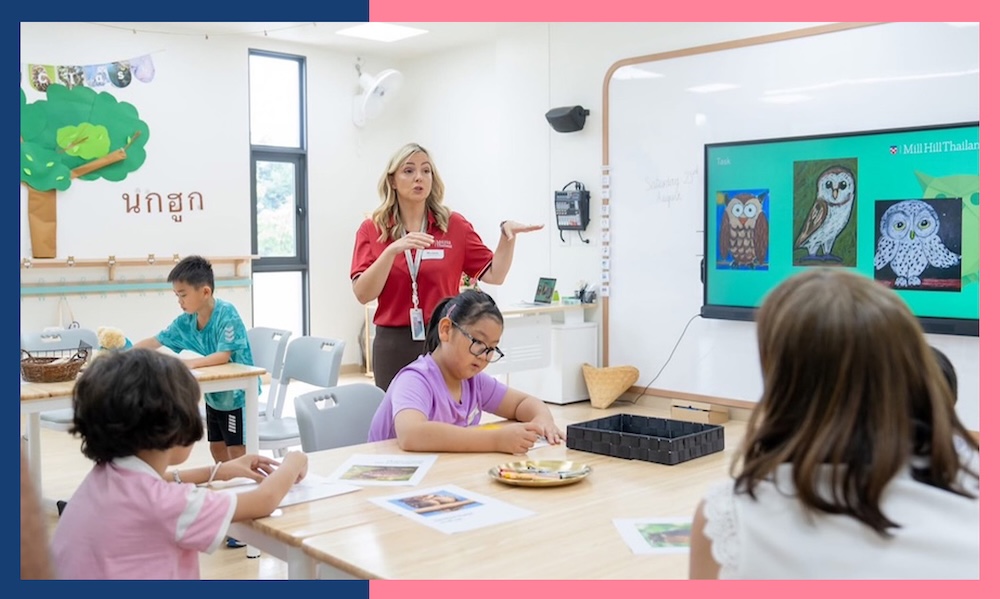
Education-centric development ในประเทศไทยนั้น มีการเติบโตควบคู่ไปพร้อมกับการเติบโตของโรงเรียนนานาชาติ ลองสังเกตว่า พื้นที่รอบโรงเรียนนานาชาติชั้นนำในกรุงเทพฯ อย่างเช่น Shrewsbury, Harrow หรือ King’s College มักมีโครงการบ้านหรูและคอนโดระดับพรีเมียมรายล้อม และมีอัตราการเติบโตของมูลค่าสูงกว่าพื้นที่ทั่วไป รวมถึงย่านอื่นๆ เช่น กรุงเทพชั้นใน รอบโรงเรียนดัง มีโครงการที่พักหรูที่มีอัตราค่าเช่าแน่นอนและเป็นที่ต้องการสูงจากกลุ่ม expat ในส่วนของย่าน บางนา–ตราด มีการเติบโตอย่างก้าวกระโดดจากการมีโรงเรียนระดับนานาชาติชั้นนำและการขยายตัวของเมือง ทำให้เป็นโซนที่อยู่อาศัยยอดนิยมของทั้งชาวไทยและต่างชาติ

นี่คือพลังของการศึกษา ที่ไม่เพียงยกระดับคุณภาพชีวิตครอบครัว แต่ยังต่อยอดมูลค่าทรัพย์สินในระยะยาว ซึ่งการพัฒนาในรูปแบบนี้ยังพบเห็นได้ในพื้นที่หัวเมืองหลัก เช่น ภูเก็ต และ เชียงใหม่ กลายเป็นจุดหมายของครอบครัวต่างชาติและครอบครัวชาวไทย ด้วยโรงเรียนอินเตอร์คุณภาพสูงที่ขับเคลื่อนตลาดที่อยู่อาศัยและวิลล่าในพื้นที่ใกล้เคียง เช่น จังหวัดเชียงใหม่ ที่มีการเติบโตของโรงเรียนนานาชาติทั้งในและนอกตัวเมืองเชียงใหม่ เช่น Prem Tinsulanonda และ Lanna International School และการเปิดตัวล่าสุดของของโรงเรียนจากอังกฤษอย่าง Mill Hill International School Thailand ทำให้เกิดการขยายตัวของโครงการที่อยู่อาศัย เพื่อรองรับครอบครัวชาวต่างชาติและครอบครัวคนไทยที่ส่งบุตรหลานเข้าศึกษาในโรงเรียนเหล่านี้
จุดเด่นของ Education-Centric Development ในไทย
- ดึงดูดครอบครัวต่างชาติและนักลงทุน – โรงเรียนนานาชาติเป็นแม่เหล็กสำคัญ ทำให้พื้นที่มีตลาดเช่าที่อยู่อาศัยที่แข็งแรงและราคาดี
- สร้างมูลค่าอสังหาฯ ระยะยาว – ราคาบ้านและคอนโดใกล้โรงเรียนดังมีแนวโน้มเติบโตอย่างต่อเนื่อง เพราะดีมานด์ไม่ลดลง
- เพิ่มความน่าอยู่ของย่าน – การมีโรงเรียนชั้นนำมักมาพร้อมสิ่งอำนวยความสะดวกครบ เช่น คอมมูนิตี้มอลล์ ร้านอาหาร ศูนย์กีฬา
- ตอบโจทย์ไลฟ์สไตล์ครอบครัวรุ่นใหม่ – คนไทยรุ่นใหม่ให้ความสำคัญกับการศึกษาคุณภาพระดับอินเตอร์มากขึ้น ทำให้ความต้องการอยู่อาศัยใกล้โรงเรียนเพิ่มสูง
ความน่าสนใจและโอกาสในอนาคต
ตลาดอสังหาฯ ไทยในอนาคตจะไม่ได้ขับเคลื่อนเพียงดีมานด์ด้านทำเลธุรกิจหรือท่องเที่ยว แต่ “การศึกษา” จะเป็นอีกหนึ่งปัจจัยหลัก โดยเฉพาะเมื่อประเทศไทยกำลังดึงดูดทั้งผู้เชี่ยวชาญจากต่างชาติ กลุ่ม expat และครอบครัวผู้มีรายได้สูงที่มองหาการศึกษาระดับโลกให้กับลูก การโครงการที่ผูกกับ Education-Centric Development จึงไม่เพียงสร้างความต่าง แต่ยังเป็นการลงทุนที่ยั่งยืนและสร้างมูลค่าเพิ่มให้พื้นที่ในระยะยาว
ENGLISH VERSION:
Education-Centric Development: When Education is the Core of Urban and Regional Development
The concept of Education-Centric Development, or "urban development with education at the core," stems from the view that education is more than just a basic service—it's a "magnet" capable of attracting people, families, and economic activities to congregate in an area. The presence of high-quality educational institutions, whether they be schools, universities, or research institutions, can positively impact both residents' quality of life and the surrounding real estate value.
For investors and real estate developers, the Education-Centric Development concept is a compelling "value-add strategy," particularly in large cities and countries that prioritize education. Internationally, Education-Centric Development has a long history and offers many examples of successful projects that have transformed their surrounding areas.
Mill Hill, London: A town development project centered around a famous secondary school. Mill Hill School was founded in 1807, significantly elevating the reputation of the Mill Hill Village area and establishing it as a recognized high-quality residential district. This private school, situated on over 120 acres of land, has played a crucial role in the area's development by attracting affluent and upper-middle-class families to purchase residences so their children could attend the quality institution. This, in turn, has boosted the local economy.
Stanford University Photo by Yash Banka on Unsplash
University Towns in the U.S. such as Palo Alto (surrounding Stanford) or Cambridge (surrounding Harvard/MIT): These areas have grown into centers of economy and innovation because the universities not only produce graduates but also attract companies, research, startups, and a high-quality workforce. For example, the founding of Stanford University in 1885 was a critical turning point that transformed Palo Alto from a small town into a global center of economics, knowledge, and innovation. It drew in a massive influx of faculty, students, and staff, prompting the development of residential housing, shops, and infrastructure to accommodate the growing population.
In Thailand, the concept of Education-Centric Development is increasingly gaining traction, especially in Bangkok and major cities. This is driven by demand from both Thai families and expatriate families who work in the country and choose to have their children attend international schools.
The presence of a high-quality school or university in an area often acts as an "accelerator" for the development of surrounding real estate projects, including single-family homes, townhomes, condominiums, and various commercial ventures. This is because many families are willing to invest so their children can attend the best schools, live close to the educational institution, minimize the daily commuting time, be an asset for their children, or resale after their children graduate.
Education-Centric Development in Thailand has grown alongside the rise of international schools. Notice that the areas surrounding Bangkok's leading international schools, such as Shrewsbury, Harrow, or King’s College, are often surrounded by luxury housing projects and premium condominiums, which typically experience higher growth in value.
Similarly, in other neighborhoods, like inner Bangkok near famous schools, luxury residential projects command steady and high rental rates, driven by demand from the expatriate community. The Bangna–Trad area, for instance, has seen exponential growth fueled by the presence of top-tier international schools and general urban expansion, making it a highly popular residential zone for both Thai and foreign nationals.
This is the power of education—that not only elevates a family's quality of life but also enhances long-term property value. This type of development is apparent in other major regional cities like Phuket and Chiang Mai, which have become destinations for both expatriate and Thai families. For example, in Chiang Mai Province, the growth of international schools both inside and outside the main city area (such as Prem Tinsulanonda and Lanna International School) and the recent opening of the UK-based Mill Hill International School Thailand have led to an expansion of housing projects designed to accommodate the expatriate and Thai families enrolling their children in these schools.
Key Highlights of Education-Centric Development in Thailand
- Attracts Expat Families and Investors: International schools act as a major magnet, creating a strong residential rental market in the area.
- Generates Long-Term Real Estate Value: Prices for homes and condos near famous schools tend to grow consistently because demand rarely decreases.
- Enhances Neighborhood Livability: The presence of a leading school is often accompanied by comprehensive amenities like community malls, restaurants, and sports centers.
- Meets the Modern Family Lifestyle: Younger generations of Thais increasingly prioritize high-quality, international-level education, driving up the demand for residences close to these schools.
Future Opportunities
The future of Thailand's real estate market won't be driven solely by demand related to business locations or tourism; "education" will become another primary factor. This is especially true as Thailand continues to attract international experts, expatriate groups, and high-income families who are seeking world-class education for their children. Therefore, projects tied to Education-Centric Development don't just create differentiation—they represent a sustainable investment that builds long-term value for the area.