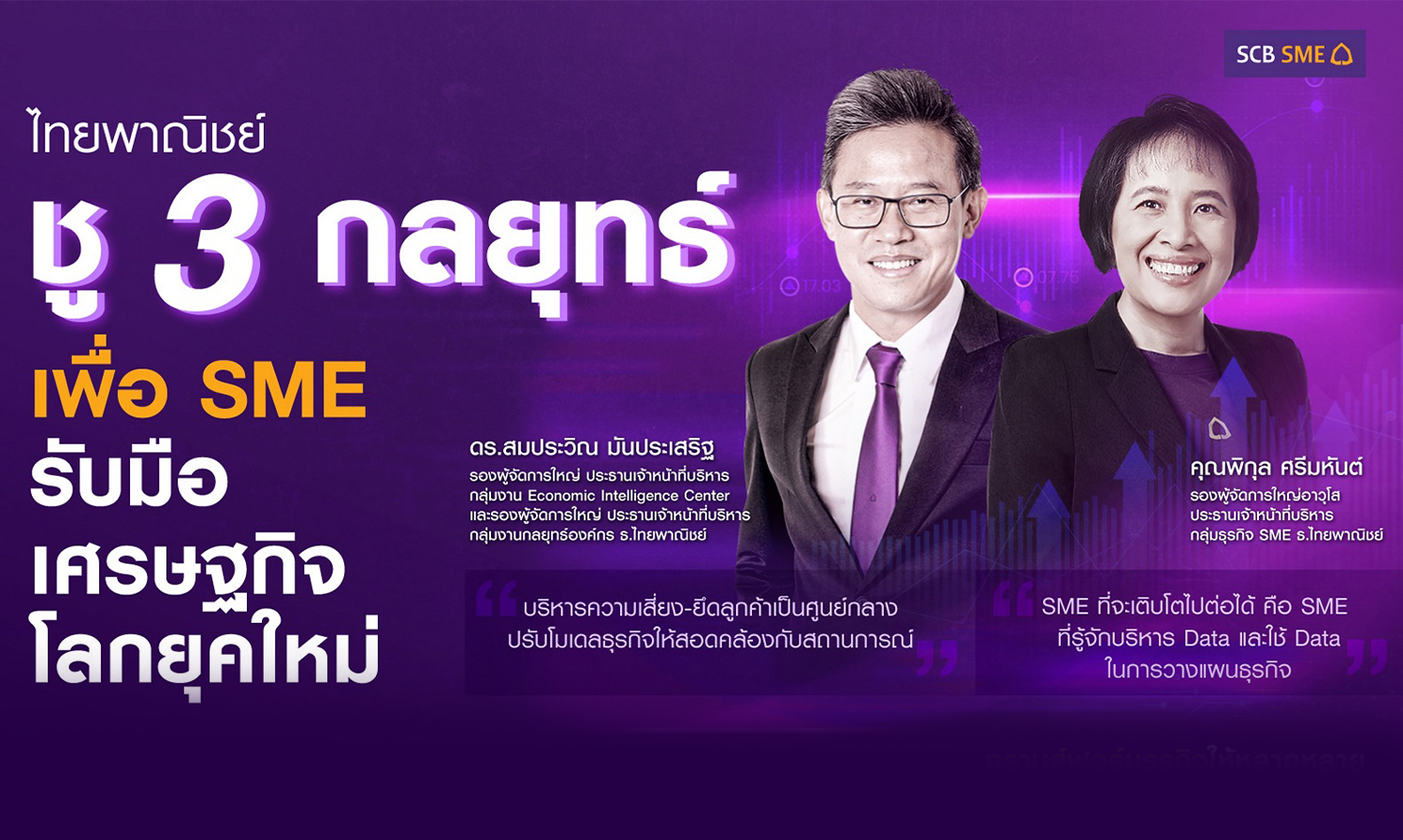
SCB Advises SMEs to Navigate High Global Economic Uncertainty with 3 Strategies: Risk Management, Customer-Centric Approach, and Business Model Adaptation
Amidst the global economic landscape characterized by high uncertainty and the potential for recession in certain countries due to fluctuating energy prices, record-high inflation rates, rising interest rates globally including in Thailand to curb inflation, the ongoing Russia-Ukraine conflict, and escalating tensions between economic superpowers the United States and China, as well as increasing labor costs, these factors significantly impact businesses, particularly SMEs. Siam Commercial Bank (SCB) organized a seminar titled “SME OF THE FUTURE: How Should Thai SMEs Move Forward?” to prepare SMEs to handle various risks and challenges and to provide guidance on adjusting strategies suitable for the upcoming business world.
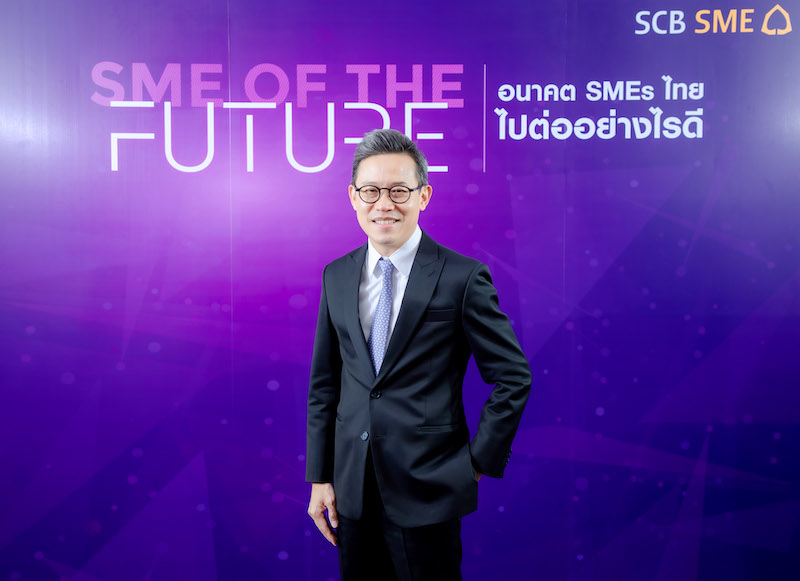
Dr. Somprawin Manprasert, Executive Vice President and CEO of the Economic Intelligence Center (EIC) at SCB, provided an overview of the global economy during the seminar, stating that despite the high uncertainty due to the aforementioned negative factors, there are contradictions in several dimensions. For instance, the global manufacturing sector remains strong, contrasting with the declining consumer confidence. The global economy is showing signs of slowing down, particularly in the U.S., while the labor market remains robust. In Thailand, domestic spending is beginning to show signs of recovery due to the easing of disease control measures and the reopening of the country, but external risk factors still impact the domestic economy. This contradiction reflects that the global economy is standing on the “threshold of change between good and bad.”
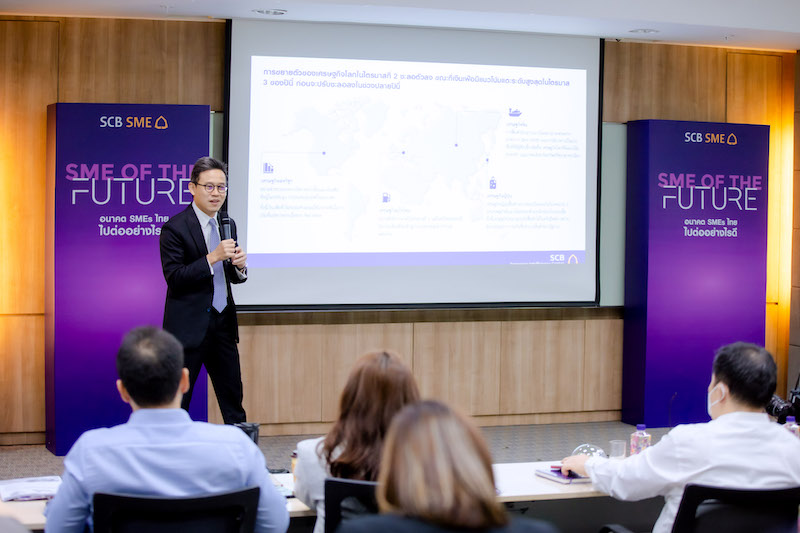
In the long term, even though the COVID-19 pandemic situation is starting to ease, businesses worldwide will undergo structural changes according to changing consumer behaviors. This includes changes in production models and technology, leading entrepreneurs to adapt quickly to both immediate economic issues and long-term structural problems. Because even if the economy returns to a more normal state, it does not mean that products will sell well, especially for producers who cannot adapt.
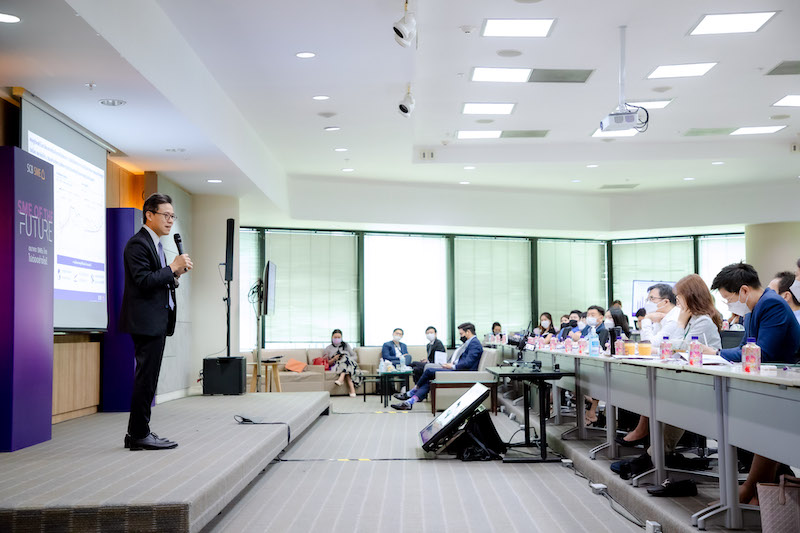
“In the United States, the labor sector remains strong. In Japan, despite high COVID-19 infection rates, exports and consumption are still good. However, countries of concern include Europe and China. When asked which country might experience a recession first, Europe is likely to be ahead, with the UK possibly being the first due to facing rising energy prices and potential natural gas shortages as a result of the Russia-Ukraine conflict. Meanwhile, sales and production in Europe are declining, and China is increasingly facing economic storms due to its zero-COVID policy affecting the manufacturing sector, leading to a decrease in Chinese purchasing power and problems in the real estate sector.”
However, despite many countries facing challenges, the Executive Vice President and CEO of the Economic Intelligence Center (EIC) at SCB analyzed that “ASEAN” remains an attractive market, less affected by the global economic slowdown due to the increasing purchasing power from the economy starting to recover this year. He noted that increasing trade rates among ASEAN countries would be a good way to mitigate the impacts of the global economy. Similarly, the Thai economy is expected to continue recovering, driven by the increasing number of foreign tourists, projected to reach 10 million in 2022, which will boost income in the tourism industry and related businesses, enhancing domestic purchasing power. Meanwhile, Thai exports are improving for certain products in specific countries, particularly exports to ASEAN. However, in the near future, exports will be driven more by rising product prices than by volume, reflecting a decrease in global purchasing power, but with products becoming more expensive.
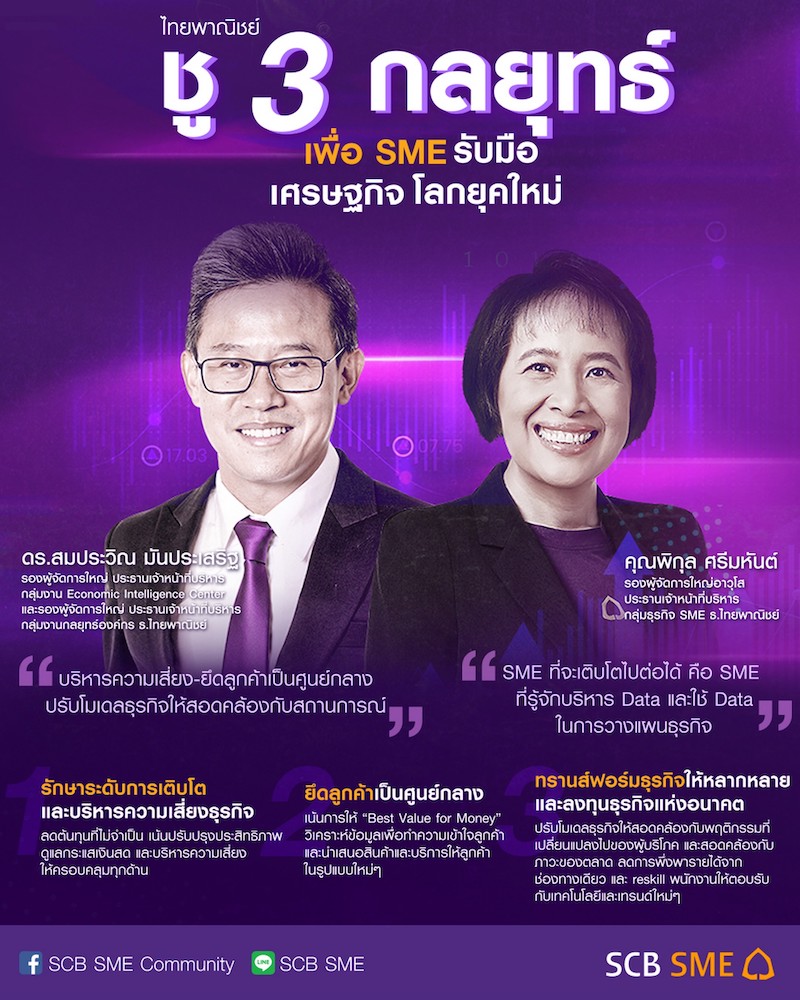
SME operators are advised to navigate the uncertainties of the global economy and structural changes through three strategies:
1. Maintaining Growth and Managing Business Risks by reducing unnecessary costs, focusing on improving energy efficiency and managing raw materials, increasing business flexibility to quickly adapt to crises, managing the balance sheet by reducing inventory, lowering debt, and covering risks comprehensively, including hedging to reduce raw material price volatility and ensuring the stability and flexibility of the supply chain through risk management of partners, as well as managing inventory.
2. Customer-Centric Approach by emphasizing providing more options for customers during economic slowdowns, closely monitoring consumer behavior and new normal trends, analyzing data to understand customer needs, presenting products and services in new formats, and creating a customer journey to help customers transition to the digital world more quickly.
3. Business Transformation and Investment in Future Businesses by adjusting business models to align with changing consumer behaviors and market conditions, investing in other business areas to reduce dependence on a single revenue stream, investing in appropriate technology to enhance production and management efficiency, improving energy efficiency, developing plans to retain and reskill employees in line with the introduction of new technologies and trends, and seeking opportunities for business mergers.
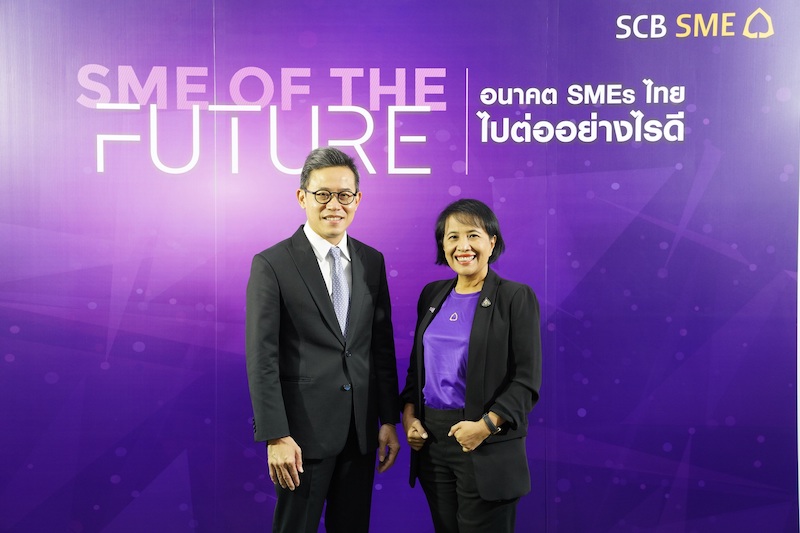
SME operators can follow business tips and seminar activities beneficial for their businesses from SCB and partners in both the public and private sectors throughout the year, as well as information about products and services for SMEs through the website: www.scb.co.th/th/sme-banking, Facebook: www.facebook.com/groups/scbsme/, or contact the SCB SME Business Call Center at 02-722-2222.