4 โอกาสในธุรกิจอสังหาฯ ท่ามกลางวิกฤตเศรษฐกิจและหนี้ครัวเรือนสูง
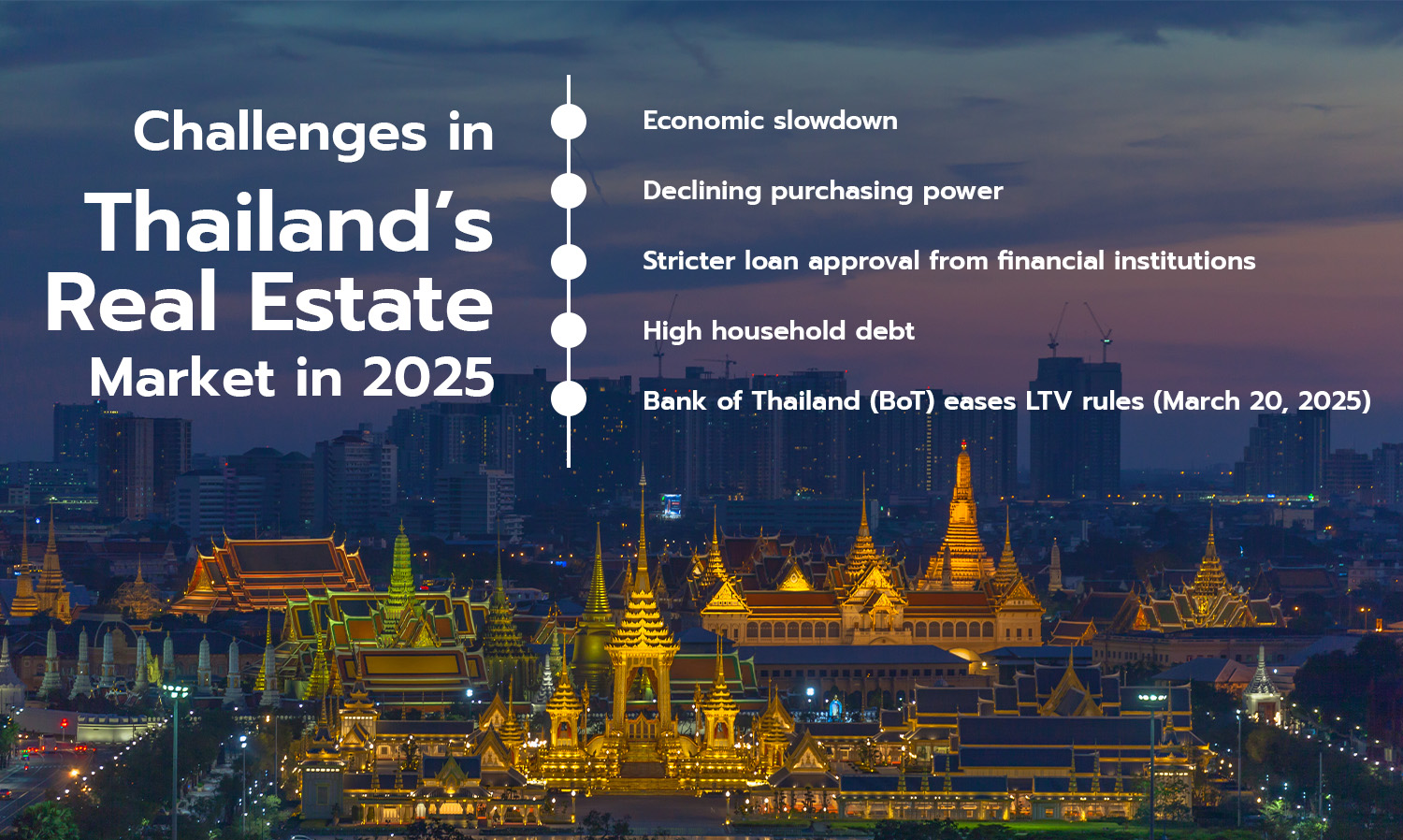
ตลาดอสังหาริมทรัพย์ไทยในปี 2568 ดูเหมือนว่าจะเผชิญกับความท้าทายรอบด้าน ทั้งจากภาวะเศรษฐกิจที่ชะลอตัว กำลังซื้อที่ถดถอย การเข้มงวดจากสถาบันการเงินในการปล่อยสินเชื่อ ที่สำคัญภาวะหนี้ครัวเรือนของประชาชนอยู่ในอัตราที่สูง ส่งผลให้ตลาดอสังหาริมทรัพย์เริ่มต้นปีมา บรรยากาศไม่คึกคักเท่าที่ควร และเห็นแคมเปญการตลาด ลด แลก แจก แถมกระหน่ำกันตั้งแต่ต้นปีเลยทีเดียว
แม้ล่าสุด วันที่ 20 มีนาคม 2568 ธนาคารแห่งประเทศไทยจะผ่อนปรนเกณฑ์การกำกับดูแลสินเชื่อเพื่อที่อยู่อาศัยและสินเชื่ออื่นที่เกี่ยวเนื่องกับสินเชื่อเพื่อที่อยู่อาศัย (Loan to Value หรือ LTV) ให้กับผู้ซื้ออสังหาฯ ได้ในทุกระดับราคาสามารถกู้สถาบันการเงินได้ 100% โดยไม่มีเงื่อนไข ไม่ว่าจะเป็นที่อยู่อาศัยหลังที่1หลังที่2 หลังที่3 หลังที่ 4 จากเดิมบ้านหรือคอนโดหลังที่ 1 กู้ซื้อได้ ราคาไม่เกิน10ล้านบาทกู้ได้ 100% เท่านั้น แต่เราคงต้องจับตาตลาดอสังหาฯ ในปีนี้ว่าจะมีทิศทางเป็นอย่างไร ภายใต้ภาวะเศรษฐกิจชะลอตัว กำลังซื้อถดถอย และหนี้ครัวเรือนพุ่งสูงเช่นนี้
อย่างไรก็ตาม หลายภาคส่วนยังคงมองตลาดอสังหาฯ ของไทย ว่ามีโอกาสและทิศทางที่ดีในการสร้างการเติบโตได้ เพราะตลาดยังมีความต้องการที่อยู่อาศัย อย่างเช่น DDproperty.com
ที่เห็นว่าภาพรวมปีนี้ยังเป็นปีแห่งโอกาสและแนวโน้มในทิศทางที่ดีของตลาดอสังหาฯ โดยมองเห็น 4 ประเด็นไฮไลท์สำคัญ ที่เป็นความหวังและโอกาสของธุรกิจอสังหาฯ ดังนี้
1.ดีมานด์เช่าสูงกว่าซื้อ
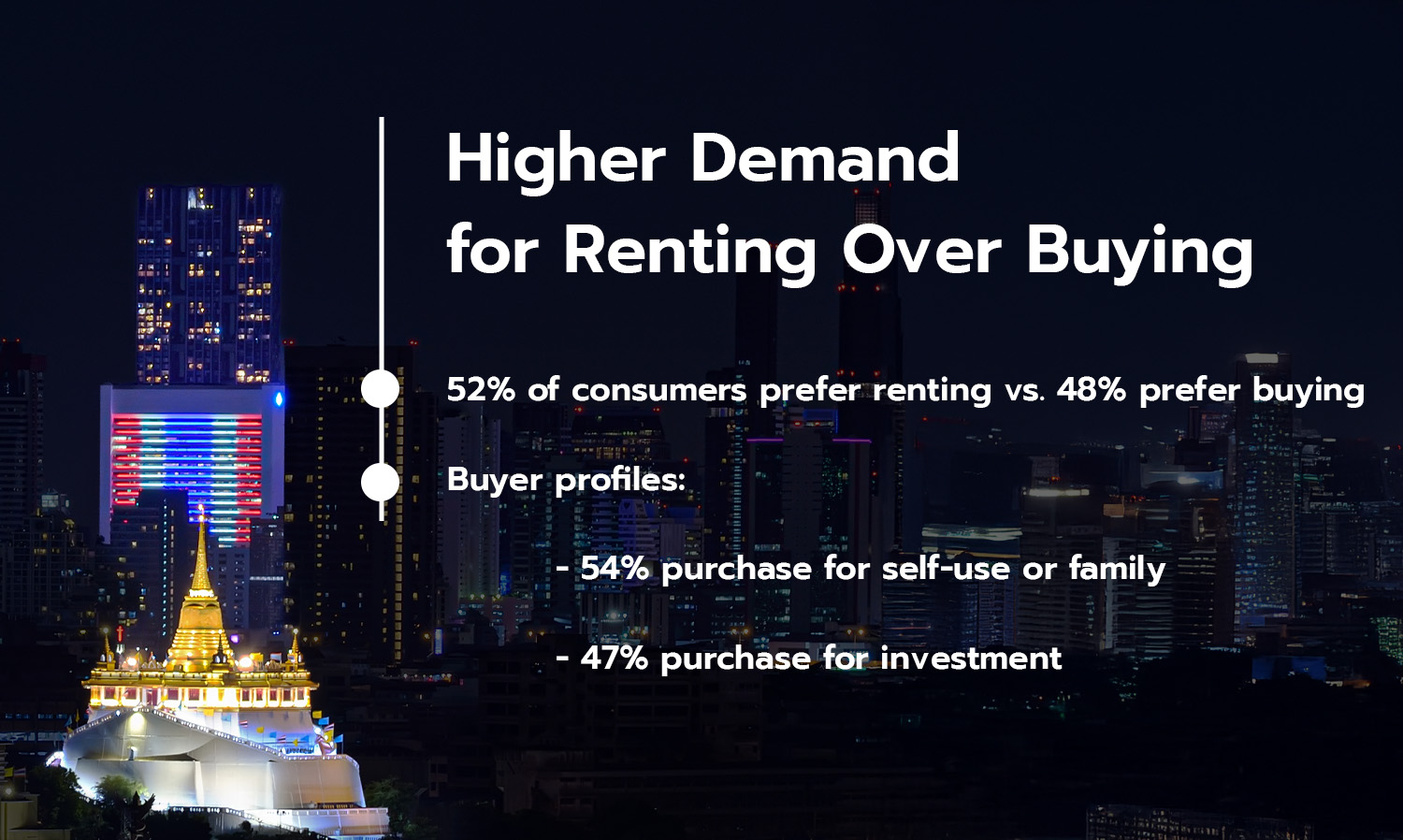
จากข้อมูลความสนใจของผู้เข้าชมแพลตฟอร์มในรอบ 8 เดือนที่ผ่านมา (ก.ค. 67- ก.พ. 68) พบว่า 52% ของผู้ใช้เลือกที่จะเช่าอสังหาริมทรัพย์ ในขณะที่ผู้ใช้ 48% เลือกที่จะซื้อ โดยสัดส่วนของผู้ที่ซื้อเพื่ออยู่เองและเพื่อครอบครัวรวมกันอยู่ที่ 54% ส่วนผู้ที่ซื้อผู้ลงทุนมีสัดส่วน 47% ซึ่งเป็นสัดส่วนที่ค่อนข้างใกล้เคียงกัน แสดงให้เห็นว่า กลุ่มผู้ที่ซื้อเพื่อลงทุนที่มีขนาดค่อนข้างใหญ่ ส่วนหนึ่งเพราะเล็งเห็นผลตอบแทนการลงทุนปล่อยเช่าทั้งในระยะสั้นและระยะยาวมีอัตราที่คุ้มค่า
2.คนไทยชะลอการซื้ออสังหา
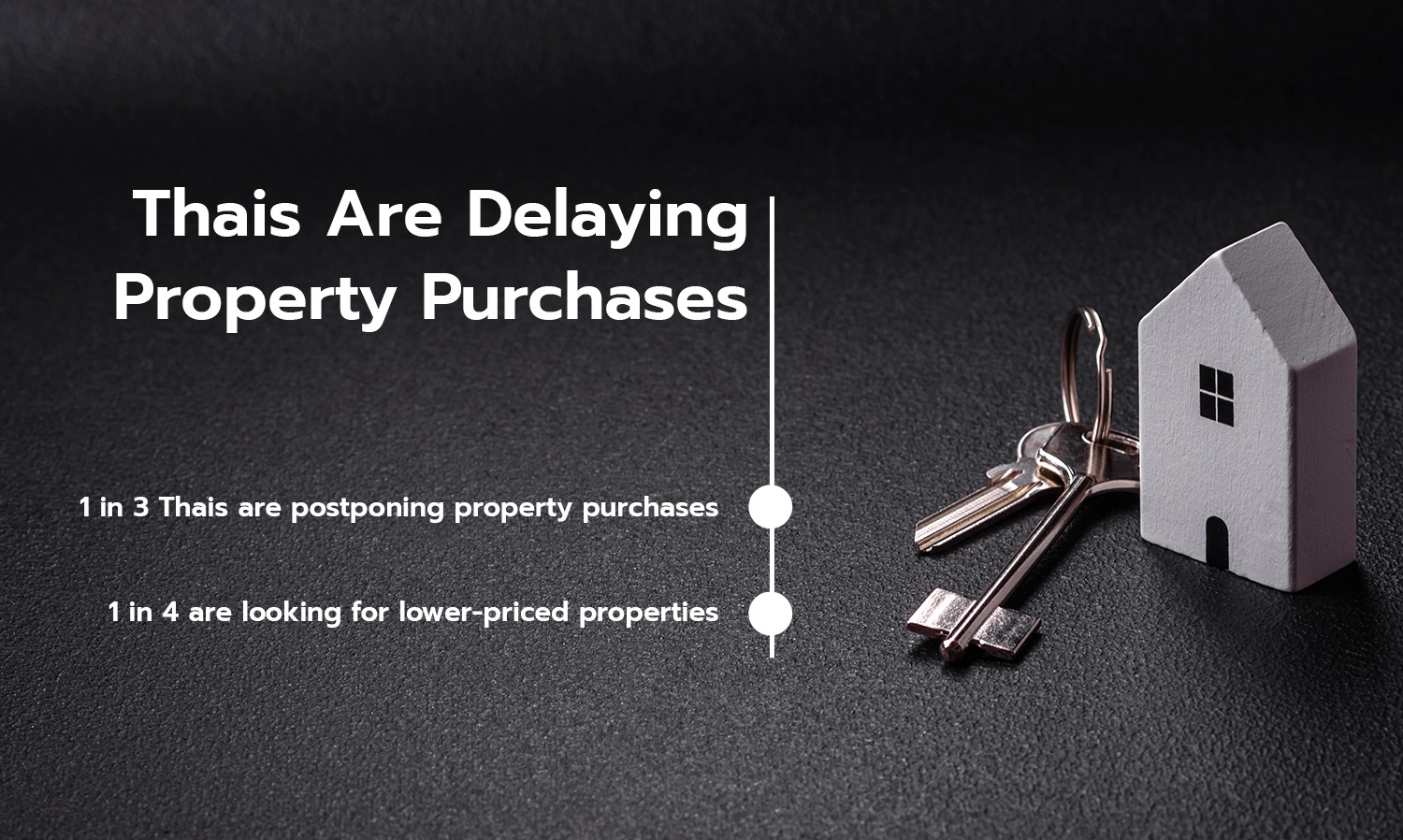
จากภาวะเศรษฐกิจและกำลังซื้อมีชะลอตัว และภาวะหนี้ครัวเรือนสูง ส่งผลให้คนไทยระมัดระวังการใช้จ่ายเงิน มีการบริหารการใช้จ่ายอย่างรอบคอบ และตัดสินใจนานขึ้น โดยเฉพาะในการซื้อสินทรัพย์ขนาดใหญ่ อย่างบ้านหรือคอนนโด โดยคนไทย 1 ใน 3 จะชะลอการซื้ออสังหาฯ ในปัจจุบันไปก่อน ขณะที่ 1 ใน 4 ของคนไทยมองหาอสังหาฯ ในราคาที่ถูกลงด้วย เป็นจุดสะท้อนถึงปัญหาด้านความสามารถในการซื้อหา
3.คนนิยมหาบ้าน-คอนโด ราคา 1-5 ล้าน
แต่อย่างไรก็ตาม ความต้องการในการเลือกซื้อบ้านและคอนโดของคนไทยปัจจุบันยังมีอยู่ ซึ่งพบว่า คนไทยยังมองหาอสังหาฯ ในกลุ่มราคาที่สูงกว่าความสามารถหรือกำลังซื้อขงตนเอง โดยคนไทยยังนิยมหรือมองหาคอนโดในระดับราคา 1-3 ล้านบาท ด้วยสัดส่วนสูงถึง 46% และบ้านเดี่ยวที่มีราคา 3-5 ล้านบาท สัดส่วนสูงถึง 30% ส่วนทาวน์โฮมมองหาในระดับราคา 3-5 ล้านบาท ด้วยสัดส่วนถึง 64%

4.กรุงเทพฯ-ภูเก็ต ทำเลดีมานด์คอนโดสูง
สำหรับทำเลในการเลือกซื้ออสังหาฯ ของคนไทย จะพบว่า ส่วนใหญ่ยังมีความต้องการในพื้นที่จังหวัดกรุงเทพฯ และภูเก็ต ซึ่งอยู่ในระดับสูง ทั้งสองพื้นที่เป็นตลาดหลักของธุรกิจอสังหาฯ และเป็นพื้นที่ยอดนิยมของความต้องการซื้อที่อยู่อาศัยโดยเฉพาะตลาดคอนโด แต่ในจังหวัดอื่น ๆ อย่าง เชียงใหม่ หรือชลบุรี ก็เป็นทำเลที่มีความต้องการซื้อที่อยู่อาศัยสูงเช่นเดียวกัน
อย่างไรก็ตาม แนวโน้มตลาดอสังหาริมทรัพย์ไทยในปี 2568 ยังมีความน่าสนใจใน 3 กลุ่มหลัก ได้แก่
1.ภาคที่อยู่อาศัย (Residential Market) ตลาดพาร์ตเมนต์ขนาดเล็กและราคาประหยัด มีแนวโน้มความต้องการเพิ่มขึ้น จากขนนาดของครัวเรือนที่เล็กลง มีสมาชิกเพียงคนเดียวเพิ่มขึ้นอย่างต่อเนื่อง จาก 6.4% ในปี 2555 เป็น 26.1% ในปี 2565 ส่งผลให้ผู้พัฒนาโครงการต้องปรับกลยุทธ์ โดยเน้นไปที่โครงการที่อยู่อาศัยขนาดเล็กที่ตอบโจทย์คนทำงานและชาวต่างชาติ
2.การลงทุนในภาคอุตสาหกรรมและอสังหาริมทรัพย์ทางเลือก (Industrial & Alternative Investments) ได้รับความสนใจเพิ่มขึ้นจากนักลงทุน โดยเน้นไปที่นิคมอุตสาหกรรม ศูนย์ข้อมูล (Data Centers) และอสังหาริมทรัพย์ด้านสุขภาพ (Healthcare Facilities) รวมถึงการพัฒนาระบบโลจิสติกส์และโครงสร้างพื้นฐาน
3.ตลาดอสังหาริมทรัพย์ระดับลักชัวรี (Luxury Market) คาดว่า ราคาจะปรับตัวเพิ่มขึ้นปีละ 3% - 7% จากความต้องการของทั้งผู้ซื้อในประเทศและต่างประเทศ ในทำเลกรุงเทพฯ ภูเก็ต และพัทยา
แม้ปี 2568 ตลาดอสังหาฯ ไทยจะยังเผชิญกับความท้าทายรอบด้าน แต่ในวิกฤตยังมีโอกาสที่จะสามารถสร้างการเติบโตได้ หากผู้ประกอบการมีกลยุทธ์ การปรับตัวให้ไว้ และเข้าใจในกลุ่มลูกค้าของตัวเองอย่างแท้จริง จะยังสามารถสร้างการเติบโตให้กับธุรกิจของตนเองได้
Thriving in Turbulence: 4 Real Estate Opportunities Amidst Economic Turmoil
The Thai real estate market in 2025 appears to face challenges from all directions. These include a slowing economy, declining purchasing power, stricter lending criterias from financial institutions, and immense household debt. As a result, the real estate market has started the year with a less vibrant atmosphere than expected. We're also seeing a surge in marketing campaigns featuring discounts, giveaways, and promotions right from the beginning of the year.
The recent move on March 20, 2025 by the Bank of Thailand to relax the Loan-to-Value (LTV) regulations for housing loans and related mortgages. That move allows property buyers at all price levels to borrow 100% from financial institutions without conditions, regardless of whether it's their first, second, third, or fourth property (previously, only first homes or condos priced below 10 million baht were eligible for 100% financing). Despite the move, we must still keep a close eye on the real estate market's direction this year. This is particularly important given the context of a slowing economy, declining purchasing power, and soaring household debt
Many sectors still view the Thai real estate market as having opportunities and a positive direction for growth, as there remains a housing demand. For instance, DDproperty.com sees this year as a year of opportunity and a positive trend for the real estate market. They identify four key highlights that represent hope and opportunity for the real estate business, as follows:
1.Stronger rental demand
Based on the platform's user data collected over the past eight months (July 2024 - February 2025), the data show that 52% of users chose to rent real estate, while 48% chose to buy. The proportion of those buying for personal residence and for family combined was 54%, while those buying for investment accounted for 47%, which is a relatively close ratio. This indicates that the investor group is quite large, partly due to the perceived worthwhile returns from both short-term and long-term rental investments.
2.Prolong real estate purchase decision from the Thai local
Due to the slowing economy and declining purchasing power, coupled with high household debt, Thais are exercising caution in their spending. They are managing their finances carefully and taking a longer time to make decisions, especially when it comes to property purchases like homes or condos. Notably, one in three Thais are postponing their real estate purchases for the time being, while one in four are seeking properties at lower prices. This reflects that affordability is becoming an issue.
3.Detached House and Condominium at 1 to 5 million baht are in demand
Despite current economic conditions, there's still a significant demand for homes and condos among Thai people. Many are looking at properties priced beyond their actual affordability. Specifically, the most popular price ranges are:
- Condominiums: 1-3 million baht (46% of buyers)
- Detached Houses: 3-5 million baht (30% of buyers)
- Townhomes: 3-5 million baht (64% of buyers)
4.Condominiums in Bangkok and Phuket are leading in demand
Condominiums in Bangkok and Phuket are highly sought-after. Both areas are major real estate markets and are popular choices for residential purchases, particularly in the condominium. However, other provinces like Chiang Mai and Chonburi also show strong demand for residential properties.
Thailand's real estate market in 2025 presents interesting opportunities across three main segments:
- Residential Market: There's a growing demand for small, affordable apartments, driven by the increasing number of single-person households. This trend has risen significantly from 6.4% in 2012 to 26.1% in 2022. Developers are adapting by focusing on smaller residential projects that cater to working professionals and foreigners.
- Industrial & Alternative Investments: Investors are showing increased interest in this sector, particularly in industrial estates, data centers, and healthcare facilities. Developments in logistics and infrastructure are also attracting attention.
- Luxury Market: Luxury real estate prices are expected to rise by 3% to 7% annually, fueled by demand from both domestic and international buyers. Prime locations such as Bangkok, Phuket, and Pattaya are expected to lead this growth.
While Thailand's real estate market in 2025 will face numerous challenges, opportunities for growth do exist within these difficulties. Businesses that adopt effective strategies, demonstrate agility, and deeply understand their target customers will be able to achieve growth under the current economic turbulence.