Supply Chain Trends Supporting Continuous Growth in Thai Manufacturing by JLL
The diversity of supply chains is creating opportunities for the Thai manufacturing market, a trend that will emerge as investors become more flexible in various factors, including the selection of suitable land.
The transformation of the supply chain is expected to leap forward in the next decade, with the distribution of manufacturing plants and production sources moving to Southeast Asian countries, India, and various industrial locations in Thailand. According to JLL (NYSE: JLL), Thailand's manufacturing base will benefit from this trend due to its diverse production capabilities that can complement China's large manufacturing base. However, companies must be flexible in considering location choices and funding options to gain an advantage amid the current volatility of supply chains.
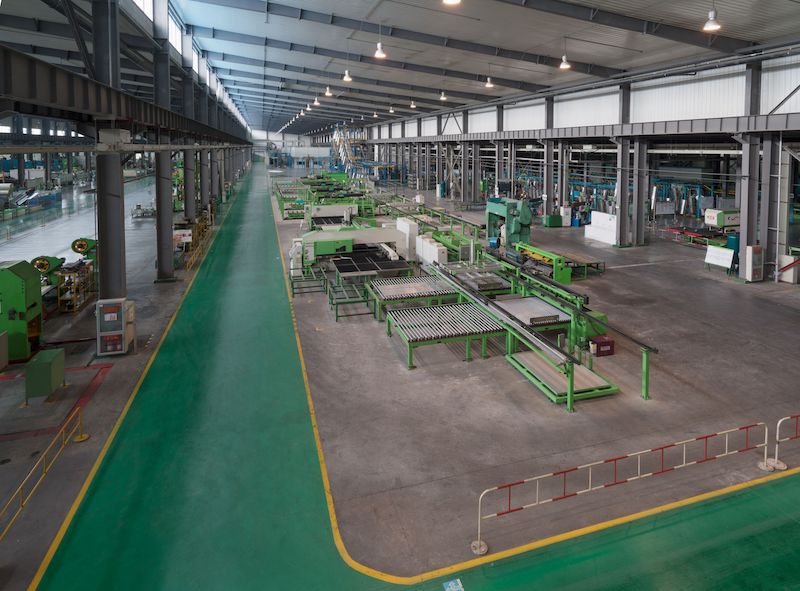
In recent years, companies have begun looking to relocate their manufacturing bases outside of China. For the Asia-Pacific region, the trend of relocating production to nearby countries has led to the emergence of the “China+1” strategy, where companies are adding additional manufacturing bases outside of China to mitigate risks from rapid changes in the supply chain by reducing dependence on any single country.
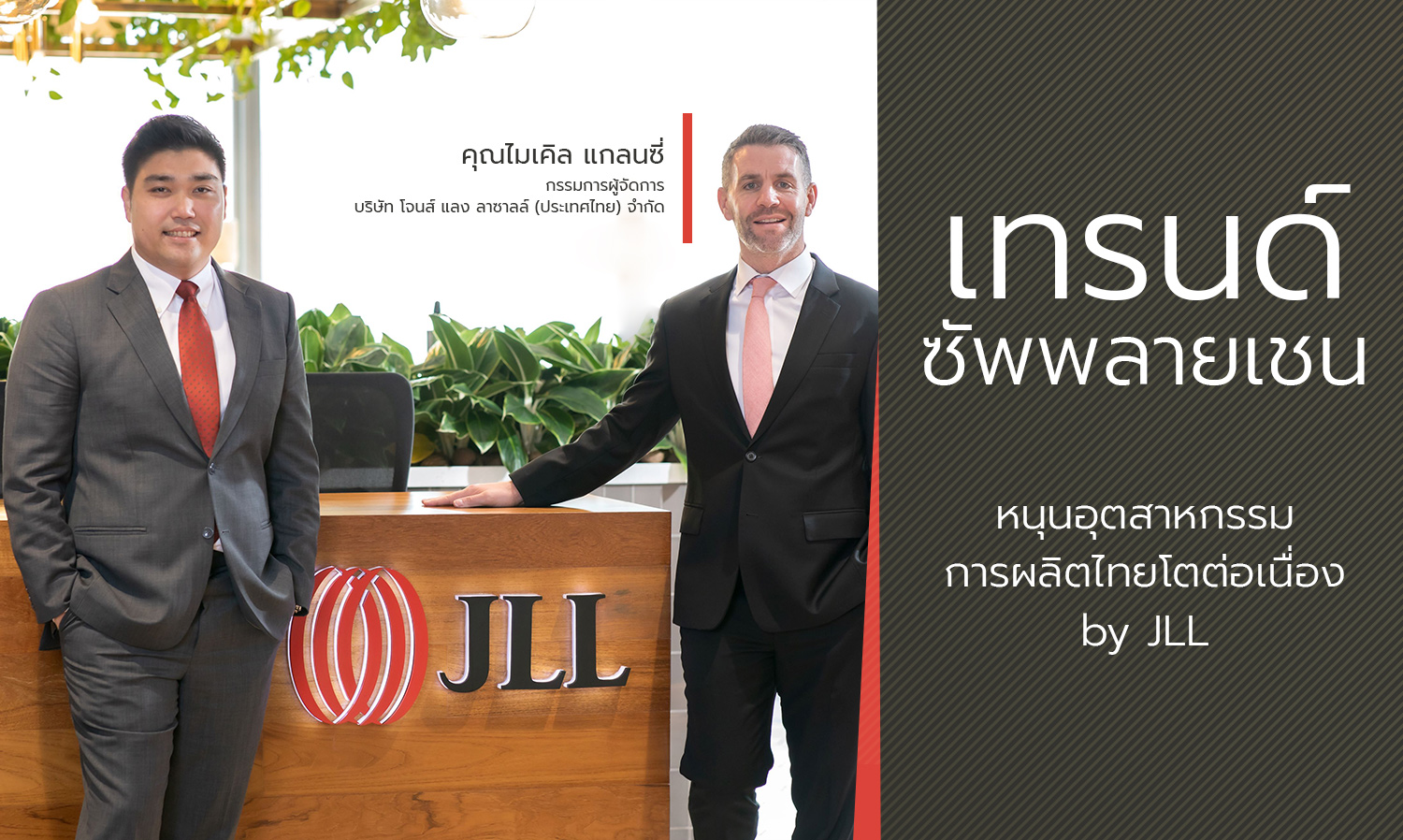
“Thailand has become a key investment destination for supply chain reform from China, with a significant influx of investments in various core industries, particularly in the electrical and electronics sectors, as well as in electric vehicle businesses. This trend has continued since 2023, which saw Thailand achieve the highest industrial land sales in 17 years,” said Michael Glancy, Managing Director of Jones Lang LaSalle (Thailand) Limited (JLL).

Mr. Michael Glancy also emphasized the importance of government policies and various incentives to attract foreign direct investment into new industries (S-Curve) as targeted by the government. Thailand's proactive measures, combined with a conducive business environment and skilled labor, will play a crucial role in maintaining strong investment trends throughout 2024.
“As Thailand's manufacturing sector continues to attract increasing interest, we have been contacted by numerous leading global investors and manufacturers. Thailand is considered an excellent location for establishing manufacturing bases due to several factors, including its strategic geographical position, developed infrastructure and utilities, and skilled labor. JLL is committed to providing clients with comprehensive market research data to facilitate informed decisions on suitable locations and land for establishing manufacturing bases. Our goal is to provide investors with a deep understanding so that they can seamlessly integrate their manufacturing bases in Thailand into their value chains and maximize benefits from the emerging growth trend in Thailand's manufacturing industry,” said Krit Pimthayawut, Head of Capital Markets for Thailand at Jones Lang LaSalle (Thailand) Limited (JLL).
“Diversifying risks within the supply chain is a standard procedure for companies involved in manufacturing within this region's large economy. We see that Southeast Asia and India have the potential to become strong manufacturing complements to what currently exists in China. Companies are responding rapidly to these supply chain changes, and they need to adopt flexible thinking in selecting factory locations and funding options,” said Michael Ignatiadis, Head of Manufacturing Industry Strategy for the Asia-Pacific region at JLL.
The momentum behind this trend is not only driven by the need to diversify supply chains but also by the region's strong economic fundamentals, including a large population and labor force, favorable costs, and various investment incentives. From a manufacturing investment perspective, these factors will promote Southeast Asia and India as important global manufacturing hubs.
Several sources also indicate that rising costs in China over the past decade have become a major driver of this shift towards diversifying manufacturing bases. The increasing demand for industrial land, coupled with rising wages and material costs, has led to higher land prices in China, which can be up to twice as high compared to some countries in Southeast Asia and India.
JLL estimates that China still holds a significant share of foreign direct investment (FDI) in this region, but this gap is narrowing. Additionally, factors such as skilled labor, infrastructure, environmental regulations, proximity to suppliers and customers, and political stability are all critical for the sustainable long-term success of manufacturing plants. JLL encourages companies to carefully evaluate these factors, which may not be directly reflected in cost terms, as they are crucial for making effective decisions on manufacturing base selection and laying a solid foundation for future company growth.