Government Accelerates Reduction of Electricity and Fuel Costs to Support Tourism Recovery and Drive GDP Growth to Reach 3%
Dr. Prasert Sinsootprasert, Permanent Secretary of the Ministry of Energy stated that the global oil price situation remains volatile due to geopolitical tensions, the extension of oil production cuts by Saudi Arabia and Russia until the end of the year, and the global economic slowdown resulting from the tight monetary policies of the Fed and several other central banks worldwide. This has impacted the investment climate, economic conditions, and energy costs globally. Thailand has also felt the effects, with electricity prices, a significant cost factor, rising in line with the fluctuations in electricity production costs driven by higher LNG prices in the global market. The government is making efforts to ensure that electricity prices remain reasonable and do not overly burden citizens and businesses with increased costs.
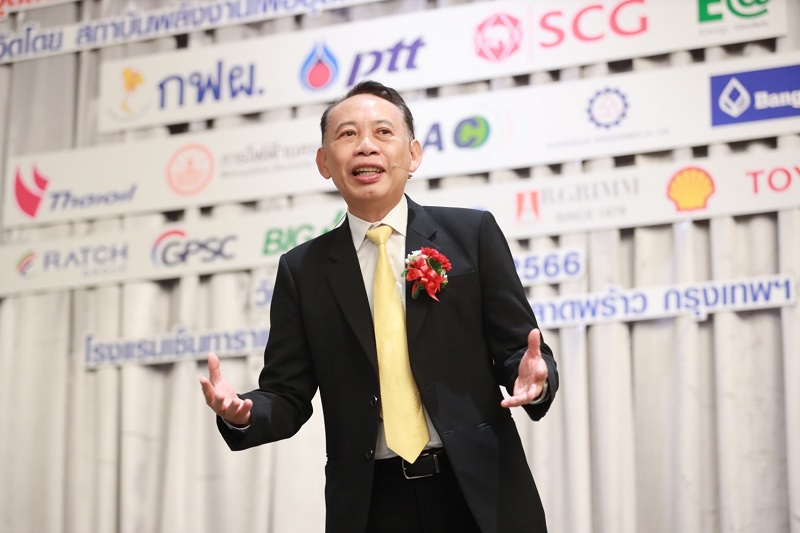
All sectors must continuously adapt to changes, especially in energy innovation and technology that promote efficient energy use or environmentally friendly energy production, as well as addressing global warming, which has become a critical issue worldwide.
As an energy-importing country, Thailand needs to plan and adapt significantly. In the first half of 2023, the trend of primary energy consumption increased by 2.5% compared to the same period last year. In the second half of the year, as the economy begins to recover following the establishment of a stable government that drives economic and energy policies from various angles, it is expected that the economy will grow by 2.5% to 3% by the end of the year. Key supporting factors include the recovery of the tourism sector, the expansion of private consumption, and the continuous growth of both private and public investments, which will also lead to higher energy consumption trends.
Therefore, the government is accelerating measures to assist and promote both short-term and long-term strategies. In the short term, there will be a reduction in electricity, fuel, and gas prices to appropriate levels, alongside long-term promotion through the National Energy Plan (NEP) aligned with the goal of achieving carbon neutrality by 2050 and net-zero greenhouse gas emissions by 2065. The following are key directions for the country's energy policies:
Electricity: Focus on increasing the share of renewable and clean energy from new power plants, with a target of at least 50% for renewable energy. Promote the use of electric vehicles, develop and modernize the electricity grid to support decentralized power generation and increased self-production and consumption (prosumer), and aim to unlock regulations on electricity trading to facilitate self-production and consumption.
Natural Gas: As a clean fuel essential for electricity production, the focus will be on liberalization and procurement to ensure energy security for the country. The Ministry of Energy will need to plan for a balance between domestic supply and LNG imports, aiming to become an LNG trading hub.
Oil: Remains the primary fuel for the country but will be impacted by the growing use of electric vehicles. Therefore, there will be a need to adjust energy plans for the transportation sector and consider managing the transition to balance between biofuel users and electric vehicles.
Renewable Energy and Energy Conservation: There will be an increase in the promotion of renewable energy production and usage across all sectors, as well as a stronger emphasis on improving energy efficiency from all sectors.
The industrial sector is a crucial component driving the country's economy, both in terms of added value and employment. The government places great importance on promoting the industrial sector's ability to adapt and enhance its capabilities amid the energy crisis and the rapidly changing global landscape.
The challenges faced by the Thai industry due to economic volatility and energy technology in the context of global warming will encourage industrial operators and energy stakeholders to prioritize collaborative development in the industrial sector and apply innovations and technologies to enhance production efficiency while also developing organizations to cope with global warming and increase sustainable competitiveness, leading to excellence at both regional and global levels.