Joint Private Sector Committee Concerned About High Inflation Impacting Economic Recovery - Calls on Private Sector to Help Stabilize Consumer Goods Prices
The Joint Private Sector Committee (JPSC) maintains its forecast for Thailand's economy in 2022 to grow between 3.0% and 4.5%. Meanwhile, the export forecast for 2022 is expected to expand between 3.0% and 5.0%. However, there are concerns about high inflation affecting economic recovery, and the committee requests cooperation from the private sector to help stabilize consumer goods prices.
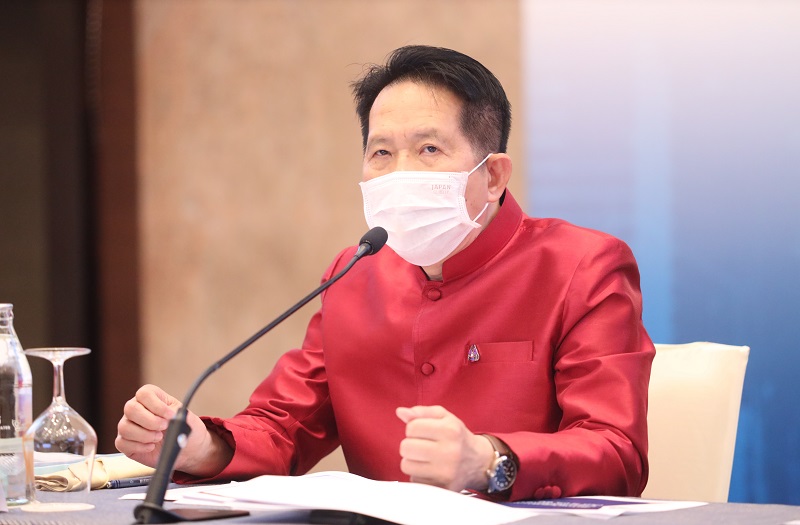
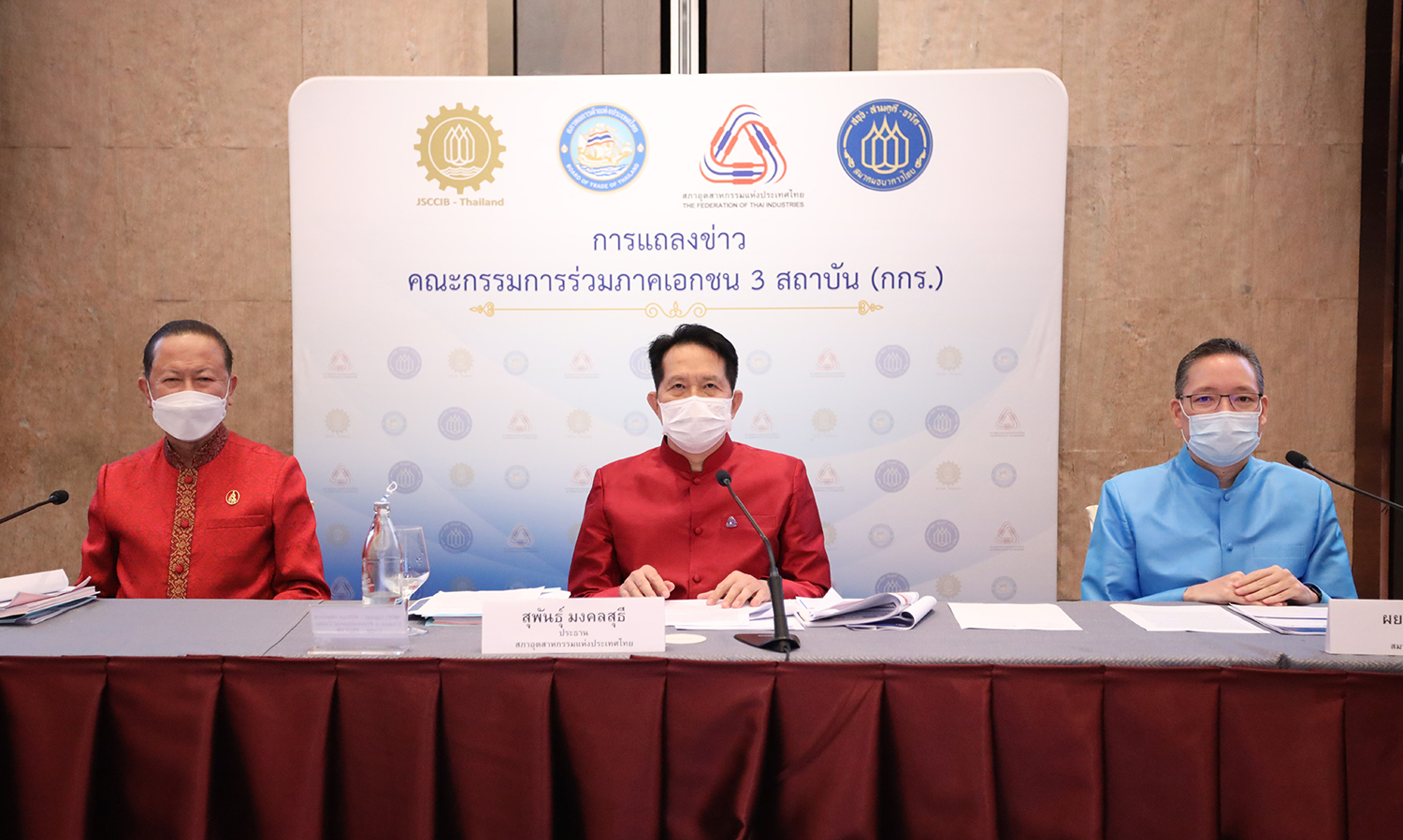
The February 2022 meeting of the Joint Private Sector Committee (JPSC) was chaired by Mr. Suphan Mongkolsuthee, President of the Federation of Thai Industries, with co-chairs Mr. Sanan Angubolkul, Chairman of the Thai Chamber of Commerce, and Mr. Payong Srivanich, President of the Thai Bankers' Association.
The JPSC maintains its forecast for Thailand's economy in 2022 to grow between 3.0% and 4.5%. The export forecast for 2022 is expected to expand between 3.0% and 5.0%. In 2022, Thailand's economy still has the potential to grow as it has managed the outbreak of the new variant of the virus (Omicron) effectively without the need for a lockdown.
Although economic activities have slowed down somewhat, most can continue as usual. Therefore, the Thai export sector still has opportunities to grow as expected if the impact of the outbreak on the supply chain of the manufacturing sector can be mitigated.
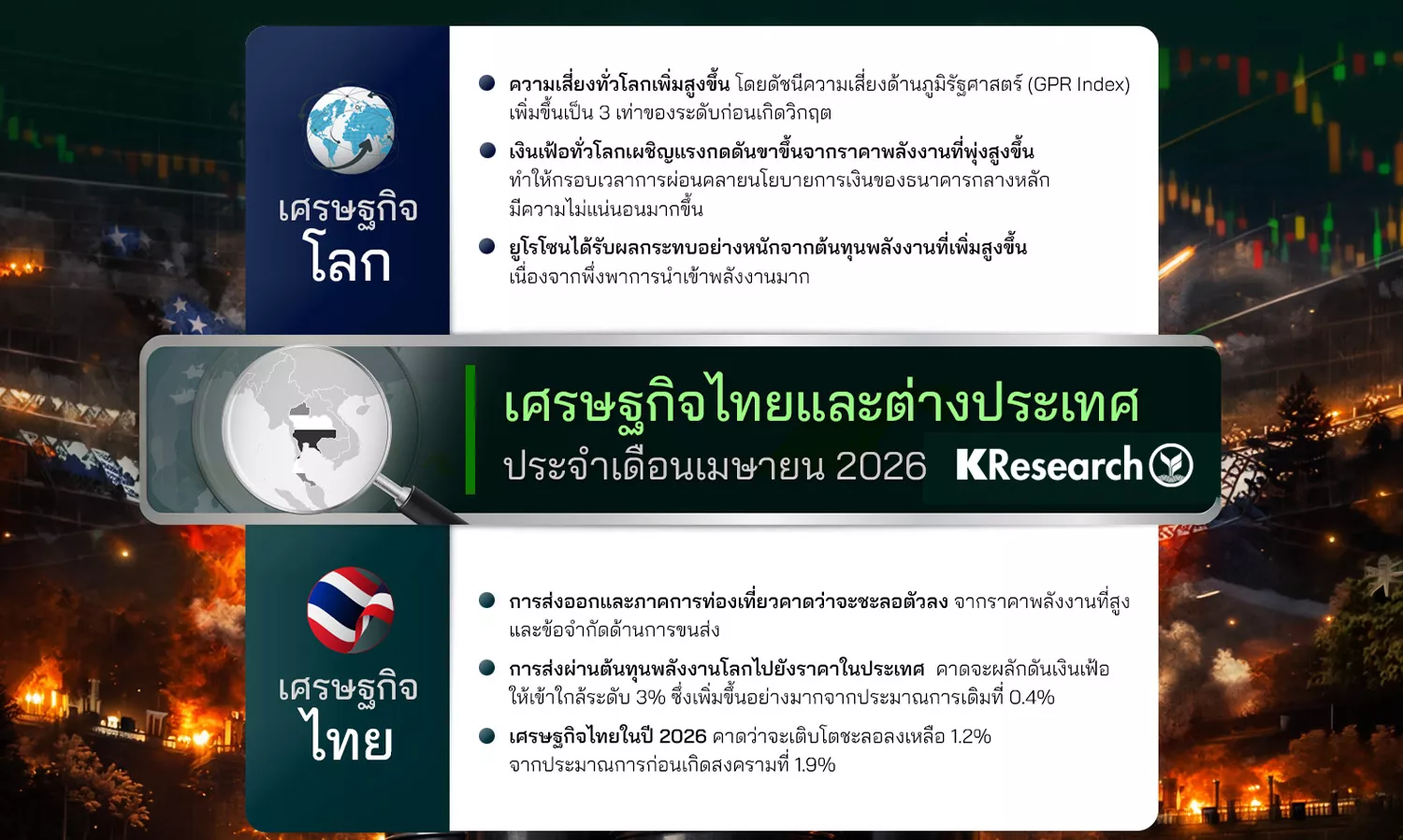
However, attention must be paid to the political tensions between Russia and Ukraine, which could negatively impact the global and Thai economies in various dimensions if the situation escalates, leading the United States, the United Kingdom, and the European Union to impose economic sanctions on Russia. This would pressure global trade, including trade between Thailand and Russia. Additionally, if Russia retaliates by reducing oil and natural gas production, it would further tighten oil and gas supply, impacting inflation rates since Russia is the second-largest producer of crude oil and natural gas in the world. High crude oil prices could also lead to increases in the prices of other commodities, especially steel and aluminum. In a worst-case scenario, Brent crude oil prices in the first quarter of 2022 could soar above $100 per barrel. However, the situation must be monitored as it may have additional impacts, particularly on tourism.
In the financial sector, if inflation rates rise significantly, it could impact economic recovery due to rising global crude oil prices and rapidly increasing raw material prices, leading to a substantial rise in the prices of goods and services overall, which begins to affect the cost of living and purchasing power of the public. The JPSC estimates that the inflation rate for the entire year is likely to rise within the range of 1.5-2.5%, especially in the first half of the year, where the general inflation rate may accelerate to around 3%, which could result in lower-than-expected economic growth for Thailand.
However, given the current situation of rising consumer goods prices, particularly in fresh food and energy, which are gradually increasing, this significantly impacts the public's cost of living and may lead to concerns about household purchasing power, causing a slowdown in consumption. Additionally, the public is cautious about spending, purchasing only essential items, which will be reflected in economic activities that may recover more slowly than anticipated, as discussed in the meeting.
The JPSC has the following proposals:
1) Requesting cooperation from the private sector to stabilize prices by asking operators to manage their stock of goods and raw materials to delay price increases, helping to alleviate the public's cost of living in the current situation.
2) Requesting the government to continue stabilizing fuel and cooking gas prices domestically by keeping diesel prices below 30 baht per liter to help ease production and transportation costs for operators.
3) Requesting the government to facilitate travel into the country by adjusting the Test & Go measures to reduce the number of RT-PCR tests to just on the day of arrival in Thailand and allowing the use of ATK test results submitted through the system five days after entering the country instead of RT-PCR tests, to promote the tourism atmosphere to return once again.