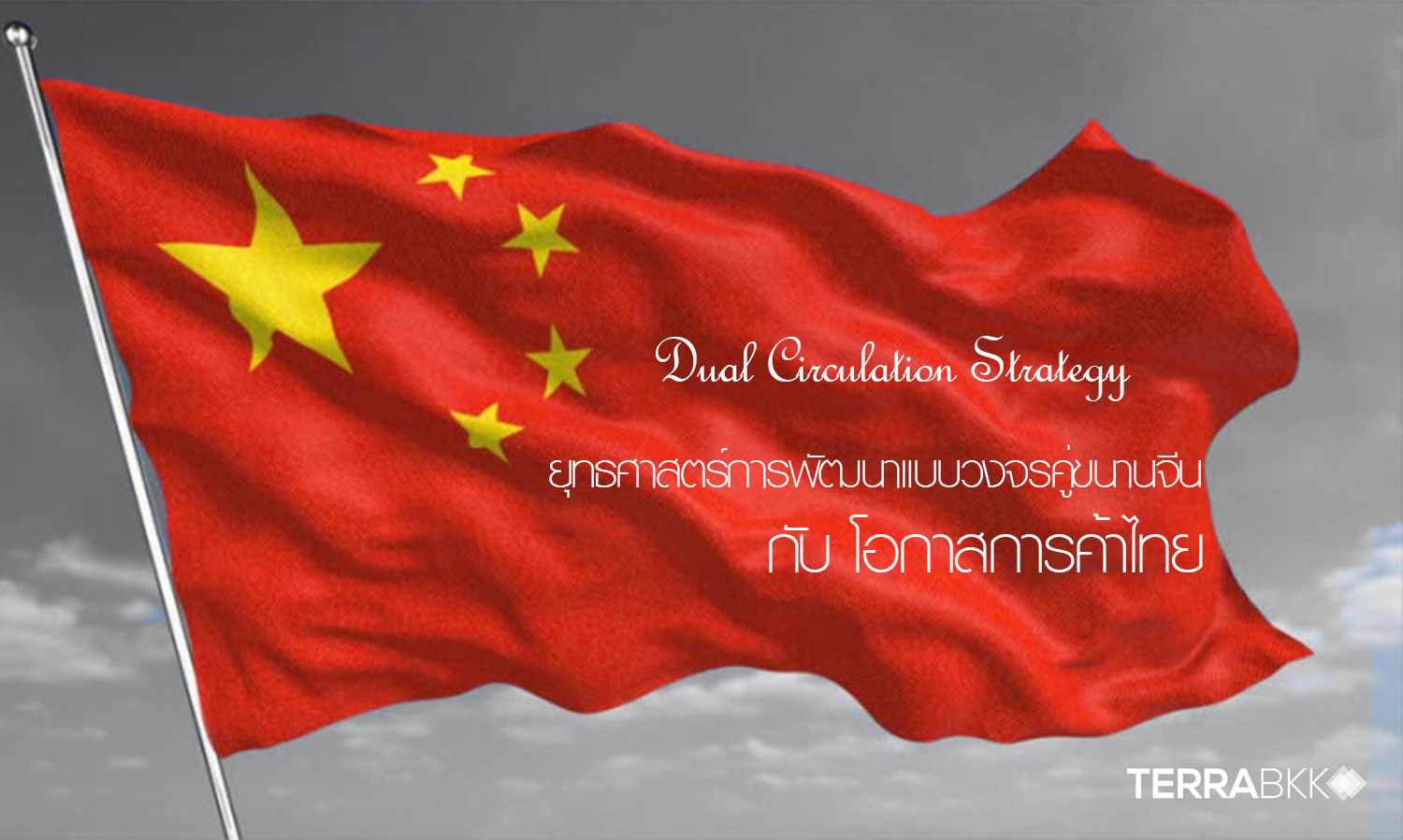
China Adjusts National Strategy for 5 Years Towards Parallel Development and Trade Opportunities with Thailand
As China announces the Dual Circulation Strategy as a key policy in its 14th Five-Year Plan (2021 - 2025)<\/span><\/strong> (expected to be released in March 2021)<\/p>
The long-term goal is to create economic balance within the country, as China recognizes the risks of relying on the international economy for growth. The US-China trade war and geopolitical conflicts have led many countries to reduce their dependence on supply chains from China, resulting in increased limitations for China in accessing various markets.<\/span><\/p>
Therefore, the Dual Circulation Strategy is a framework that China is adopting to reduce reliance on the international economy, focusing on expanding the domestic market rather than primarily producing for export, while also decreasing dependence on imports and increasing self-production.<\/span><\/strong><\/p>
With a population of over 1.4 billion, domestic consumption can serve as a crucial mechanism for driving the economy towards sustainable growth for China.<\/p>
According to an analysis by the Economist Intelligence Unit (EIU), there are three industries in China that are highly vulnerable due to reliance on imports and are likely to reduce this dependence: the technology industry, the energy industry, and the food industry.<\/strong><\/span><\/p>
China imported integrated circuits worth over $300 billion in 2019.<\/strong><\/span><\/p>
In the technology industry<\/strong>, key products that China aims to become self-reliant on include semiconductors and integrated circuits (ICs), which are essential components in the production of electronic devices and are the most imported goods. Data shows that in 2019, China imported ICs worth over $300 billion, accounting for approximately 15% of its total imports.<\/p>
This has led the Chinese government to promote research and development policies for IC products, but it remains challenging to keep pace with competitors such as Taiwan, South Korea, and the United States, which have more expertise in complex design and manufacturing, including products used for 5G and 6G devices. If China aims to advance its production quickly, it may do so through mergers and acquisitions (M&A).<\/p>
However, China's investments, especially in technology businesses, are often scrutinized by host countries. Besides ICs, it is expected that China will increasingly utilize its own software and information services to enhance data security.<\/span> <\/p>
<\/p>
<\/p>
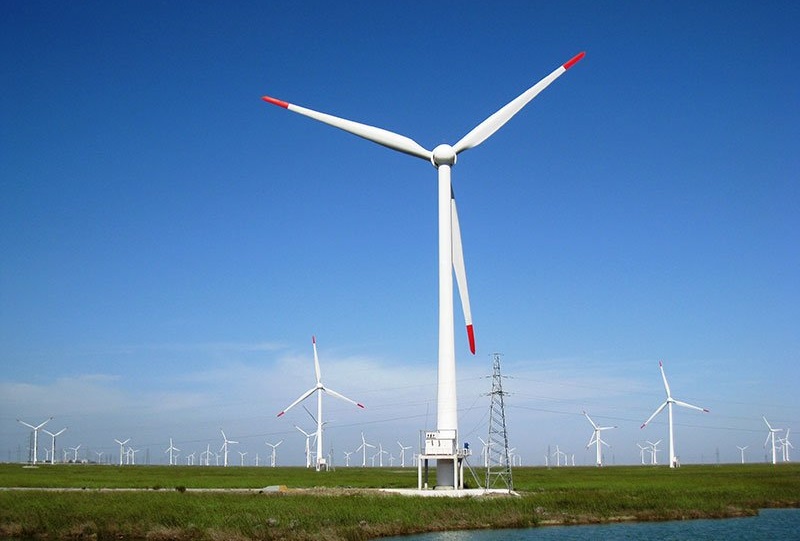
China is shifting to renewable energy to reduce oil and gas imports.<\/strong><\/span><\/p>
In the energy industry<\/strong>, China has been a major global energy importer. In 2019, China imported crude oil worth $240 billion and gas worth over $50 billion, accounting for 85% and 40% of its imports, respectively.<\/p>
Most of the oil is imported from Saudi Arabia and Russia, while gas is imported from Turkmenistan. However, there are risks of transportation disruptions due to geopolitical tensions in the South China Sea.<\/p>
Therefore, China aims to produce energy domestically using renewable sources. Currently, renewable energy accounts for about 20% of China's energy consumption, with a focus on wind and nuclear energy. In the future, it is expected that China will increase investments in offshore wind energy and utilize domestic technology in renewable energy more extensively.<\/span><\/p>
<\/p>
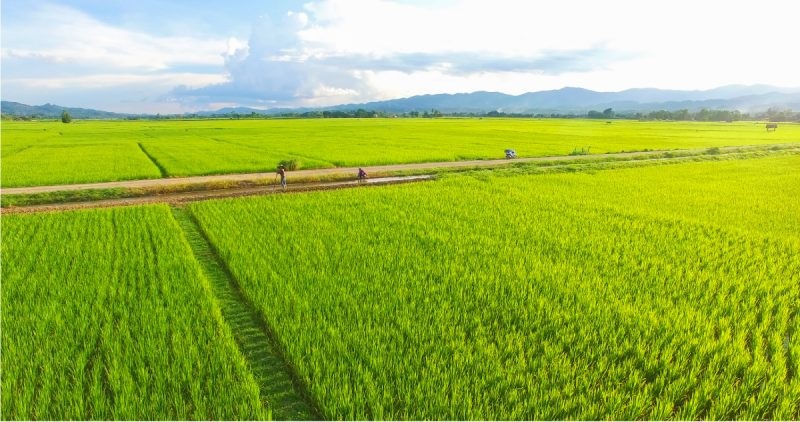
It is expected that in the next 4 years, China will face a shortage of rice, wheat, and corn totaling 25 million tons.<\/strong><\/span><\/p>
The food industry<\/strong> is the most concerning, as it has faced multiple impacts leading to supply chain disruptions. With China transitioning to an urban and aging society, there is a labor shortage in rural areas.<\/p>
Currently, China relies solely on imports of soybeans from Brazil and the United States.<\/span> However, according to the Chinese Academy of Social Sciences (CASS), it is projected that by 2025, China will face a shortage of wheat, corn, and rice totaling 25 million tons, which will impact prices and social stability.<\/span><\/strong><\/p>
Although China has attempted to adopt modern technology to increase productivity, it still faces challenges related to rural land reform, necessitating continued reliance on imports of agricultural products in the rice, wheat, and corn categories for consumption.<\/p>
<\/p>
Trade Opportunities for Thailand Under China's Dual Circulation Development Strategy<\/strong><\/span><\/p>
<\/strong> The adjustment of the key policy in the 14th Five-Year Plan (2021 - 2025) towards parallel development utilizes both domestic and international circuits to strengthen China's economic drive, creating stability and security for the country in the future.<\/p>
According to Ms. Pimchanok Wonkohporn, Director of the Trade Policy and Strategy Office (TPSO)<\/span>, this policy may significantly impact trade between China and Thailand, particularly in three industrial groups, which could have both positive and negative effects on exports, such as:<\/p>
Food Industry<\/span> <\/strong> Although China is trying to reduce reliance on imports of staple food products like rice, the anticipated rice shortage in the next four years may present opportunities for other agricultural products such as fresh and frozen fruits, dried fruits, chilled and frozen chicken, frozen shrimp, and processed foods, which are Thai products that can target high-income urban Chinese consumers, including the elderly population seeking quality, safe, and convenient food.<\/p>
In the Technology Industry<\/span><\/strong> it is viewed that if China increases its self-production, it may pose risks to Thai exports in the future<\/span>, as in 2019, China imported ICs from Thailand worth $3.874 billion, making it one of the highest imported product categories from Thailand.<\/p>
And in the Energy Industry<\/span><\/strong> China's shift towards renewable energy means it needs to import jet turbines and turbine components more than other types of turbines, with a continuous upward trend in imports. In 2019, China imported jet turbines and turbine components worth $3.466 billion and $3.634 billion, respectively, primarily from developed countries.<\/p>
From the trends, it is evident that products in the jet turbine and turbine component categories are in demand in both global and Chinese markets. Therefore, Thailand must accelerate its production capabilities by promoting investment and research and development of innovations to align products with global market demands.<\/span><\/strong><\/p>
<\/p> 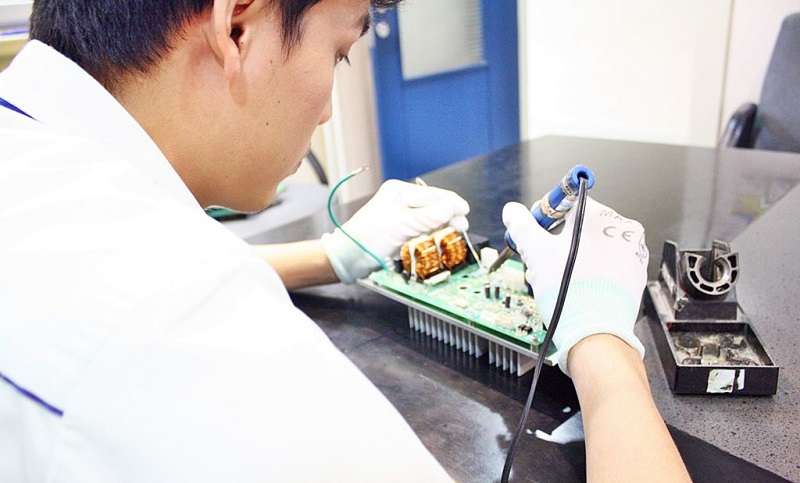 <\/strong><\/span><\/p>
 <\/p>
<\/p>
 <\/p>
<\/p>