Commerce Ministry Predicts 2024 Inflation Average at 0.7%, Monitoring Tourism and Regional Conflicts Impacting Inflation
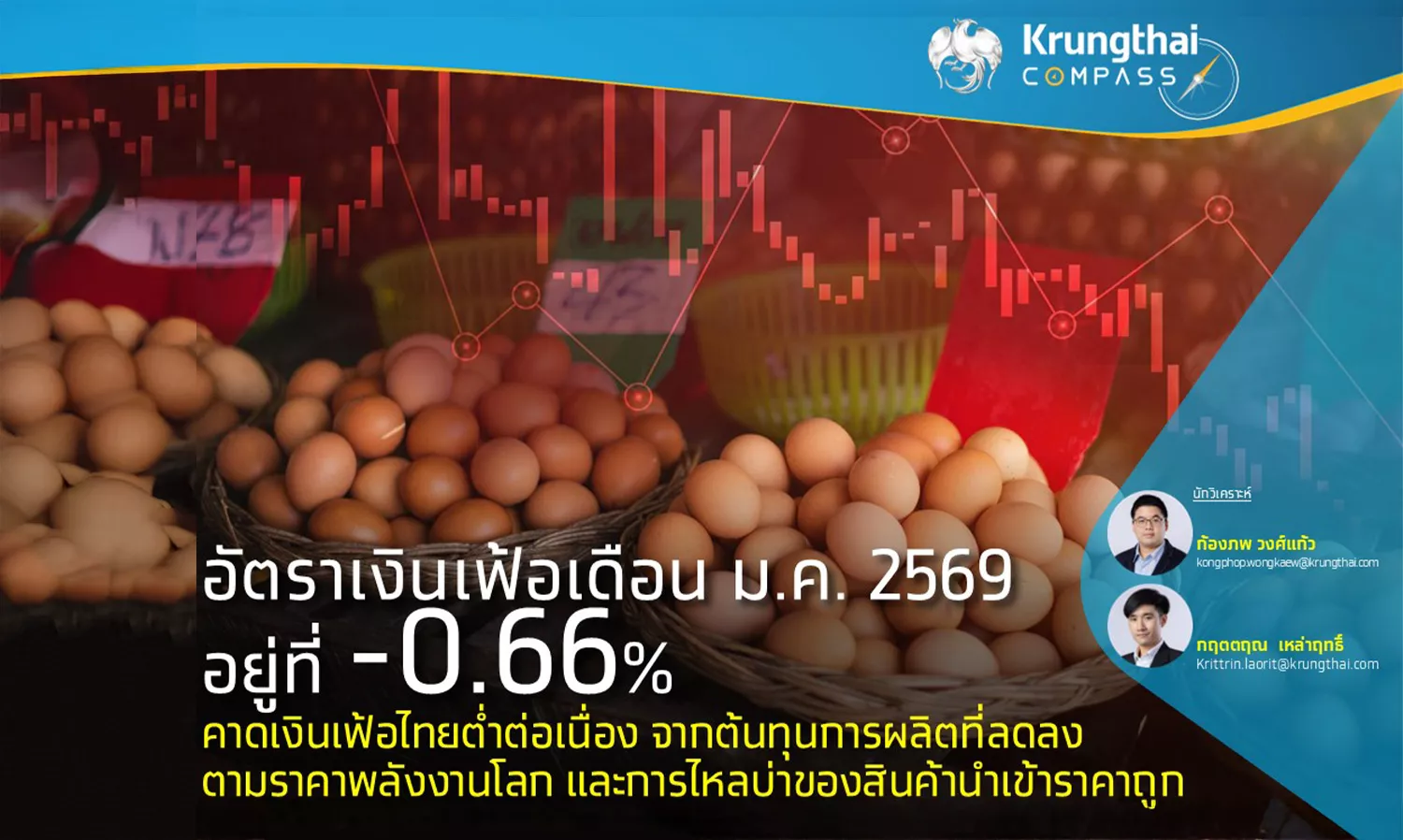
The Office of Trade Policy and Strategy has revealed the latest data for November 2023, showing that Thailand's inflation rate compared to other countries has decreased by 0.44%, placing it among the countries with low inflation, ranking fifth out of 135 economic zones that have reported figures, and remaining the lowest in ASEAN among the seven countries that have released data (Laos, Philippines, Singapore, Vietnam, Indonesia, Malaysia). This trend aligns with many countries worldwide where inflation is showing signs of slowing down.
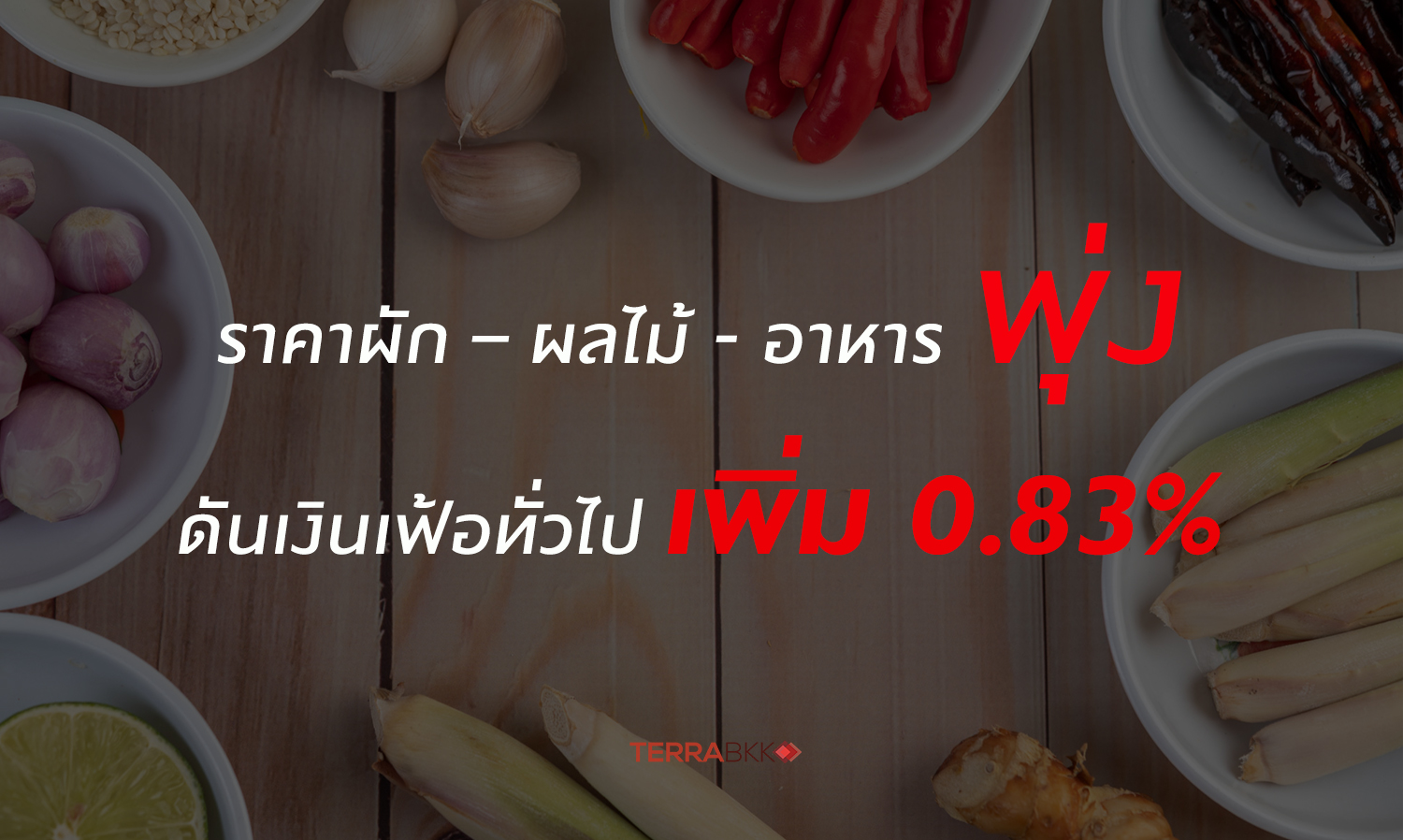
Mr. Phunpong Nainapakhorn, Director of the Office of Trade Policy and Strategy stated that the Consumer Price Index (CPI) for Thailand in December 2023 stands at 106.96 compared to 107.86 in December 2022, resulting in a general inflation rate decrease of 0.83% (YoY), marking the third consecutive month of decline. The primary factors contributing to this decline include a drop in energy prices, such as fuel and electricity costs, in line with government policies aimed at reducing the cost of living related to energy, as well as a continuous decrease in the prices of meat and cooking ingredients. Additionally, fresh vegetable prices have significantly decreased. For other goods and services, prices are moving in a normal direction, while core inflation, excluding fresh food and energy, has risen by 0.58% (YoY).
The general inflation rate this month, which decreased by 0.83% (YoY), reflects the price movements of goods and services as follows:
Other categories excluding food and beverages decreased by 1.00%, following a reduction in housing-related prices, including electricity costs and cleaning products (detergents, dishwashing liquids, fabric softeners). The transportation and communication category saw a decrease due to lower prices for diesel, gasohol 91, and electric train fares. Additionally, prices for electrical appliances (televisions, washing machines, refrigerators) and some personal expenses (sanitary products, body soap, skincare products) have also decreased. Meanwhile, some items saw slight price increases, such as body powder, deodorants, pet food, offerings for monks, cigarettes, alcohol, and beer, while the clothing and footwear category's average price index remained unchanged.
The food and non-alcoholic beverage category decreased by 0.63%, driven by lower prices for meat products, ducks, chickens, and seafood (pork, fresh chicken, beef, mackerel, white shrimp, seabass), fresh vegetables (spring onions, eggplants, water spinach), and cooking ingredients (vegetable oil, seasonings, oyster sauce). Items that saw slight price increases include jasmine rice, sticky rice, baked goods, soy milk, yogurt, fresh fruits (durian, sweet oranges, bananas), as well as instant coffee, coffee/tea (hot/cold), ready-to-eat meals, noodles, and lunch (rice with curry).
The Consumer Price Index for December 2023 compared to November 2023 decreased by 0.46% (MoM)
with the food and non-alcoholic beverage category decreasing by 0.51%, following a drop in prices for rice, flour, and flour products (sticky rice, jasmine rice), eggs, and dairy products (chicken eggs, yogurt, soy milk), fresh vegetables and fruits (kale, spring onions, coriander, sweet oranges, ripe papayas, bananas). Items that saw price increases include pork, fresh chicken, chili sauce, dietary supplements, bottled water, coffee/tea (hot/cold), ready-to-eat meals, snacks, and lunch (rice with curry), while other categories excluding food and beverages decreased by 0.44% due to falling fuel prices across almost all types, including gasoline, gasohol, and diesel (except for liquefied petroleum gas (LPG), which remained unchanged).
Additionally, toll fees, men's shirts, and personal items (toilet paper, toothpaste, skincare products) have decreased in price. Items that saw slight price increases include fabric softeners, floor cleaning products, detergents, shampoos, domestic and international travel expenses, and alcohol.
The average inflation rate for the entire year of 2023 increased slightly by 1.23% (AoA) and is close to the rate projected by the Ministry of Commerce, which anticipates growth in the range of 1.0% – 1.7% (with a midpoint of 1.35%).
This is primarily due to rising prices for fresh food items, including rice, chicken eggs, vegetables, and fruits, stemming from high production costs compared to 2022, and some vegetables facing unfavorable weather conditions for cultivation. Additionally, domestic demand has improved, supported by expanding tourism and exports, contributing to higher prices for fresh food items. Furthermore, ready-to-eat food prices have slightly increased in line with raw material costs, along with electricity costs remaining higher than in 2022. However, many essential items have seen price reductions, such as pork and vegetable oil, due to increased supply, and fuel prices have been influenced by government measures and global oil market conditions.
The general inflation trend for 2024 is expected to remain low, with the general inflation rate in January likely to continue negative for the fourth consecutive month, supported by key factors:
1) Measures to freeze diesel prices and electricity costs for households using less than 300 units.
2) Global oil prices are expected to decline, which will support a reduction in domestic gasoline retail prices.
3) The impact of the El Niño phenomenon is expected to decrease.
4) Promotional measures by businesses to accommodate increased consumer spending expected from the Easy E-Receipt initiative.
However, there are still factors that may lead to an increase in inflation, such as tourism affecting the prices of related goods and services, and the need to monitor regional conflict situations worldwide, such as attacks on cargo ships in the Red Sea, which could temporarily raise shipping fees and freight costs, although these impacts are expected to be short-lived.
The Ministry of Commerce forecasts the general inflation rate for 2024 to be between -0.3% and 1.7% (with a midpoint of 0.7%), which aligns with the current economic situation.
The overall consumer confidence index in December 2023 slightly decreased to 54.8 from 55.0 in the previous month, maintaining a confidence level for the 13th consecutive month (since December 2022). The current consumer confidence index remains the same as the previous month, while the future consumer confidence index (for the next three months) has decreased. The overall decline in the consumer confidence index is attributed to 1) the economic recovery not meeting expectations, 2) concerns over income potentially being insufficient to cover living costs and debt burdens, and 3) a decrease in prices for some key agricultural products. However, the New Year festival is expected to positively impact related businesses, along with government measures aimed at reducing living costs, accelerating debt resolution, and increasing the minimum wage nationwide, which will support the consumer confidence index remaining in a state of confidence.