EEC Engineering Network Celebrates 50th Anniversary with Re:build Concept to Transform Old Buildings for a Carbon-Free World
On the occasion of its 50th anniversary, EEC Engineering Network has opened a platform to share over five decades of experience aimed at driving the Thai building sector towards the goal of Thailand Net Zero Carbon 2050.
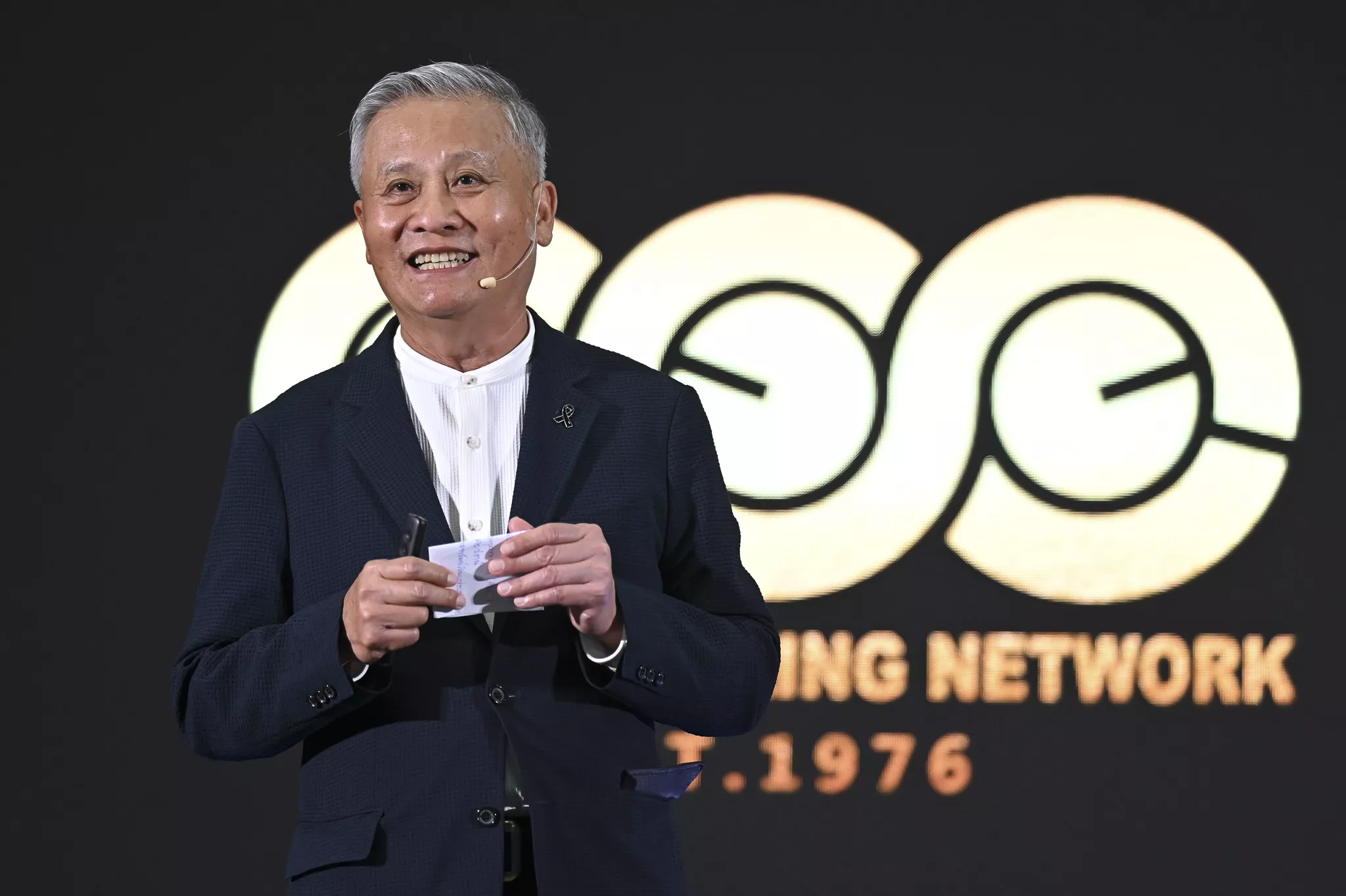
Dr. Kesha Teerakomen, Chairman and Chief of Innovation at EEC Engineering Network Co., Ltd., stated that for over 50 years, EEC Engineering Network has served as a consulting engineer in design and construction for significant projects both domestically and internationally, specializing in Sustainability, Energy Efficiency, Air Quality, and Building Safety, with national-level projects such as One Bangkok, Cloud 11, Nextopia, leading medical and hotel projects, as well as Hyperscale Data Centers.
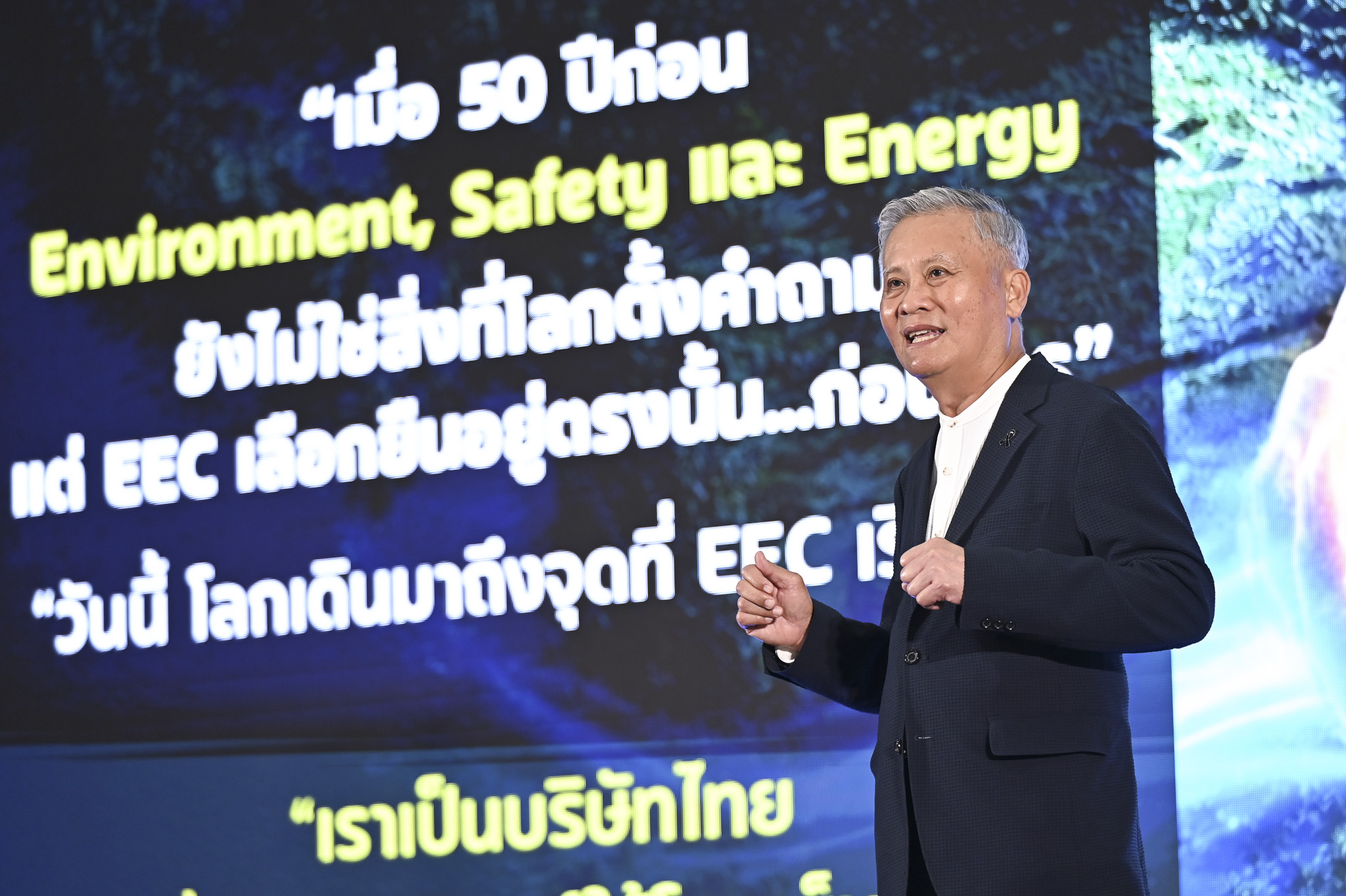
The building and construction sector contributes approximately 37% of global carbon emissions, primarily from the operational phase of buildings. Meanwhile, the demolition and construction of new buildings generate significant embodied carbon from the outset, making the Re:Build concept—upgrading existing buildings—a highly effective alternative that can immediately reduce carbon emissions and is less carbon-intensive than constructing new buildings. Additionally, it can reduce energy consumption by about 20–40%, and in some cases, over 50%. Re:building is particularly suitable in Bangkok, where over 70% of buildings are more than 20 years old, as upgrading existing structures can effectively reduce carbon emissions from both construction and energy use.

Dr. Kesha emphasized that implementing smart building systems, high-efficiency air conditioning, HVAC optimization, and intelligent water management systems not only helps reduce energy use and carbon emissions but also enhances air quality, health, and user experience, positively impacting property value in the long term. At the same time, the trends and requirements for carbon reporting from companies both in Thailand and abroad have made "building carbon" a crucial criterion for leasing, investment, and valuation. Buildings that cannot demonstrate effective energy and carbon management risk losing their competitive edge in the future.
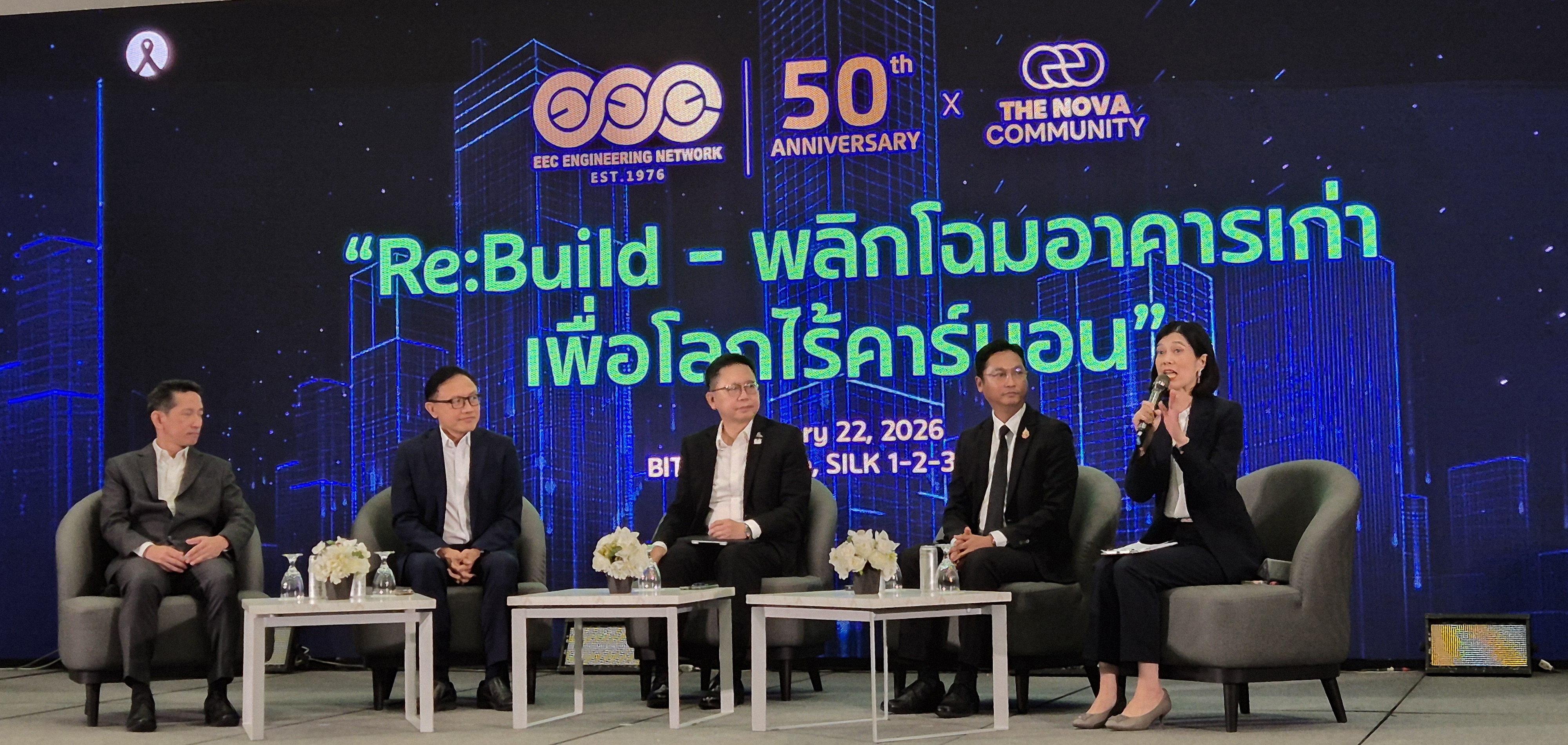
In a panel discussion titled "Transforming the Potential of Old Buildings into Driving Forces Towards Thailand Net-Zero Carbon 2050," which brought together perspectives from the government, experts, and the business sector, the discussion connected policies, technologies, and investments to outline how "Thai buildings" can move forward in a low-carbon economy. Key conclusions included:
- The energy management approach for buildings has been incorporated into the National Energy Plan, with a key goal of reducing energy intensity.
- Tenants are increasingly moving from non-prime office buildings to prime ones, reflecting pressure on older buildings to upgrade in order to compete with the growing number of new buildings.
- Carbon emission reports will be one of the variables considered for Green Loan approvals, necessitating operators to report or collect data on carbon emissions and strategies for reducing them.
- Upgrading old buildings to modern standards and increasing their value is feasible, such as transforming an old hotel into a five-star establishment, which not only increases room rates but also enhances the building's value.
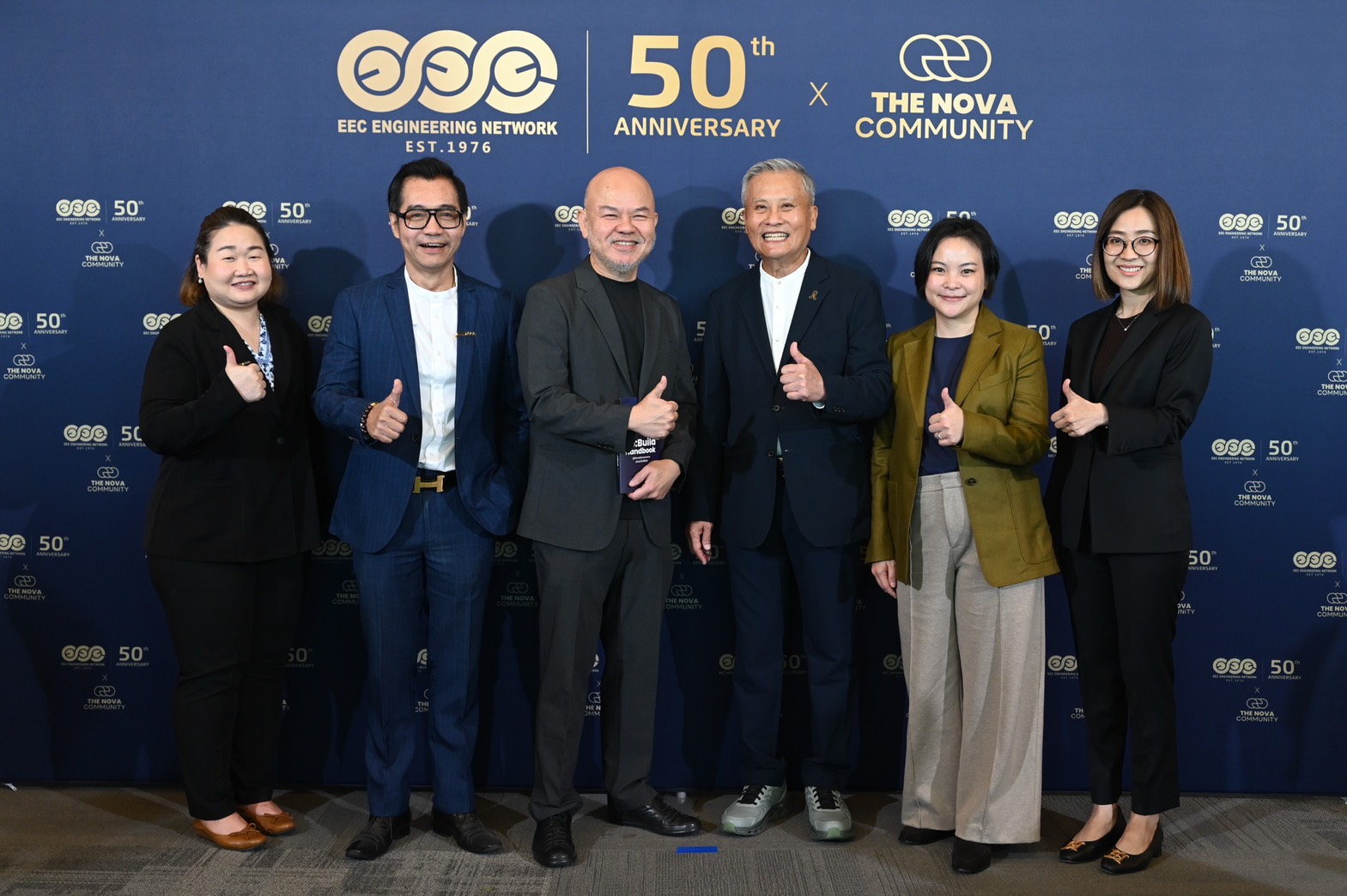
In addition to being a consulting engineer in design and construction, EEC Engineering Network continuously supports the development of Thai personnel through professional association support, knowledge dissemination, and real experience sharing, leading to the organization of The NOVA Expo as a platform showcasing the most comprehensive and modern construction technologies and building upgrades in Thailand.
The NOVA Expo 2026 will take place from June 3–5, 2026, at BITEC Hall 103–104. It is the only event that meets the needs for technology to Re:Build and upgrade buildings effectively and practically.