Samsung Partners with Hyundai Motor Group to Present the Future Lifestyle Connecting Smart Homes with Cars
The connection of Samsung's SmartThings devices with Hyundai's automotive innovations can lead to the development of solutions that meet the future lifestyle needs.
Samsung has announced a partnership with automotive company Hyundai Motor Group to expand the functionality of its SmartThings devices to support vehicles, including electric vehicles (EVs), following the signing of a memorandum of understanding (MOU) on January 3 to develop solutions for a future lifestyle that seamlessly integrates smart homes and cars.
Both companies will collaborate to create the next generation of smart homes by connecting Samsung's SmartThings devices with vehicles from Hyundai and Kia, including electric cars, to develop "Home-to-Car" and "Car-to-Home" services, as well as comprehensive home energy management services.
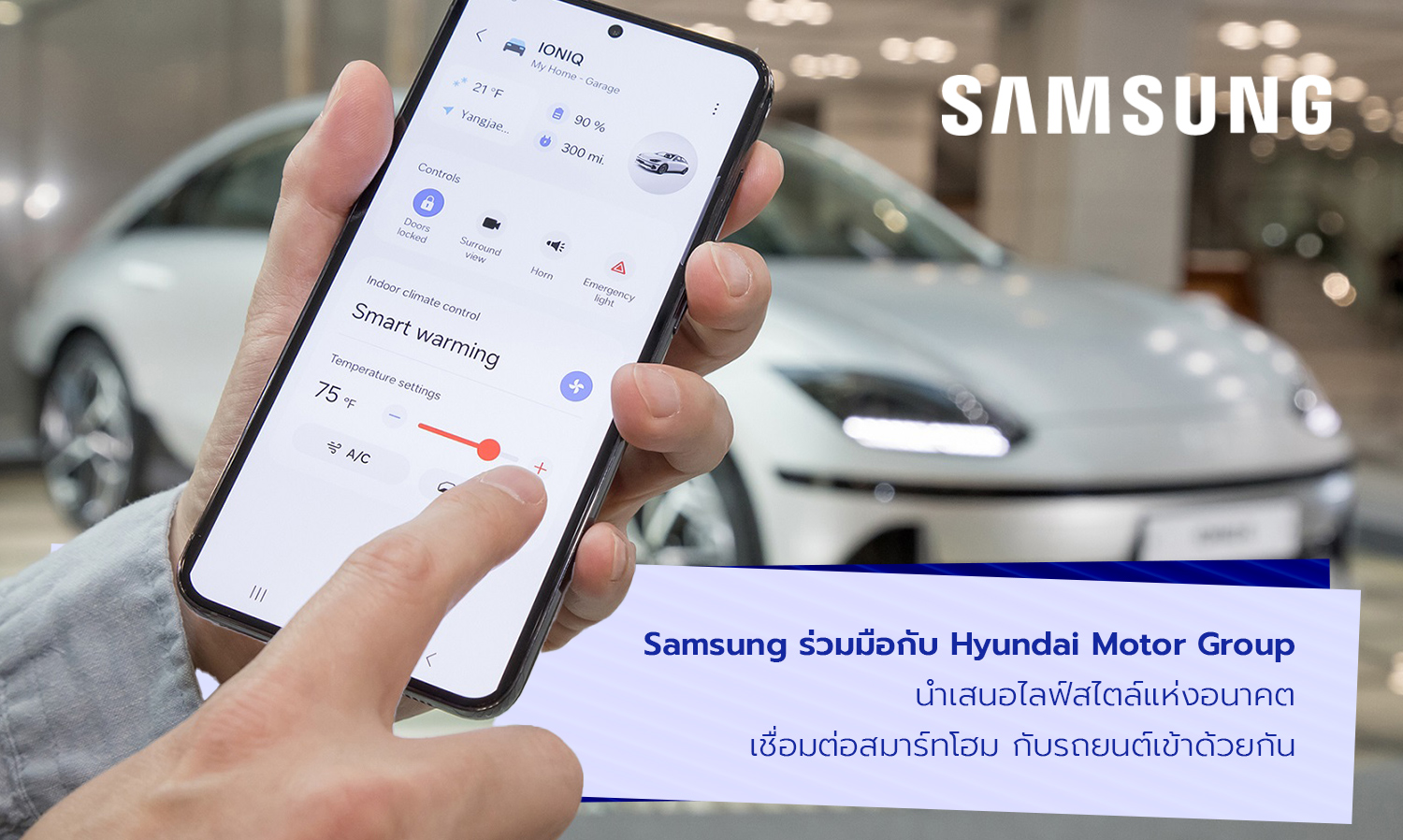
The Home-to-Car and Car-to-Home services will help connect smart homes with in-car infotainment systems, enabling two-way remote control. Users can send commands to their vehicles while parked at home through SmartThings devices, such as starting the car, controlling the air conditioning, opening and closing windows, and checking charging status. Conversely, users can also control home appliances from their cars, including TVs, air conditioners, and EV chargers.
“This collaboration enables communication from home to car and comprehensive home energy management services tailored to future lifestyles,” said Chanwoo Park, Executive Vice President of Samsung. “By connecting the SmartThings platform with vehicles, we can enhance customer experiences both at home and in their cars.”
Users will be able to operate multiple devices, including their cars, simultaneously from morning until they return home, using SmartThings to adjust their daily routines. For example, when the alarm on a Galaxy smartphone goes off in the morning, the curtains will automatically open. Then, the lights and TV will turn on in sequence. When users are ready to leave for work, the car's air conditioning will adjust to a comfortable temperature. Additionally, the smartphone and TV screens will display information such as battery status and remaining driving distance for the electric vehicle.
“This demonstrates how the Car-to-Home and Home-to-Car services, which can connect with SmartThings devices, will enhance convenience in various aspects,” said Haeyoung Kwon, Vice President of the Infotainment Center at Hyundai and Kia. “We are committed to advancing our technology to continuously meet the experiences of Hyundai and Kia customers worldwide.”
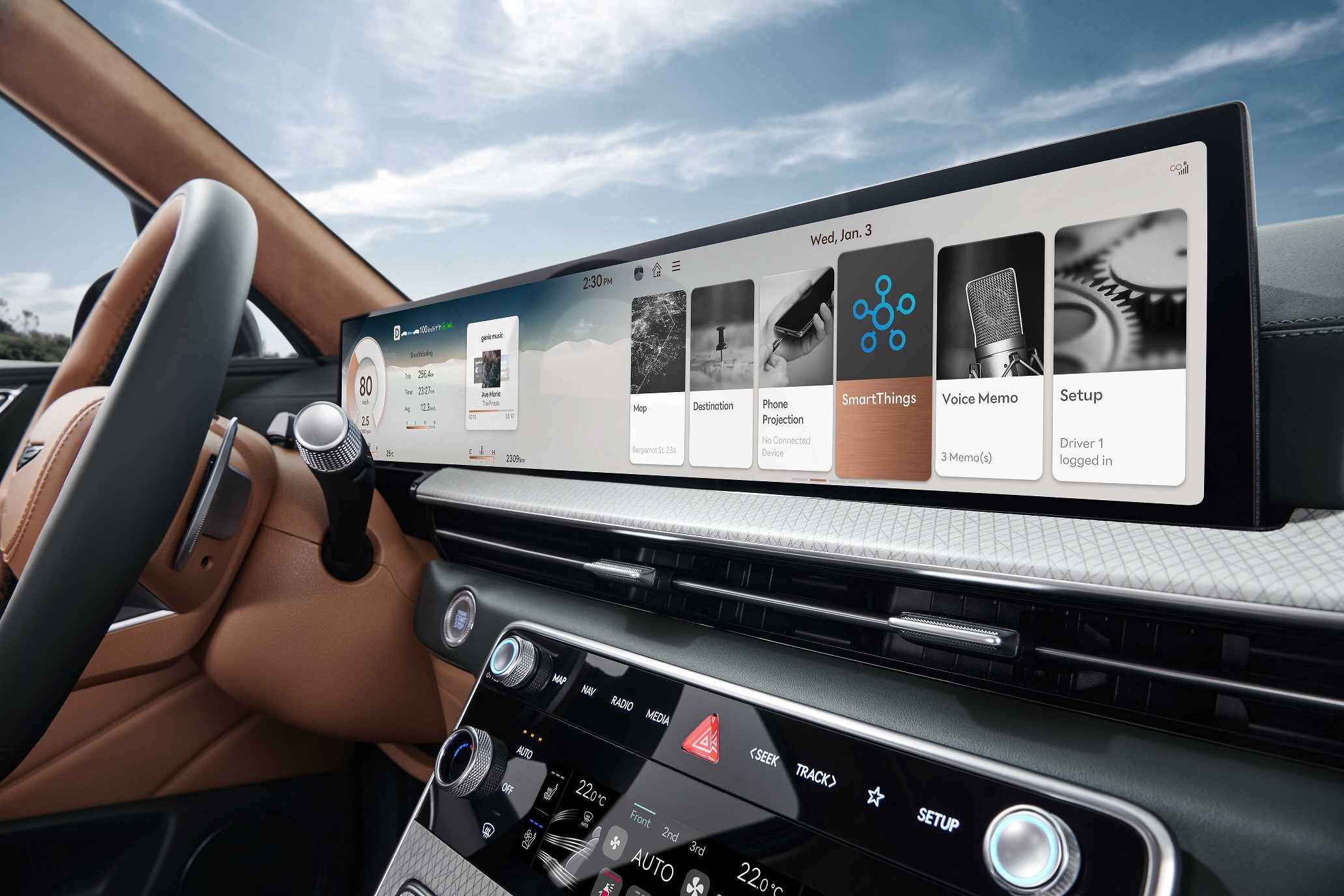
The comprehensive home energy management service will allow users to monitor the energy consumption of their connected home devices, including energy data for electric vehicles and chargers, enabling users to adjust the optimal charging times for their cars. Electric vehicles connected to the comprehensive home energy management service will be able to schedule the most suitable times for automatic charging, with prices varying by day and time, as well as load response programs, photovoltaic systems, energy storage systems, and time-specific carbon emissions.
To strengthen the Car-to-Home service, Samsung is working closely with HARMAN to develop systems like “Ready Upgrade,” which allows for hardware and software upgrades. Users can install this system with SmartThings devices to access various Car-to-Home services.