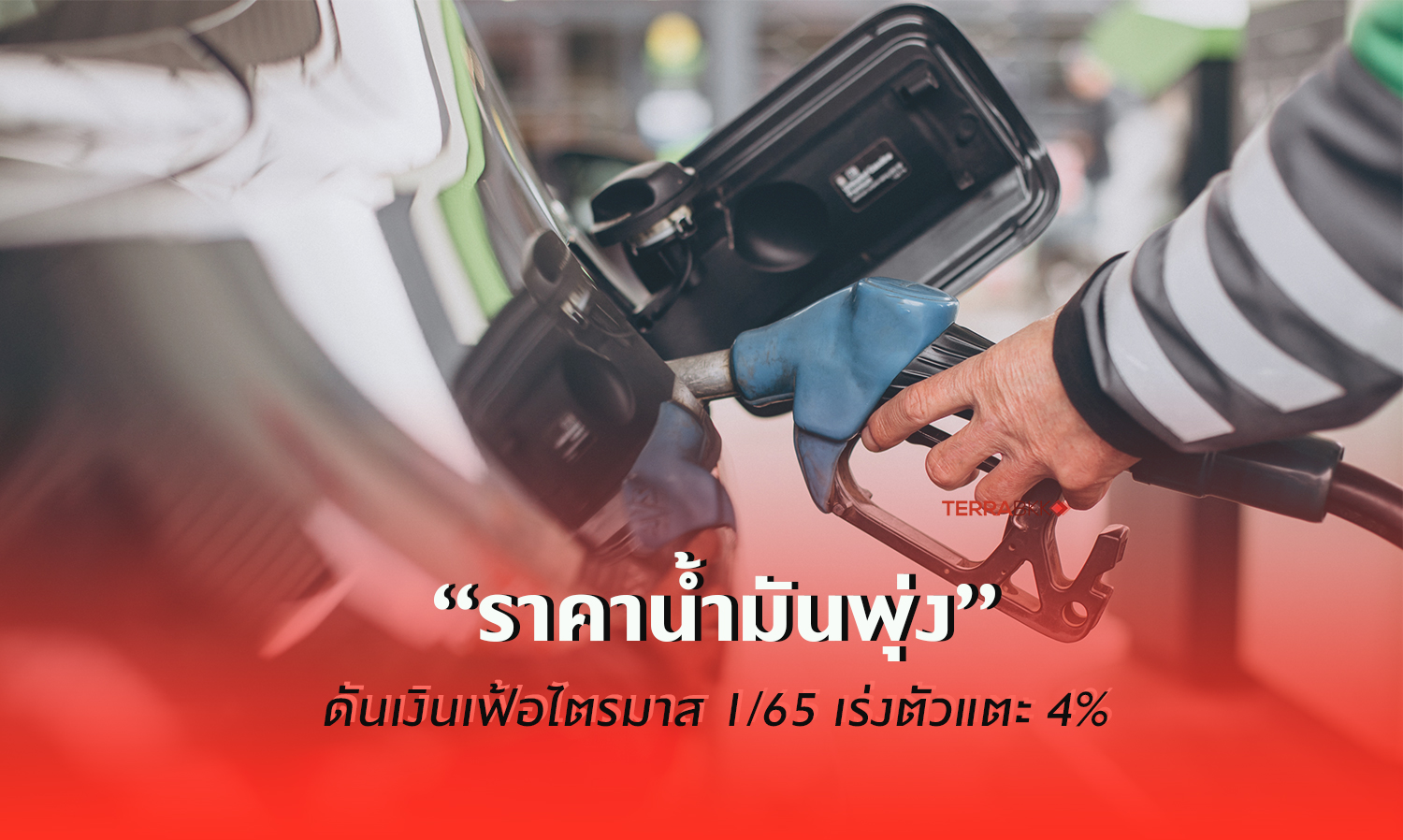
"Rising Oil Prices" Driving Inflation in Q1/2022 to Reach 4%
ttb analytics forecasts that inflation for 2022 will reach 2%, with expectations of inflation accelerating to a peak of 4% in the first quarter before gradually decreasing for the remainder of the year, as various domestic and international price pressures begin to ease.
According to the TTB Economic Analysis Center, or ttb analytics, the pressure from the energy sector, particularly fuel prices, remains a significant factor keeping inflation high in 2022. Although Thailand benefits from the government's price controls on certain fuel types, this is insufficient to alleviate the rapidly increasing price pressures. It is anticipated that after entering the second quarter of 2022, the pressure from energy prices will ease somewhat, but will persist until oil producers can manage to gradually increase production capacity to meet targets in the third quarter.
.jpg)
Meanwhile, the cost of fresh food has increased in line with rising oil and global commodity prices, coupled with the outbreak of swine disease in Thailand, which has reduced pork production and driven up domestic pork prices. It is expected that Thailand may require at least six months to increase pig farming and gradually boost production to meet market demand, resulting in sustained pressure on prices in the fresh food sector until the end of 2022.
As for the pressure on core inflation (inflation excluding fresh food and energy), it is expected to ease in early 2022 due to the rapid spread of the Omicron variant of COVID-19, which does not lead to severe illness. Therefore, it is assessed that this impact will only be felt in the first quarter of 2022, before the domestic economy and core inflation gradually rise again until the end of the year.
.jpg)
Expect Supply Bottlenecks to Normalize by Late 2022
Additional inflationary pressures arise from supply bottlenecks in certain industries, particularly those linked to domestic producers currently facing a new wave of outbreaks, especially in Europe and the U.S. However, it is expected that production bottlenecks and high shipping costs will clearly pressure prices of goods both within and outside the core inflation rate until the third quarter, before easing towards the end of the year.
Shipping costs have been gradually decreasing since late 2021, but it is expected to take a long time to return to normal price levels, around late 2024.
Additionally, high supply-side pressures, combined with the depreciation of the baht since 2021, will result in Thailand's inflation averaging around 2.7% until the end of Q3/2022, peaking in the first quarter and gradually decreasing until the end of the year as various factors ease, with the overall inflation rate for the year averaging 2%.
However, during this period of rapidly rising inflation, citizens must adjust their spending habits accordingly. In terms of government oversight of the economy, in addition to accelerating policies to reduce the cost of living, such as capping fuel prices and providing assistance through the state welfare card to citizens, it may also help manage production levels to meet domestic demand where feasible, to further alleviate inflationary pressures.