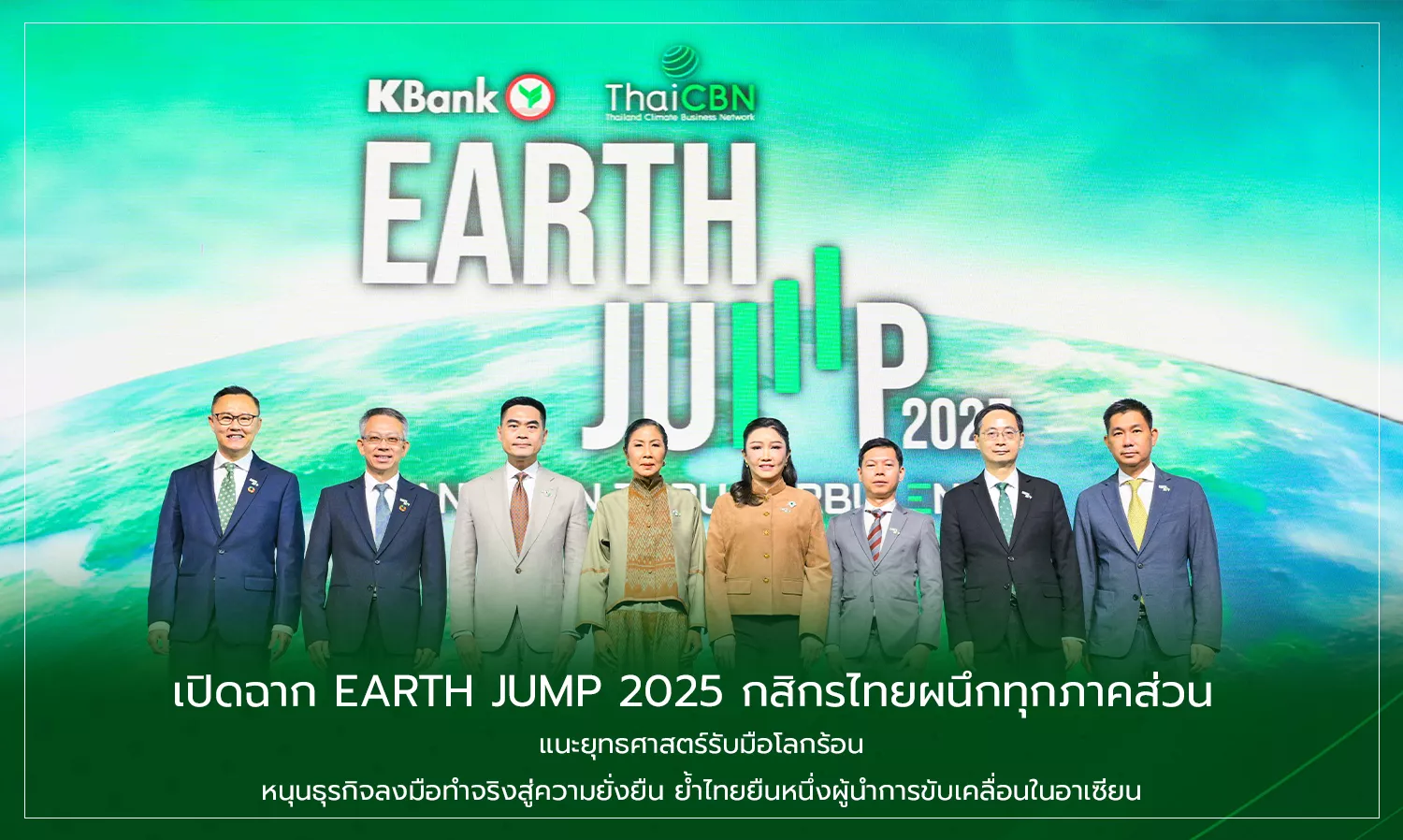
Launching EARTH JUMP 2025: Kasikorn Bank Collaborates with All Sectors to Tackle Climate Change and Promote Sustainable Business Practices
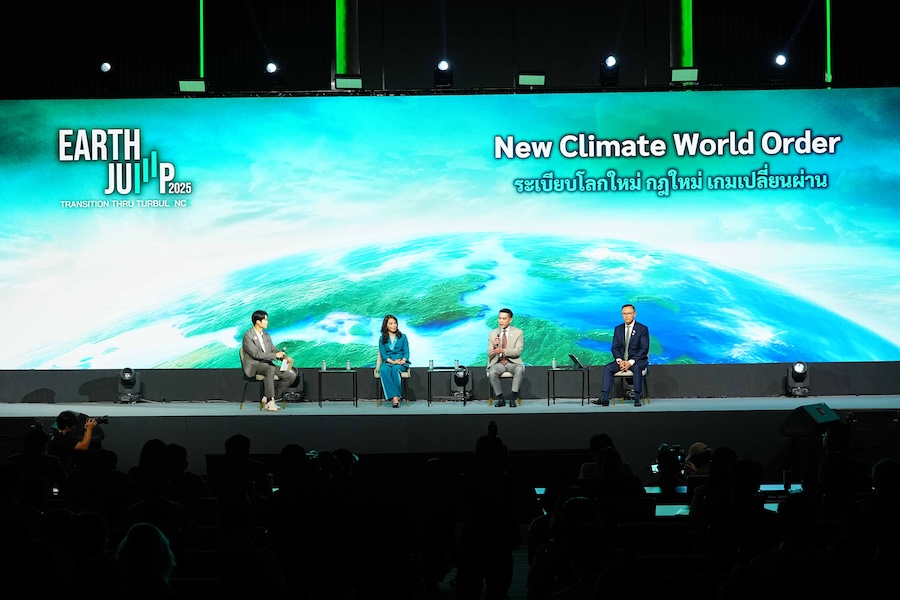
The EARTH JUMP 2025 event, organized by Kasikorn Bank in collaboration with government and private sectors, has officially kicked off today. It brings together global and national experts and business leaders to provide strategic insights and knowledge, updating environmental information to address the ongoing fluctuations. The first day featured many interesting topics, such as the anticipated economic and social disruptions, yet the drive for sustainability continues. Thailand is leading the way in ASEAN regarding Taxonomy, and the government is pushing for the Climate Change Act next year. The private sector remains committed to this agenda but seeks support from the government, including clarity on policies and regulations, as well as funding sources, which are crucial factors. Case studies from China, which successfully implemented Taxonomy to address environmental issues, and Denmark, which managed to reduce greenhouse gas emissions while growing its economy by nearly 80%, were also discussed. Additionally, there was a consensus among all sectors that we must continue to move forward, as this is the new business game rule.
Dr. Pirun Sayasithpanit, Director-General of the Department of Climate Change and Environment stated that the reorganization of the global environmental landscape without the United States at its center is leading many countries to take on more significant roles. In Thailand, the government is pushing for the Climate Change Act next year to enforce and support the transition to carbon neutrality and net-zero greenhouse gas emissions, with mandatory measures to create mutual benefits through a carbon pricing mechanism. This includes 1. Emission Trading System (ETS) to enforce carbon reduction from sources, and 2. The introduction of a Carbon Tax in certain industries, such as oil. Furthermore, a Climate Fund is being established to support the transition for the public sector. The government must not only 'Talk the Talk' but also 'Walk the Walk' to set a successful example of implementing effective plans and be ready to receive feedback from the private sector to enhance supportive policies, even amidst legal obstacles, ensuring a swift response.
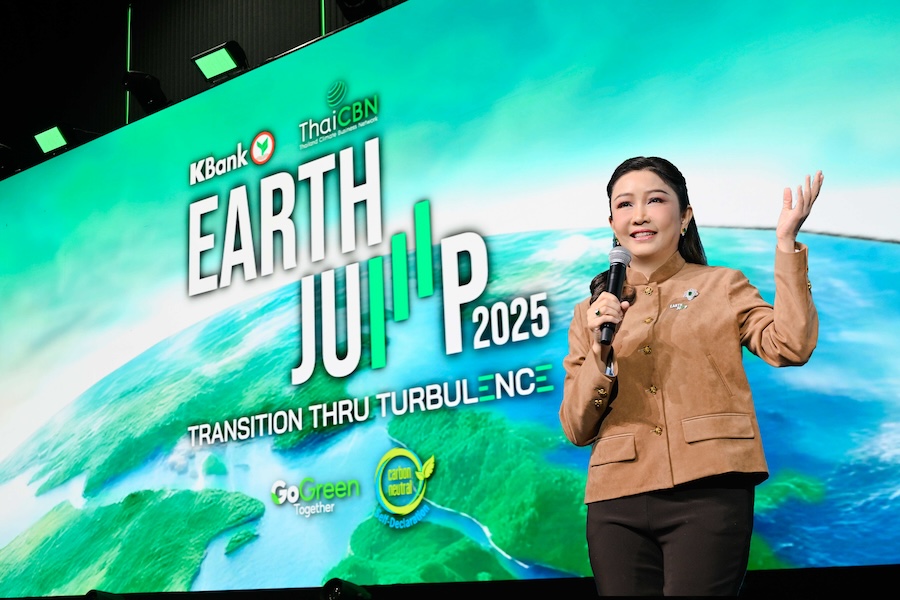
Ms. Kattiya Indaravijaya, CEO of Kasikorn Bank revealed that in today's world, characterized by 'volatility,' we face numerous challenges and pressures, such as U.S. policies, geopolitical conflicts, slowing economic growth, the rise of AI, and importantly, climate change, which leads to continuous disasters from rising global temperatures. To address these issues, three key strategies must be implemented: 1. Health Check - assess our current greenhouse gas emissions; 2. Commitment - set targets for reduction by specific years; and 3. Solution - find methods and tools to reduce emissions according to the established targets. Kasikorn Bank not only aims to reduce its own emissions but is also committed to assisting clients in transitioning to Net Zero through the creation of K-Climate Solutions, which encompasses an ecosystem aimed at fostering sustainability in Thailand.
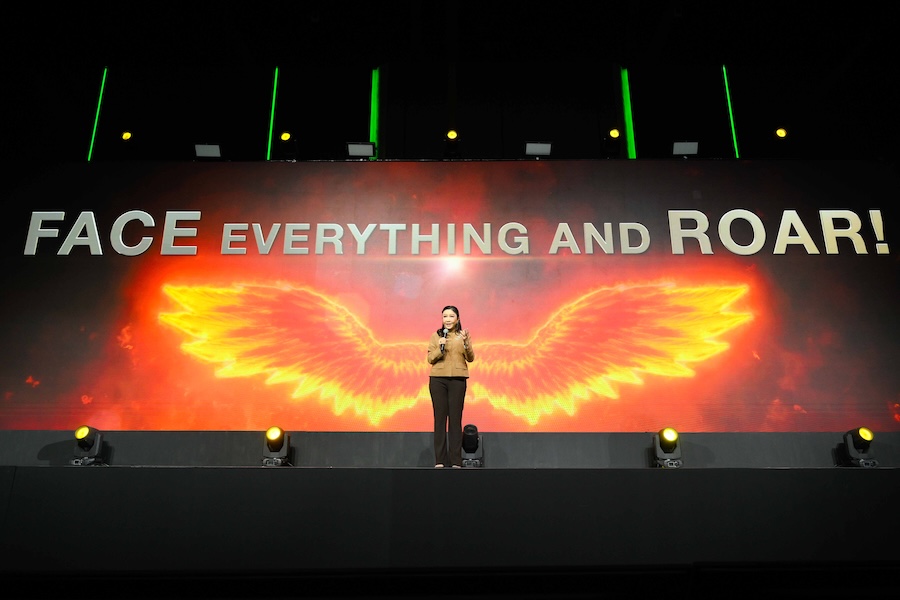
Key highlights from the morning session of EARTH JUMP 2025 include:
1. The global community continues to advance environmental efforts amidst ongoing changes, albeit at a potentially slower pace. Thai business representatives believe that the private sector remains committed to following the original roadmap but requires government support, such as clarity on policies and regulations, as well as funding sources, which are vital for the transition. Additionally, knowledge support is crucial, and it must be demonstrated that this is a business opportunity because if the transition does not generate income, no one will want to engage.
2. Thailand is a leader in driving Taxonomy initiatives in ASEAN. Thailand is among the first in ASEAN to define and categorize environmentally conscious economic activities, or Taxonomy. A notable case study is China, which has prioritized environmental action since 2014 due to pollution issues. The government has implemented policies to promote environmental activities, such as providing funding support and low-interest loan measures, along with regulations for environmental data disclosure, ultimately resolving pollution problems.
3. Climate Finance is a crucial factor supporting sustainability in the Supply Chain. Climate Finance is rapidly developing globally, especially in Asia, where investors are choosing to invest in businesses that prioritize sustainability. However, most SMEs in the Supply Chain still require assistance in transitioning, and the bank is ready to provide support through knowledge sharing, consulting, tools, and funding sources.
The EARTH JUMP 2025 event spans two days, with the second day (May 29, 2025) featuring interesting topics such as updates on trends and impacts on Thai businesses, insights from experts and the private sector on new survival strategies for SMEs in the Net Zero era, lessons learned from successful businesses like Siwatel Hotel in Bangkok, showcasing innovative cases from leading organizations, and business opportunities amidst the Climate Game, along with the launch of the SME e-Handbook, a guide to help SMEs transition to a sustainable green economy.
This is the last opportunity for businesses and interested parties to adapt to changes and seize sustainable growth opportunities at the premier forum of the year, EARTH JUMP 2025. Registration to participate in the event is available at www.kasikornbank.com/k_earthjump2025.