The Federation of Thai Industries Concerned About Electricity and Oil Prices Affecting Industry Confidence Index, Urges Swift Formation of New Government and Budget Disbursement
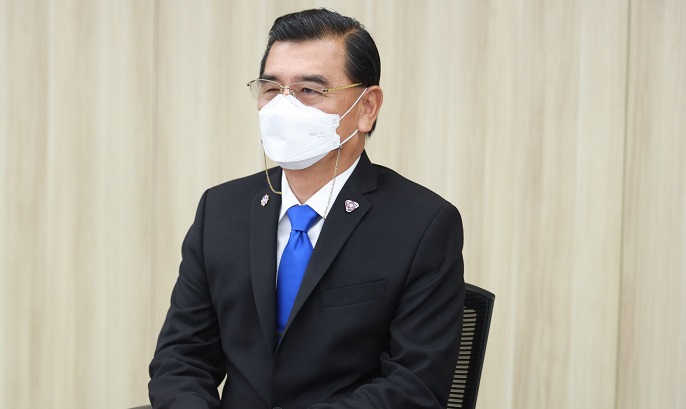
Mr. Montree Mahapruetpong, Vice President of the Federation of Thai Industries (FTI) stated that the FTI is preparing proposals for the new government, urging the winning political parties to expedite the formation of the government by August 2023 to avoid delays and political vacuum. Any delays could impact the budget disbursement for the fiscal years 2023-2024. Once the new government is established, it should immediately work on the budget for 2025 to help build confidence, stimulate the economy, and enhance the country's competitiveness. He also called for unity among Thai people to reduce conflicts so that the country can move forward and boost economic growth.
Regarding the increase in the minimum wage, it is suggested that support should focus on raising skilled labor wages rather than a blanket increase, as it must be acknowledged that most minimum wage workers are foreign laborers who remit money abroad. An immediate increase in the minimum wage would directly impact the cost for SMEs, while larger businesses may need to turn to robotics technology to reduce labor costs, creating a continuous cycle of impact.
As for the industrial confidence index in April 2023, it was found that electricity and oil prices remain factors dragging down confidence regarding operational costs. However, the reopening of the country to tourists and the expansion of domestic consumption are positive factors benefiting the economy this year.
The index for the FTI's industrial sector stands at 95.0, down from 97.8 in March, marking the first decline in four months. This decrease is attributed to a slowdown in the manufacturing sector during the extended Songkran holiday, while foreign demand remains weak, as reflected in the continuous decline of the foreign order and sales index due to the impact of the global economic downturn.
The three-month forecast index is at 105.0, down from 106.3 in March, due to high uncertainty in the global economy stemming from weakened demand from trading partners, negatively affecting Thailand's export sector. Meanwhile, the ongoing conflict between Russia and Ukraine continues to impact energy prices and raw material costs in the global market, leading to a persistent upward trend in production costs, especially electricity costs.