CPAC Green Solution Joins Forces with Government and Private Sector to Propel the Construction Industry Towards NET ZERO
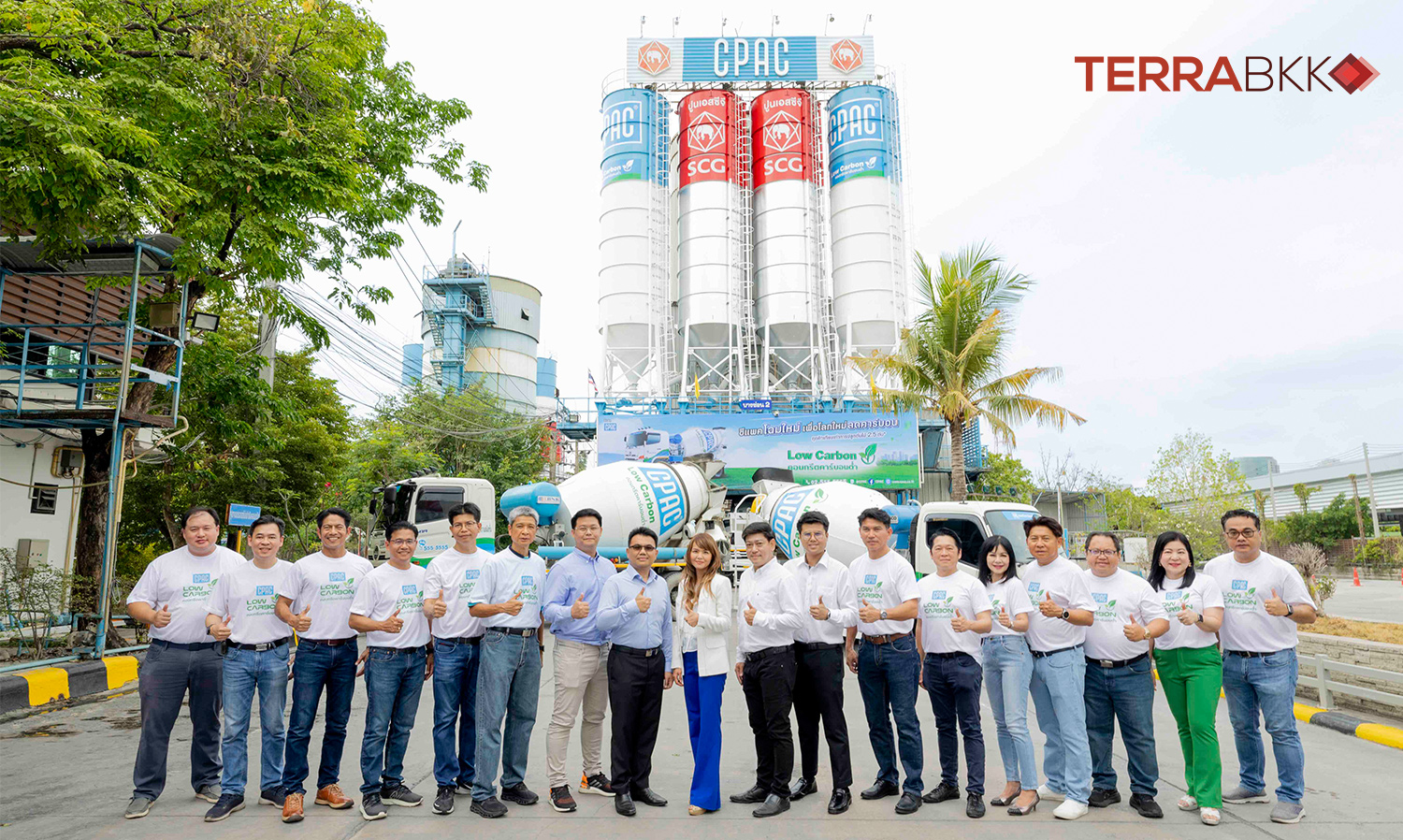
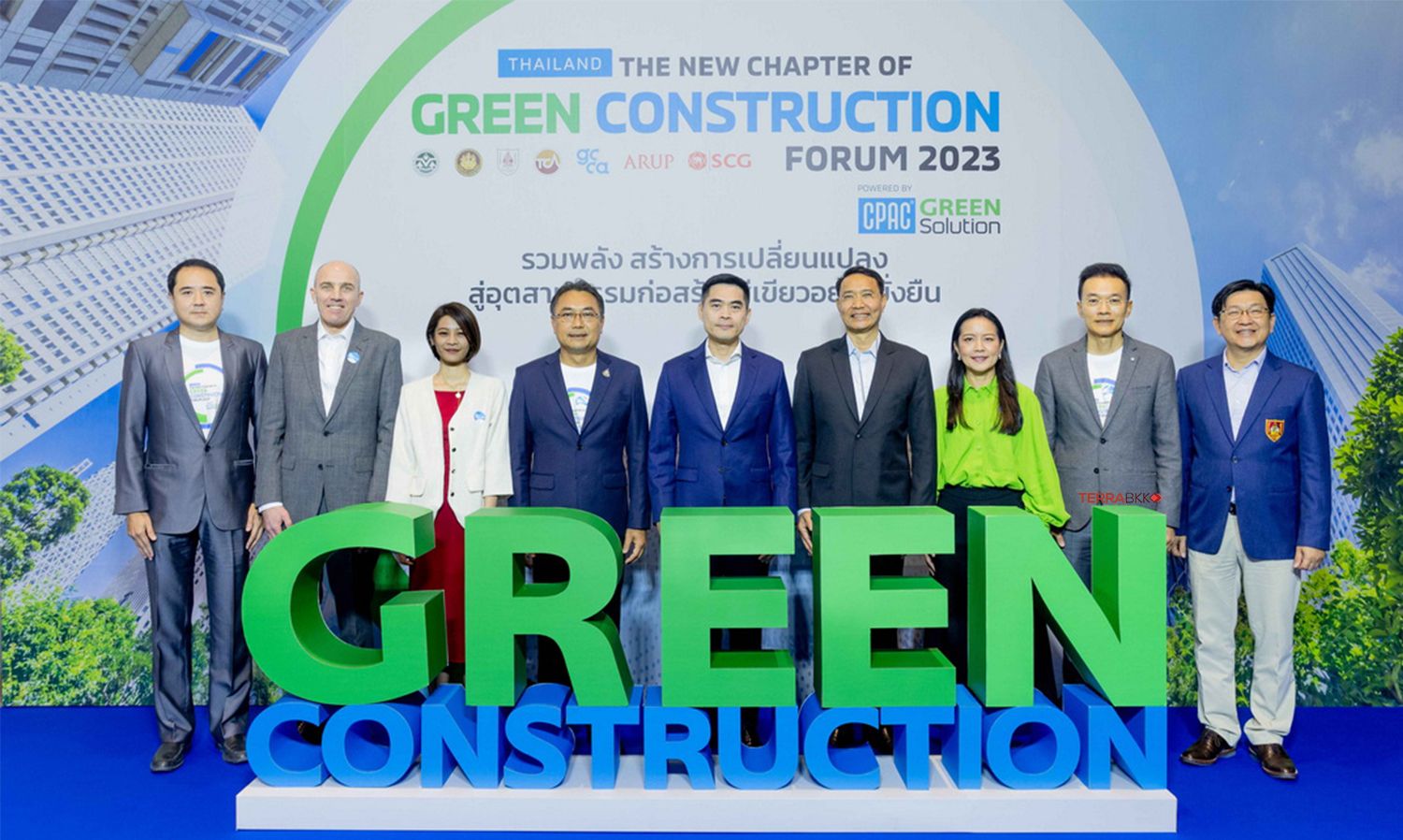
CPAC Green Solution organized the Thailand: The New Chapter of Green Construction Forum 2023 Uniting Forces for Sustainable Green Construction at the SCG Multipurpose Building, Bang Sue, to raise awareness and encourage participation from all sectors in driving Thailand towards a low-carbon society, particularly pushing the construction sector to achieve the goal of reducing greenhouse gas emissions as much as possible, in line with national and global policies.
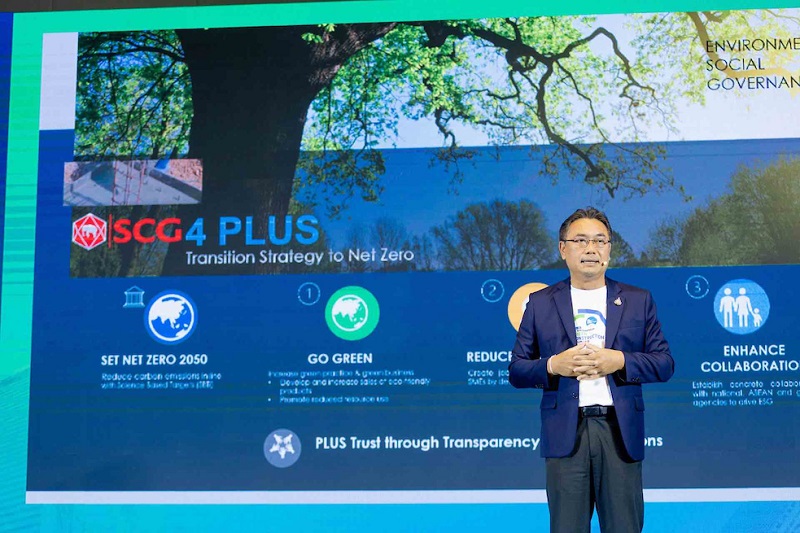
Mr. Chana Poomi, Vice President of Sustainability at SCG, welcomed the participants and revealed that SCG has set a long-term goal to achieve net-zero greenhouse gas emissions by 2050. For the cement business, it follows the 7 Levers approach outlined in the Thailand Net Zero Cement & Concrete Roadmap 2050, supported by the Global Cement & Concrete Association (GCCA). One of the key levers to reduce greenhouse gases is Efficiency in Design and Construction, which involves enhancing construction efficiency through design, using environmentally friendly materials, and employing modern construction technologies.
“SCG views achieving net-zero greenhouse gas emissions as a long-term endeavor, and it is not just SCG that is involved; we strive to engage stakeholders and collaborate with all sectors towards a common goal,” Mr. Chana stated.

Dr. Pirun Sayasithpanit, Secretary-General of the Office of Natural Resources and Environmental Policy and Planning, Ministry of Natural Resources and Environment, stated that the construction industry is like the backbone of driving Thailand towards a low-carbon society, as it is responsible for emitting 105 million tons, or 28% of the total greenhouse gas emissions in Thailand in 2019. In contrast, the global construction industry averages 39% emissions. If the construction industry does not prioritize this issue, transforming Thailand into a low-carbon society will be nearly impossible. Furthermore, climate change is a critical issue that the world is focusing on. Under the Paris Agreement, all countries, including Thailand, aim to limit global warming to no more than 1.5 degrees Celsius, down from the original target of 2 degrees Celsius.
“Today’s event marks a significant step in emphasizing collaboration between the public and private sectors to reduce carbon and greenhouse gas emissions in the construction industry, which will be a crucial mechanism in driving Thailand towards achieving Net Zero by 2050 and maintaining the country’s competitiveness to match or surpass other nations, thereby strengthening and securing our country,” Dr. Pirun stated.
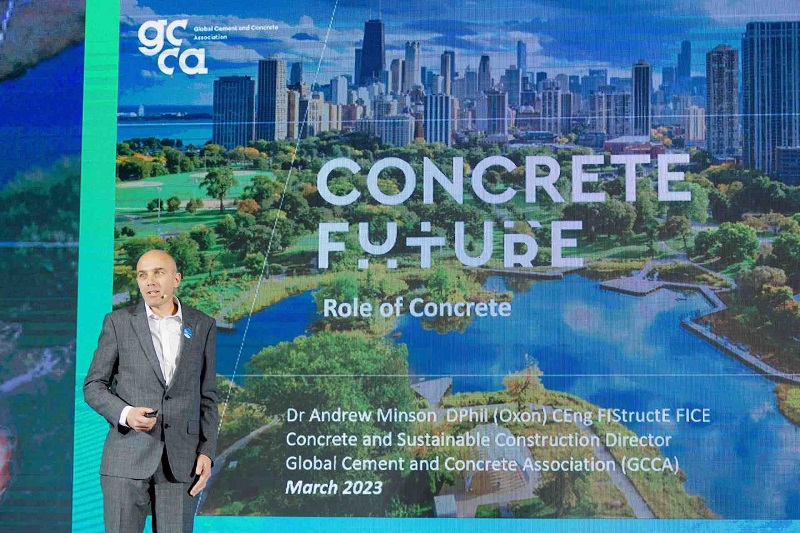
Dr. Andrew Minson, Concrete and Sustainable Construction Director at the Global Cement and Concrete Association (GCCA), mentioned that Thailand is among the top countries globally prioritizing this initiative, especially in the cement and concrete industry, which has successfully developed a Net Zero Roadmap as the first in the world. He presented details on carbon reduction strategies aimed at achieving Net Zero based on the 7 Levers of the GCCA, highlighting the role of stakeholders in the construction sector to promote green construction.
Additionally, the event featured a panel discussion titled “How to Execute Green Construction in Thailand.” On the panel, Dr. Samit Songphiriyakit, President of the Civil Engineering Branch of the Engineering Institute of Thailand under the Royal Patronage, stated that the Thai construction industry has begun to take environmental issues seriously following the COP26 conference, with the introduction of building codes, such as regulations on concrete structures and steel structures, as well as material specifications. Furthermore, the Engineering Institute is working to finalize High-Performance Concrete this year to promote the use of materials with better properties and lower greenhouse gas emissions.
Mr. Sumet Meenapha, Deputy Director-General of the Department of Public Works and Town & Country Planning, stated that the Ministry of Interior fully supports activities that help reduce carbon emissions and seeks to collaborate with the private sector. However, the challenge as a regulatory body is how to ensure that legislation keeps pace with new technologies, as the process of drafting laws typically takes a considerable amount of time due to the need for thorough consideration, given that laws will be enforced nationwide and have widespread impacts from small to large entities.
Ms. Lisa Ngamtrakoolpanit, President of the Thai Construction Industry Association under the Royal Patronage, discussed three main challenges that slow the push for environmental initiatives in the construction industry: 1. Financial challenges, as the costs of green construction are often higher than conventional construction; 2. Educational challenges, as construction personnel often lack knowledge about environmentally friendly materials, and educational institutions are not keeping pace with new technologies and innovations; and 3. Challenges in collaboration between the public and private sectors, where the government has often issued regulations without positive incentives to encourage investment in this area, such as tax reductions for environmentally friendly construction projects.
Mr. Chuchok Siwakunakar, Head of Environment Social Governance & Business Stakeholder Engagement at the Construction Products and Materials Company, stated that the Thai construction industry is valued at approximately 1 trillion baht per year, with waste valued at 10-30%, averaging around 200 billion baht annually. If we can turn waste into value, it will create immense value both in terms of revenue and environmental benefits. Elevating the Thai construction industry towards a low-carbon society is achievable.
This can be done through off-site construction to reduce time and control quality to meet standards, modular work where components are fabricated separately and assembled on-site, and incorporating digital technology to reduce errors and enhance construction efficiency, fostering collaboration. Finally, it is essential to upgrade skills for current workers and future students, while also balancing business and environmental needs, emphasizing the importance of taking actionable steps.
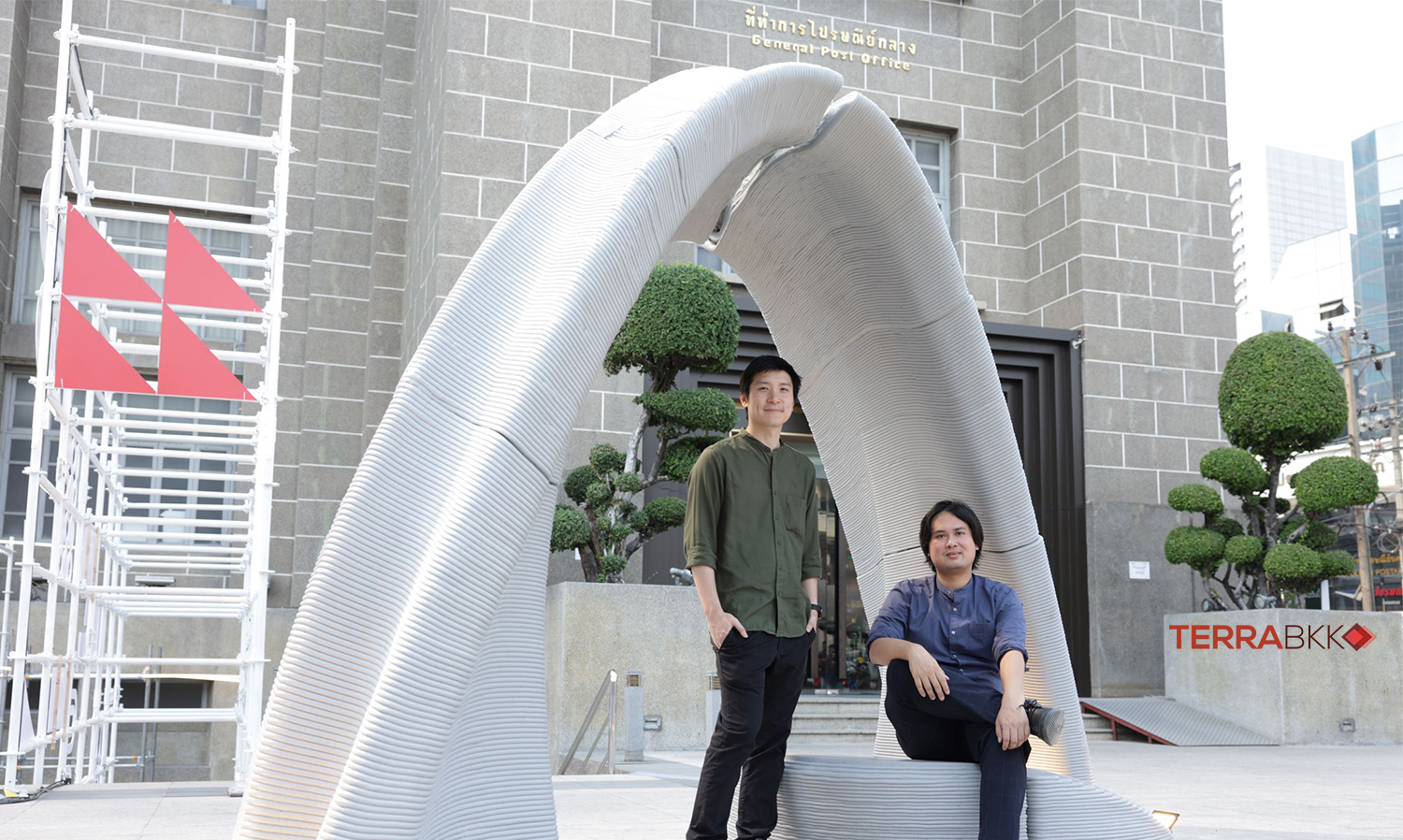
The event concluded with Dr. Kritsada Srisomporn, Green Construction Group Leader at SCG Cement Company, discussing innovations to support Green Construction, citing the case study of the Chalerm Phrakiat Bridge, which was designed and constructed using UHPC (Ultra-high Performance Concrete), 3D Printing, and BIM (Building Information Modeling), becoming the thinnest concrete bridge in Thailand and ASEAN.
Although Thailand still faces numerous challenges to achieve its goals of becoming a low-carbon society and reaching Net Zero as declared, it is a timely moment for all sectors to take this issue seriously to collaboratively address global climate change and align with Thailand's stance in the global community to elevate the goal towards carbon neutrality by 2050, aiming for net-zero greenhouse gas emissions by 2065 across all sectors, alongside sustainable business practices and maintaining international competitiveness.