When the Old Playbook Fails: Decoding the PROPERTY HACK 2026 to Transform the Red Ocean Real Estate Market in the AI & Wellness Era
It must be acknowledged that in 2026, the real estate sector is facing unprecedented challenges from all sides. Developers, regardless of size, are exploring every possible avenue to 'turn the tide for survival.'
As traditional business methods may no longer suffice to ensure organizational survival and growth, three partner organizations, led by the Thai Real Estate Association, in collaboration with the Nonthaburi Real Estate Trade Association and Terra Media and Consulting Co., Ltd., have organized a major annual seminar titled “PROPERTY HACK 2026: Survival Ocean” (Turn the Tide. Change the Game).
This event aims to serve as a platform for knowledge exchange, equipping participants with intellectual tools to elevate the management of Thai real estate businesses, inspire, and create 'opportunities' and 'solutions' for Thai property developers to cope with the fiercely changing market landscape.
Key topics covered in this seminar include:
- Session 1: Discussion on “AI-Era Consumers: Why Wellness is More Than Just a Trend.”
- Session 2: Lecture on “Turning Crisis into Opportunity in Real Estate: The New Game of the Thai Economy.”
- Session 3: Discussion on “Red Ocean Survival Guide: How to Survive in a Market Where Everyone is Competing for Customers.”
Session 1: AI-Era Consumers: Why Wellness is More Than Just a Trend
The first session opened with a topic that deserves attention, as we cannot deny that AI is accelerating everything. However, amidst a fast-paced world, what AI-era consumers prioritize most is Wellbeing & Wellness, or maintaining good health.
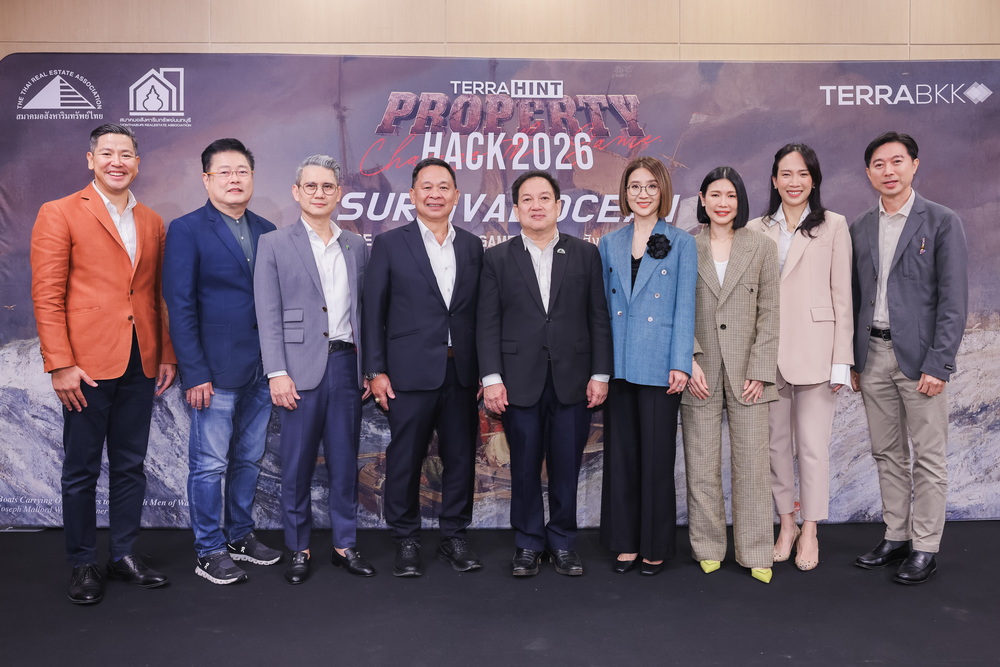
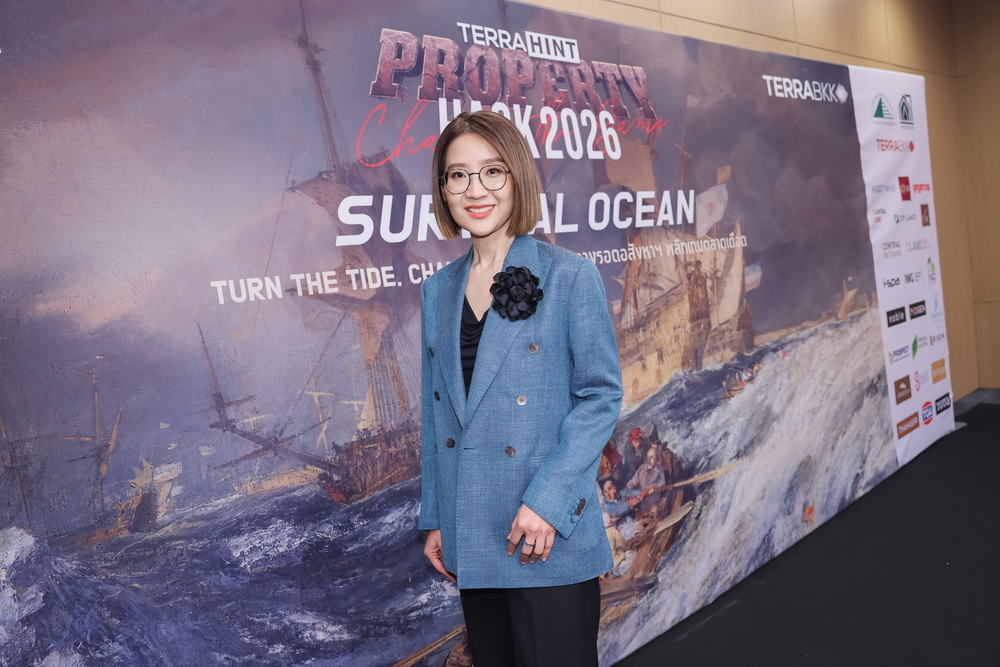
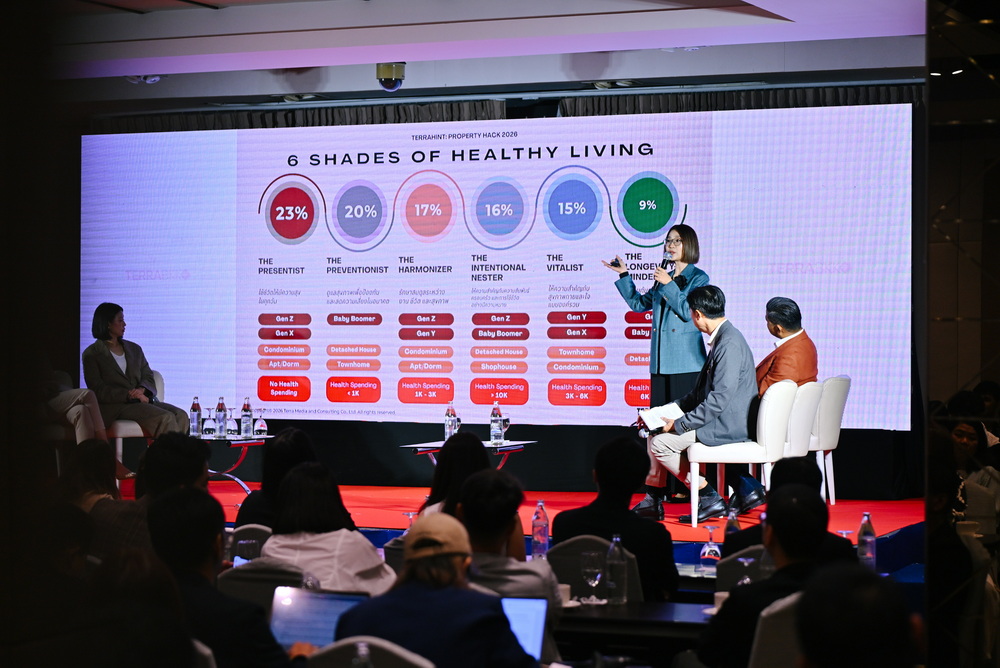
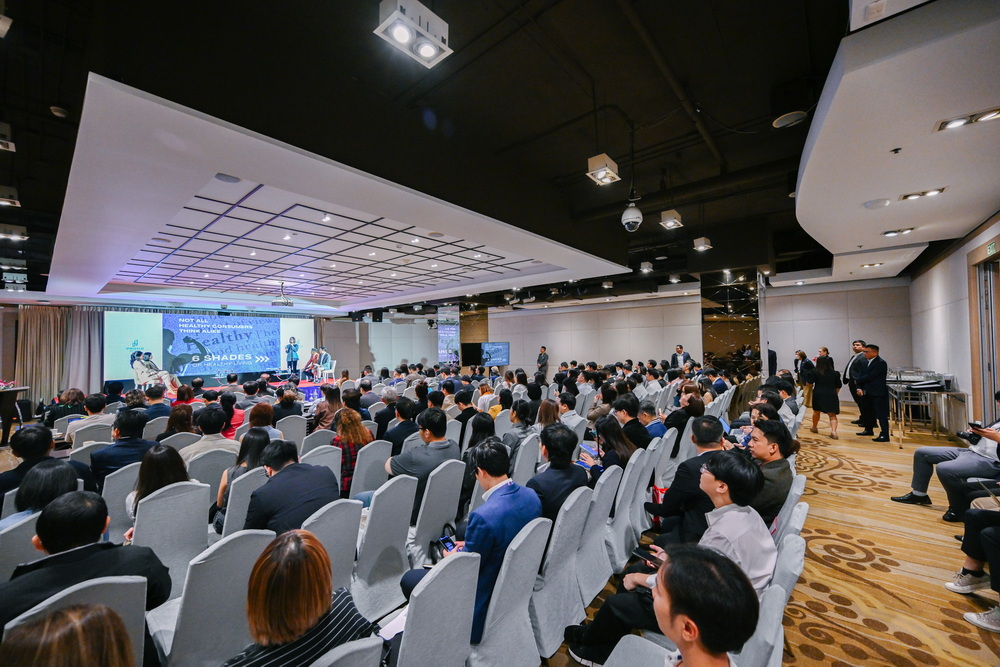
This topic featured esteemed speakers including Mr. Peerapong Pirachotwit, CEO of Jin Wellbeing County, along with Ms. Prawpud Lipatpallop, Executive Director of Praw Real Estate Public Company Limited, Ms. Sriampai Rattanamayu, President of Marketing at Sansiri Public Company Limited, and Ms. Sumitra Wongphakdee, Managing Director of Terra Media and Consulting Co., Ltd., sharing insights from their real experiences, moderated by Mr. Precha Kulpaisalatham, President of the Nonthaburi Real Estate Trade Association.

Diving Deep into Thai Consumer Behavior in the Era of Investment for 'Longevity'
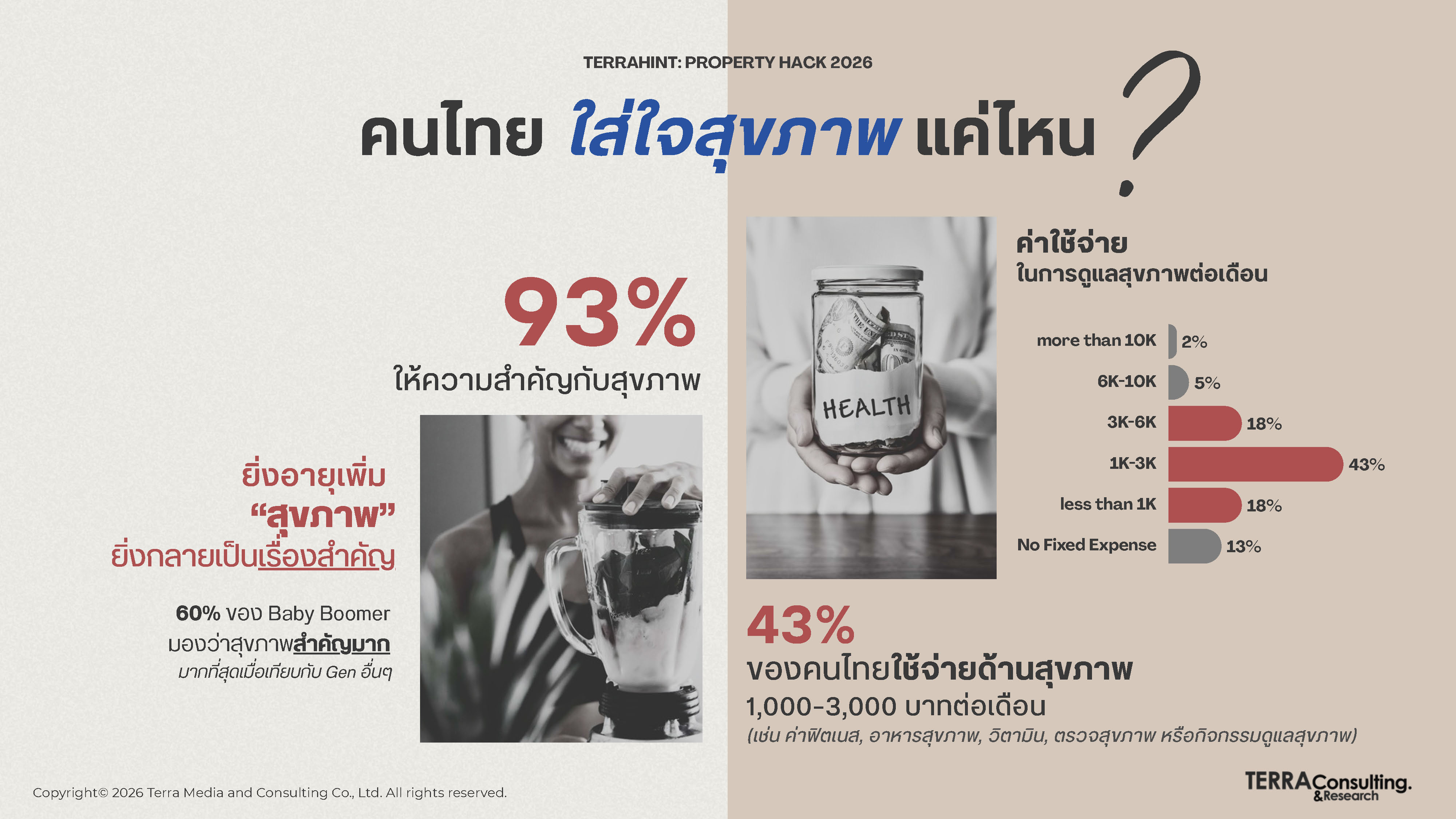
Ms. Sumitra presented in-depth research findings on “Exploring Thai Lifestyles and Health” from Terra Research, revealing a survey of 400 respondents conducted from May 1-15, 2023, indicating that 93% of Thais prioritize health, with 43% spending an average of 1,000-3,000 THB/month on health-related expenses such as fitness services, healthy food, vitamins, health check-ups, or wellness activities.
“In the past three years, Thai self-care behaviors have changed significantly, with 64% shifting towards healthier eating, followed by 50% focusing on improving sleep quality. The trend of aerobics at Lumpini Park has also encouraged more Thais to exercise, aligning with research showing that 50% of Thais are engaging in more cardio workouts and 41% are increasing weight training, while reducing health-risk behaviors such as 49% cutting back on socializing outside and 26% reducing alcohol consumption, with 43% never smoking, which are all behaviors detrimental to health.”
When decoding the term “LONGEVITY”, it is found that contemporary Thai consumers are not just thinking about the number of years or lifespan but prioritize “maintaining good health and strength in the long term.”
The most crucial factor leading to LONGEVITY is “mental and emotional health” at 58%, followed by regular exercise at 47%, quality sleep at 43%, good nutrition at 42%, and a healthy environment at 37%.
Real estate developers should not overlook this research finding: 90% of respondents indicated they are significantly more likely to decide to purchase a residence if the housing project or condominium incorporates Wellness Living concepts into the product, especially among those who have previously lived in commercial buildings, with interest as high as 94%.
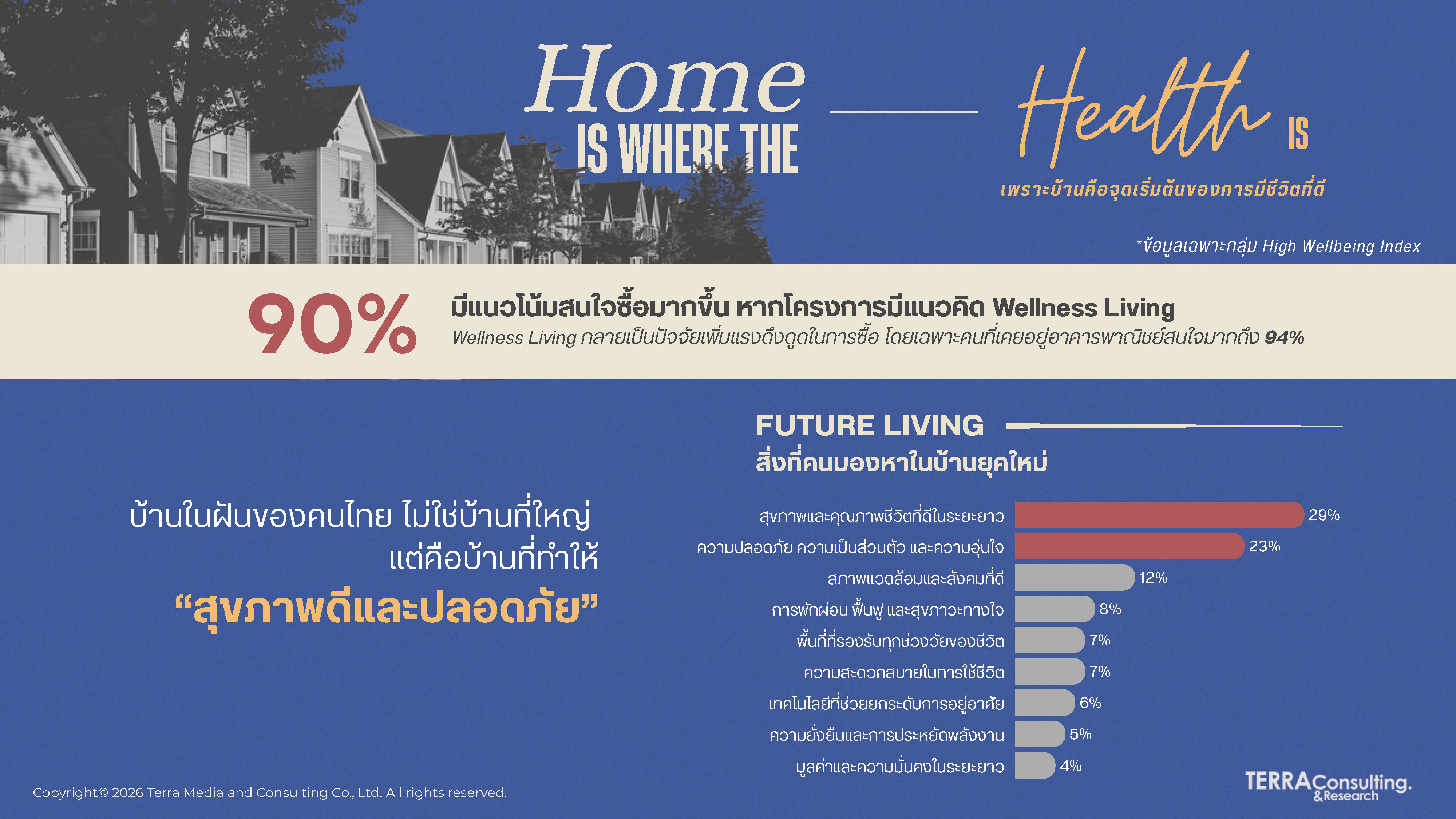
“Thais view their dream home not as a large house but as a home that promotes 'good health and safety,' with 29% seeking long-term health and quality of life, and 23% prioritizing safety, privacy, and peace of mind.”
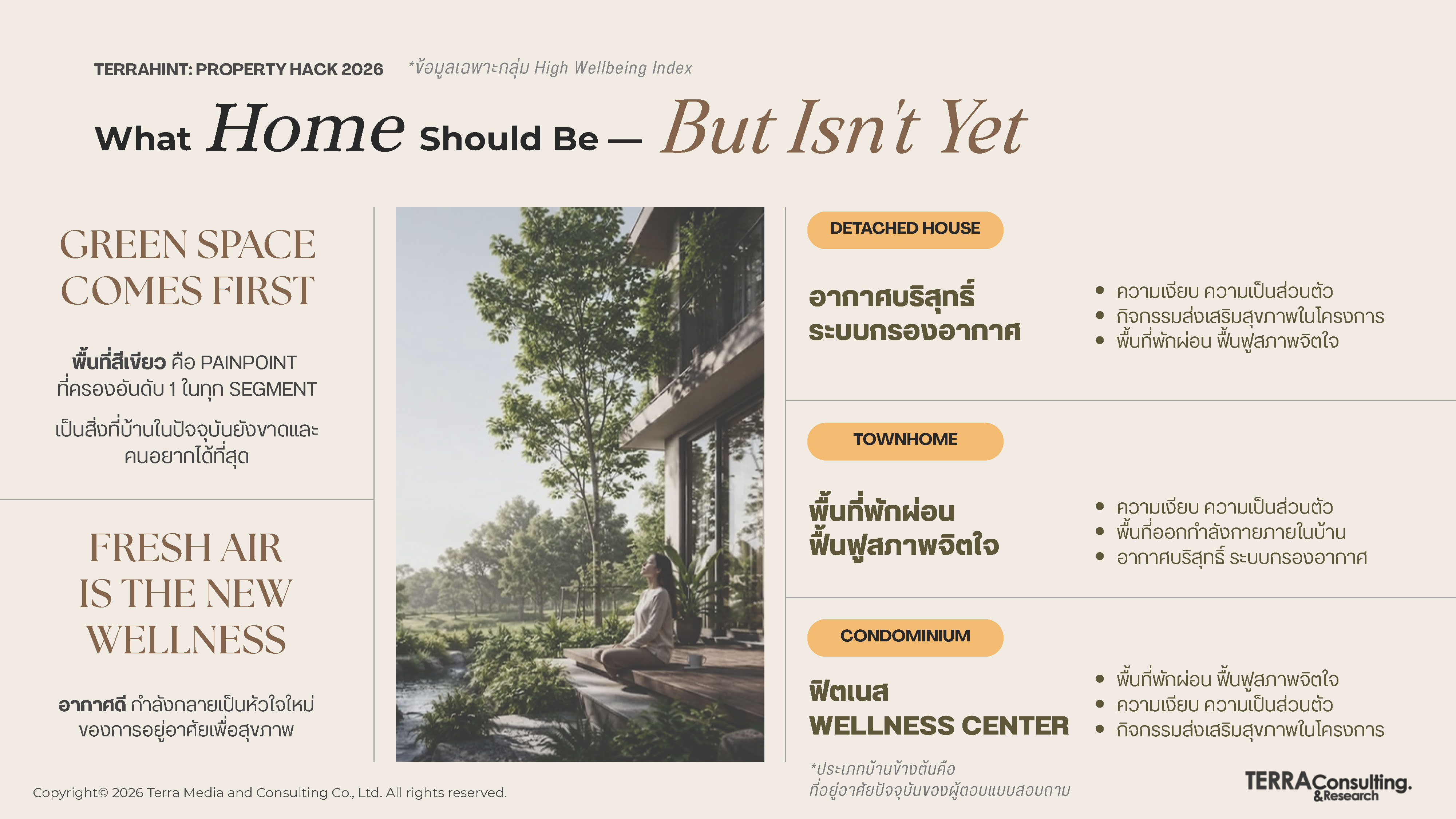
Moreover, the concept of health in living has transitioned into a new dimension under the key phrase “FRESH AIR IS THE NEW WELLNESS,” where today’s consumers see the quality of indoor air, protection against PM 2.5 dust, access to green spaces, and proper natural ventilation as fundamental values that projects must provide.
However, each segment has distinct needs: single-family homes require clean air and air filtration systems, townhomes need relaxation spaces for mental rejuvenation, and condominiums require comprehensive fitness centers or holistic wellness service centers.
Additionally, consumer confidence surveys reveal that consumers are becoming cautious and returning to a 'careful' mode, expressing more concern about the national economic situation than their own, perceiving that purchasing power has not fully recovered, especially for high-priced goods like real estate and automobiles. This indicates a potential downturn following the peak of 2022-2023, contrasting with the mental well-being of Thais in 2026, where the Wellbeing Index (a metric from the World Health Organization) reached 73.7, reflecting that the 'mental well-being' of Thais remains 'strong.'
Using AI as an Art to Elevate Organizations & Modern Marketing
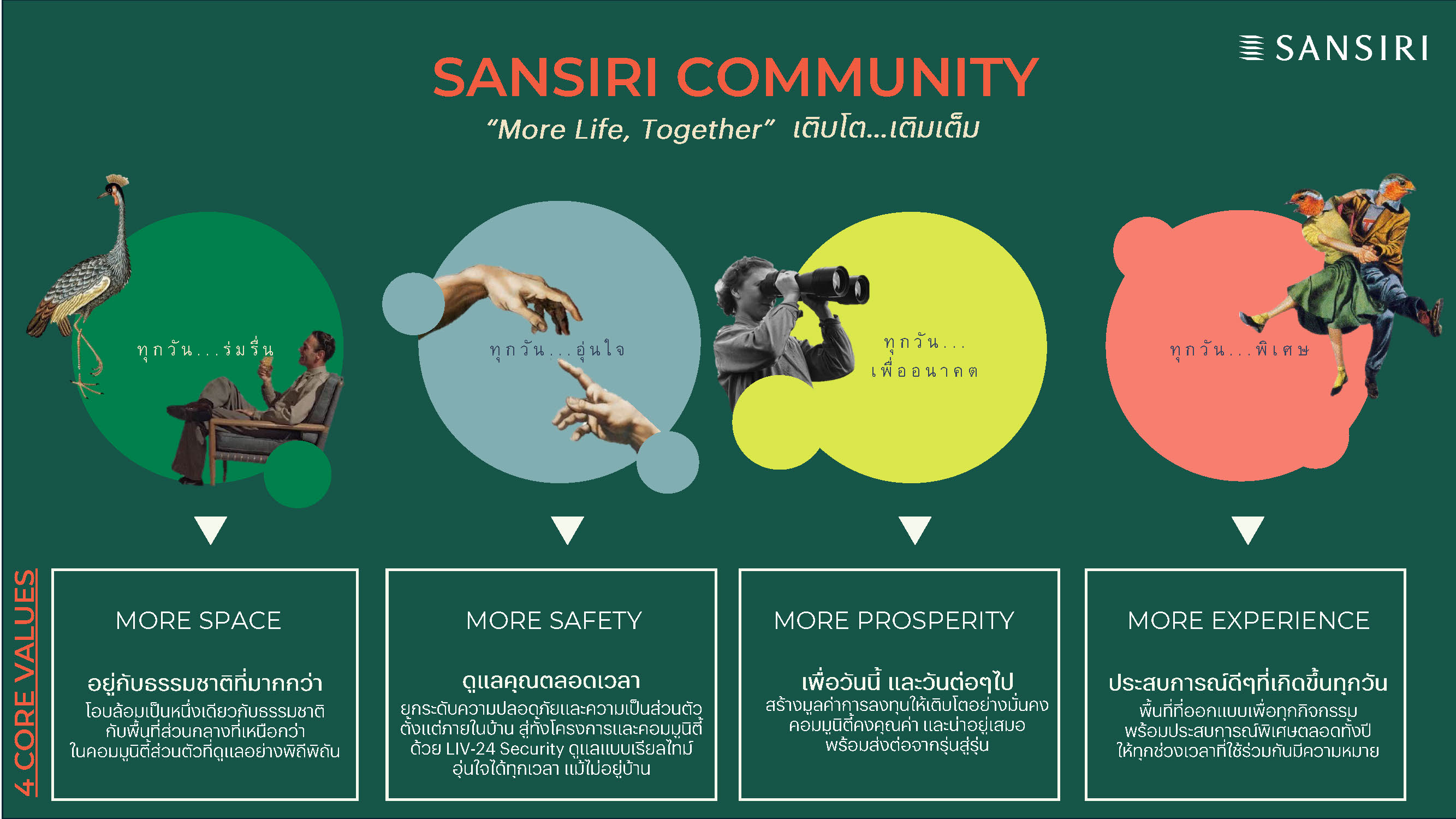
Ms. Sriampai Rattanamayu, President of Marketing at Sansiri Public Company Limited presented how a large organization like Sansiri is leveraging AI, which is not a new concept, but has been integrated into the company's DNA for over two years. Sansiri does not view AI merely as a supplementary tool but embeds this technology into the thought processes and operations of every department, from market research, design, architecture, marketing, to construction and after-sales service.

The most apparent benefit of utilizing AI is the enhancement of work efficiency and database management. The organization has created a shared data warehouse that collects raw data, blueprints, customer behaviors, and various statistics. When the design team needs to innovate or improve a product to align with the Wellness concept, they can use AI for rapid processing and outcome evaluation, helping to reduce redundant steps and shorten project development time.
Importantly, it helps reduce hidden costs that may arise from communication errors between teams, allowing the organization to be more agile in adjusting strategies to meet changing market demands promptly, and enabling employees to have more time to focus on their health to enhance their own wellness.
“Anyone can design a beautiful home, even AI, but what AI cannot replace is 'designing a lifestyle,' which involves experience, feelings, and understanding the human dimension. We must create that ourselves; AI is merely a guiding tool.”
Ms. Sriampai emphasized that the ultimate goal of integrating technology at Sansiri is not to replace human labor but to unlock employee potential, freeing them from repetitive tasks to use their valuable time and intellect to create new innovations that deliver happiness and warmth to customers, which is the core of real estate business that technology can never replicate.
In the context of new consumer behavior, Ms. Sriampai revealed insights that Gen Z's values regarding property ownership have completely changed. They are not looking to own but are purchasing 'lifestyle experiences.' Therefore, developers must shift their mindset from selling properties to delivering the best life experiences, highlighting the future value of properties that can genuinely outpace inflation.
Meanwhile, looking at the overall market, Ms. Sriampai pointed out that real estate cycles of ups and downs are normal. The key to survival is to continuously build a brand to win customer loyalty in the long term, rather than relying solely on price reductions, as what consumers want most right now is 'trust.'
For the Affordable segment, it is crucial to provide a 'Worry-Free' experience because, in reality, customers still want homes, but they have concerns about future asset values or loan applications. Developers must alleviate those concerns, such as offering campaigns like free living for 48 months to instill confidence in their decision-making.
For the Luxury segment, the situation is reversed, as they do not need to rush to buy new homes since they already have them. What we need to do is encourage them to feel that 'now is the best opportunity' through partnerships with banks.
“For the younger generation aiming for early retirement, we must create engagement to be part of their stability, showing them that choosing our brand will provide them with value beyond just property.”
AI as a Consultant: Creating Human Touch Towards a 'Good Life'
Ms. Prawpud Lipatpallop, Executive Director of Praw Real Estate Public Company Limited, a luxury project developer, shared insights on how to apply AI, stating that as a medium-sized company, there is no need to invest heavily in developing a new backend system but rather to seek opportunities to utilize existing AI tools as a 'personal consultant' to enhance accuracy and speed in investment decisions, such as assessing land potential, analyzing urban planning, surrounding environments, and simulating preliminary 3D building models to quickly test investment viability and saleable areas within hours.
“We choose to use AI as a partner to help think and verify accuracy in various dimensions, especially in designing for the health of residents, such as checking if rooms have sufficient natural light or calculating green space around projects to ensure our designs truly support the lifestyles of those seeking healing and relaxation.”

In developing high-end projects, Praw Real Estate has leveraged its DNA and experience from the hotel business, viewing real estate not just as a one-time transaction but as a space that must deliver the best 'Value' or quality of life (Good Life) to residents in the long term.
Ms. Prawpud compared residential design to a “smartphone” where the hardware supports all generations but can adjust the “applications” or functionalities to best meet individual lifestyles.
A clear example is a project in Hua Hin, where insights revealed that some residents do not live there full-time, coming only once a month. Previously, the management only handled general building maintenance, but the company has elevated services to “Home Care Extra,” including medical services by bringing in professional partners to care for residents' properties and health when they are not present, all driven by genuine care rather than just data collection.
In terms of cost management and revenue generation, bringing in partners allows the company to maintain the same number of staff while increasing efficiency, with AI supporting backend systems, resulting in no increased costs, while residents are willing to pay more for these services.
One strategy for real estate in this era, when facing numerous challenges, is to return to basics (Back to Basics), starting with location, as consumer behavior today involves lengthy decision-making, averaging about two years, with potential buyers visiting projects no less than six times before purchasing. Therefore, projects must offer true value.
Moreover, modern sales staff must not just be salespeople but must transform into “consultants” who provide genuine care to customers in every aspect, from explaining functional usability to reflecting brand identity that aligns with lifestyle and life experiences, rather than just using fancy marketing slogans. Ultimately, if the product is not genuinely good and does not meet buyers' needs, one must accept the reality and wait for the right opportunity.
Ms. Prawpud concluded that the future growth of real estate will be driven by the ability to blend “Data & Human Touch.” Developers must use technology and data to uncover truths and create accuracy in products while also using heart and care in delivering services, as that is what will create differentiation and ensure business survival in a highly competitive market.
Decoding the Proactive Health Care Model
Mr. Peerapong Pirachotwit, CEO of Jin Wellbeing County, one of Thailand's model wellness real estate projects, pointed out that creating a project that addresses Wellbeing is not just about building a structure and installing amenities for the elderly, such as handrails or ramps.
Rather, it is about designing a “Living Ecosystem” that integrates medical care, preventive health care, and creating an environment that encourages residents to engage in social activities.
In the new real estate business focused on Wellness, developers must understand the true needs of their target groups, not limited to the elderly but also including younger generations who are beginning to recognize the importance of proactive health care. Collaborating with medical experts and hospitals is crucial to build trust and credibility for the projects.
Additionally, managing after-sales services and recreational activities within the projects is key to making the Wellness concept a reality and sustainable.
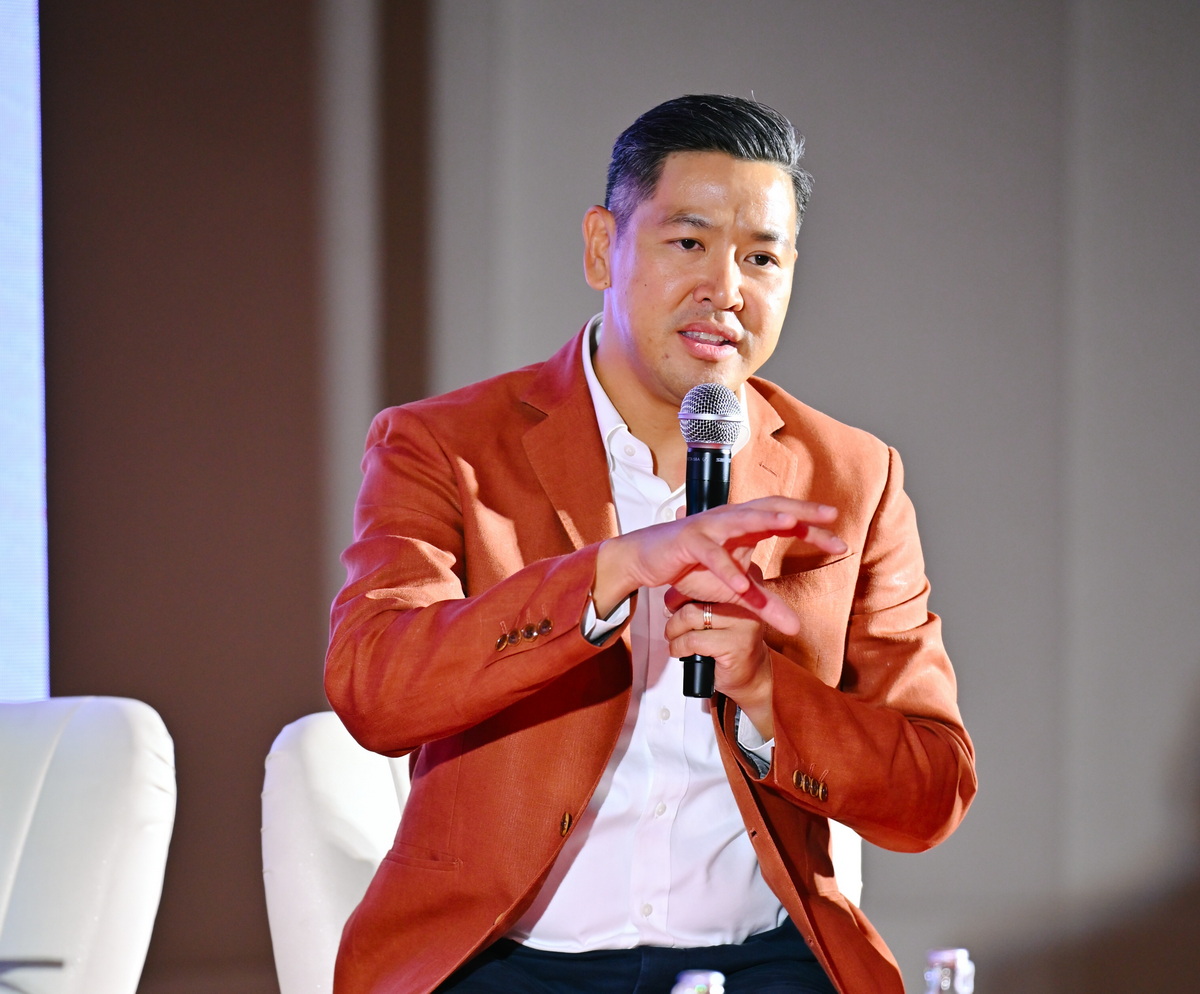
“Wellness, in its true meaning of living, is not about medical treatment when sick but about creating an environment and lifestyle that prevents illness, prolongs the period of good health, and ensures residents are happy every day they wake up.”
Mr. Peerapong advised medium and small developers looking to enter the Wellness market that they do not need to start with large-scale projects with full medical facilities like Jin Wellbeing County but can begin by paying attention to small details in home design, such as using materials free of chemical residues, calculating wind and sunlight directions to reduce energy use and enhance comfort, and preparing infrastructure to accommodate future functional changes as residents age.
These are all starting points for creating Wellness Value in products.
Session 2: Lecture on “Turning Crisis into Opportunity in Real Estate: The New Game of the Thai Economy”
By Dr. Pipat Leuangnarumitchai, Managing Director of Kiatnakin Phatra Securities Public Company Limited
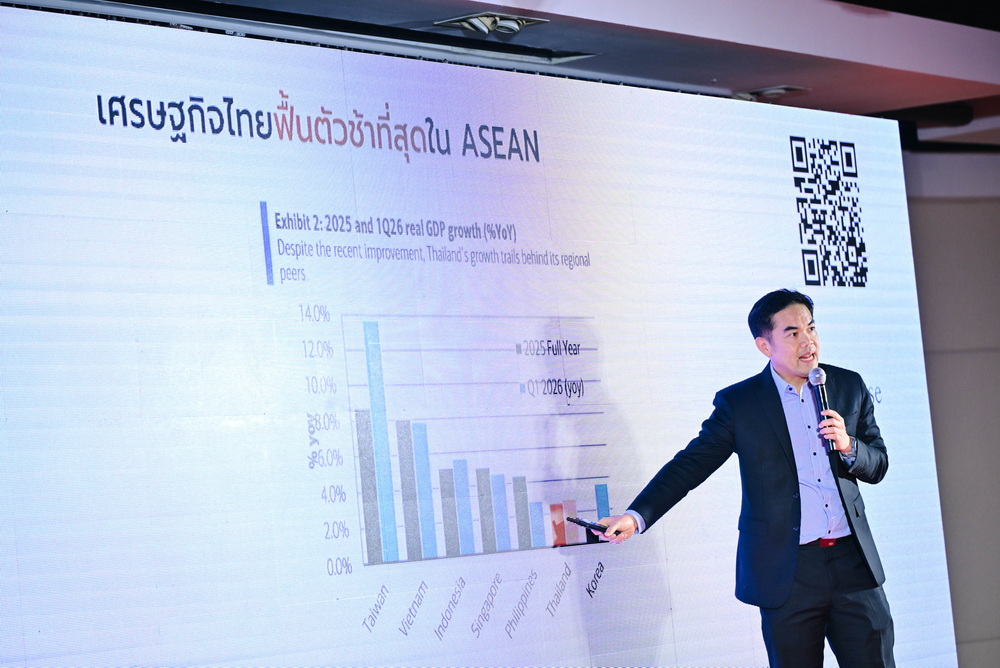
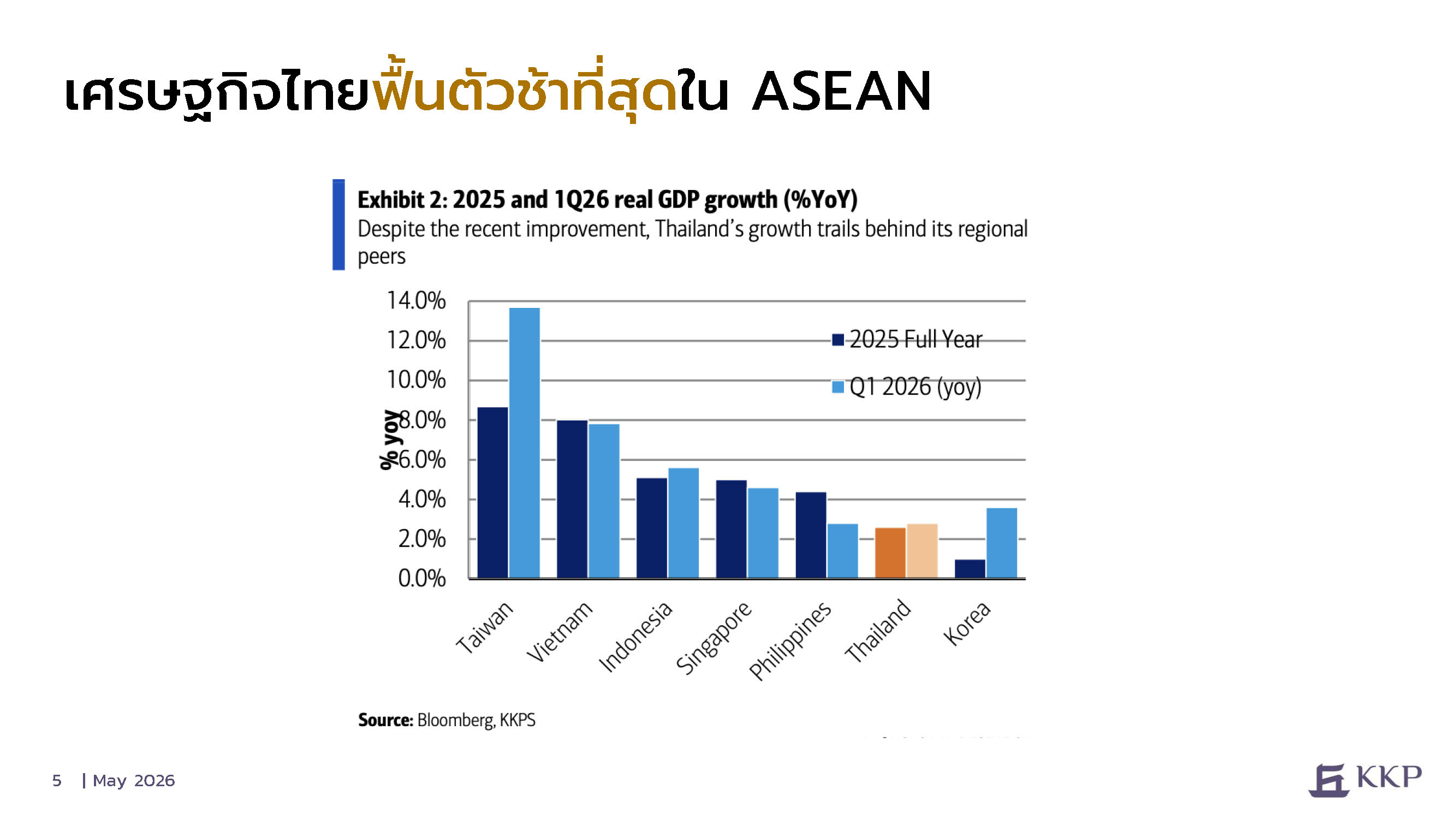
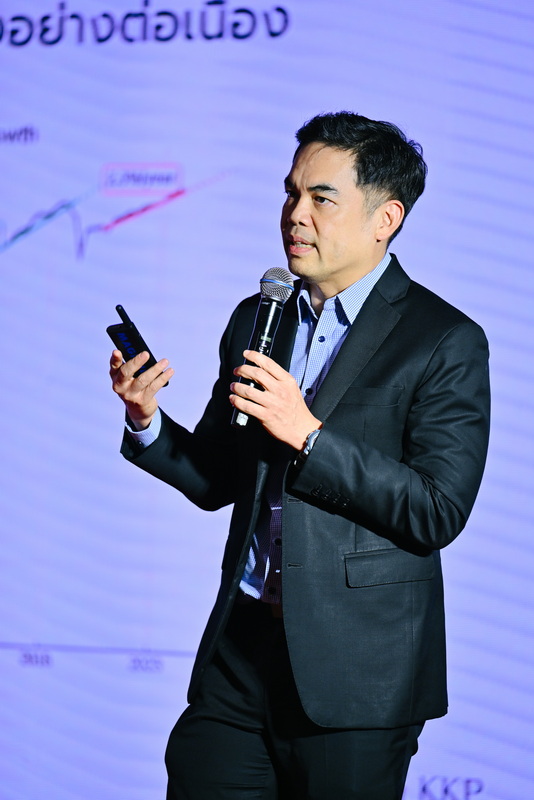
Reflecting on the COVID-19 crisis, many hoped that once that nightmare passed, the Thai economy would return to normal growth at 3%. However, in reality, Thailand is still struggling to reach that figure. Dr. Pipat Leuangnarumitchai, Managing Director of Kiatnakin Phatra Securities Public Company Limited, painted a thought-provoking picture at the PROPERTY HACK 2026 event, stating that Thailand is facing a deep-rooted structural crisis. Each time Thailand emerges from a crisis, the economy grows slower, becoming a tired economic machine.
While the world is driven by AI technology, Thailand is mired in problems, earning the title “Sick Man of Asia.”
The biggest problem, akin to a “Slow Motion Tsunami,” directly affecting the real estate sector, is demographic changes. Currently, Thailand's birth rate is lower than the death rate. The high costs and values associated with raising children have led younger generations to view having children as a luxury.
“In 30 years, every demographic segment will decrease, except for those aged 60 and above, which will increase. Whether they have purchasing power remains uncertain.”
This presents a significant challenge to market demand, as the working-age population, the primary customer base, declines, making it impossible to expect overwhelming sales volumes like in the past. Moreover, the large elderly population also faces uncertainty regarding their spending ability.
However, amidst these challenges, there is a glimmer of hope. By learning from Japan, which is about 20 years ahead of Thailand in terms of an aging society, we can see a survival direction. What will happen is that small towns will shrink, and people will flock to larger cities for convenience. The new real estate sector must shift its paradigm from focusing on quantity to creating value (Value), selecting segments that still have unmet demand, such as the premium market with high purchasing power or businesses linked to healthcare and wellness.
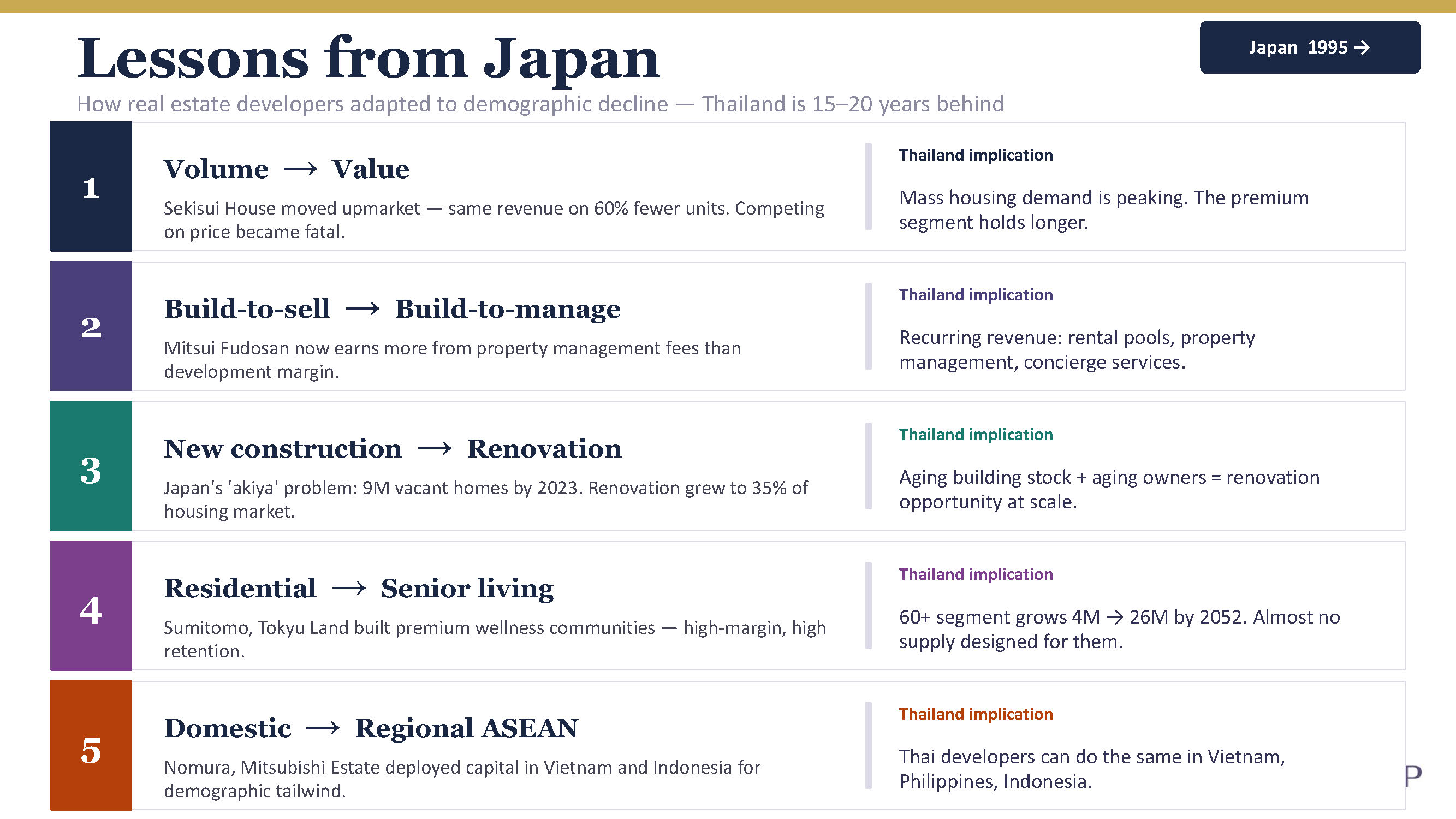
Additionally, business models must shift from “Build to Sale” to “Build to Manage,” focusing on generating long-term recurring income and renovating existing assets.
If the domestic market seems to be reaching a dead end, expanding business to regional levels is another interesting solution.
It is time for real estate developers to accept the reality that the business environment has changed dramatically. What worked successfully 20-30 years ago may no longer be the answer for the future.
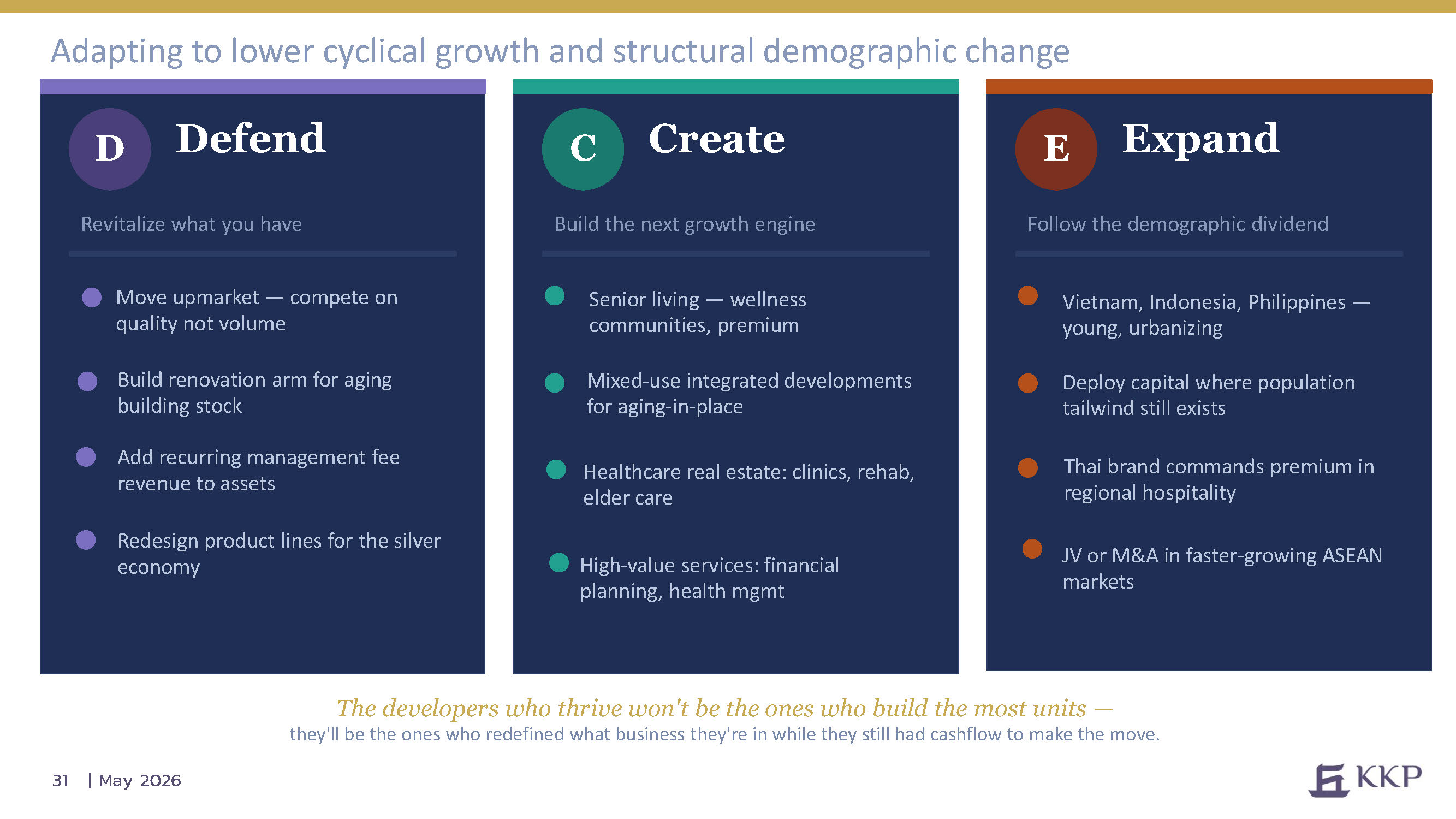
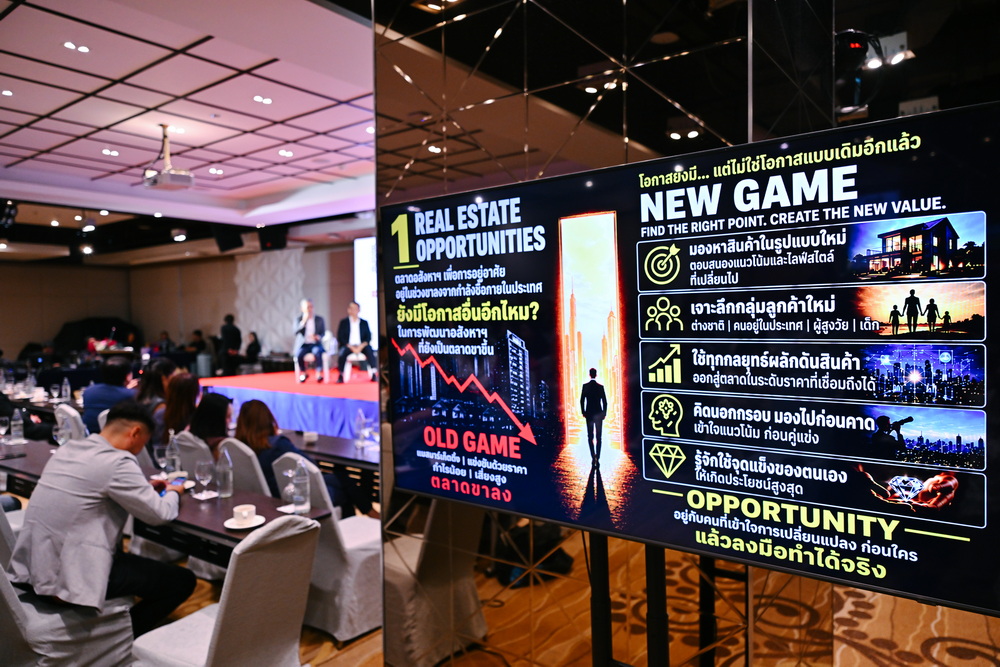
Amidst a slowing economy, those who see the truth and adapt quickly to the new game will be able to turn this crisis into an opportunity and survive sustainably.
Session 3: Discussion on “Red Ocean Survival Guide: How to Survive in a Market Where Everyone is Competing for Customers”
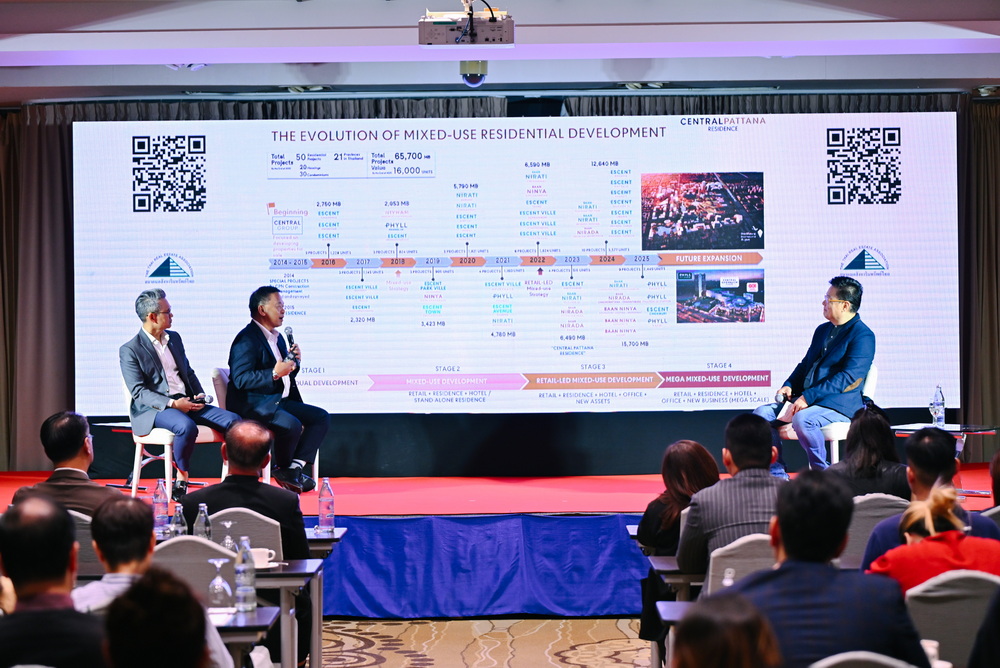
Concluding with an in-depth strategy discussion led by Mr. Kirati Stasook, CEO of CP Land Public Company Limited, and Air Chief Marshal Kree Detchai, Managing Director of Central Pattana Public Company Limited, moderated by Mr. Thirawat Pipatditakul, Executive Director of the Thai Real Estate Association, on the topic “Red Ocean Survival Guide: How to Survive in a Market Where Everyone is Competing for Customers.”
The Urban Development Theory that Changes the Game
When discussing individuals who have created phenomena in provincial cities today, one must mention Central Pattana, which recently set a record by selling the “PHYLL KHONKAEN” condominium project of 583 units worth over 1.6 billion THB within just three days.
The success behind this achievement stems from a sharp focus on identifying market gaps or White Space. Air Chief Marshal Kree, the leader of the residential business at CPN, explained that this success came from adapting to the market in each area while studying the market and conducting focus groups to understand consumer behavior.
The challenges of developing condominiums in provincial areas differ significantly from Bangkok. Ten years ago, it took only 15 minutes to drive from suburban housing in Khon Kaen to the city center at an affordable price.
The question is, who would be willing to pay for a 30-square-meter condominium at nearly 100,000 THB per square meter? The answer lies in redefining the concept of “convenience.”

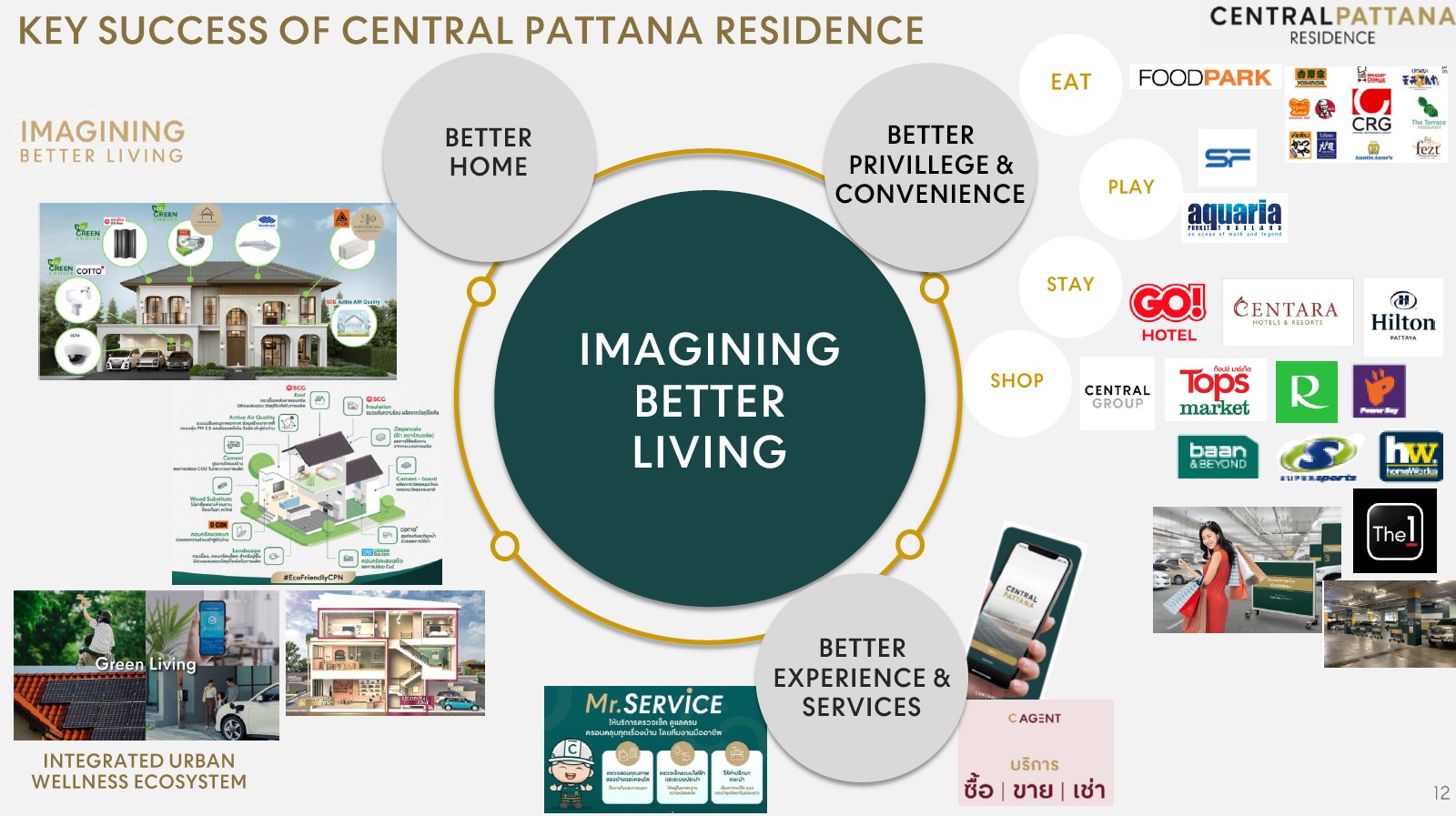
In Bangkok, convenience means condominiums adjacent to BTS stations, while in provincial areas, convenience means condominiums located in shopping centers that offer a complete lifestyle. Living in a compact unit is not an issue if the project can provide the “largest living room” and “most diverse dining options” through the shopping center and hotel facilities. Extensive groundwork led to over 2,000 pre-registered customers, resulting in over 90% of sales being filled from day one.
“We are not just selling a 30-square-meter unit; we are selling a lifestyle with a large living room and hundreds of dining options in the shopping mall. Whenever someone feels lonely, they can just walk down to hang out. This is an ecosystem that changes lifestyle behaviors, which competitors find hard to replicate.”
Currently, Central Pattana has evolved into a Mixed-use Developer that encompasses residences, hotels, offices, and new businesses within the same ecosystem. They are also transforming a 750-rai area in Rangsit, which will include a rail system, residential areas, hotels, offices, and comprehensive amenities. The goal is not just to create a mixed-use development but to build a “new city” where people can truly live.
Interestingly, this new project model allows leading developers to collaborate in developing the area to create a more complete and safer urban ecosystem.
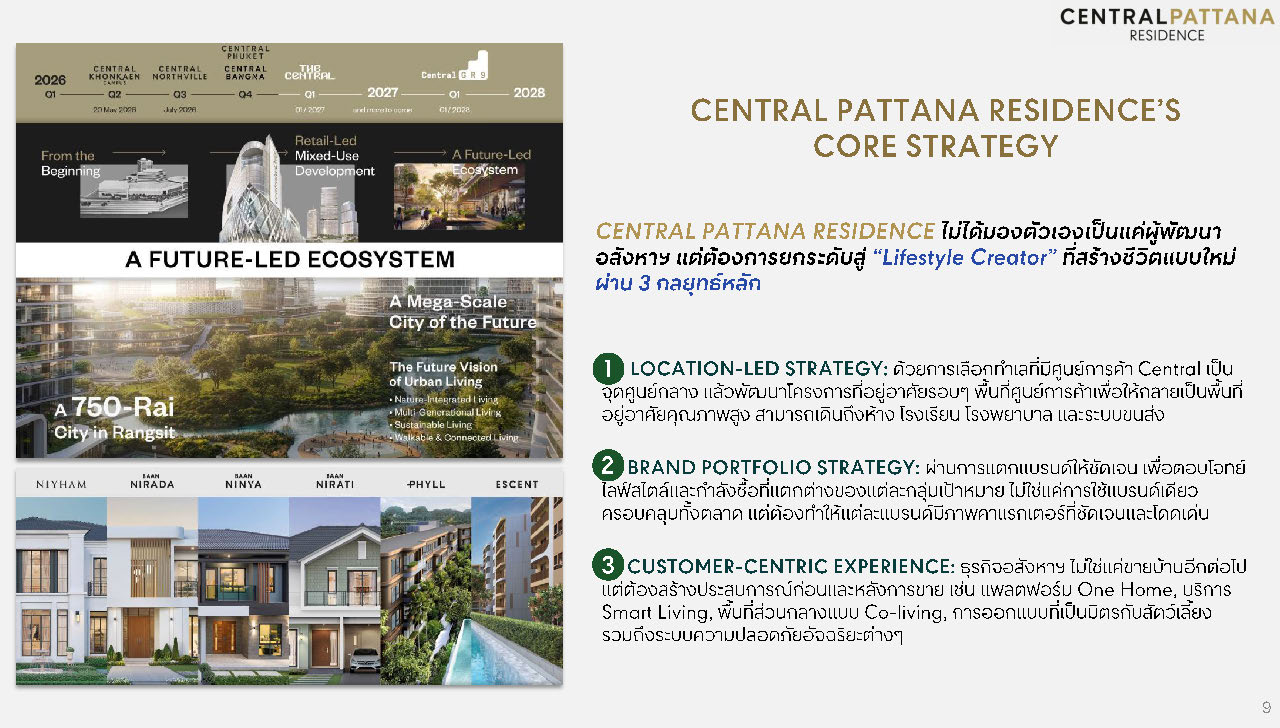
Additionally, new financial models are being developed, such as long-term lease agreements (Leasehold) for 30 years, to help younger generations and working individuals access high-quality housing at more than half the market price, with the option to expand room sizes as their lives evolve, which aims to enhance societal well-being alongside business growth.
Retreat to Win: Adapting to New Consumer Behavior as Young People Buy Homes Based on 'Experience'
When shifting perspectives, Mr. Kirati Stasook from CP Land shared strategies that serve as lessons in risk management in a competitive world, stating, “Do not be carried away by the notion that every crisis presents an opportunity” if you have not assessed your true potential.
Mr. Kirati prompted thought-provoking questions regarding misconceptions about opportunities during crises. Currently, the market conditions are unfavorable, with rising costs while price ceilings are being severely compressed.
Research shows that only 1% of developers can decisively turn the game around like in Khon Kaen, while about 12-15% manage to maintain profits, and 20% see reduced profits but remain afloat. The most alarming figure is that over 55% of developers in the market are at risk of losing everything.
Thus, the first thing real estate developers must have is “awareness in setting goals.” If the organization is not strong enough and lacks sufficient capital, pushing for aggressive growth targets may worsen the situation.
The solution is to reduce product portfolios, clear old stock, and manage liquidity to a safe level first.
In terms of product development, Mr. Kirati highlighted the changing values among new customer segments, explaining that we have moved past the 80s and 90s era where “location is everything” to the “Generation of Valuation,” where consumers decide to purchase based on values and emotional impacts.
New consumer groups like Gen Z have completely changed their purchasing behavior. Some already own three homes (e.g., from grandparents' homes in the provinces, grandparents' homes, and parents' homes in Bangkok). The challenge for real estate developers now is to create the second, fourth, or fifth homes, focusing on abstract needs such as quality of life, feelings of safety, and future value.
Moreover, lifestyle behaviors have shifted towards a desire for less commitment or long-term burdens. If something purchased is likely to depreciate, they will choose to “rent” or utilize “new financial models” like rent-to-own or leaseback instead of traditional purchasing loans.
As the country's economic stimulus tools reach their limits, both the private sector and the public cannot incur more debt, leading the real estate industry into a situation of oversupply while purchasing power contracts, resulting in fierce price wars.
Mr. Kirati provided an interesting financial principle, stating that among the three financial statements (income statement, cash flow statement, balance sheet), it is impossible for everyone to strengthen all three simultaneously. The most crucial aspect during a crisis is “cash flow” to create working capital and seize new opportunities in the future.
The three “no’s” for business management that Mr. Kirati emphasized for sustainable financial management are:
1. “No sloppiness” - Regardless of how long you have been successful, do not neglect details; always take action and pay attention to details yourself. There is no room for laziness in this industry.
2. “No delay” - Analyze quickly, adapt swiftly, and change your mindset rapidly. If you plan to try something new, do it quickly; if it doesn’t work, be brave enough to stop and not get trapped in past successes.
3. “No immorality” - Maintain ethics and governance, be honest, and responsible to all stakeholders, including customers, banks, and employees.
“This crisis will test who has more awareness. We must be willing to let go of stubbornness to preserve cash flow because in the future, customers who buy from us today may return as competitors selling at lower prices than our costs.”
Conclusion: A Compass Leading to the Future of Thai Real Estate
From the summary of the seminar “PROPERTY HACK 2026: Survival Ocean,” it is clear that the Thai real estate sector has reached a significant turning point. The current battlefield does not allow opportunities for those who adapt slowly.
Instead, it is the era of flexible entrepreneurs who dare to transform their business models, build strong teams, and accurately position their products, enabling them to leap over old limitations and rise as new leaders in the future real estate landscape.