Lightweight Walls: A Budget-Friendly Solution for Home Extensions
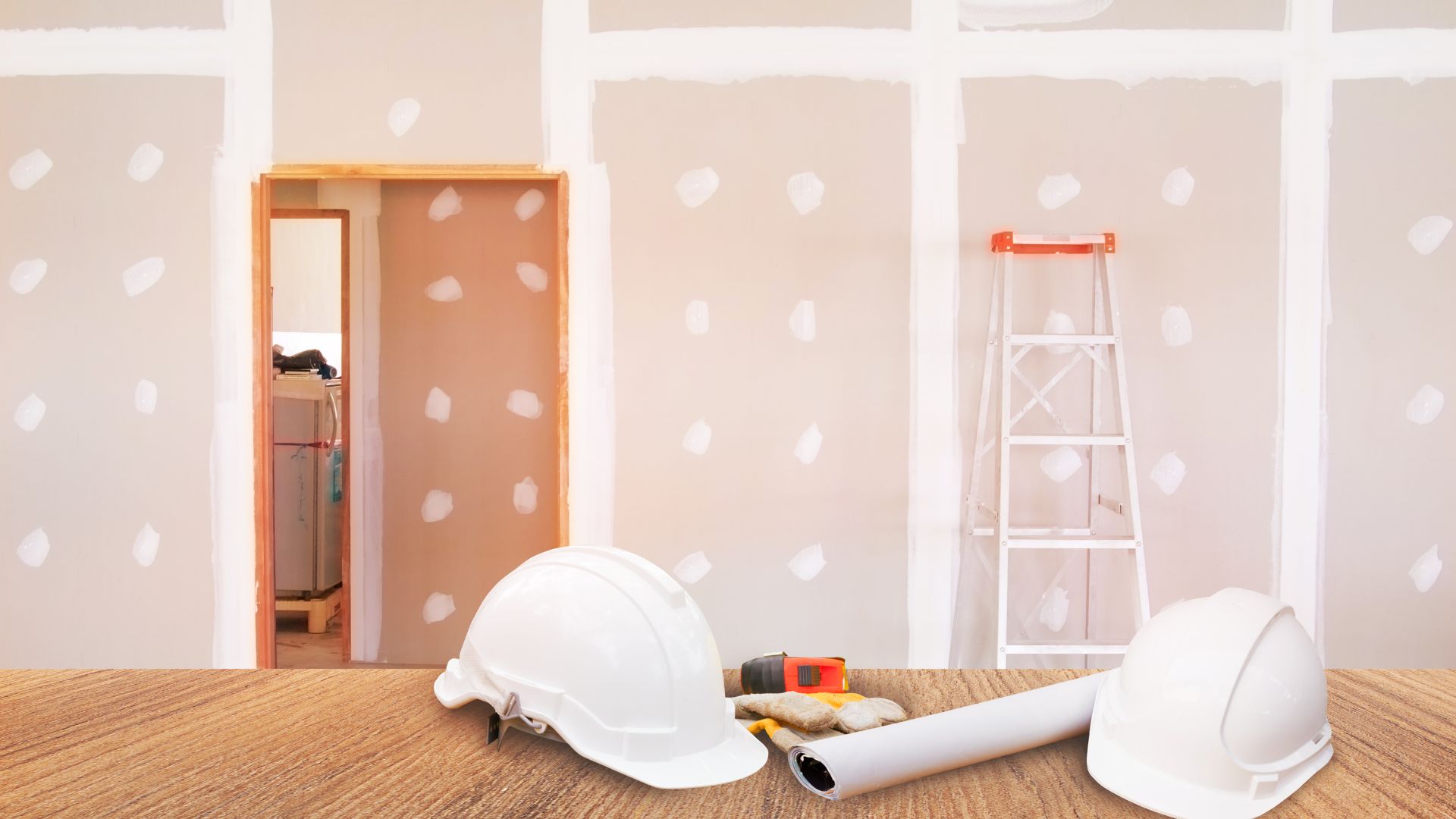
Currently, using lightweight walls to partition rooms is becoming a highly popular trend in home decoration. Besides their aesthetic appeal, they save time, reduce labor costs, and simplify the renovation process. They can be installed quickly and easily, are lightweight, and are much cheaper than traditional cement walls, eliminating the need for heavy structural support. This makes them an excellent choice for the modern era. If you're considering decorating your home or renovating a room and looking for good alternative materials, I recommend getting to know lightweight walls, a great help for those on a budget who want to extend their homes economically.
What are Lightweight Walls?
Before we explore the pros and cons of this type of wall, let's first understand what lightweight walls are and why they are gaining popularity. Lightweight walls are constructed using a framework made of wood, aluminum, galvanized steel, or iron as the main structure, then covered with various types of wall boards such as fiber cement, gypsum board, cement board, smart board, or V-board. Because these walls are not as heavy as traditional brick or cement walls, they do not require supporting beams, allowing for quick and easy room partitioning and budget savings.
Understanding the Properties of Lightweight Walls Before Use
Heat Insulation is Not as Good as Cement Walls
Even though lightweight walls are increasingly popular as a replacement for traditional walls, the first thing to know before using them is their properties. Lightweight walls do not insulate heat or sound as effectively as cement or brick walls. However, one solution is to add thermal insulation to the framework before covering it with wall boards, which can significantly improve heat and noise insulation.
Lightweight Walls are Not Strong Enough to Hold Heavy Objects
Generally, walls made of cement or wood are often used to mount shelves, cabinets, televisions, or picture frames. However, the properties of lightweight walls do not allow them to support weight as well as traditional walls. If you need to attach or hang heavy items, you can increase the spacing of the framework within the wall and attach items directly to the framework rather than the wall board.
Wall Boards May Crack Easily
As mentioned, lightweight walls are constructed using various materials for the framework and then covered with wall boards, which may crack if the structure settles or is subjected to external impacts. However, this can be remedied by applying a layer of Acrylic Sealant, which has high flexibility, adheres well to materials, and is durable under all weather conditions.
No Need for Supporting Beams
Another highlight that makes lightweight walls popular for renovations is their structural weight. Frameworks made from materials like steel, wood, or aluminum are much lighter compared to cement walls, eliminating the need for supporting beams. This makes extensions convenient, easy, and quick, saving both energy and time.
Lightweight Walls Can Be Installed Both Indoors and Outdoors
A standout feature of lightweight walls is their ability to be installed both indoors and outdoors. However, it is essential to choose materials that are suitable for the intended use to ensure effective and cost-efficient performance. For example, lightweight walls in kitchens should be heat-resistant and fireproof, while those in bathrooms should be moisture-resistant. For outdoor walls, materials that can withstand water and heat and have high flexibility should be selected.
Currently, the use of lightweight walls in renovations is becoming increasingly popular due to their aesthetic appeal, quick installation, reduced complexity, and significant cost savings compared to traditional walls. However, selecting both the framework and wall board materials that match the intended use is also crucial and should not be overlooked. If you're thinking about decorating a new room or extending your home and looking for useful information along with professional usage tips and alternative materials for home decoration, such as lightweight walls and various products, I recommend visiting the TOAGROUP website https://www.toagroup.com/, which offers interesting and beneficial knowledge to help you make the best purchasing decisions to meet your needs.