Health Innovations Transforming Real Estate
We must acknowledge that "Smart Homes" are entering a significant transformation, shifting from merely focusing on convenience to becoming spaces that enhance longevity and quality of life.
As we enter this new era, the integration of health technology into living spaces is becoming a "game changer" for the real estate industry. We are moving beyond the novelty of voice-activated systems and automatic temperature controls to “Health-Centric Intelligence,” where homes actively assist in health care.
By embedding invisible monitoring technologies, environments that adapt to circadian rhythms, and AI-driven air and water purification systems into the DNA of buildings, developers are no longer just selling usable space; they are selling "healthier and longer life spans" (Health span vs Life span). Homes that cannot monitor cortisol levels (the stress hormone) or aid in physical recovery are not just outdated; they represent lost opportunities.
1. Biological Infrastructure
Homes are evolving towards the concept of "Passive Wellness," where the building itself can support the health of its residents without any button being pressed.
Circadian Lighting is an innovation that goes beyond typical color-changing light bulbs. It is a full-spectrum LED lighting system that can accurately simulate the wavelengths of sunlight at different times of the day. Integrating this lighting system represents a significant shift in health-focused home innovation, moving the emphasis from aesthetics alone to prioritizing the health of residents.
By adjusting the indoor environment to align with the natural 24-hour sunlight cycle, these systems use tunable LED technology to control the release of melatonin and cortisol. In the morning, high-intensity cool blue light stimulates alertness and metabolism.
Conversely, transitioning to warm amber light in the evening signals the body to begin relaxing.
This natural rhythm adjustment is crucial for mental well-being, as it helps reduce symptoms of Social Jetlag often caused by being in static, artificial light environments.
Ultimately, a home that actively supports human sleep and wake cycles is not just a smart living space; it is a proactive health care tool that enhances cognitive potential, sleep quality, emotional stability, and long-term physical strength.
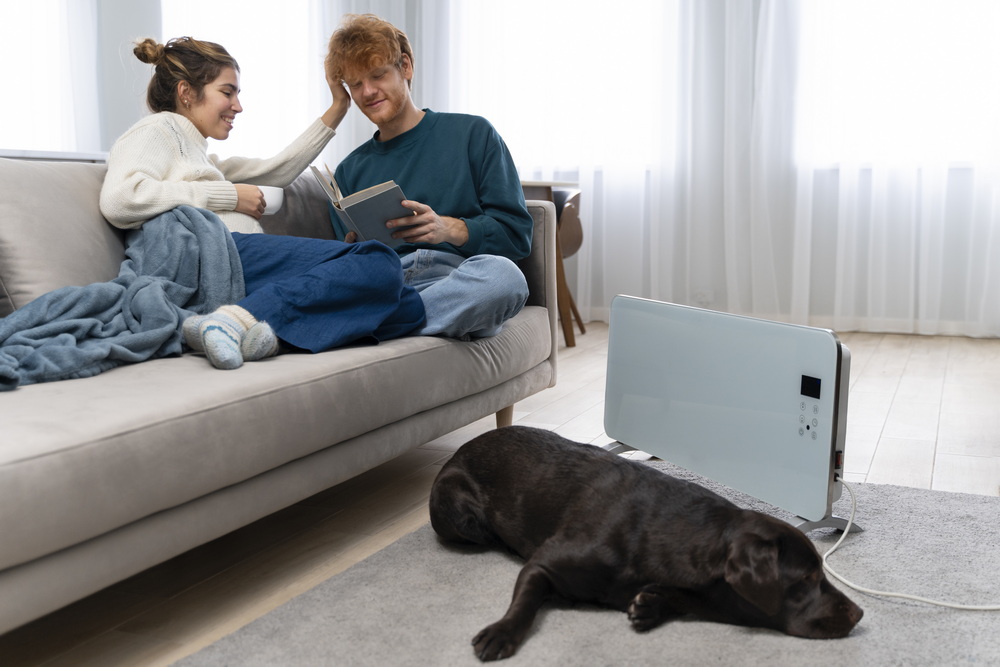
Nature-like Oxygen The use of "Nature-like Oxygen Generators" in modern homes marks a significant transition from basic air filtration to optimization. While conventional HVAC systems merely circulate stale air within buildings, advanced oxygen enrichment technology simulates the freshness of the atmosphere found in pristine environments like deep forests or coastal areas.
By restoring oxygen levels to their natural balance and introducing negative ions into the space, these systems help combat Sick Building Syndrome commonly found in densely populated urban areas.
Continuous access to pure, energizing oxygen enhances mental clarity, accelerates physical recovery, and stabilizes the nervous system, transforming homes into sanctuaries for effective longevity.
In a world where we spend up to 90% of our time indoors, bringing outdoor chemical elements into our homes is no longer a luxury but a crucial pillar of proactive health management in today's era.
Acoustic Decompression Homes are now being designed with "Sensory-calibrated spaces", incorporating advanced noise-canceling technology into building walls to create "quiet zones" that are essential for mental recovery in urban environments.
In the evolution of health-focused home innovations, integrating these quiet zones is a vital structural mechanism to combat the increasing "noise pollution" of modern life. These areas differ from typical rooms as they are engineered with soundproofing and advanced sound-absorbing materials to create a deeply tranquil environment, providing necessary respite from the continuous noise of technology and urban activities.
Architectural attention to silence is as important as exercise spaces because it helps create neurological white space necessary for restoring cognitive potential and reducing sensory fatigue. By creating disturbance-free areas, quiet zones transform residences into proactive mental health tools, enabling residents to maintain emotional balance and mental resilience amidst a world filled with overwhelming stimuli.
2. Hospital-at-Home Diagnostic Suite
The emergence of "Private Clinics" within bedrooms and bathrooms represents a significant leap in health-focused home innovation, shifting from reactive care to continuous, seamless health monitoring.
By integrating medical-grade sensors, such as smart mirrors that analyze vital signs through the skin, toilets equipped with automatic urine analysis systems, and beds that monitor cardiovascular health, homes become proactive participants in extending residents' lifespans.
The integration of these technologies is crucial as it allows for the detection of physiological changes that might go unnoticed during annual health check-ups. Additionally, these systems provide insights that drive decision-making, enabling individuals to adjust their lifestyles in real-time.
Ultimately, transforming personal spaces into "Diagnostic Hubs" ensures that professional health care is seamlessly woven into daily routines, emphasizing long-term prevention without sacrificing the comfort of private relaxation areas.
Predictive Bathrooms Today, smart scales and even smart toilets can analyze over 60 biological markers, including muscle mass, heart age, and hydration levels, sending daily "Health Scores" to your phone within just 90 seconds.
The concept of smart bathrooms represents a new frontier in health-focused home innovation, elevating traditional usage areas into diagnostic centers that do not disrupt the body. By embedding advanced technology into everyday devices, such as toilets that can automatically analyze urine and mats that track various cardiovascular statistics, this environment can continuously provide in-depth health information without interrupting users' morning routines.
This proactive monitoring is as crucial for extending lifespan as other forms of care, as it allows for the rapid detection of subtle physiological changes, such as fluctuations in body water levels, blood sugar, or metabolic efficiency. Moreover, the ability of the bathroom to store and analyze data continuously over time helps identify health trends before they escalate to the point of needing medical attention.
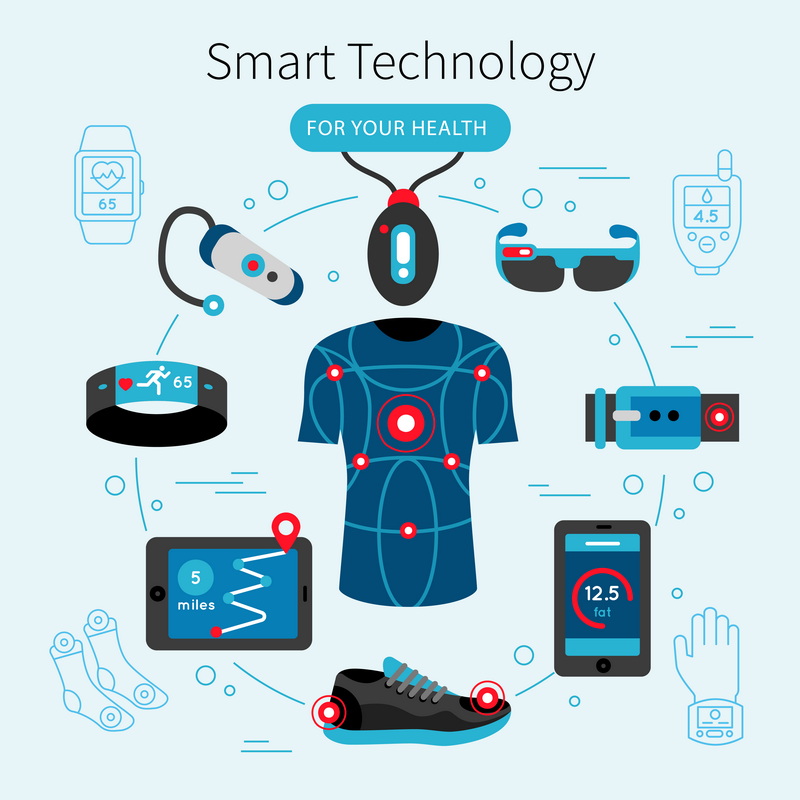
AI Health Twins By 2027, high-end residences will begin to install "Digital Health Twin" platforms, where AI will analyze data from wearable devices and home sensors to predict health risks (such as falls or illnesses) before they occur.
Implementing digital twins is akin to installing an intelligent "brain" within health-focused home innovations, creating a virtual reflection of residents' physiological conditions that change over time. By synthesizing data from smart devices and environmental sensors, this technology enables the modeling of personal health at a level previously only achievable in medical research.
This digital identity is as important as other physical health features, as it can run "predictive models" to demonstrate how changes in diet, sleep, or air quality will affect long-term physical strength, helping residents have a "navigation map for prevention" by identifying potential risks before symptoms manifest physically.
Digital health twins have transformed homes into proactive ecosystems, ensuring that good health is no longer just a "feeling" but a ‘reality’ that can be managed ‘precisely’ with a ‘clear’ ‘database’.

3. Touchless and Immersive Recovery
Recovery technologies are shifting from fitness to "Recovery Rooms", especially within homes. Having a digital recovery room that creates immersive experiences (Digital Immersive Recovery Room) represents the pinnacle of health-focused home innovation, designed to meet the psychological and neurological needs of a high-performance lifestyle.
By using 360-degree projection screens, spatial audio systems, and haptic feedback, these environments allow residents to transcend into realistic natural landscapes for meditation, instantly stimulating the parasympathetic system.
This sensory balance is as crucial as physical rest, as it significantly reduces cortisol levels and alleviates mental fatigue caused by constant connection to the digital world.
Moreover, the ability to customize these "simulated environments" for deep focus or quick stress relief is invaluable.
Strategic Perspectives for Real Estate
"Wellbeing Address" is a new definition of luxury for today's real estate developers, transforming "gym spaces" into "Longevity Infrastructure" as consumers and residents now value "Healthspan" as much as the size of usable space.
What innovations does your project need? To meet consumer expectations while remaining cost-effective, select valuable and relevant innovations. Let the Terra Research market research experts assist you. Contact us at https://www.terrabkk.com/contact