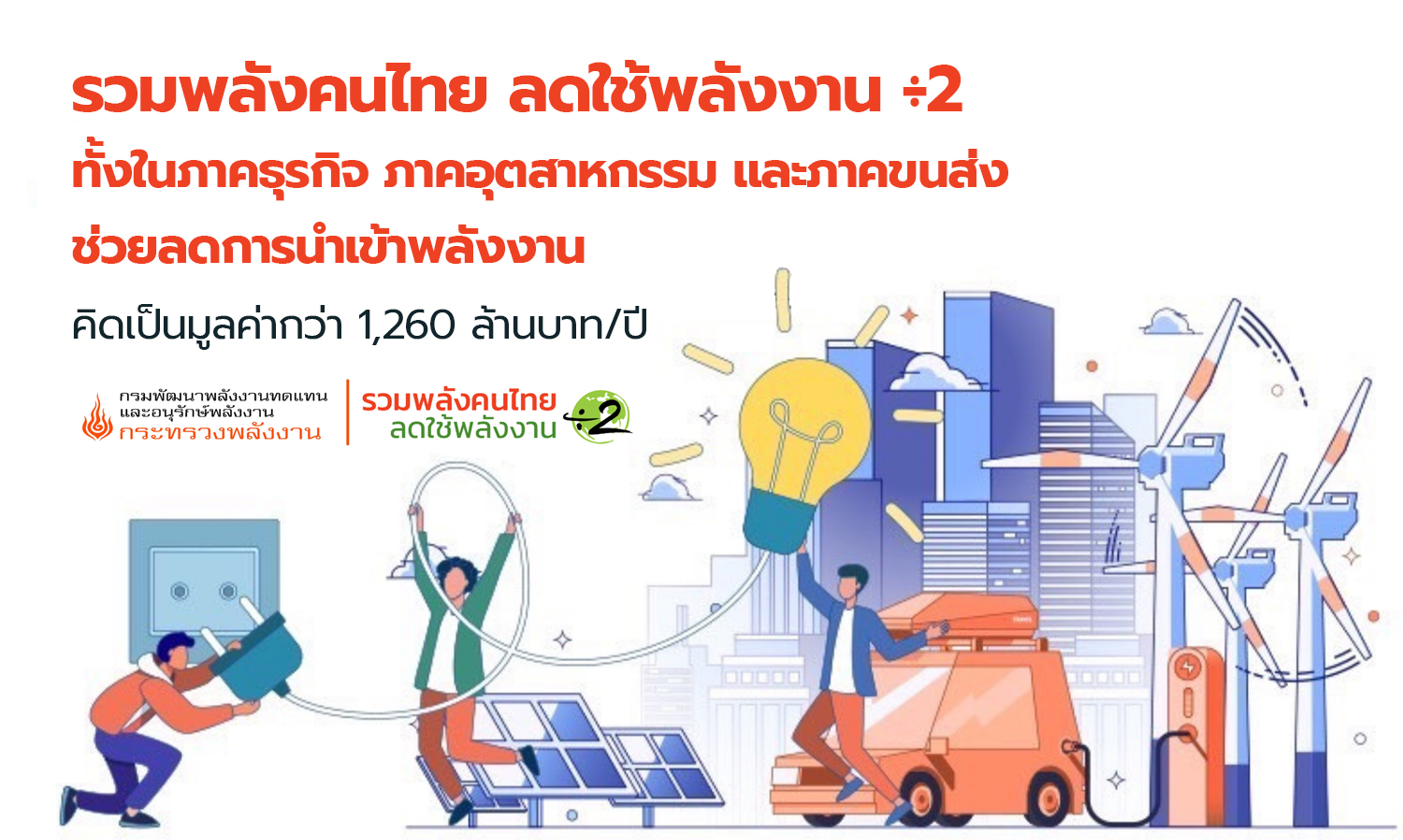
Uniting Thai People to Halve Energy Consumption in Business, Industry, and Transportation, Reducing Energy Imports Worth Over 1.26 Billion Baht Per Year
The Department of Alternative Energy Development and Efficiency (DEDE) is moving forward to reduce energy consumption by injecting over 500 million baht through three key projects to enhance energy efficiency. The results of these initiatives have already shown a reduction in energy use in the business, industrial, and transportation sectors, leading to a decrease in energy imports by over 84 ktoe, equivalent to a value of more than 1.26 billion baht per year.
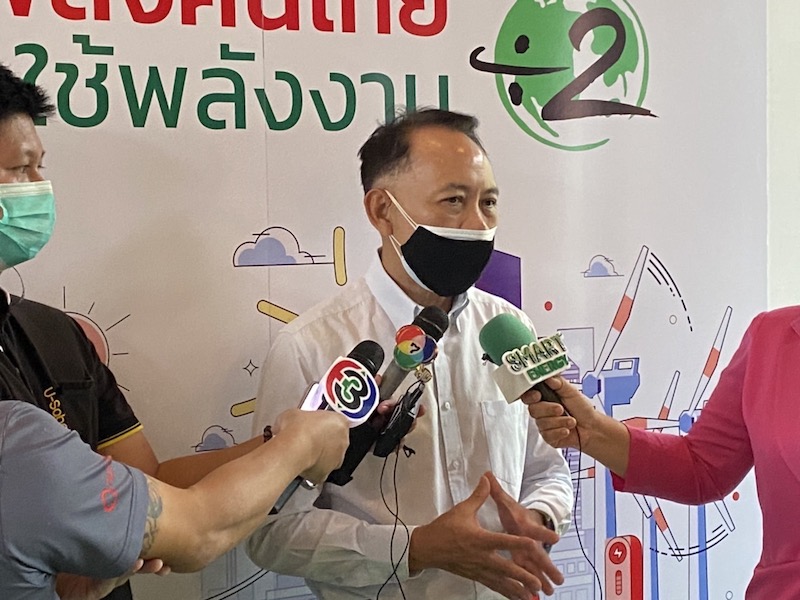
Dr. Prasert Sinsootprasert, Director-General of DEDE, revealed that due to the energy consumption issues affecting all sectors in the country, the government has declared energy reduction as a national priority, urging all sectors to cut down on energy use. DEDE, as the main agency responsible for developing and promoting alternative energy and energy conservation, has implemented measures to support energy savings in the business, industrial, and transportation sectors to help the nation overcome the current energy crisis.
DEDE has promoted energy savings at the business level through the Energy Conservation Promotion Fund, allocating a total budget of 500 million baht to support investment (20-30%) in upgrading machinery and equipment in factories and buildings, improving equipment and management systems for transportation, and promoting the use of renewable energy to reduce costs. This initiative has attracted interest from over 900 operators, resulting in energy savings of 84 ktoe or over 1.26 billion baht per year. The outcomes of each project include:
1. Investment Support Project for Upgrading Machinery and Equipment for Energy Conservation in 2021: DEDE provided partial investment support of 20%-30% for upgrading machinery and equipment to SMEs, startups, and agricultural operators, with a total support budget of 378 million baht. A total of 457 establishments received support, generating at least 2.095 billion baht in economic investment, with expected energy savings of 20 ktoe per year, equivalent to nearly 1 billion baht in savings, and a reduction in greenhouse gas emissions of up to 120,000 tCO2.
2. Energy Conservation Promotion Project for Transportation Operators in 2021: DEDE supported 30% of the investment, up to 1 million baht per entity, with 21 recipients totaling 20 million baht. This resulted in energy savings of 1.89 ktoe, equivalent to 36 million baht per year, a reduction in greenhouse gas emissions of 6,000 tCO2, and stimulated over 72 million baht in investment.
3. Renewable Energy Support Project in the Heat Sector: With a support budget of 103 million baht, 46 applicants have been approved, increasing the share of fuel use in the heat sector, comprising 60 ktoe of biomass and 2 ktoe of biogas, equivalent to 220,000 tons per year.
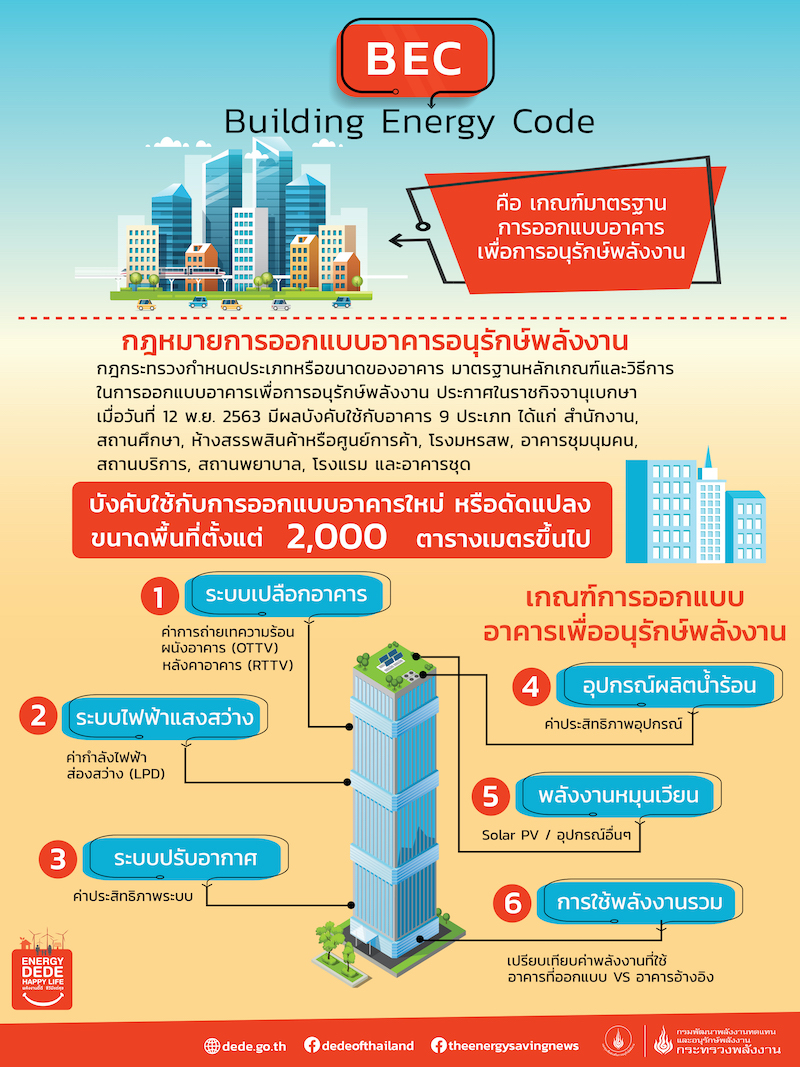
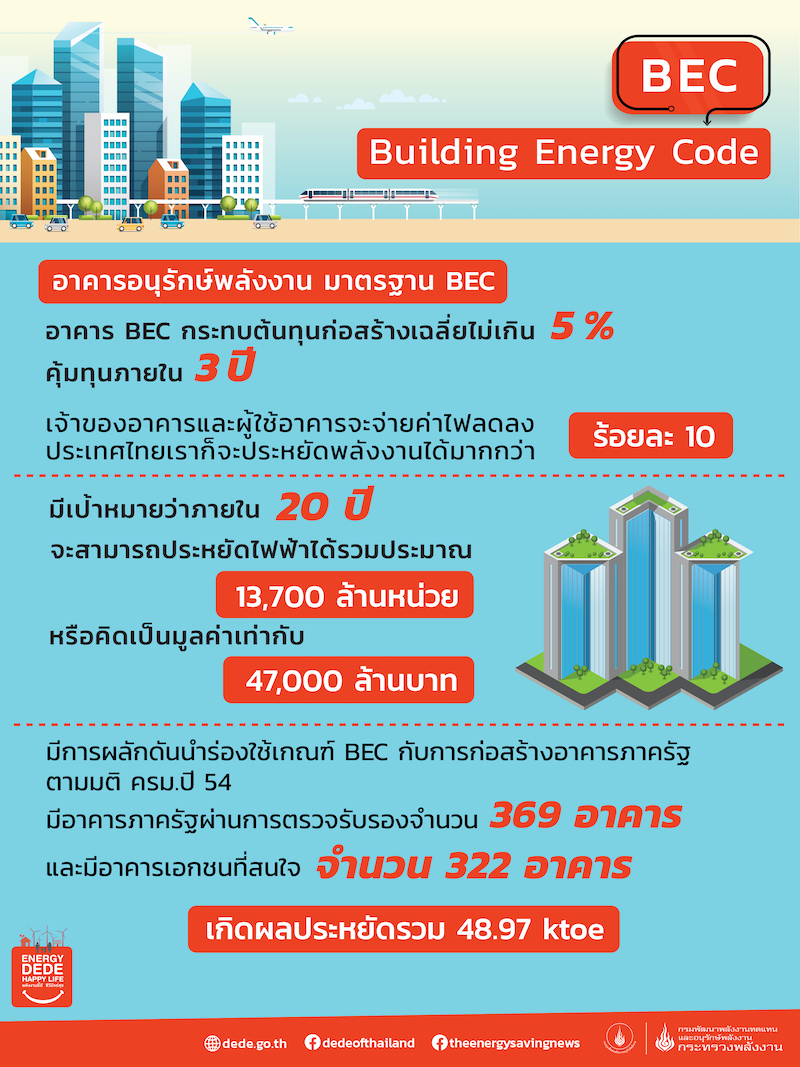
Dr. Prasert further stated that DEDE has also taken steps to reduce energy consumption in the industrial sector, such as:
- Monitoring and Reporting by Controlled Factories and Buildings: Over 9,500 establishments submitted reports on energy management audits and certifications in 2021, aiming for energy savings of no less than 267 ktoe, equivalent to 6.675 billion baht.
- e-Service Development: An electronic government service has been established to facilitate operators and stakeholders in submitting requests and receiving feedback efficiently, which will help reduce costs and energy use related to paperwork, travel, and processing time.
- Online Training Courses: Offered to energy managers in controlled factories and buildings that do not yet comply with legal requirements.
Additionally, DEDE has implemented measures to assist government agencies in reducing energy consumption by 20% in 900 controlled government buildings and 8,062 uncontrolled buildings, with measures including promoting awareness, online training for energy managers, proactive consulting on energy management, establishing a hotline for energy management consulting, and seminars to clarify energy reduction measures in government agencies, along with guidance from 10 academic service centers nationwide.
“Energy saving is currently the best way to combat the energy crisis, as it can be implemented immediately and yields quick results,” and has received strong cooperation from financial institutions.