
Lumpini Wisdom Suggests 7 Ways to Improve Housing for the Elderly

Mr. Prabhan Sak Raksaiwan, Managing Director of Lumpini Wisdom and Solutions Co., Ltd. (LPN Wisdom or LWS), a research and consulting company in real estate development under the LP.N. Development Public Company Limited (LPN), recommends simple ways to improve housing for the elderly to meet their living needs in families, which include:
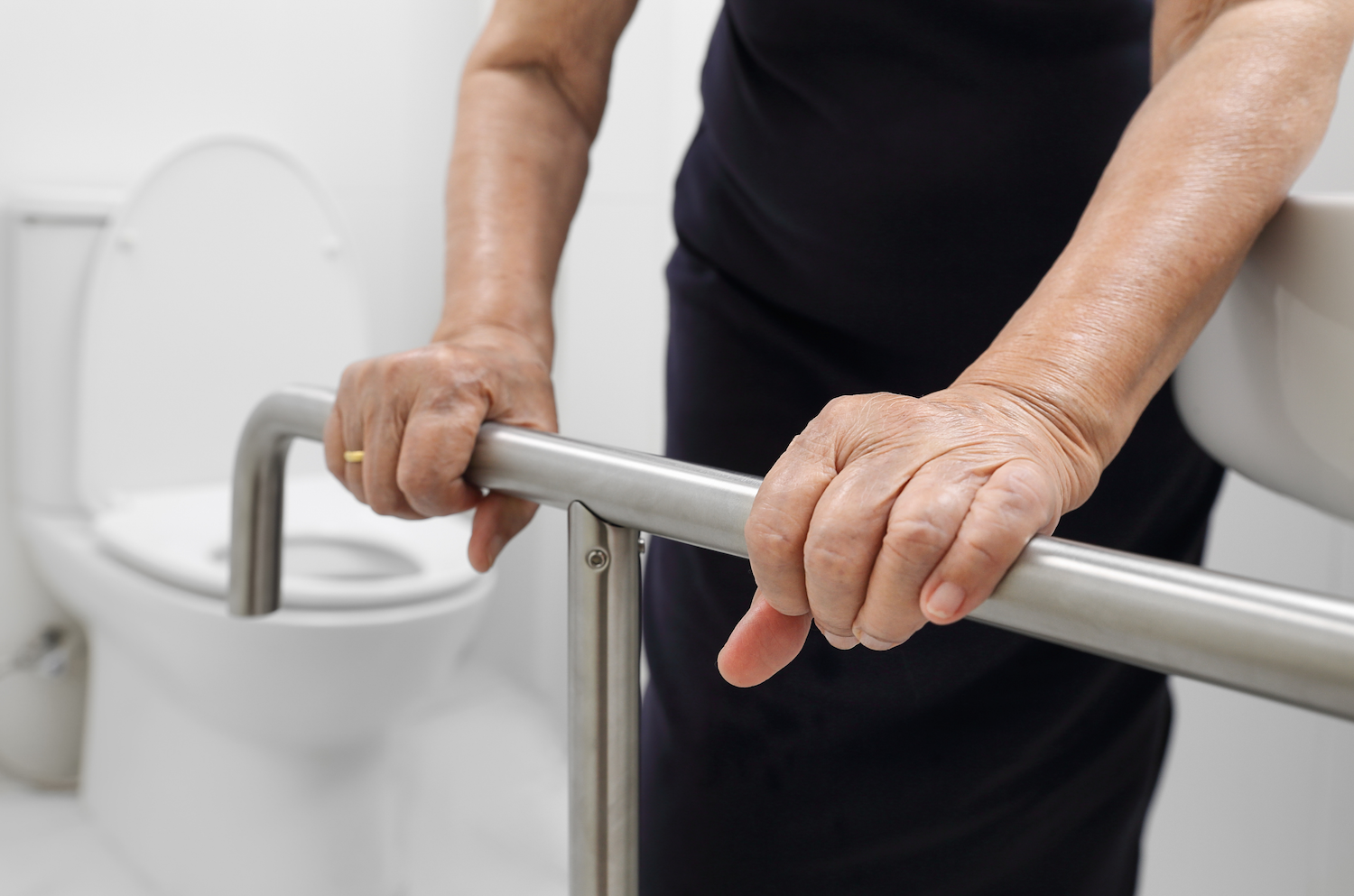
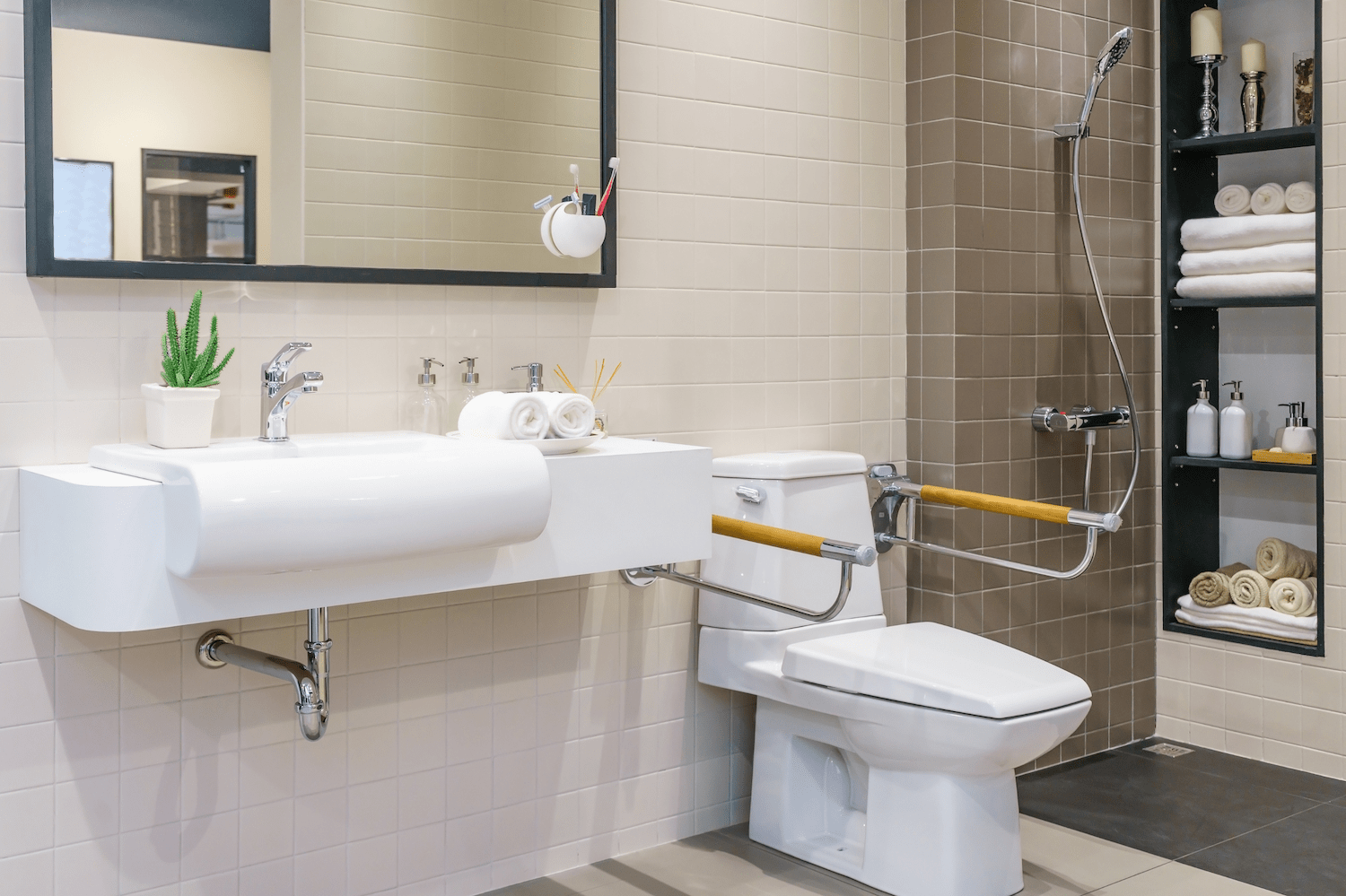
1. Bathroom Improvements should be suitable for elderly use. Statistics show that 1 in 3 elderly individuals will experience a slip and fall accident in the bathroom. Therefore, the bathroom should be the first area in the house to improve by installing grab bars for support, using floor tiles with a rough surface that has a slip resistance rating of R10 or higher, and selecting durable sanitary ware that is not easily breakable. The toilet should not be too low to make it difficult to get up, and the bathroom should have adequate lighting.
2. Choosing Furniture for Elderly Use should involve selecting stable chairs and sofas that do not tip over easily, as elderly individuals often lean their weight for support when sitting or standing. Shallow seats are more suitable for those with knee issues than deep seats. Reclining seats are ideal for daytime relaxation. Leg rests are necessary to elevate the legs and reduce numbness, and cushions should be removable for easy cleaning. Tables or shelves should have rounded corners to prevent injuries, and shelves should be within reach, avoiding high placements, while mattresses should be 45-50 centimeters off the floor.
3. Flooring Materials with Stable Temperature and Shock Absorption in elderly rooms should avoid materials that transfer heat and cold too quickly, such as tile or stone floors, as they can cause discomfort and frequent temperature adjustments may lead to illness. Therefore, wooden floors, which maintain a stable temperature, are preferable as they help reduce impact in case of slips. Wood-patterned shock-absorbing materials made from PVC can also be used.
4. Stairs with Handrails and Door Handles Changed from Knobs to Lever Types are crucial areas where accidents can occur. Therefore, handrails should be installed along both sides of the staircase, securely at a height of 80 cm from the floor. Door handles should be changed from knobs to lever types for easier use by the elderly.
5. Green Spaces for Mental Restoration in residences with green areas help alleviate stress and reduce depression. Engaging with nature fosters positive emotions. Consider creating spaces for potted plants or vegetable gardens to encourage elderly individuals to move a little more in their daily lives.
6. Technology Many elderly individuals live alone or as couples. Smart Home technology meets their comfort needs, allowing control of devices, lighting, and motion sensors, especially for safety, such as emergency buttons in the bathroom and by the bedside to alert family members, building caretakers, or hospitals.
-min.png)
7. Prepare WiFi According to a survey by the NRF, over 47% of Baby Boomers are increasingly using social networks, with 75% having their own Facebook accounts. They enjoy sharing information with friends and using it to connect with family to alleviate loneliness. Additionally, elderly individuals are increasingly fond of online shopping. Therefore, installing comprehensive WiFi throughout the residence is essential.
“Thailand is moving towards an aging society, with the National Statistical Office indicating that by 2030, over 21% of the population will be aged 60 and above. It is predicted that Thailand will become a Super Aged Society during this period, with the elderly divided into two groups: those who can care for themselves (Independent Living/Active Aging) and those who require caregivers (Assisted Living).
For the self-sufficient group, improving the environment and housing to suit their needs is essential for them to live normally. Meanwhile, the group requiring caregivers may need to reside in care facilities or Nursing Home Care, which also necessitates designing spaces suitable for elderly care,” Mr. Prabhan Sak concluded.