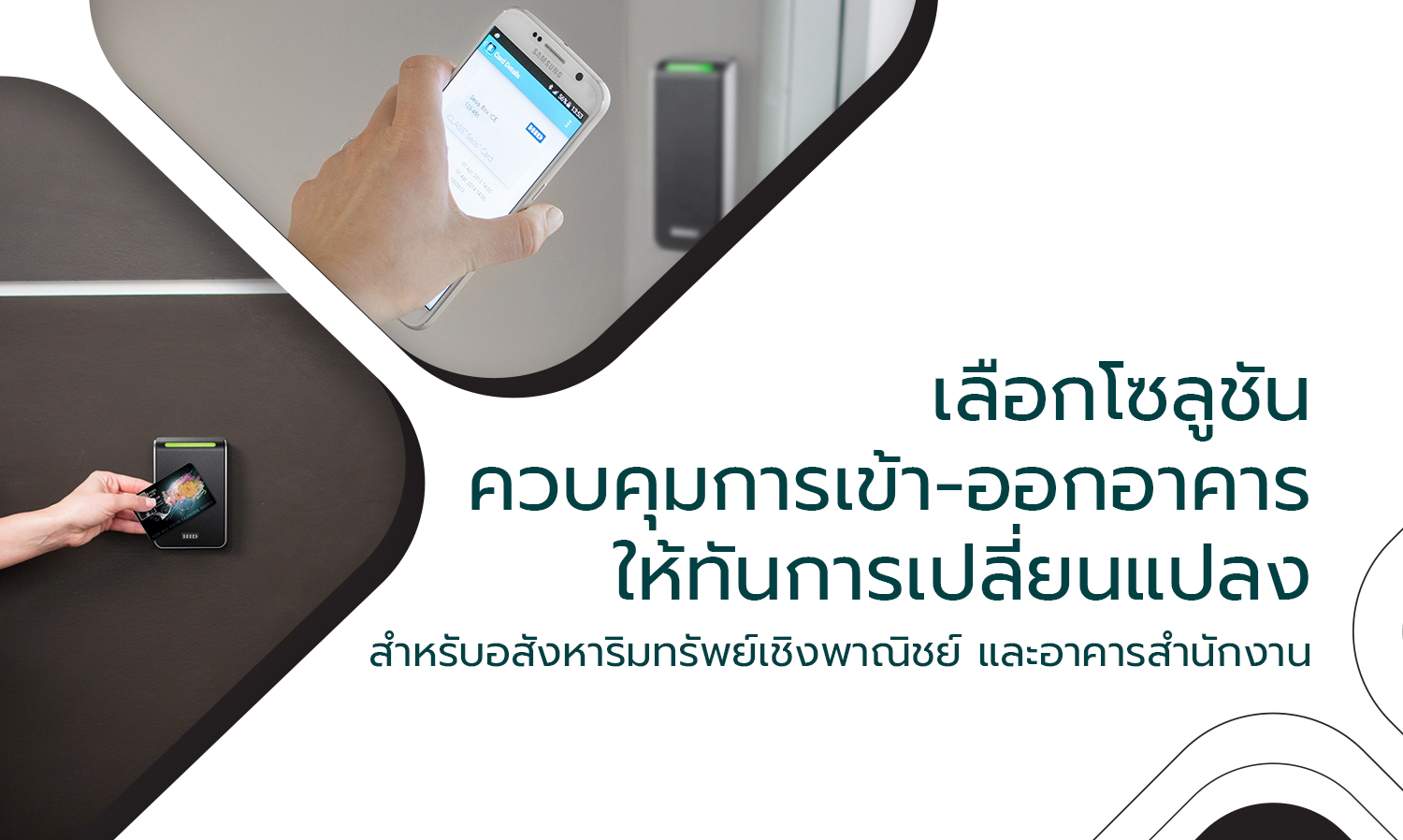
Choose an Access Control Solution to Adapt to Changes for Commercial Real Estate and Office Buildings
In light of the pandemic situation and rapidly advancing technology, providers and managers of commercial real estate (CRE) such as shopping malls, factories, and offices can no longer rely solely on traditional facilities or building management systems. They must adapt buildings to meet changing demands and increasingly complex modern technologies, such as the Internet of Things (IoT) and digital security systems.
Over the past six months, amid the COVID-19 situation, HID Global, a global leader in identity solutions, organized the ‘CRE Vertical and Consultant Webinar for Asia’ to introduce the latest trends in CRE and provide practical guidance on designing access control systems for safety and user convenience.
Troy Johnston, Director of CRE Products at HID Global, stated during the webinar that key factors to consider when designing building access systems include:
1. A positive user experience, ensuring that building users feel safe and that the system operates smoothly without interruptions.
2. Good hygiene, such as cleanliness at touchpoints that require sanitization during the COVID-19 pandemic.
3. Sustainability, as new buildings will aim for net-zero greenhouse gas emissions from energy use in the future.
4. System efficiency, ensuring energy savings and sufficient power for building operations.
5. Security.
6. Data learning, where providers should collect data within defined frameworks to enhance decision-making and consider adopting new technologies, especially touchless technologies that have become increasingly necessary during COVID-19.
For office spaces reopening to employees, three additional considerations are:
1. Flexibility in workspaces. Although employees are returning to the office, organizations are likely to seek more flexible options, such as on-demand rentals or subscription-based leases instead of long-term leases.
2. Density of building access during different times.
3. Utilizing a Digital Integrator that connects various systems in one place, such as elevator systems, room booking systems, and visitor management systems, to simplify management and enhance user experience.
In terms of technology, one solution that CRE providers should prioritize is an Access Control Solution that works for both public areas and tenant spaces. According to Eric Gunadi, Pre-Sales Manager for the ASEAN region at HID Global, the following technologies are noteworthy:
1. OSDP (Open Supervised Device Protocol), a standard technology for communication between card readers and device controllers, widely used internationally. Utilizing OSDP in building design can help providers reduce costs and enhance security, as it supports simultaneous connections between various card reader models, with encrypted data transmission for increased security, unlike Wiegand connections that lack encryption.
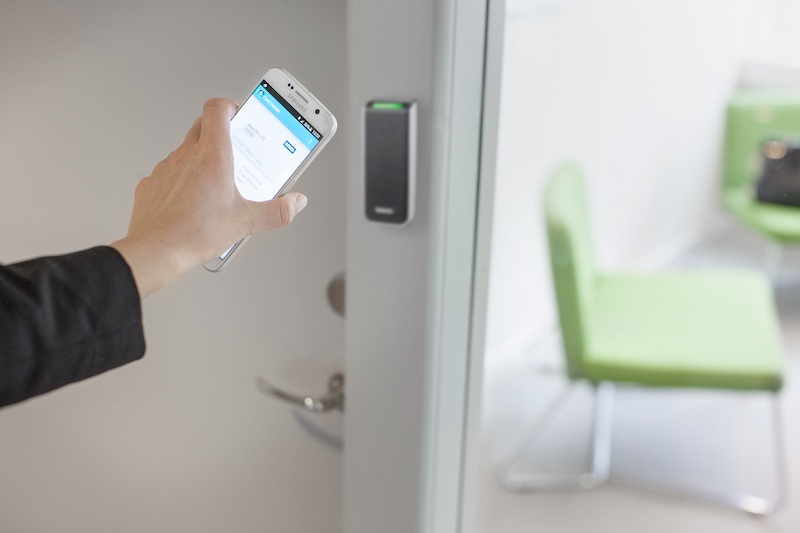
2. Touchless technology like Mobile Access, allowing users to access different areas of a building using a single application. Public and private tenant areas may use different Digital Keys, all stored on one mobile device. Additionally, users can create and integrate Mobile Access systems into their applications via API and SDK (Software Development Kit). A crucial aspect of Mobile Access is enabling smartphones to function within access control systems without relying on traditional personal data methods, such as facial recognition, ensuring users' privacy is not compromised.
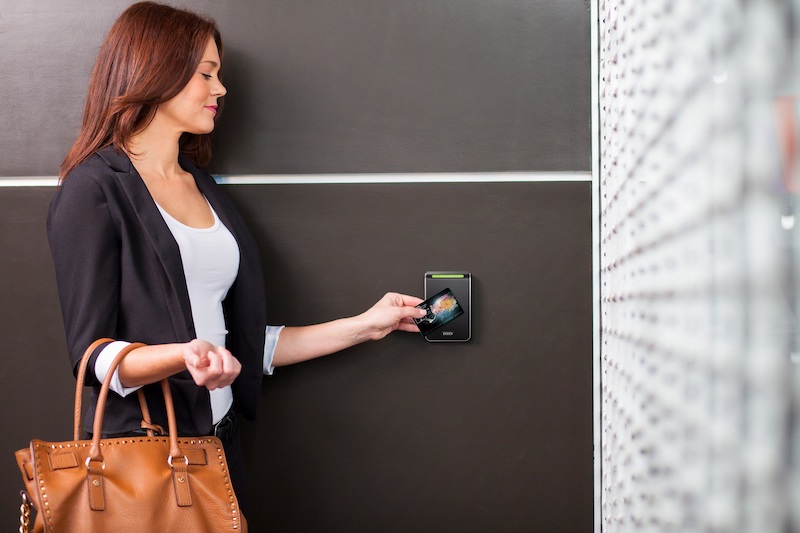
3. Card readers with IP65 standards, suitable for both indoor and outdoor use, protecting against dust and water, making them durable in all conditions. They also feature Automatic Surface Detection, beneficial for installations on metal surfaces, such as in elevators or turnstiles, common in all buildings.
4. Multi-Technology card readers that can read various card types, equipped with Bluetooth and NFC (Near-field Communication), supporting both low and high-frequency card reading.
5. Multi-Tenancy Controllers with Open API, which operate independently of any specific access control software. Users can choose software according to their needs. Another factor is selecting controllers with sufficient memory to prevent access issues and alleviate long-term concerns when adding devices or increasing building occupancy.
Moreover, designing practical access control systems is equally important. Nasrullah Wani, Business Consulting Manager at HID Global, outlined four guidelines:
1. Clearly define the scope of CRE usage from the outset, considering all necessary components of the access control system, which includes not only electronic devices but also door characteristics, locking mechanisms, and security systems. HID Global emphasizes this approach by coordinating system installations with hardware developers and security consultants from the beginning of the design process, documenting the scope to prevent potential issues during implementation.
2. Use Open Architecture access control hardware that is flexible and independent, not tied to any specific manufacturer.
3. Choose cloud solutions that easily connect with integration channels for data exchange between software (Application Programming Interface – API) and recommend using mobile applications compatible with Software Development Kits.
4. Leverage the Community Portal, accessible to providers through www.hidglobal.com, allowing login and registration for further information and access to documentation on access control systems from a business with over 25 years of experience.