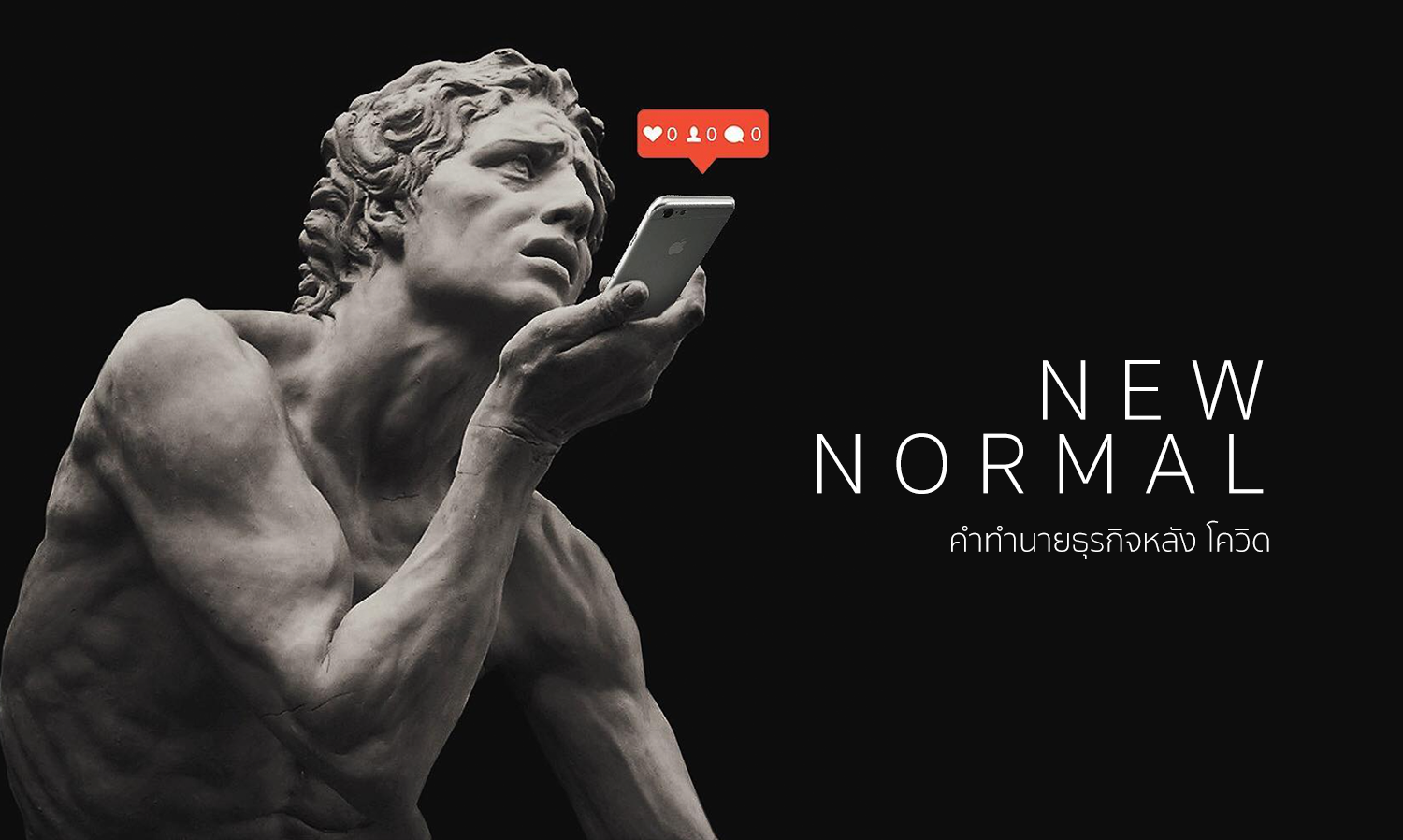
5 New Norms: Business Predictions After COVID
The 5 new phenomena (New normal) in the world after the COVID-19 pandemic, in terms of marketing, represent the most challenging changes in consumer behavior. However, COVID-19 has forced the world to adapt significantly.
The measures and mindset aimed at preventing and coping with the pandemic will influence behavior changes both during and after the outbreak, referred to as the “New normal.” I summarize this into 5 categories as follows:
1. The world will be driven by technology. Technology will disrupt traditional business models, and businesses that cannot adapt to the changing behaviors of consumers will struggle. For example, online education and the increasing replacement of human labor with technology and robots will directly impact workers and players in various industries, accelerating the need for these businesses to adapt to a rapidly changing world.
There will be a reduction in workforce. As technology replaces human labor, various industries will need to survive after this crisis. Working from home has revealed to employers how much actual labor their businesses require.
2. Online trading will grow tremendously. The crisis has forced consumers to break through their habitual shopping barriers, which will eventually become familiar and a New normal. Technology will enable producers to connect directly with end consumers, similar to the concept of From-farm-to-table. The role of middlemen will diminish, while online marketplaces and delivery services will expand. For instance, posting products for sale in various member groups on Line or Facebook.
In the near future, before supply adjusts to the new demand balance, perishable goods such as meat, vegetables, and fruits will see price reductions or be processed to preserve their value for longer. Consumers will gain more purchasing power as producers adapt, such as offering home delivery or making products more appealing.
3. Purchasing goods and services will be driven by reason. The sluggish economy and this crisis have made us realize what is essential in life and what is a luxury. Therefore, rational spending will become more popular than emotional spending. For example, purchasing housing will focus on value rather than aesthetics and inflated prices. Luxury goods and services will decrease and be replaced by savings. Examples include expensive jewelry and dining out at restaurants and cafes.
The tourism and related service industries will be directly impacted. These expenses will be among the first to be cut in a sluggish economy. However, if a new image can be created for products or services that emphasize value for money, businesses can continue to operate.
4. A germ-free society will become a concept and practice in public spaces. There will be measures to prevent and detect pathogens to avoid future outbreaks of other diseases. For example, campaigns promoting hygiene in public spaces, screening for illness before participating in public activities, or using public transportation and international travel. Cleaning and disinfecting public places will intensify, and public gatherings such as concerts and rallies will have new health measures in place.
5. Service activities will become more personalized. For instance, massage services, beauty treatments, and online medical consultations will be scheduled to prevent unnecessary gatherings. As time becomes a valuable commodity, the risk of gathering will be reduced through modern scheduling technology.
I believe that businesses will change according to the evolving behaviors of consumers, as they become accustomed to and are forced to adapt to this virus outbreak. This represents a New normal that will benefit those ready to embrace these changes.
SOURCE : www.bangkokbiznews.com