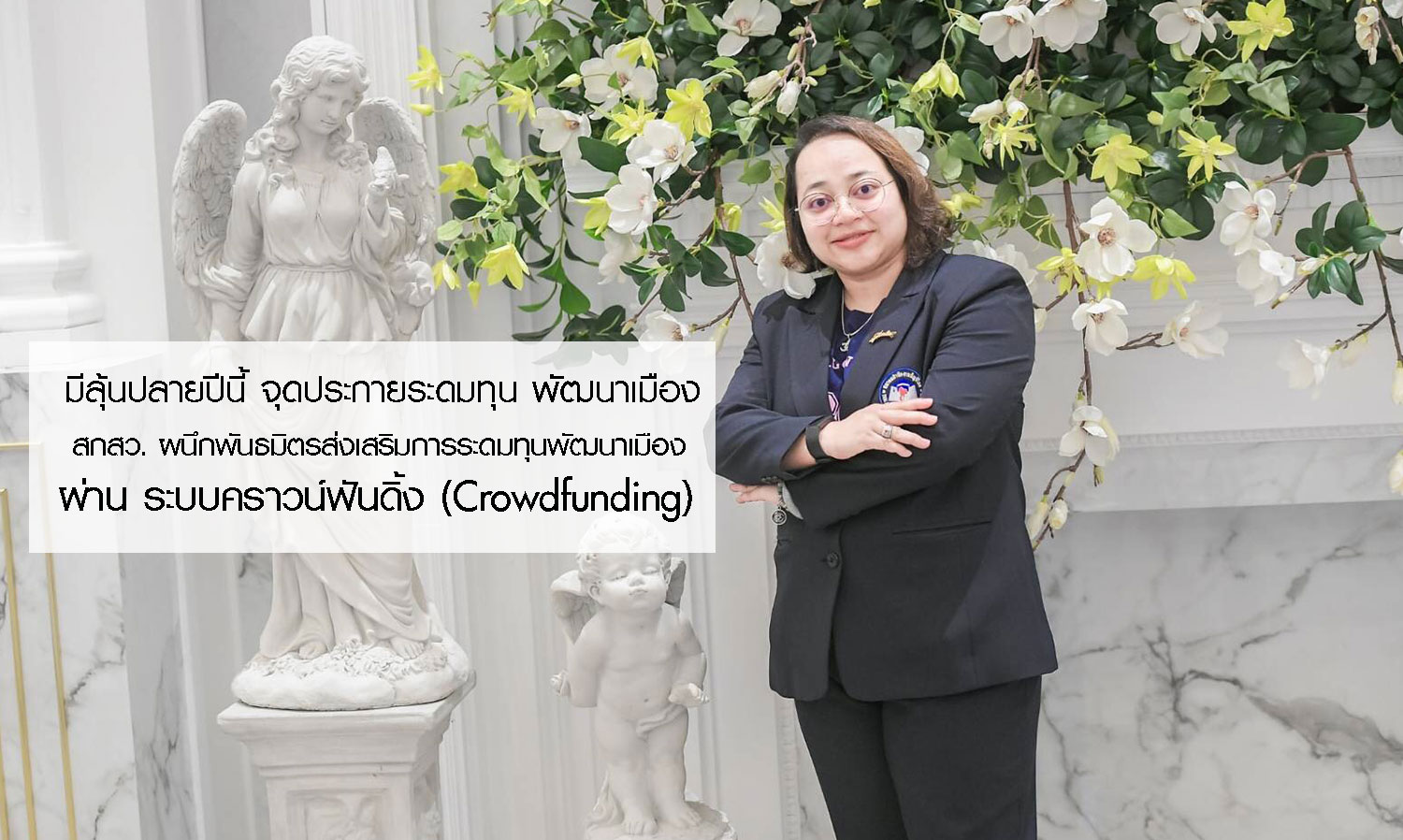
Hope for Year-End: Spark Fundraising for Urban Development as S&T Collaborates with Partners to Promote Crowdfunding
S&T collaborates with financial partners to accelerate fundraising support for urban development plans, proposing four options through Crowdfunding. Eyes are on which province will ignite the pilot fundraising initiative by the end of this year.
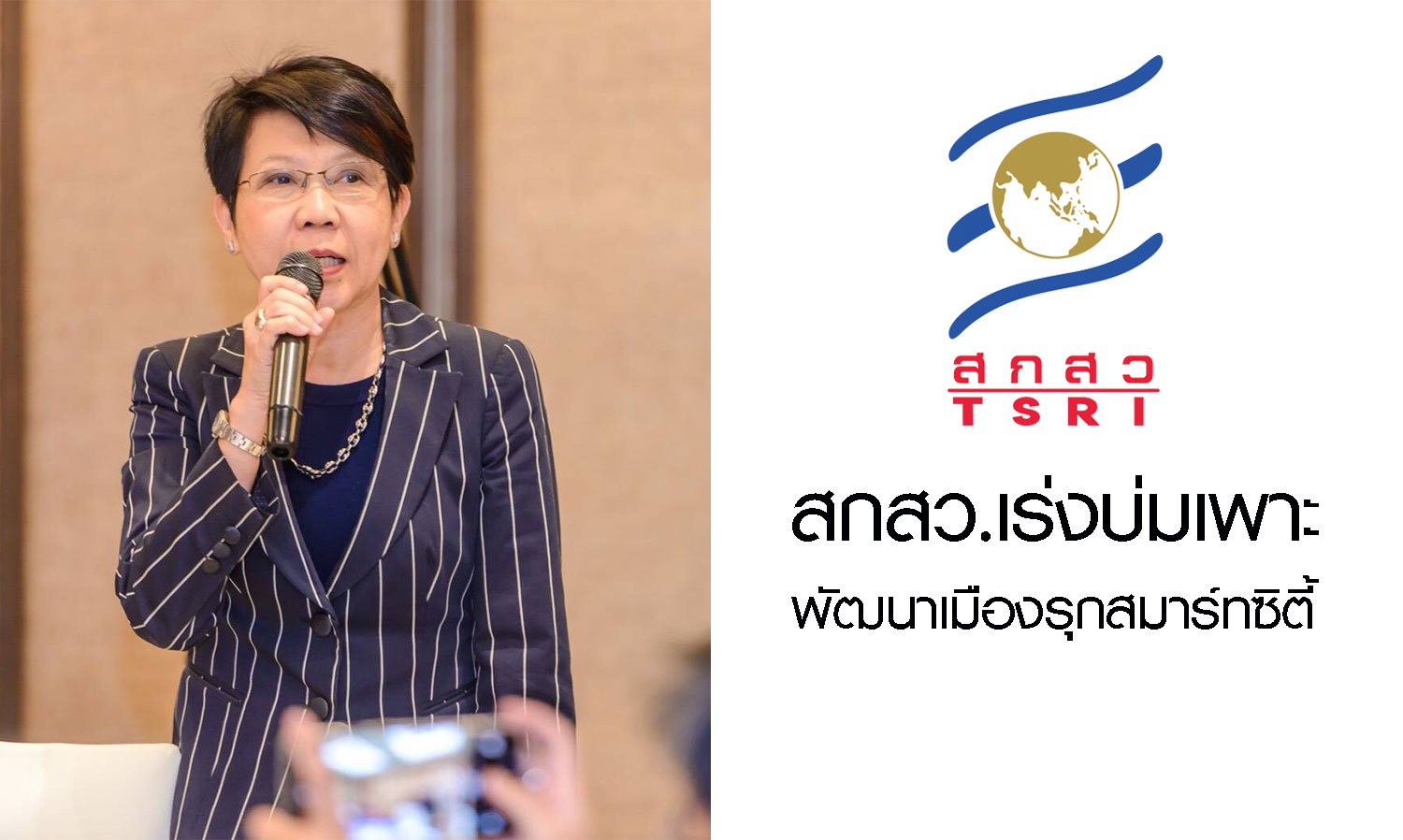
Ms. Aranya Naklo, a lecturer in the Accounting program at the College of Business Innovation and Accounting, Dhurakij Pundit University, stated that this project was invited to participate in the "Smart City Development Tools and Processes" initiative under the 4.0 Regional and Provincial Development Plan by the Office of the Promotion of Science, Research and Innovation (S&T). Five cities were selected: Khon Kaen, Saraburi, Songkhla (Hat Yai), Rayong, and Chiang Mai, from a total of 15 urban development companies to facilitate public fundraising through a platform known as the Crowdfunding Funding Portal, aiming to encourage public participation in urban development projects.
The Crowdfunding model consists of four types:
1. Donation Crowdfunding or donations without expecting returns, where donors receive merit as a reward, suitable for non-profit organizations focused on social benefits or charity. Examples include merit-making events or the recent fundraising run by a famous Thai singer, with public participation from all regions.
2. Reward Crowdfunding involves fundraising by offering products as rewards. These products must have innovative ideas or be something that has never been produced before. Investors receive products, special privileges, or benefits related to those products, such as receiving items at a special price or before others when participating in fundraising. An example is the Rayong Urban Development Company, which will use a watch system as a signal for emergency assistance for bedridden patients and the elderly who cannot help themselves, allowing 1669 to provide timely assistance.
3. Lending Crowdfunding or Peer to Peer Lending (P2P) is a fundraising model based on loans, facilitated by an intermediary that arranges loan agreements between borrowers and lenders. Lenders must repay the principal along with interest to the borrowers within the time frame specified in the loan agreement, meaning lenders receive interest as a reward. Currently, personal loans between individuals are regulated by the Bank of Thailand, and this model has not yet been established in Thailand. However, the Stock Exchange of Thailand (SET) has a Debt Crowdfunding model that allows startups or SMEs with collateral or credit issues to raise funds from the general public.
4. Equity Crowdfunding involves raising funds by offering shares, with an intermediary screening companies seeking to raise funds. Investors may receive dividends or capital gains, meaning they receive shares as a reward.
“In the third category, Debt Crowdfunding has a funding limit of 2-10 million baht with interest rates of 6-22%. This started in 2019, with one approval from the SEC for Peer Power Platform Co., Ltd., which provides both equity and debt crowdfunding services. They have already completed two projects raising 10 million baht, but they are not an urban development company. The fourth type is closest to being implemented for urban development companies, allowing them to offer shares of each city. Saraburi Development Co., Ltd. is interested in this type and expects to launch a project after the COVID-19 period.”
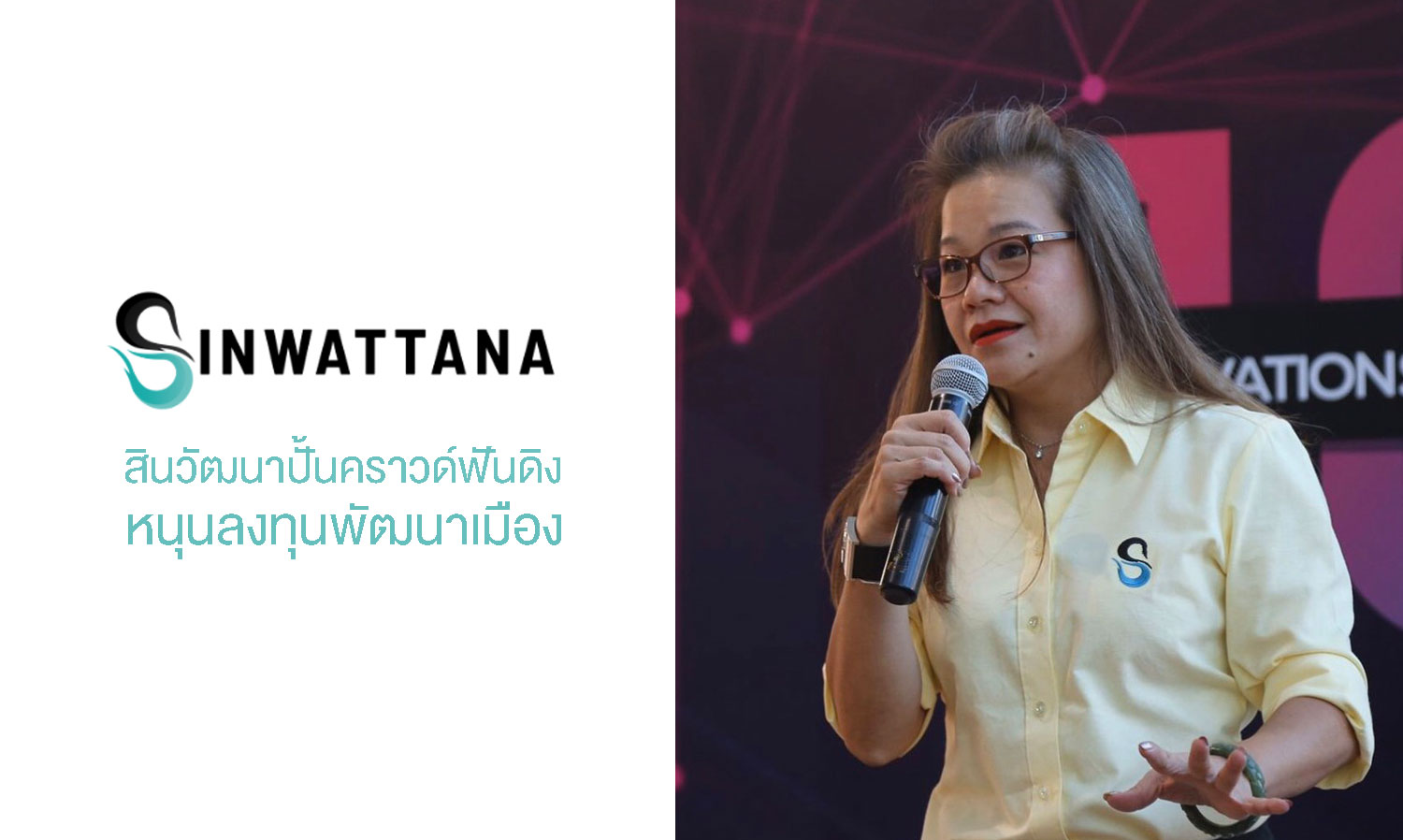
Additionally, in the fourth category, two platforms have already received SEC approval. The first platform is Live Platform (LIVE), owned 99.99% by the Stock Exchange of Thailand (SET), and the second platform is Sinwattana, a private company managed by a Singaporean. The Live Platform has raised funds for two companies unrelated to urban development but has not succeeded in fundraising due to SEC regulations requiring that if it is Equity Crowdfunding, the fundraising must be completed within a specified period and achieve 100% of the target amount. For example, raising 10 million baht within a 60-day period means that the full 10 million baht must be raised to be considered successful, allowing the company to receive the funds for operations.
“If fundraising is not successful within 60 days, the funds must be returned to all investors who participated. However, for Debt Crowdfunding, if 80% of the target is raised, the funds can be retained.”
Regarding the Sinwattana platform, it successfully raised 18.6 million baht in December 2019, with over 70 investors, for the Harrison Butcher steak restaurant project.
Therefore, if Equity Crowdfunding is to be implemented for urban development companies offering shares, it would be advisable to use the Sinwattana platform, as the Live Platform, supported by SET, has stricter selection criteria for companies. Investors must be genuine investors with substantial assets, while Sinwattana allows individual investors with a limit of 100,000 baht per company and a maximum of 1 million baht per year, not exceeding 10 companies.
“Thus, urban development companies using community fundraising rules, as seen in the Love Your Hometown project that allows everyone to participate in ownership, are appealing. If a regular worker can invest up to 100,000 baht, which is a significant amount, there would be many investors. Discussions with Sinwattana are underway to start with one urban development company to spark tangible results, expected to proceed by the end of this year.”