Sinwattana Promotes Crowdfunding to Support Urban Development Investments
Sinwattana is actively proposing three investment models to urban development companies - SMEs - startups in hopes of aiding recovery from the impacts of COVID-19. The crowdfunding model is seen as suitable for raising funds from the public, with a focus on Saraburi for developing a job app, Ubon Ratchathani for enhancing the UNII app, and Udon Thani for organizing a grand event for the World Horticultural Expo to boost the economy and tourism in the Isaan region.
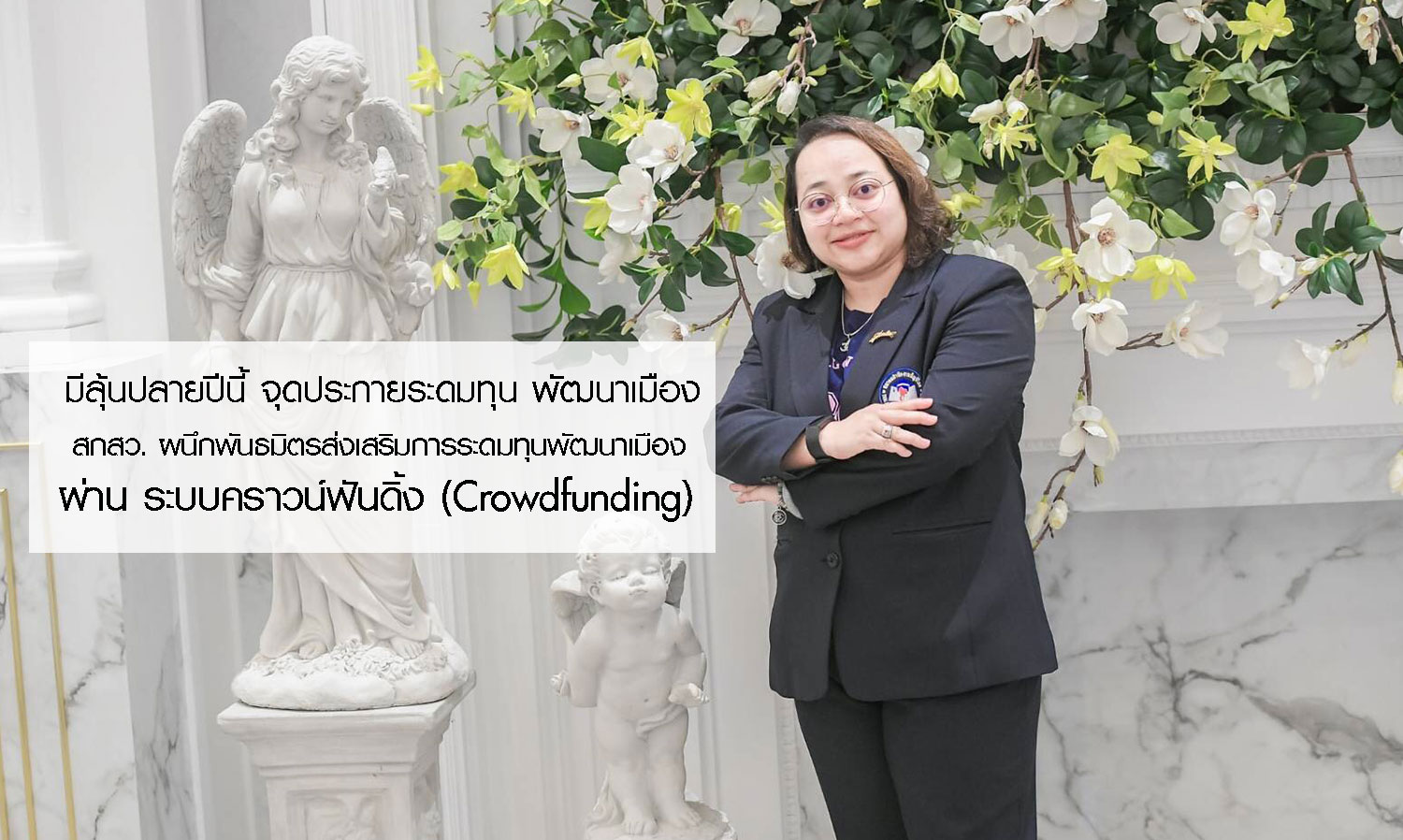
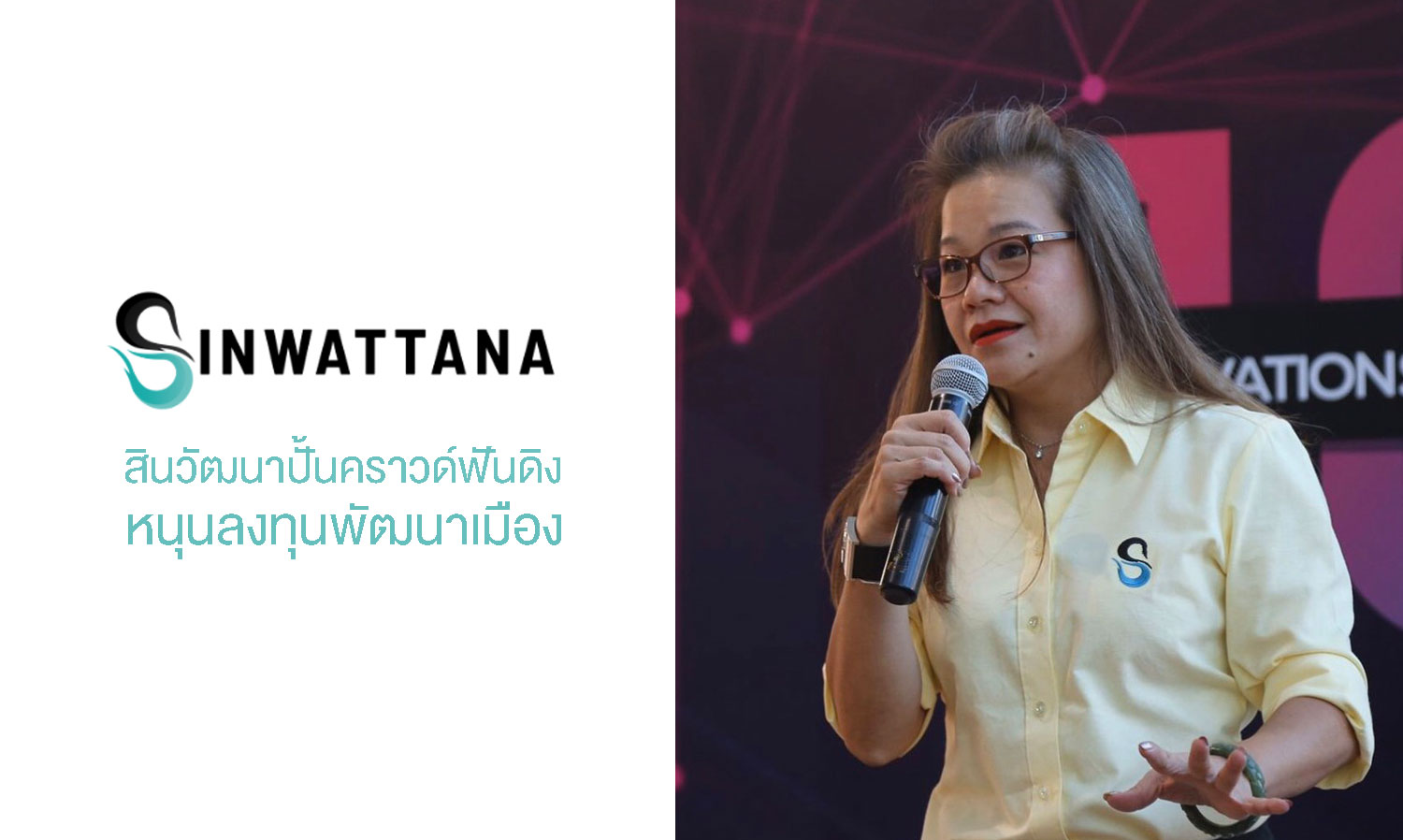
Ms. Hong Sin Kwek, CEO and Founder of Sinwattana Crowdfunding, revealed that the company has introduced its investment model to various urban development firms through a process known as crowdfunding, which involves raising funds from a large number of people via a platform called a Funding Portal. Individual investors contribute small amounts, but collectively they can raise significant sums, targeting SMEs and startups.
The fundraising approach is suitable for urban development projects, depending on the specific project. The 'civic' model is a form of fundraising for social purposes, which does not have to adhere to a single format.
For instance, if a city has a bridge construction project, using government funds might take 30 years to complete. However, if funding is raised from the public, it could be finished in just three years, depending on community participation.
Currently, Sinwattana has categorized its crowdfunding investments into three types: the first is Donation, where donors do not expect anything in return; the second is Reward, which involves offering products or services in return, such as special privileges for investors in a toll road project; and the third is Equity, where funds are raised in exchange for shares, allowing investors to receive dividends or capital gains, suitable for SMEs and startups.
Generally, crowdfunding for urban development is referred to as 'civic crowdfunding,' but it is essential to consider who owns the public service project. If the government owns it, it may be challenging for the public to hold shares, whereas private ownership allows greater public investment access.
"In public urban development fundraising, it depends on how details are presented to attract investors and must be transparent, allowing public participation. For example, the investment in the Udon Thani World Horticultural Expo can be promoted globally, enabling crowdfunding to make it a reality," Ms. Hong Sin Kwek stated.
She added that crowdfunding is not limited to Thailand; it also invites international participants interested in urban development. Another outcome is promoting projects through various channels, especially social media available in different countries.
As a successful crowdfunding example, she cited a wind turbine project in Switzerland that allowed public investment through crowdfunding. In Thailand, there is one SME and startup that has raised funds through crowdfunding, amounting to 18.6 million baht.
Currently, crowdfunding for urban development in Thailand still supports the general public, such as the elderly and children in schools, with the government still playing a significant role in most areas.
Among the interesting urban development projects is the 'UNII' app for waste management by Ubon Ratchathani Urban Development Co., which is appealing as it is a tangible project benefiting all parties, generating income, improving city cleanliness, and creating jobs and income stability.
Ms. Hong Sin Kwek also expressed interest in the EV bus project in Chiang Mai to mitigate environmental impacts, noting that while the financial performance is still fluctuating due to management being academic rather than business-oriented, she sees potential in many projects, although some may not be urgent. Recently, the Saraburi job app project postponed its fundraising due to COVID-19, depending on whether it will be revived post-pandemic.
Similarly, the Good TV documentary project is interesting, but the project owner needs to adjust some ideas. The job app project is also facing delays in several areas, which should be collaboratively pushed forward. It is currently in the process of big data development, potentially in collaboration with the Ministry of Labor, but Good TV missed a golden opportunity during the COVID-19 lockdown.
For individual investors interested in crowdfunding, they must register as members of the Funding Portal and complete a comprehension test before investing. Each individual can invest up to 100,000 baht per company and a maximum of 1 million baht per year, while companies can raise up to 20 million baht from individual investors in the first 12 months, totaling no more than 40 million baht.
"The main considerations include the project proposal, its viability, and the project owner's vision and capability. In the future, adjustments may be possible. Importantly, companies should propose more collaborative investment approaches with urban development firms to help others develop significantly, especially local leaders working closely together," she emphasized.
Regarding the impact of COVID-19, Ms. Hong Sin Kwek noted that the pandemic has clearly halted private sector investments in Thailand. Previously, issues like rising oil prices and stock market crashes affected many, including small investors. However, discussions around crowdfunding continue.
"Currently, investors are closely monitoring the situation in Thailand and globally. One global investor remarked that investing is not for everyone, but only for those strong enough, similar to the Olympics where not everyone wins gold. Importantly, crises lead to currency depreciation, and real investors diversify their investments to reduce risks rather than holding cash that loses value," she explained.
Similarly, regarding future urban development outcomes, Ms. Hong Sin Kwek believes that ultimately, Thais love Thailand and should not view community development as solely the government's responsibility. Collaboration is essential, and civic projects can undoubtedly be utilized for urban development.
As for the Prime Minister inviting various business groups for discussions, she sees it as a good idea, but many remain uncertain about transparency and how both sides will negotiate terms and returns. However, if the 20 business groups collaborate with urban development companies, the projects will likely gain more interest, especially with the government planning to invest up to 1.9 trillion baht, which continues to attract investor curiosity about where the money goes and who benefits.