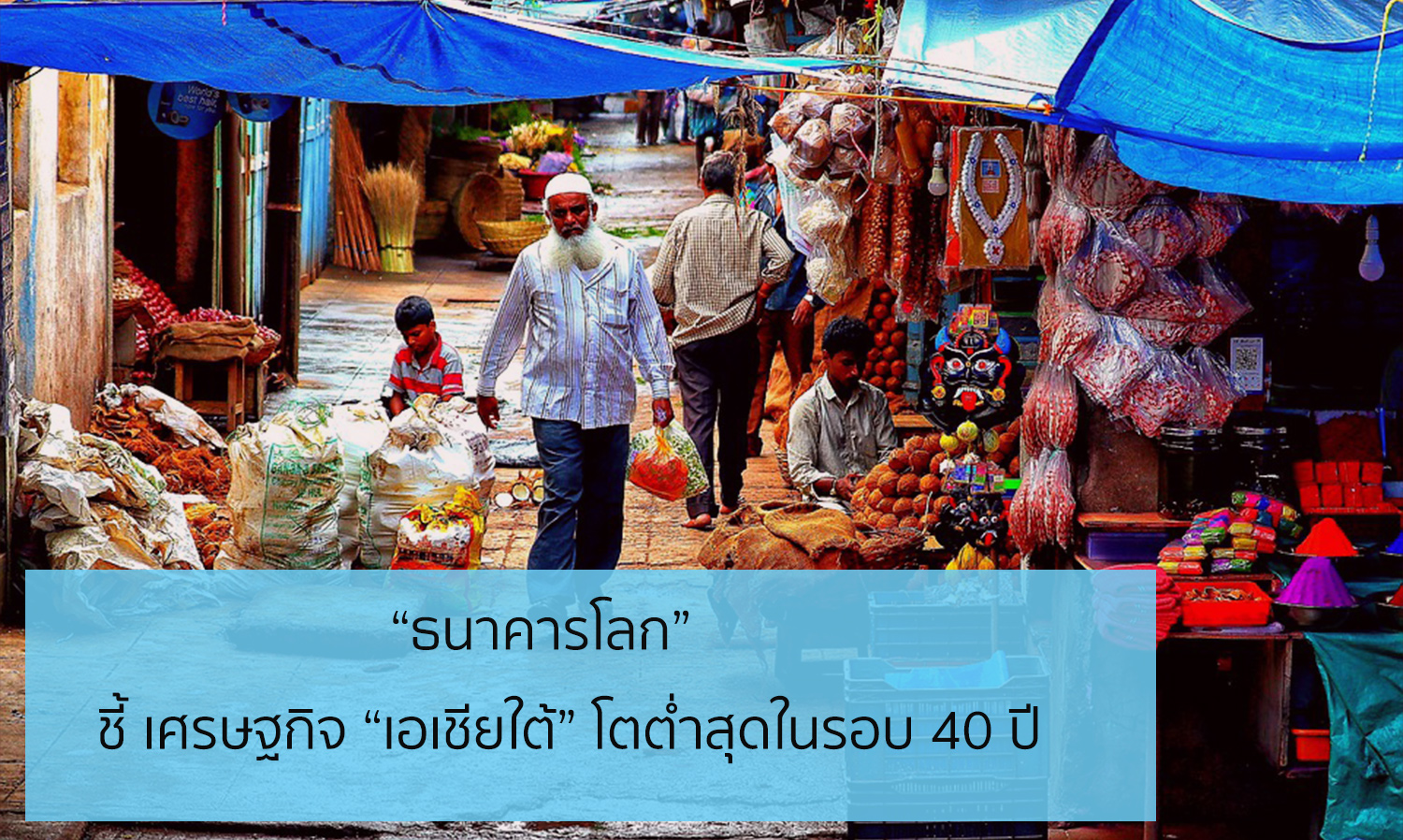
World Bank Reveals COVID-19 Impact on South Asia's Economy, Lowest Growth in 40 Years
BBC News reports that the World Bank has released a forecast indicating that the economies of South Asian countries are facing their worst downturn in 40 years, potentially undermining decades of progress in the fight against poverty in the region, as a result of the COVID-19 pandemic.
Although the current number of COVID-19 cases and deaths in India, Bangladesh, Sri Lanka, and Pakistan remains relatively low, experts are concerned that these countries are at risk of becoming hotspots for future outbreaks due to a population exceeding 1.8 billion, with many people concentrated in major cities.
The World Bank's report states, "South Asia is being affected in multiple ways, including damage to the tourism sector, disruptions in global supply chains, a decline in demand for clothing, and reduced consumer and investor confidence."
The World Bank has revised its economic growth forecast for South Asia in 2020 down to 1.8%-2.8% from an earlier estimate of 6.3%, with the region expected to enter a deep recession for at least the first six months of this year.
In particular, the Maldives will be the most affected country due to the sudden loss of tourists, which could lead to an economic contraction of up to 13%, while India, the largest economy in the region, is projected to grow only 1.5%, down from the World Bank's previous forecast of 5%.
The World Bank has urged governments to expedite measures to address public health emergencies, protect their populations, especially the poorest and most vulnerable, and implement long-term economic recovery strategies. Currently, temporary job measures for foreign workers, debt relief for businesses and households, and the reduction of import and export barriers for essential goods should be prioritized.
Last week, the World Bank also allocated $160 billion to financially support vulnerable countries, allowing them to borrow for over 15 months to cope with domestic pandemic challenges.