Sansiri Highlights Social Investment in Youth as a Key Response to Thailand's Aging Society Challenges
According to data from the Ministry of Public Health in October <\/span>2023 <\/span>, the demographic structure of Thailand is currently distorted, with over <\/span>20 <\/span>percent of the population entering old age, while the birth rate is very low. The ideal birth rate is <\/span>2.1 <\/span>children per <\/span>100,000 <\/span>people, but currently, the birth rate is only <\/span>1.6 <\/span>. This declining birth rate affects the working-age population, which in turn impacts the development of various systems in the country. <\/span><\/p>
Mr. Samatcha Promsirirak, Chief of Staff at Sansiri Public Company Limited, stated that <\/span><\/strong>“The current demographic issue is significant because in the future, we will face challenges related to labor, economic driving, and supporting an aging society. As a private sector entity that contributes to economic growth, we are looking at how we can support children to ensure they have a good quality of life and grow up in good health. This aligns with our business philosophy of helping society and focusing on reducing inequality, promoting equality, and sustainably supporting children.” <\/span><\/p>
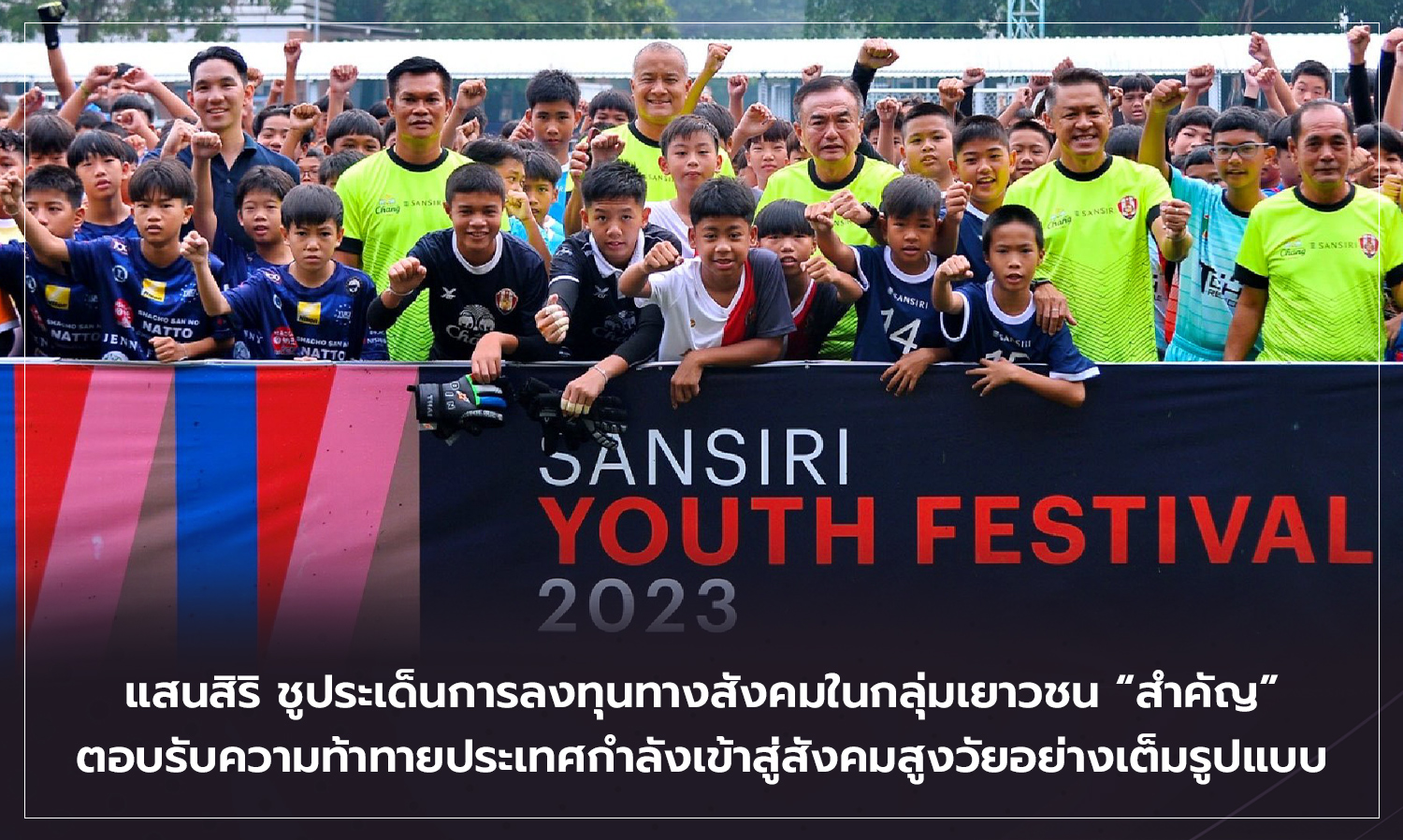
Starting from grassroots initiatives, the “Sansiri Academy” <\/strong> has been running for <\/span>17 <\/span>years since its inception in <\/span>2006 <\/span>, aimed at providing children with opportunities to learn how to coexist with others, respect their own rights and those of others, and understand the diversity of society through football as a tool. Football training is provided free of charge, and children are sent to participate in various tournaments to broaden their horizons and meet new friends. To date, over <\/span>10,000 <\/span>youth have benefited from the program, with more than <\/span>50 <\/span>of them becoming national athletes and professional football players, along with over <\/span>100 <\/span>children receiving scholarships. <\/span><\/p>
Next is the issue of developing and supporting children's rights in various dimensions, which was elevated in <\/strong>2010 <\/span> when Sansiri was honored to partner with UNICEF <\/span> to create lasting changes for children's quality of life over a period of <\/span>10 <\/span>years. Together, we have pushed forward more than <\/span>17 <\/span>projects to protect and promote children's rights and improve their quality of life, including initiatives focusing on health, education, and sports, as well as providing borderless assistance to children in Thailand and around the world. <\/span><\/p>
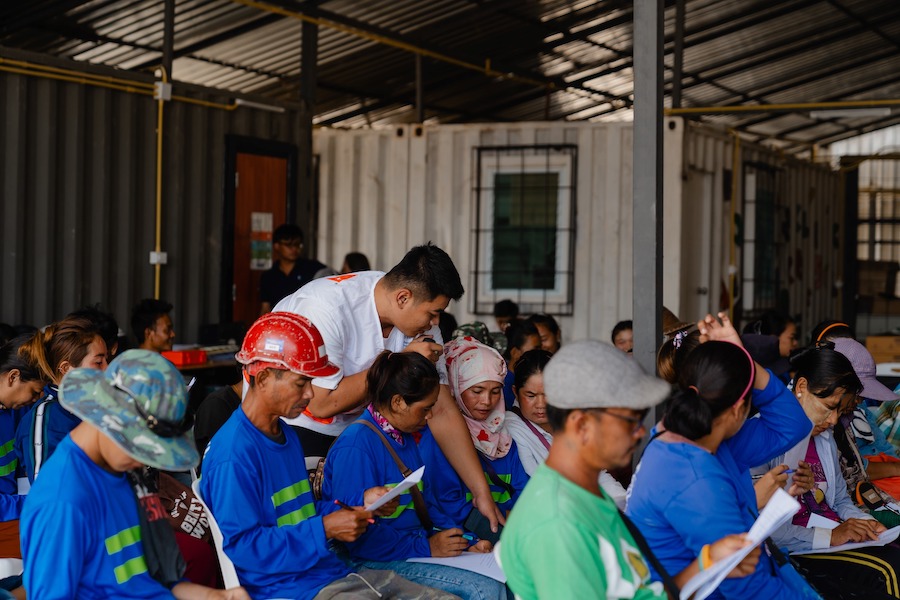
Collaborating with global partners like UNICEF has allowed Sansiri to recognize the issues of women's and children's labor rights on construction sites, <\/strong> especially concerning migrant workers. In <\/span>2022 <\/span>, the Suphanimit Foundation joined as a partner to promote and implement the “REACH” <\/strong> project, which aims to reach female migrant workers and their families in construction worker accommodations, supported by the International Labour Organization (ILO), piloted in <\/span>10 <\/span>locations managed by Sansiri. The focus is on overall labor rights, women's rights, and children's rights. <\/span><\/p>
As a result of the REACH <\/span> project over <\/span>15 <\/span>months, nearly <\/span>2,700 <\/span>migrant workers have been trained, including <\/span>1,432 <\/span>women. Contractors have been trained on ethical hiring practices, women's rights/children's rights, and protections for <\/span>188 <\/span>individuals, resulting in a <\/span>47.4 <\/span>percent increase in knowledge among female migrant workers regarding women's rights and a <\/span>64.4 <\/span>percent increase in knowledge about maternity leave rights. <\/span><\/p>
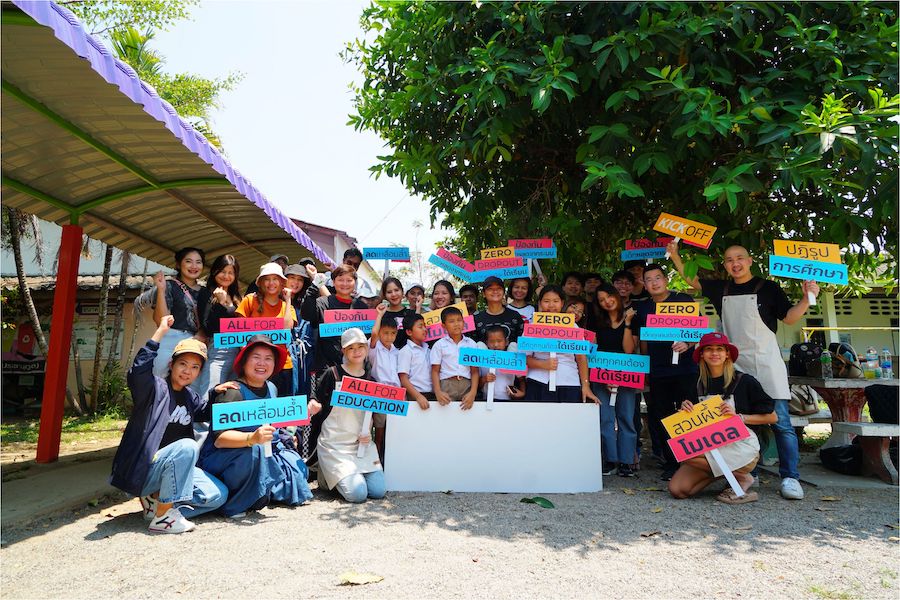
In terms of addressing broader issues aligned with compulsory education access policies, a collaboration has been signed with the Education Equity Fund for a period of <\/span>3 <\/span> years to create the “Ratchaburi Model” with the project “<\/span>Zero Dropout: Every Child Must Learn.” <\/span> This initiative aims to create sustainable mechanisms to reduce the risk of children dropping out of the education system. <\/span><\/p>
“This year, we are supporting the Education Equity Fund for the second year, and there has been interesting progress with the “1 School 3 Models” education model and the “Ratchaburi Out-of-School Children Life Area Model” project. This new learning area allows schools to manage education in <\/span>3 <\/span>formats: <\/span>1. Formal education, <\/span>2. Non-formal education, which is more flexible with a curriculum that aligns with the needs of different learner groups, and <\/span>3. Informal education, where learning is based on potential and interest. All three formats allow for credit transfer. Currently, this initiative has started in <\/span>12 <\/span>schools at both primary and secondary levels, with plans to expand understanding to all educational districts in Ratchaburi province and continue the “Zero Dropout: Every Child Must Learn” project into its third year in <\/span>2024 <\/span>. <\/span><\/p>
The “Zero Dropout: Every Child Must Learn” initiative has already reduced the number of at-risk children dropping out of the education system, including those who have already dropped out, by nearly <\/span>10,000 <\/span>children across <\/span>10 <\/span>districts. <\/span><\/p>
“There have been many inquiries about why the real estate business is interested in creating changes for the better quality of life for children continuously. We have always explained that although it may not be a social issue directly related to business, Sansiri recognizes the importance of developing the quality of life of youth, who will grow to be a crucial force in driving and developing the country from the beginning. Therefore, we strive to participate in various activities that contribute to this cause,” said Mr. Samatcha. <\/strong><\/span>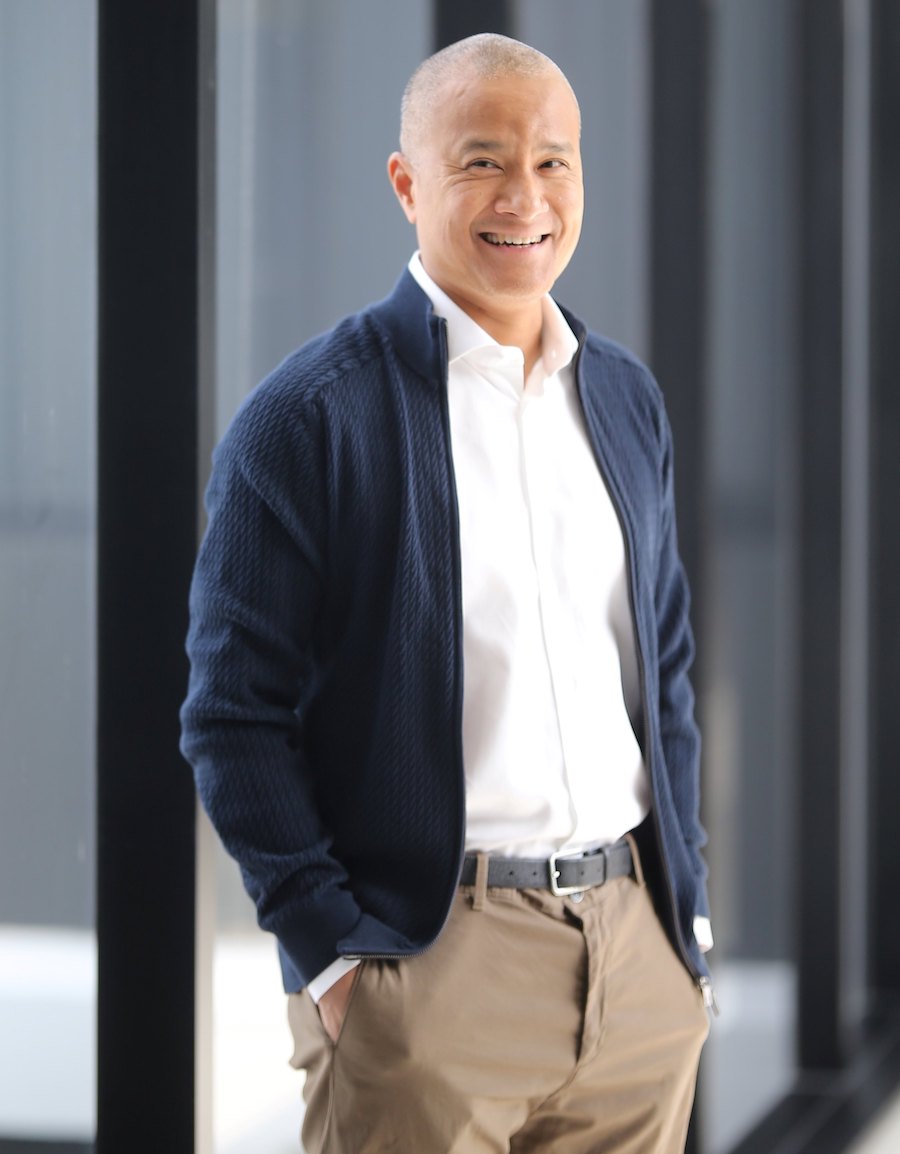 <\/p>
<\/p>
 <\/p>
<\/p>
 <\/p>
<\/p>