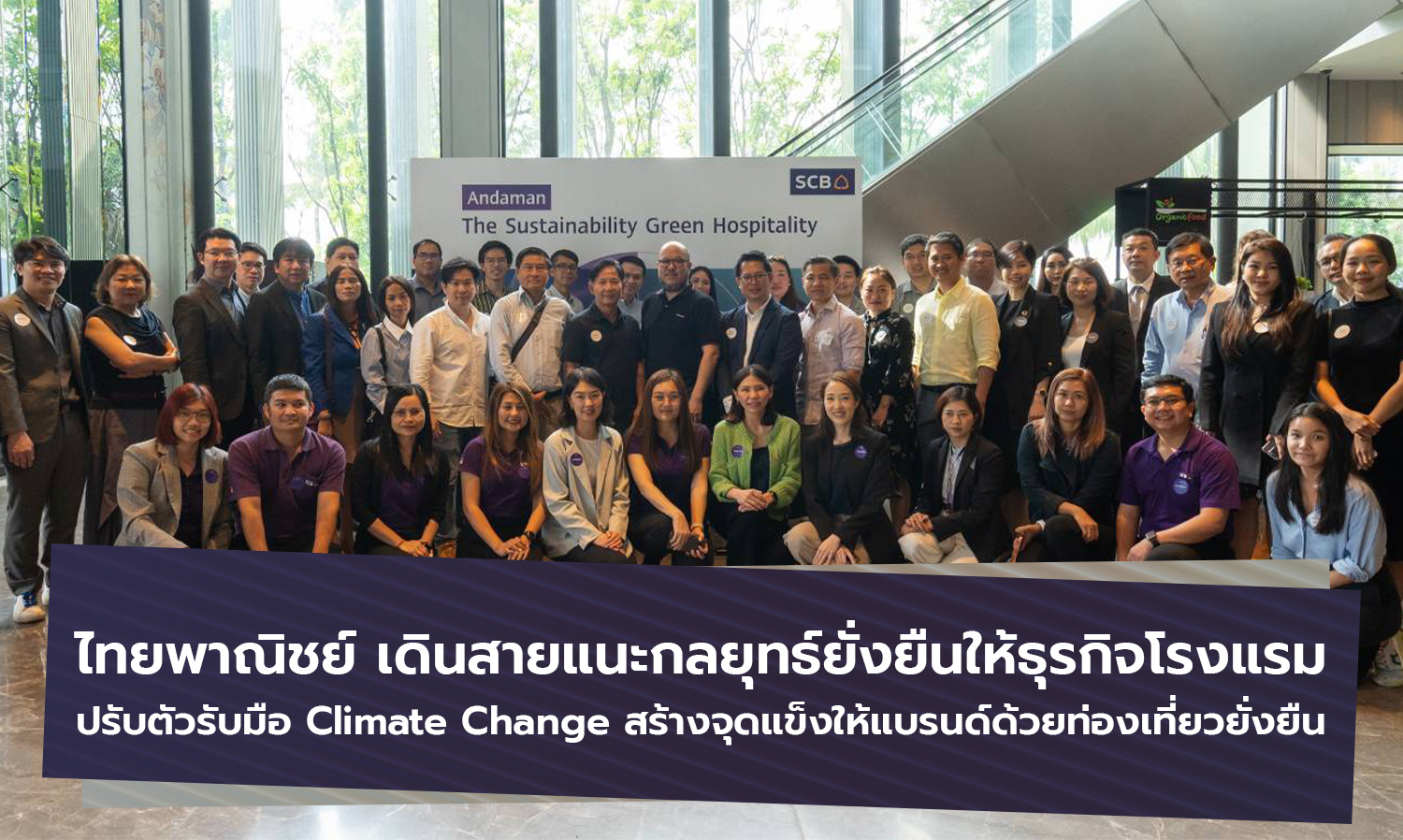
SCB Promotes Sustainable Strategies for Hotels to Adapt to Climate Change and Strengthen Brands through Sustainable Tourism
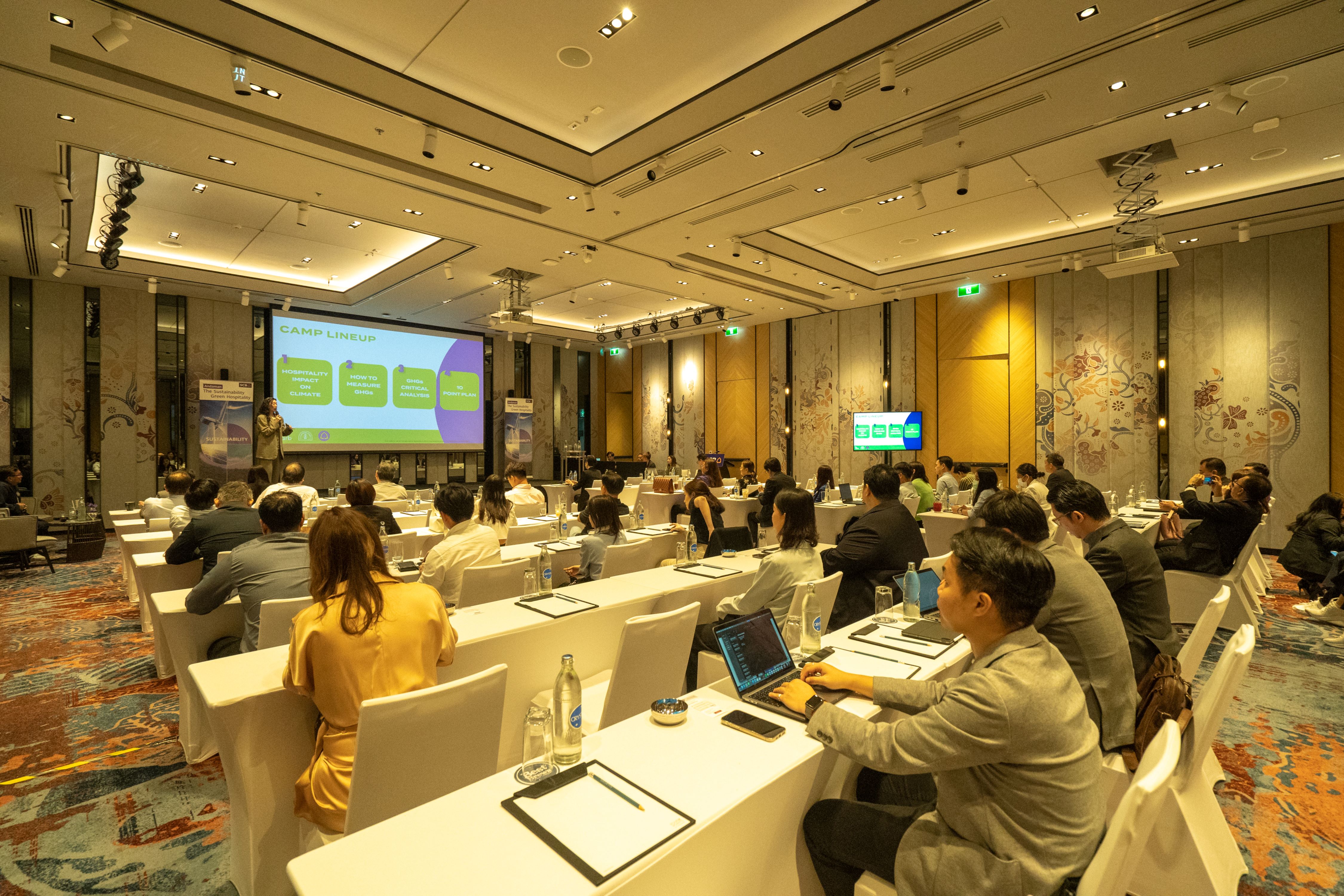
Thai Commercial Bank (SCB) is touring to introduce sustainability and environmental experts, revealing strategies for hotel businesses to adapt through the seminar Andaman The Sustainability Green Hospitality. This event targets hotel clients along the Andaman coast, focusing on preparing for climate change by shifting towards utilizing greenhouse gas reduction activities to create sustainable tourism experiences, thereby strengthening business growth. Hotels are advised to transition to smart building designs to reduce costs and energy consumption in line with global trends, while supporting operators in achieving sustainability plans through knowledge and green financing, promoting Thailand as a sustainable tourism destination.
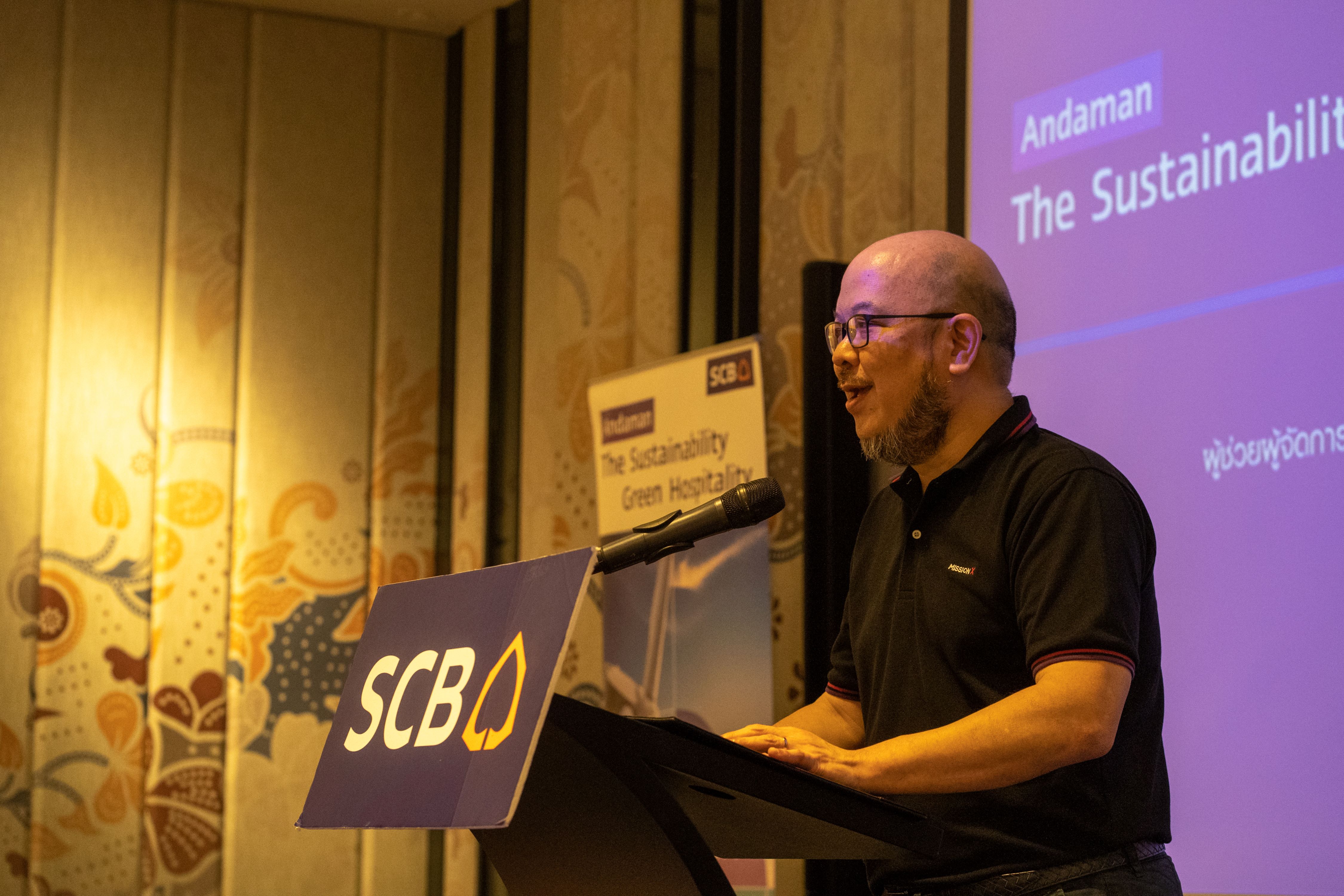
Mr. Rangsarn Ongsaranakorn, Assistant Managing Director of Corporate Banking 3 at SCB, stated that under its sustainable banking operations, the bank aims to support customers and society, fostering business and economic growth alongside environmental preservation. The hotel industry is a significant sector for the Thai economy, contributing 4.9% to GDP. In the third quarter, the hotel and service sectors were among the few that continued to expand due to the recovery of tourism services. SCB EIC estimates that the number of foreign tourists visiting Thailand could reach 29 million in 2023, with expectations for the Thai economy to accelerate growth in 2024 as foreign tourist numbers are projected to continue recovering to 37.7 million.
However, the hotel industry is a core sector in Thailand and globally, which cannot escape the responsibility of promoting climate change management and adapting to changing tourist behaviors that increasingly prioritize environmental care. Therefore, SCB must expedite preparations for hotel businesses to seize opportunities from tourism expansion while addressing vulnerabilities related to climate change risks, leading to significant adaptations towards sustainable growth through the seminar “Andaman The Sustainability Green Hospitality,” gathering sustainability and environmental experts to share insights with hotel operators in the southern region.
“The bank is ready to support hotel businesses in facing challenges from climate change impacts and business opportunities through seminars and knowledge-sharing courses, enhancing knowledge and best practices with experienced partners and experts, as well as offering sustainable financing and financial consulting to help clients achieve their sustainability plans,” Mr. Rangsarn stated.
Transforming Tourist Experiences with Sustainability Values
Ms. Nichapat Rattanaprapha, Managing Director of Lo-Carb Co., Ltd., an expert in driving business strategies with environmental and sustainability Business Solutions, stated that hotels are businesses affected by global warming, and it is inevitable that they must emit greenhouse gases. The issue of global warming poses various risks to the business sector, including investment and financial returns (Return on Investment: ROI) and financial risks associated with stranded assets, such as regulations and policies regarding climate change.
“Hotels can manage greenhouse gas reduction activities and present them in various marketing forms to provide customers with transformed experiences, such as booking rooms that indicate the amount of greenhouse gases expected to be emitted during their stay. Simply disclosing greenhouse gas emissions is a step towards sustainability, or choosing sustainable products within the hotel, such as recycling used cooking oil into soap for hotel use. In the future, hotels can also expand products commercially and partner with electric vehicle transportation as part of accommodation booking packages to provide guests with energy-saving experiences.”
Ms. Nichapat highlighted three main benefits that Thai hotel businesses will gain when transforming towards sustainability: 1) Cost Reduction as the primary sources of greenhouse gas emissions come from the energy sector. Therefore, if hotels can reduce energy consumption, they can immediately lower energy costs, including waste disposal expenses, and potentially increase revenue from recycling and upcycling products; 2) Access to Green Financing as businesses have more options for loans from various financial institutions that prioritize sustainability, and the emphasis on ESG Scores in loan considerations also presents opportunities for hotel operators; and 3) Creating Added Value for Hotel Brands as many brands are marketing under sustainability concepts to meet the growing trend of customers interested in sustainable tourism. Research from Expedia surveying 11,000 global travelers found that 37% value hotels that can offset carbon emissions, approximately 74% agree that sustainable tourism has higher costs, and about 51% are willing to pay more for sustainable accommodations.
Advising Modern Hotels to Design Energy-Efficient Buildings
Ms. Nittaya Poochachiva, Deputy Managing Director of SCG Building & Living Care Consulting, a provider of consulting services for sustainable construction and quality of life, stated that the trend of building smart buildings is gaining popularity due to three key factors: 1) Foreign countries strictly emphasize building efficiency and sustainable development or green buildings; 2) The shift in work patterns following the COVID-19 pandemic has led residents to prioritize health, resulting in new standards that incorporate technology to enhance well-being; and 3) The adaptation of organizations collaborating towards the goal of achieving net-zero greenhouse gas emissions.
This trend necessitates that hotel construction considers energy-efficient building designs. Additionally, in 2023, new building constructions are required to comply with energy standards before commencing construction, such as designing building envelopes for effective heat insulation, high-efficiency lighting systems, and hot water production equipment, particularly energy-saving ventilation and air conditioning systems, which account for the highest energy consumption in buildings. Given that hotels are energy-intensive structures, this presents a challenge for the hotel industry due to large air conditioning systems and complex technologies. However, financial institutions offer green financing and sustainability loans (ESG) for environmentally responsible business operations to help reduce carbon dioxide or net greenhouse gas emissions.