FutureTales Lab by MQDC Collaborates with the Psychology Faculty of Chulalongkorn University to Reveal 3 New Perspectives on the Future of Work
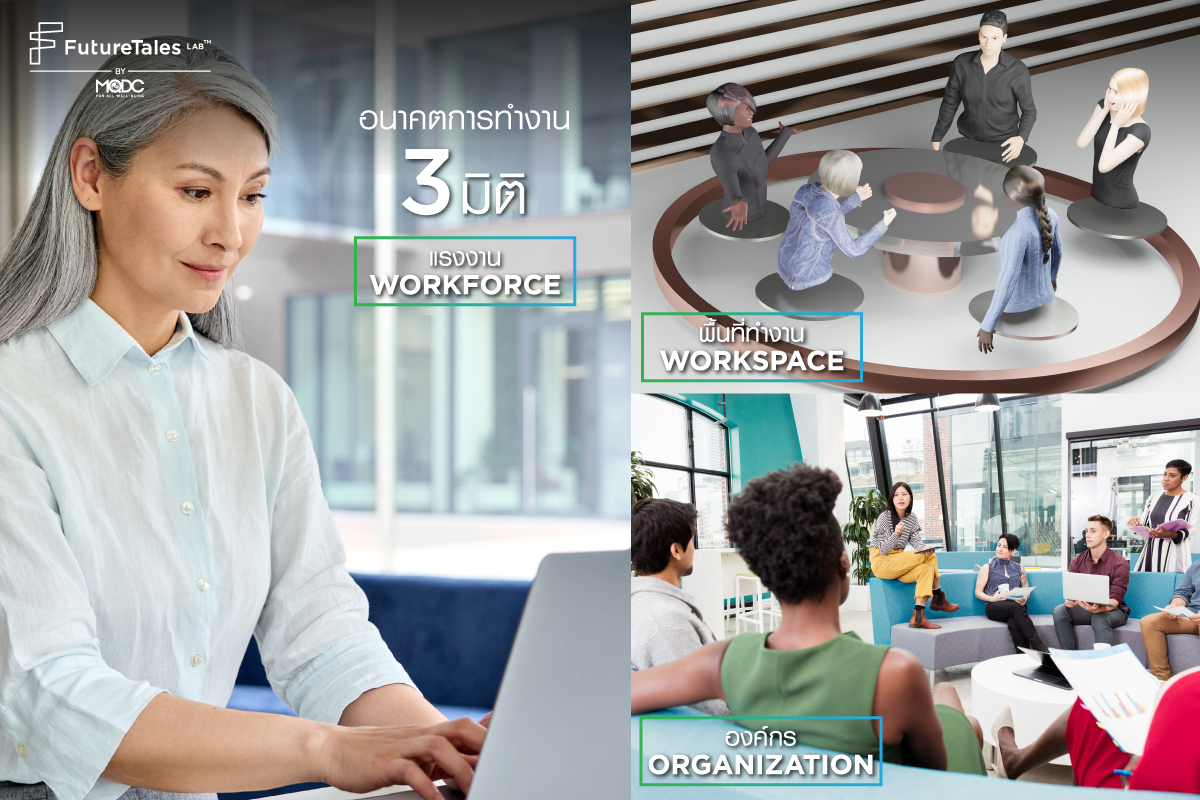
Ms. Wipatra Tohtemchokchaikan, a researcher in future forecasting at FutureTales Lab by MQDC, revealed that the Future Studies Research Center at FutureTales Lab has analyzed and forecasted the Future of Work, which will be a crucial factor influencing the working styles of the new generation. A workshop was organized to understand in-depth data in collaboration with the Psychology Faculty of Chulalongkorn University, presenting 3 key dimensions that will completely transform the future of work, including Workforce, Workspace, and Organization.

The current Workforce is transitioning between Workforce 3.0, where workers desire to own businesses, and Workforce 4.0, where workers choose diverse jobs and can work from anywhere. In the future, advancements in various technologies will lead to the emergence of Workforce 5.0, as increased life expectancy allows for extended retirement ages based on workers' capabilities. Lifelong learning, flexibility, and a growth mindset are essential for workers to adapt and avoid becoming Unemployable, which is more concerning than being Unemployed.
The current Workspace is overlapping between the era of Cubicle Nation, which has clearly defined spaces, and the era of Co-Working Spaces, which offers freedom in workspaces to promote new ideas through employee interactions. In the future, technological advancements, especially in the Metaverse, will lead workplaces into an era of seamless integration between physical workspaces and virtual environments, creating new workspaces that facilitate work and foster organizational culture anywhere and anytime. Most organizations will increasingly adapt to the working world and management in the Metaverse.
Organizations today are transitioning between Organization 3.0 (Machine Era), where organizations focus on success driven by innovation, and Organization 4.0 (Family Era), which does not emphasize a clear organizational structure but values organizational culture and empowering employees. As we enter the Organization 5.0 (Living System Era), large organizations will downsize for agility, emphasizing decentralization, flexibility, and allowing employees to self-manage. Organizations must consider diversity and inclusion to ensure smooth operations.
Dr. Jennifer Chwanowanic, a faculty member of the Psychology Faculty at Chulalongkorn University, stated that today’s youth are highly interested in social issues, particularly equality and inequality. The widening income gap due to changes in work formats and environments has been highlighted in activities with students, showing that equality is a crucial driver of perceived fairness in the workplace, impacting employee well-being in the future. Organizations must consider managing diversity and inclusion policies that encompass not only gender and age differences but also diversity in abilities, mindsets, values, and beliefs. The work environment should allow employees to be their true selves, supporting all groups equally. Inclusive environments will empower new employees and encourage them to be part of driving change in the workplace.
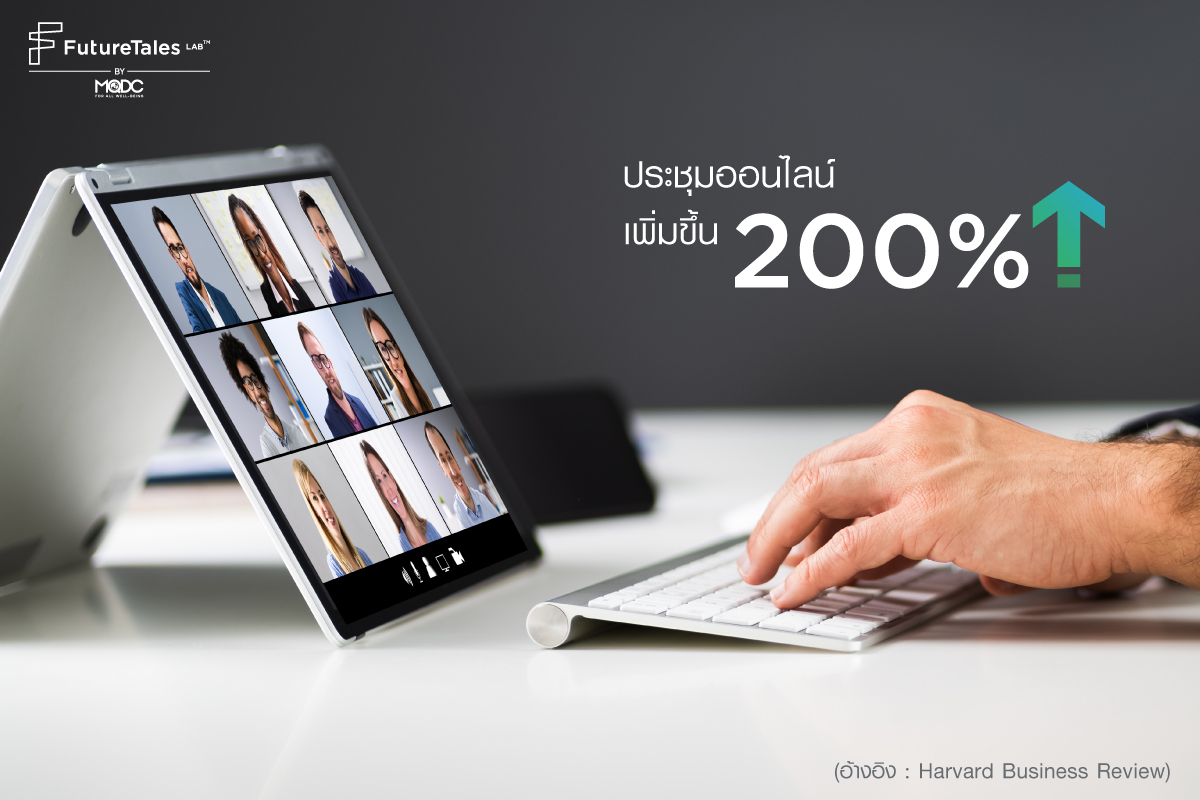
“In an era of rapid change, including the pandemic and the impacts of ongoing wars, organizations must adapt to new working formats. During the Great Resignation, over 11.5 million people quit their jobs last year, and 48% of employees are likely to leave due to changes in work formats and a 200% increase in online meetings. This has led to employee burnout, with statistics showing that over 77% of workers have experienced burnout, 91% reported that unmanageable stress affects work quality, 83% said burnout could harm personal relationships, and 41% of employees worldwide are considering quitting. This poses a significant challenge in harnessing employee potential and retaining key talent while considering employee well-being. Currently, 60% of organizations worldwide have health initiatives, and 78% of employers view employee well-being as a crucial part of their business plans, which will help organizations move forward,” Ms. Wipatra concluded.
References
- https://hbr.org/2021/10/with-so-many-people-quitting-dont-overlook-those-who-stay
- https://hbr.org/2020/10/the-post-pandemic-rules-of-talent-management
- https://www.microsoft.com/en-us/microsoft-365/blog/2020/04/09/remote-work-trend-report-meetings/
- https://www.weforum.org/agenda/2021/06/remote-workers-burnout-covid-microsoft-survey/
- https://www.forecast.app/blog/how-to-prevent-employee-burnout
- https://www.myshortlister.com/insights/employee-wellness-statistics
- https://www2.deloitte.com/us/en/pages/about-deloitte/articles/burnout-survey.html
- https://www.apollotechnical.com/remote-work-burnout-statistics/#:~:text=Employee%20burnout%20is%20a%20global,can%20negatively%20impact%20personal%20relationships.
- https://www.apollotechnical.com/remote-work-burnout-statistics/