Kasikorn Bank Advises on Financial Planning After the Aging Society Crisis Raises Retirement Costs
Kasikorn Bank, through K WEALTH, offers financial planning advice to address the uncertainties of retirement life stemming from the aging society crisis. Due to the historically low birth rate of Thai children, reliance on state welfare and support from descendants has diminished. It is recommended to check various basic rights and to plan for additional funds and protection through investments and insurance. The bank also suggests adjusting investment proportions during periods of rising interest rates and amid the conflict between Russia and Ukraine.
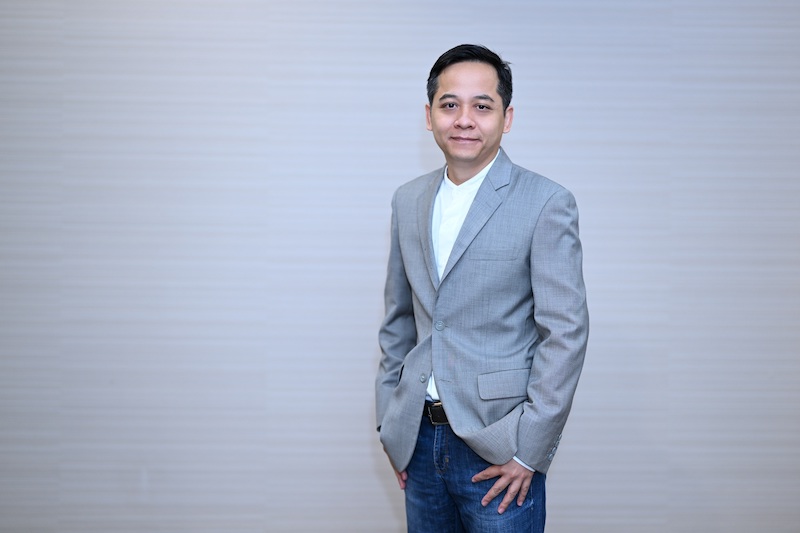
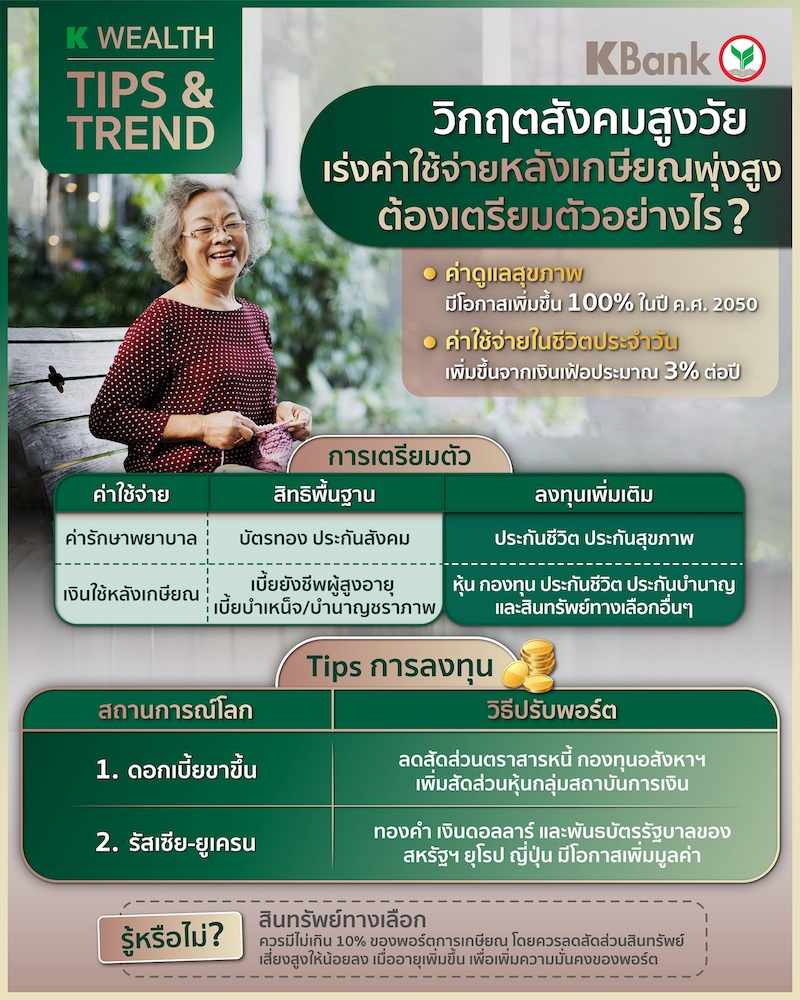
Mr. Weerapon Bodeerat, Senior Director of Customer Advisory Development and K WEALTH GURU at Kasikorn Bank, revealed that the record low number of newborns in Thailand, with only 544,570 in 2021 (according to the National Statistical Office), exacerbates concerns about the aging society in Thailand, particularly regarding financial instability in retirement. The shortage of working-age population may lead to insufficient state welfare, and elderly individuals may lack descendants to rely on. Additionally, the average life expectancy is increasing, coupled with rising costs, including healthcare expenses that could double in approximately 30 years (according to the Institute for Health Metrics and Evaluation - IHME) and daily living expenses rising due to an average inflation rate of 3% per year. K WEALTH advises Thai citizens to prepare for retirement from a young age as follows:
1. Check basic rights, including the Gold Card (NHSO), social security, and civil servant welfare for medical expenses, as well as elderly pensions and retirement benefits (social security) to determine if they meet needs. If not sufficient, additional savings should be made.
2. Consider additional life and health insurance to enhance coverage for medical expenses beyond basic rights, tailored to individual needs, with premiums depending on coverage amounts and quality of care.
3. Prepare additional funds for retirement through investments in mutual funds, stocks, tax-deductible funds, life insurance, pension plans, and other alternative assets such as gold, oil, and real estate REITs, adjusting asset allocation according to individual risk tolerance.
Individuals looking to start saving for retirement expenses should set clear goals regarding the amount needed for retirement spending, the time remaining before retirement, and create a plan to ensure a worry-free transition into retirement. Additionally, they should research insurance and investment options that align with their needs and risk tolerance.
Regarding factors affecting investments at this time, K WEALTH identifies two main issues to monitor: rising interest rates and the Russia-Ukraine conflict, with investment plan adjustments recommended as follows:
- Rising interest rates: Reduce the proportion of bonds and real estate funds due to potential negative impacts, and increase the proportion of stocks that benefit from rising interest rates, such as financial institution stocks and import-heavy companies.
- Russia-Ukraine: Gold, US dollars, and government bonds from the US, Europe, and Japan are likely to appreciate as they are considered safe-haven assets.
For retirement portfolio management, it is advisable to limit alternative assets to no more than 10% of the portfolio and to reduce the proportion of high-risk assets as one ages to enhance portfolio stability. More information on investment stories and effective financial management can be found at K WEALTH at www.kasikornbank.com/kwealth.