Real Estate Sector Urged to Adapt and Manage Costs in the New Normal Era
The CEO of Century 21 emphasizes that the real estate business must quickly adapt to withstand the impacts of the COVID-19 crisis. New cost management strategies, including new products that cater to New Normal living and appropriately priced packages, are crucial for survival. Meanwhile, land purchases must align with changing costs and demands. Urban land prices remain high, while land along the electric train lines in the three surrounding provinces—Nonthaburi, Pathum Thani, and Samut Prakan—appeals to real demand.
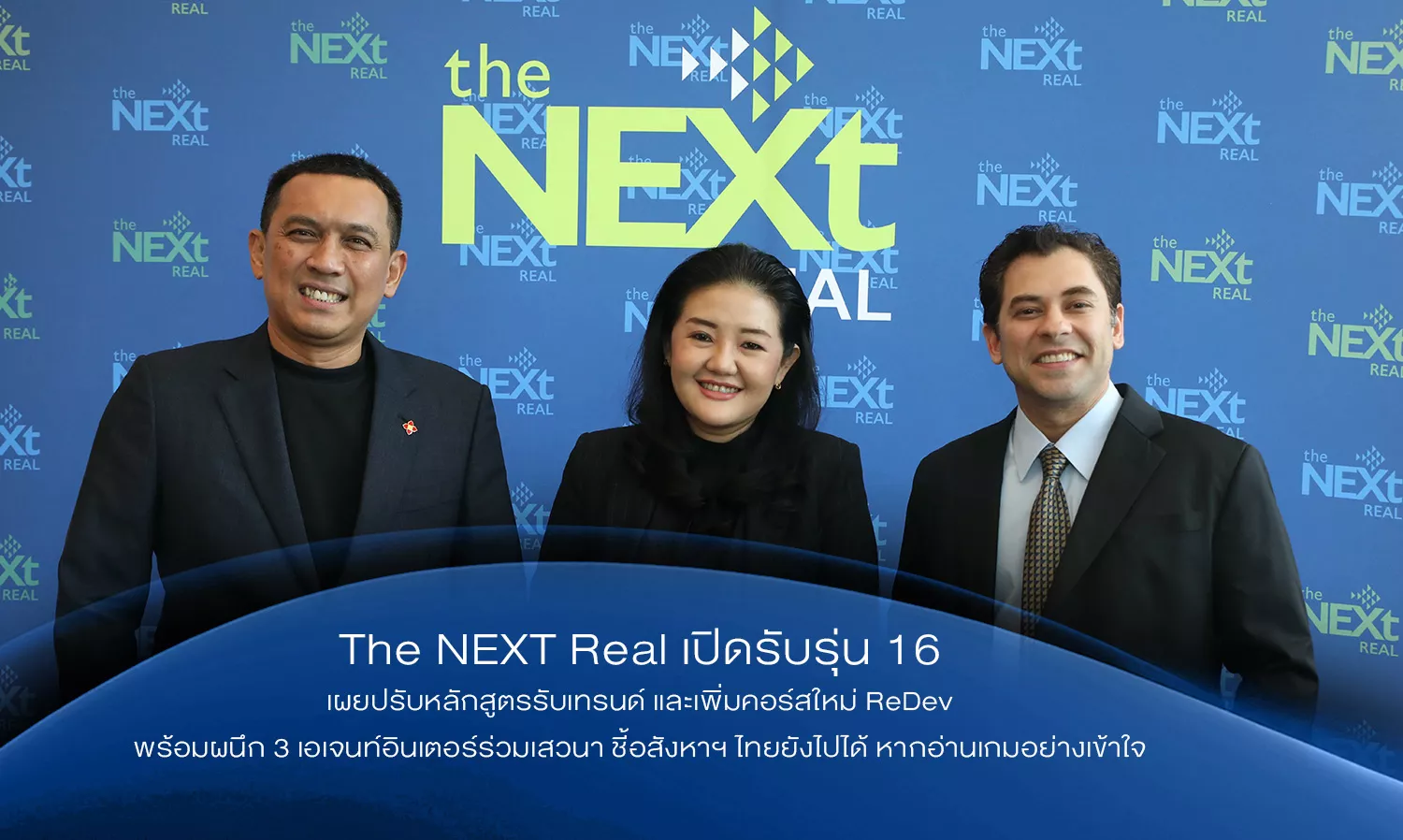
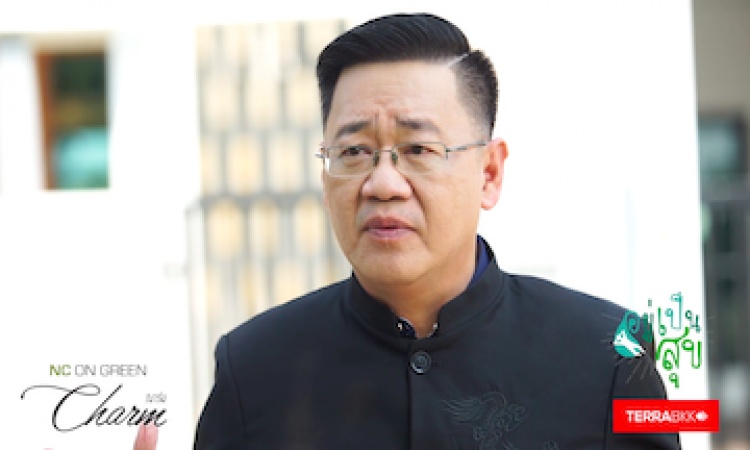
Mr. Kitisak Champathipphong, President and Founder of Century 21 (Thailand) Co., Ltd. stated that the impact of the COVID-19 pandemic, particularly in the severe third wave, has exceeded many expectations. Socially, there have been numerous infections and deaths, and it remains uncertain when the situation will significantly improve. Economically, the sector has been heavily affected by this crisis, compounded by the current intense political climate, suggesting that the Thai economy may continue to decline from the -6.1% recorded in 2020.
"The crisis caused by the COVID-19 virus has directly and indirectly impacted businesses, including the real estate sector, which has seen a decline in consumer purchasing power and changes in consumer behavior. Operators who can adapt quickly and innovatively will be able to navigate the crisis and recover sooner than others, or at least survive amidst this situation," Mr. Kitisak remarked.

Mr. Kitisak Champathipphong, President and Founder of Century 21 (Thailand) Co., Ltd.
For large real estate development companies, survival is still possible, but they must manage costs anew to align product formats with market demands based on changing consumer behaviors post-COVID-19, especially among domestic buyers. This includes increased demand for personal space, health safety in residences and projects, and technology for energy savings due to increased time spent at home.
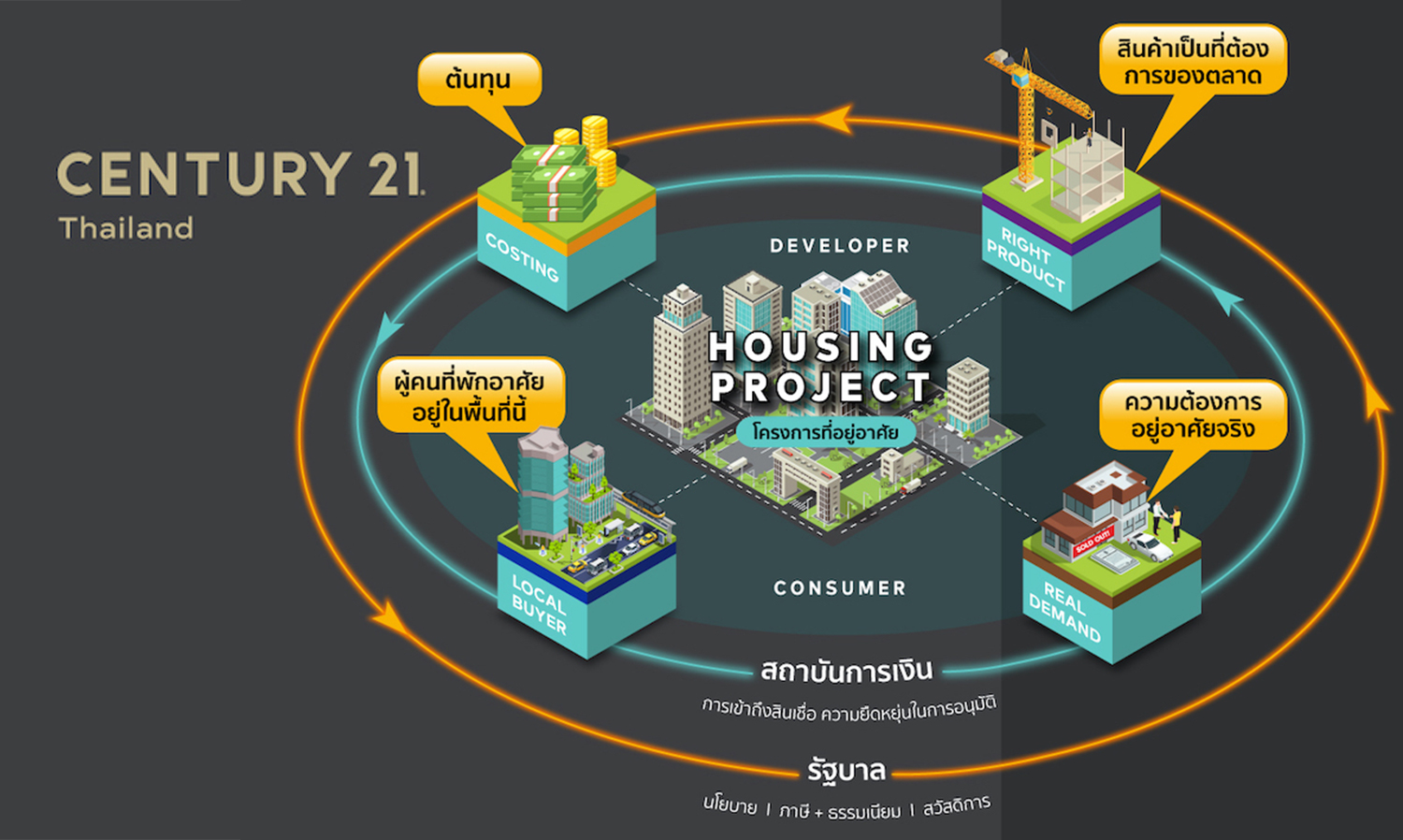
"These factors impact housing costs, while pricing packages must still align with the purchasing power of the larger consumer group, which consists of middle-income earners. New cost management is therefore crucial, from land acquisition to construction, sales expenses, and various operations, utilizing technology and digital solutions to enhance cost efficiency," he added.
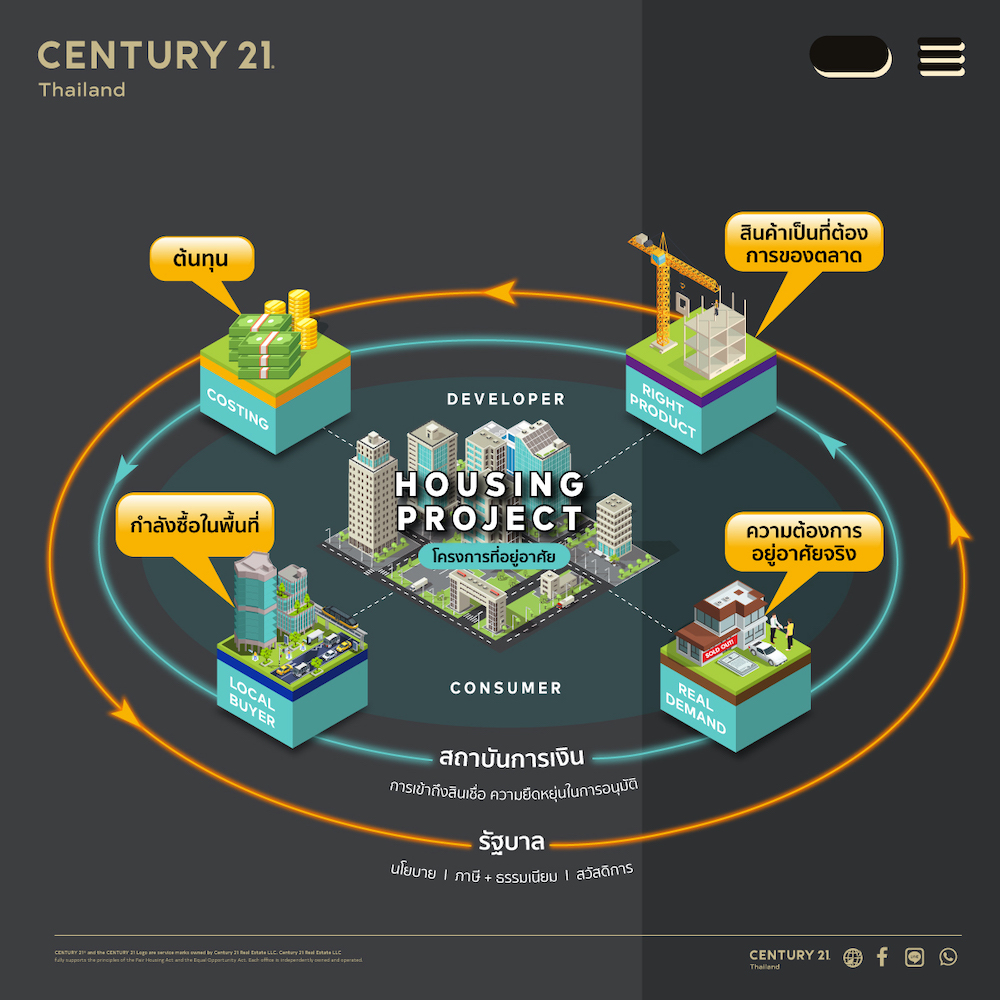
Additionally, we cannot rely on foreign investors in the condominium market at this time. Operators must continue to seek new targets and segments from the increasing specific demands while finding financial partners to provide knowledge and facilitate loans for customers, as debt burdens will remain significant in the future. A new ecosystem must be created to support business operations that have changed post-COVID-19," Mr. Kitisak stated.
Mr. Kitisak further noted that land transactions for real estate development are still ongoing, but land prices may fluctuate based on various factors, such as the potential of landowners. If landholders are affected by the COVID-19 crisis to the extent that it impacts their core businesses, and if the land is mortgaged, they may have to sell it in the market. Nevertheless, the primary factors in land purchasing decisions remain location, land utility, development costs, and the conditions for transfer timing.
Urban land, which has very few plots left, continues to see high prices per square wah with no signs of decline. Additionally, legal strictures regarding land use, access points, and road widths must be carefully considered, as these elements affect EIA applications and construction permits, especially for land adjacent to state-owned enterprises or government properties. Requests for access routes or passage through areas must undergo thorough scrutiny.
If due diligence is not exercised and land is not thoroughly checked, issues may arise similar to those seen in the High Rise condominium project in Asoke, which faced complaints and has been partially resolved. Even after the project was completed and ownership transferred to buyers, access issues still needed resolution, leading to a lack of confidence among both developers and buyers in their investments.
"I believe that if the processes and steps are not clear from government agencies, it will impact real estate development in our country and have broader implications for investment confidence, both domestically and internationally," Mr. Kitisak remarked.
In terms of land on the outskirts of Bangkok, there is significant interest in developing low-rise residential projects, such as single-family homes, duplexes, or townhomes, at this time due to the real demand from buyers looking for properties to live in. They seek locations that align with their income and larger usable spaces to accommodate new hybrid work styles, which involve working from home and commuting to the office.
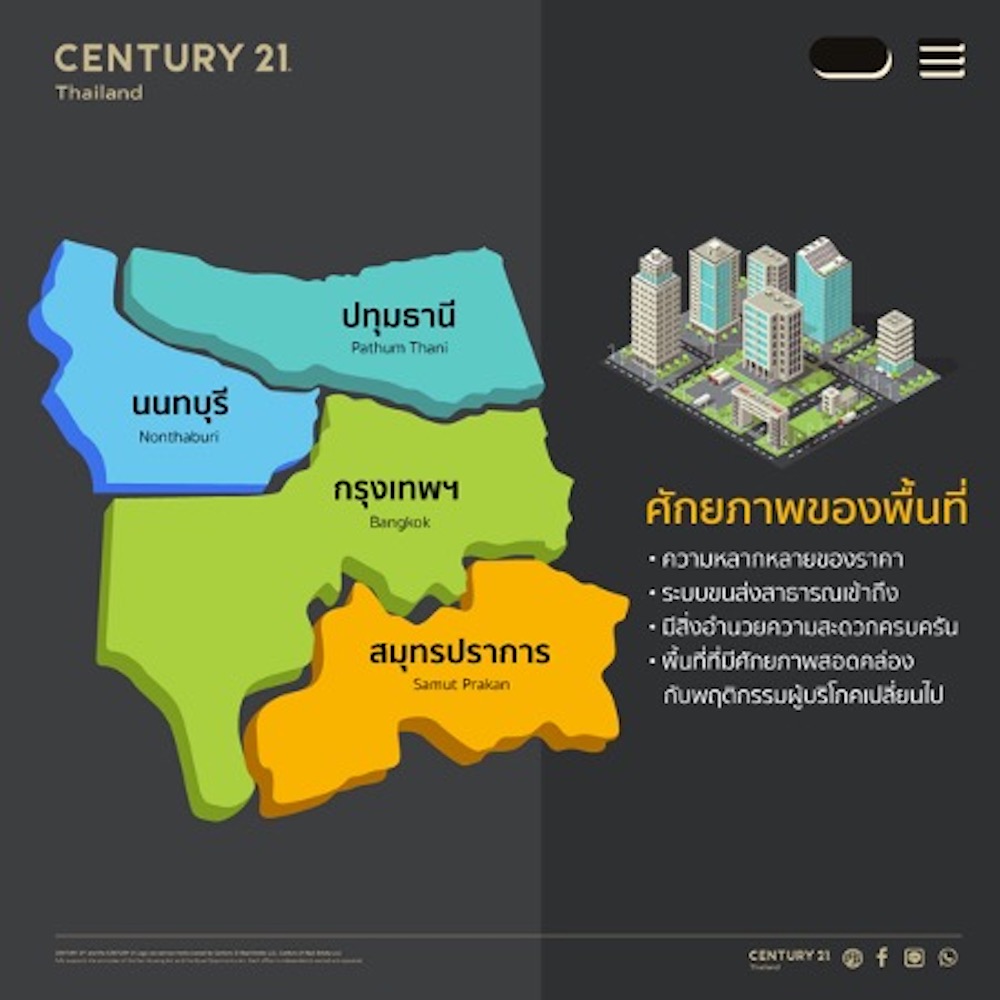
Land on the outskirts of Bangkok, expected to see continuous development of low-rise projects, is located in areas known as Greater Bangkok Cities, including Nonthaburi, Pathum Thani, and Samut Prakan. These areas still offer reasonably priced housing that meets the demands of each segment, starting from 1 million baht upwards, making it accessible for buyers. Additionally, all three areas are connected by public transport systems, including the green and purple electric train lines, enhancing travel convenience.
Current project development should focus primarily on domestic purchasing power and local demand, taking into account the changing behaviors of consumers. Surveys on housing needs reveal that more than half prioritize amenities within homes and projects over cheap prices or promotions. This presents a challenging time for the real estate sector, where both the government and private sectors, including real estate development companies and financial institutions, must collaborate to navigate through this crisis successfully.