Doctors Reveal Effectiveness of Sinovac Vaccine in Brazil: 78% Protection for Symptomatic Cases
Doctors have released statistics on the effectiveness of the Sinovac vaccine in Brazil, indicating that it can prevent disease in symptomatic individuals by up to 78%. The protection rate for both symptomatic and asymptomatic individuals stands at 50%, comparable to that of the influenza vaccine.

Dr. Sutthichai Wisutthichai Kit, from the Department of Infectious Diseases at Thammasat University, addressed the growing concerns regarding the effectiveness of the Sinovac vaccine, which Thailand is preparing to import from China for at-risk groups. He stated, "Considering the usage statistics in Brazil, it is evident that Sinovac can prevent symptomatic disease by up to 78%, which is quite effective."
"The 50% effectiveness figure currently being discussed refers to the vaccine's ability to prevent infection in both symptomatic and asymptomatic individuals. This is typical for vaccines, as seen with the swine flu vaccine in 2009, which had an effectiveness of only 40-60% in preventing infections in both symptomatic and asymptomatic cases. In comparison, the influenza vaccine effectively prevents deaths in the elderly by about 70%. However, when it comes to completely preventing infections, the effectiveness drops to around 50%."
Dr. Sutthichai further explained that Sinovac is a vaccine made from inactivated virus, a technology that has been used previously for vaccines against rabies, polio, and influenza. Therefore, the medical community in Thailand is quite familiar with this technology.
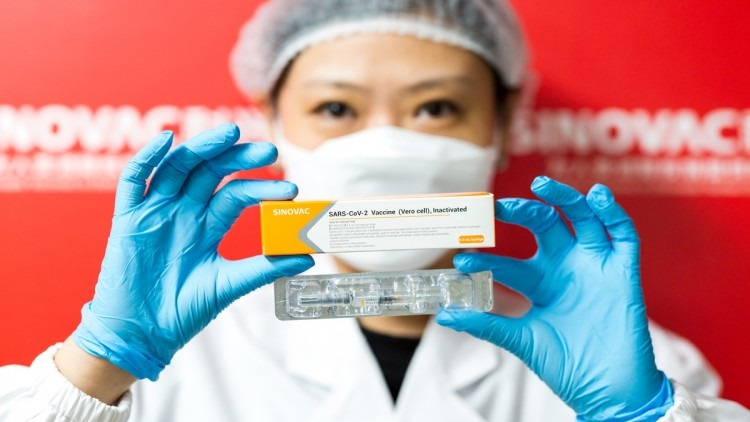
“In medical terms, the primary goal of vaccination is to prevent deaths, reduce the severity of the disease, and decrease hospitalizations. Studies involving tens of thousands of participants have shown that all patients who experienced severe symptoms and died from the disease were unvaccinated. In contrast, no vaccinated individuals have shown severe symptoms from the disease.”
It is important to note that the effectiveness of the vaccine depends on population density, which affects social distancing and the intensity of measures such as mask-wearing and handwashing. If social distancing and measures are insufficient, the spread of the virus can occur more easily, potentially reducing the vaccine's effectiveness.