Study Results on How to Lift Lockdown Without Causing a Second Wave: Society and Economy Returning to Normal Quickly
The lockdown measures implemented to control the spread of the coronavirus disease 2019 (COVID-19), which originated in Wuhan, China, at the end of January, have proven effective in reducing infections. After a 76-day lockdown, Wuhan reopened fully on April 8, 2020.
As the pandemic spread globally, many countries adopted lockdown measures over the past month, including Italy and Spain, two European countries heavily affected, as well as the UK, Germany, and the United States, which have the highest number of infections and deaths worldwide. These measures have helped reduce infections in many areas, leading some countries to gradually ease lockdown restrictions by allowing small businesses to reopen. However, some countries and states in the U.S. have extended their lockdowns until early May. In the UK, Health Secretary Dominic Raab stated that the lockdown may continue until June, amid increasing pressure for the government to prepare a plan to ease restrictions.
Thailand also implemented lockdown measures under the Emergency Decree on Public Administration in Emergency Situations, B.E. 2548, from March 26 to April 30, 2020, leading to a decrease in the number of infections.
The prolonged lockdown has prompted protests in some countries, such as the U.S., calling for cities to reopen. The economic impact of the lockdown has been severe, leading businesses to demand the reopening of cities or a relaxation of measures. In Thailand, businesses are preparing to resume operations after April 30.
The question remains: what criteria should be used to decide when to reopen cities or ease restrictions?
WHO Warns of Gradual Easing

Dr. Tedros Adhanom Ghebreyesus, Director-General of the World Health Organization (WHO), stated in a meeting with G20 leaders via video conference on April 19 that while some countries may prepare to ease lockdowns, it must be done gradually.
Dr. Tedros emphasized that all countries are affected and each is in a different situation.
Countries like Austria, Germany, and Italy have begun to announce the easing of lockdown measures after seeing a decline in the number of infections and deaths. Dr. Tedros noted that “lifting lockdown measures does not mean the outbreak is over in that country; it marks the beginning of the next phase of the outbreak.”
“The important thing moving forward is that countries will educate, engage, and empower people to protect themselves and respond quickly if the outbreak resurfaces,” Dr. Tedros added, stressing the need to ensure that countries have the capacity to detect, test, quarantine, and treat all cases, as well as trace contacts of infected individuals. It is also crucial to ensure that health systems can handle an increase in cases.
Dr. Tedros expressed concern that the virus is spreading more in countries that lack the capacity to respond to the outbreak compared to G20 nations, highlighting the need for emergency assistance not only to help countries combat the virus but also to maintain essential public health services.
6 Recommendations Before Reopening Cities
Dr. Maria Van Kerkhove, head of the WHO Health Emergencies Programme, stated in a press conference on April 13 that many are calling for the lifting of lockdown measures as infection rates stabilize in some countries, but patience and caution are necessary.
“People may need to stay home longer,” Dr. Maria said, emphasizing the need for a strategy to lift lockdown measures gradually rather than all at once to prevent further disruptions. “Not lifting everything at once is crucial so that we can allow people to return to work and get the economy moving as quickly as possible.”
Dr. Maria noted that many countries can begin to ease lockdowns in areas where infection rates have decreased, but they must have control strategies in place and systems to allocate resources if necessary.
Dr. Tedros mentioned that the WHO is developing guidelines for countries considering lifting lockdown measures, which include six key principles:
1) Control of the outbreak and infections.
2) Health systems must be capable and ready to detect, test, quarantine, and treat all COVID-19 cases and trace contacts.
3) Risks of outbreaks must be kept very low in specific areas, such as healthcare facilities and nursing homes.
4) Preventive measures must be in place in workplaces, schools, and other essential locations.
5) Ability to manage infections coming from abroad.
6) Communities are well-informed, engaged, and supported to adapt to the new normal.
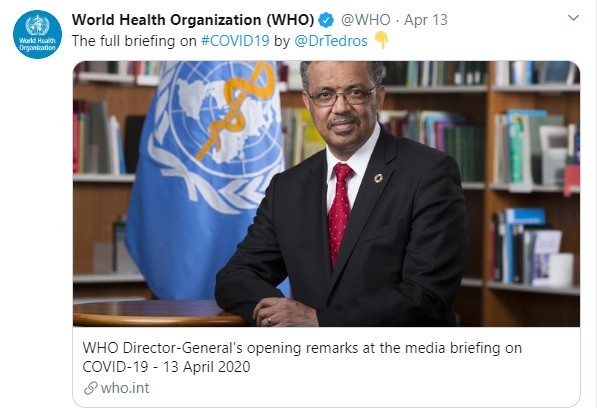
Dr. Michael J. Ryan, Executive Director of the WHO Health Emergencies Programme, stated that a stable number of infections does not mean that the worst is over. “It is a time to be cautious,” he said.
Dr. Michael emphasized that physical distancing and handwashing measures must continue even after lockdowns are lifted. “We need to change our behavior for some time,” he added.
Moreover, health systems must be strengthened to cope with the aftermath of lifting lockdown measures, and hospitals must have adequate protective equipment and ICU capacity. “After lifting lockdowns, we may see an increase in cases, and we do not want the lockdown to have been in vain,” he said.
“Now we need to double our efforts,” Dr. Michael stated. “This is a time for extreme caution.”
When Can Lockdowns Be Lifted?
When Wuhan, the epicenter of the outbreak, lifted its lockdown measures, the world watched closely after 76 days of restrictions, as the lockdown appeared effective, with new cases dropping from 1,500-2,000 per day to just 10.
Meanwhile, many countries are entering the second month of lockdown and are questioning when they can lift these measures. Countries showing signs of a slowdown in hospitalizations and deaths may be closer to that reality.
The lifting of lockdown measures in Wuhan began with a gradual easing of restrictions, allowing residents to leave their homes under limited conditions. Importantly, a screening program was implemented, testing those at high risk of infection and those in close contact with confirmed cases, enabling authorities to control infections and reduce new cases by up to 90%.
The lifting of lockdowns in other countries will similarly depend on their ability to control the virus's spread and protect public health after restrictions are lifted. Therefore, to assess whether lockdown measures can be lifted and to decide when to do so, three key questions must be answered:
First, can we control the virus's spread enough to prevent a second wave of infections and deaths in the future? Answering “yes” requires significant assurance that we have passed the peak of the outbreak, that infections are declining, and that this control is not temporary.
Mathematical modeling predicts the rate of spread, measured by how many people one infected person will infect, known as the R0 rate, which must drop below 1. Without restrictions, the R0 rate typically ranges from 2-3. Bringing the R0 rate below 1 means that the number of new infections is less than the number of recoveries, leading to a decline in new cases and the eventual end of the outbreak.
Impact of Lockdowns
Mathematical models demonstrate that lockdown and physical distancing measures are effective. For instance, a study showed that travel restrictions in Wuhan reduced the R0 rate from 2.35 to 1.05 within two weeks. In the UK, preliminary analysis indicated a 73% reduction in the R0 rate since lockdown measures began.
Another study using models to predict the spread outside Hubei province found that lifting lockdown measures too quickly could push the R0 rate above 1 after restrictions are lifted, leading to a second wave of infections.
Even if indicators suggest that some countries have reached the peak of the outbreak, it may take time to ensure that this control is not temporary, as there may be delays in reporting infection and death numbers.
Importantly, controlling the virus's spread through physical distancing measures not only prevents deaths but also buys time for scientists to study the virus and its transmission patterns, as well as to develop effective vaccines.
All of this leads to the second question: Can we identify infected individuals and prevent new infections? To do this, we must ensure that infected individuals are quarantined and find ways to trace all close contacts of infected individuals to determine if they also need to be quarantined.
We also need to know if there are asymptomatic carriers. Recent studies suggest that there may be individuals who are infected and contagious without showing symptoms, but to confirm this, widespread testing is urgently needed.
Testing for antibodies produced by the body to fight the virus will help identify who has been infected and provide a clearer picture of the outbreak. Currently, antibody tests are available and are continuously being developed, but it is still unclear if they are accurate enough for large-scale screening programs that can reliably ensure no new infections arise from undiagnosed cases.
Second Wave of Infections
The final question is what will happen if a second wave of infections occurs after restrictions are lifted? The only way to ensure that the public is fully protected is through effective treatments or vaccines against the virus. Progress is being made in the development of drugs and vaccines, with expectations for available vaccines in the coming months.
If we wish to lift lockdowns before a vaccine is available, we must ensure that there is a strategy to limit the risk of a second wave that could lead to increased deaths. Second waves have occurred in the past during major outbreaks, sometimes resulting in more deaths than the first wave.
One approach is to follow Wuhan's example, which continued to implement physical distancing measures and protect vulnerable groups even after lifting the strictest lockdown measures. At the same time, we must monitor the situation and use models to ensure that we can detect a second wave of infections as quickly as possible if it occurs and prevent it as soon as possible.
However, before reaching that point, we must ensure that we have passed the peak of the outbreak and conducted extensive testing to isolate and control remaining infections. For many countries, this may take several weeks, even if not several months.
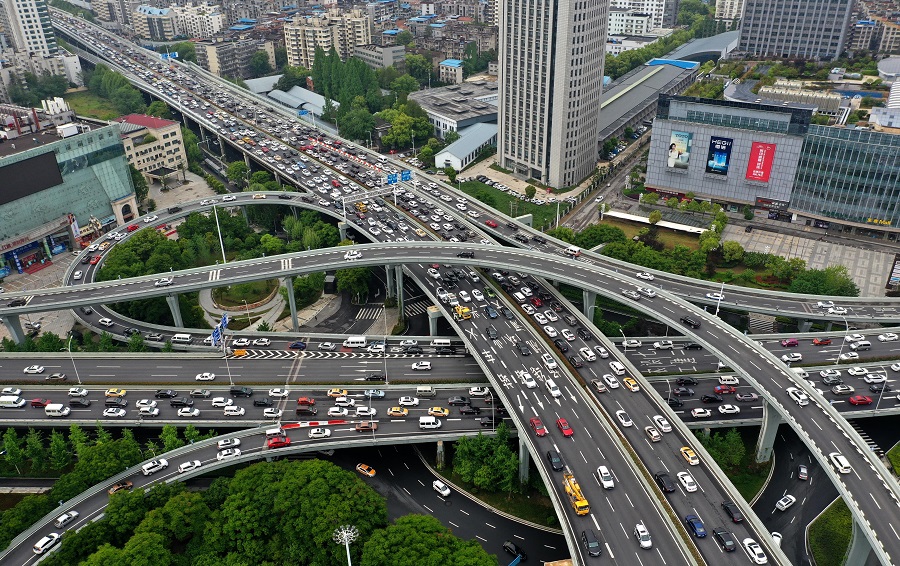
Green Zones May Be the Answer
Additionally, there are suggestions for using lockdown measures to avoid a second wave of infections and limit the impact on the economy and society. One such report is the study Exit strategy: from self-confinement to green zones, conducted by Miguel Oliva-Bartome, a mathematics professor at Université Paris-Dauphine, Barry Pradel, an economics professor at the Oxford-Man Institute, and Luc Attia, a mathematician from École Polytechnique, France, who are part of a group of mathematicians and economists specializing in modeling uncertain scenarios and sampling.
This group of scholars presented their findings through the website The Conversation, stating that this proposal is based on two factors: the first is the establishment of green zones, which must have a hygiene system, low infection rates, and the ability to manage future risks. The second is to gradually expand green zones once it is safe to do so.
Zone Division
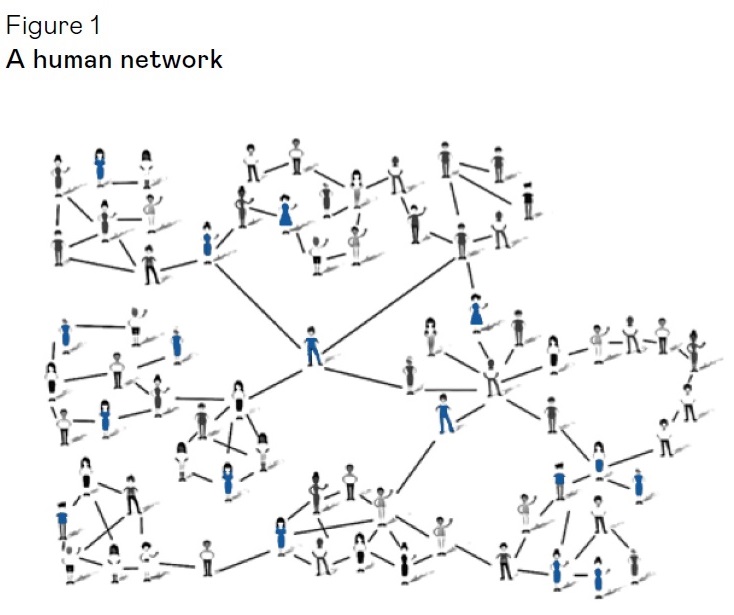
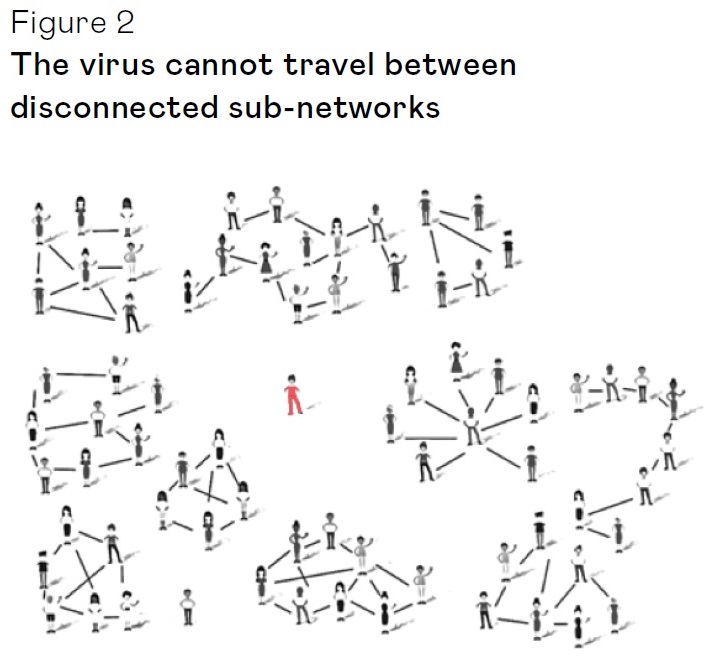
The report states that the goal of lockdown measures is to separate the global population into disconnected networks due to movement restrictions, but this separation may not be entirely effective.
In France, where the three scholars reside, citizens have been asked to stay within a 1-kilometer radius of their homes. While this measure significantly slowed the outbreak, the virus still spread throughout the network. In urban areas like Paris, two people living 2 kilometers apart may visit the same store, meaning everyone within a 10-kilometer radius is connected within five levels of sub-networks.
Therefore, instead of restricting individual movement within a radius as in France, these scholars suggest that allowing people to move within disconnected areas, such as municipalities or districts, may be more effective. This division would make it easier to restrict movement between cities than between municipalities within the same city. Some divisions may require legal enforcement, while others may simply be recommendations, which could represent state control in many countries.
The implementation of zoning measures in various areas of China has been successful, particularly in Wuhan, which reduced connectivity between areas and prevented the virus from spreading throughout the region. However, it is impossible to achieve complete disconnection, as essential workers still need to travel for work, and some citizens may disregard regulations. The researchers' analysis incorporates these factors into their study.
Green Zones
Defining green zones will facilitate a smoother transition back to normal life after controlling the outbreak. The scholars propose a method suggested by Spanish economist Juan Monrass to manage the process and the potential second wave of the virus, which may be partially unavoidable. Monrass suggests initially opening one area to serve as a local labor market, where internal movement is high but external movement is limited.
This group of scholars proposes that each country should divide areas based on geographical characteristics or into segments with populations ranging from 5,000 to 100,000 people. To limit economic damage, these areas should be designated as travelable zones, ensuring diverse economic connectivity.
Each segment will be designated as red or green, depending on the current outbreak situation. In red zones, the situation may resemble lockdown conditions, requiring hygiene measures, restrictions on store openings, and limitations on leaving home. Additionally, leaving any area may require permits or certificates, reserved for essential workers and other critical reasons. Conversely, in green zones, a return to normal life can occur more quickly.
For instance, consider a town with a population of around 10,000, where most residents work in local factories or other community jobs. Once the virus outbreak is controlled and no new cases are reported for several days (as determined by random testing, as suggested by Nobel Prize-winning economist Paul Romer), the town will receive a green designation, allowing residents to return to normal social and economic activities within their town while still facing travel restrictions outside.
After about a week, the virus outbreak will be contained within the green zone or small adjacent segments, gradually connecting into a larger green area. This way, larger green zones will allow people to visit the same stores, go to work, and access parks and schools.
The criteria for establishing green zones and the timing for their integration will depend on each country and should involve discussions with medical personnel, epidemiology experts, and economists. In some cases, yellow zones may also be used to indicate that several restrictions are still in place.
Testing and zoning may not be perfect methods, so some green zones may experience new infections and need to revert from green status. When this occurs, all green zones may need to revert to lockdown conditions.
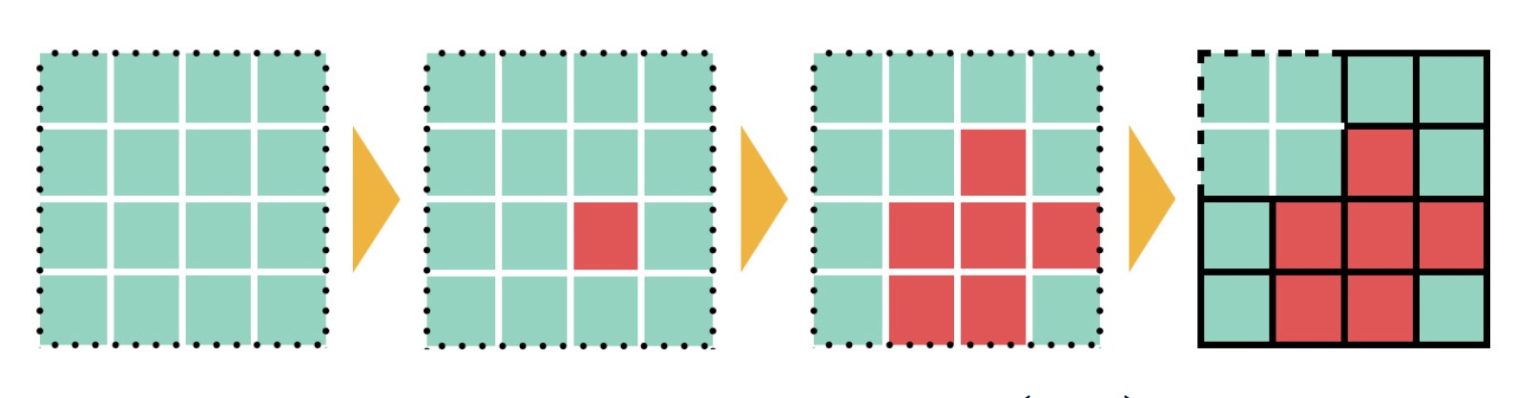
In red zones, when new infections are detected, COVID-19 testing will be conducted in the area. If infections are found in surrounding areas, measures will be reviewed to control the virus.
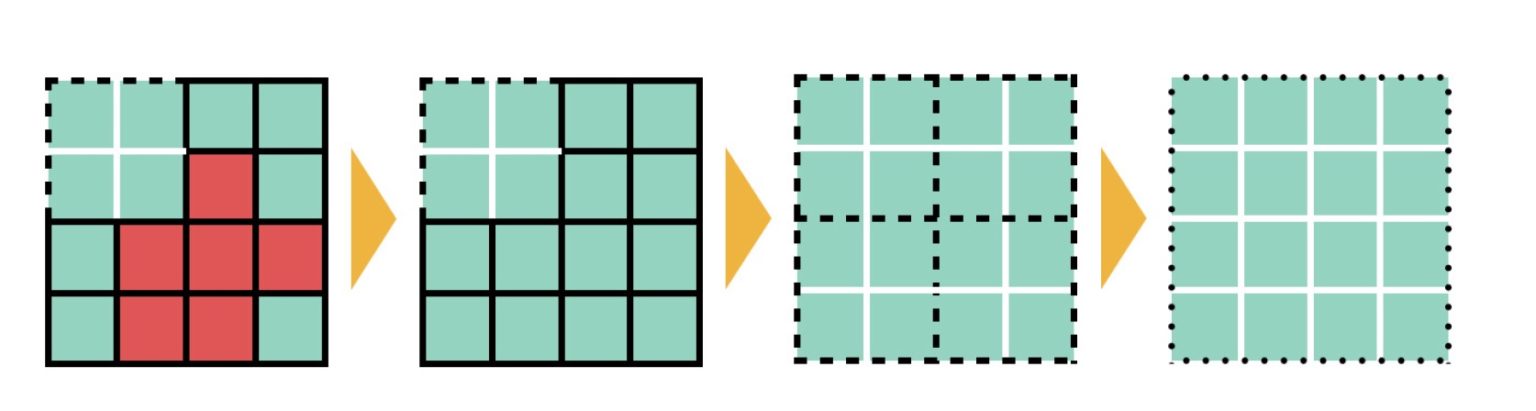
In green zones, after several days of random testing (14-28 days), all areas may turn green, and seven days later, small green zones will merge into a new green area, expanding further seven days after that.
Advantages of Green Zones
This process of merging areas may seem unappealing, as the size of green zones may expand but also contract at times. However, the scholars' study indicates that when the risk of new infections is controlled, this process will significantly accelerate the return to normal life. According to modeling, the UK could merge areas within 2-4 months, but this would require ongoing public health measures, cleanliness, safety, and extensive testing for infections.
The merging of green zones must be a careful process but can be effective. In some cases, this approach may initially separate society into basic groups before reuniting them into a community from similar groups.
Defining green zones will facilitate quicker integration and have limited adverse effects on society and the economy, as new relationships can be established as quickly as possible. Furthermore, there is potential to adapt green zones to align with each region's capacity to enforce other measures, such as testing, issuing health certificates, or implementing hygiene practices.
To maximize the benefits of implementing green zones, essential policies must support this initiative. The establishment of green zones should be carefully considered from both social and economic perspectives, with clear regulations for each zone. Importantly, all measures, including green zones, must receive public approval, which can be challenging to achieve due to the significant policies involved.
This group of scholars believes it is time to consider solutions based on mathematical models that suggest green zones will be a viable option. As green zones continue to expand, we can rebuild society and economic relationships in a safe, effective, and timely manner.
SOURCE: www.thaipublica.org