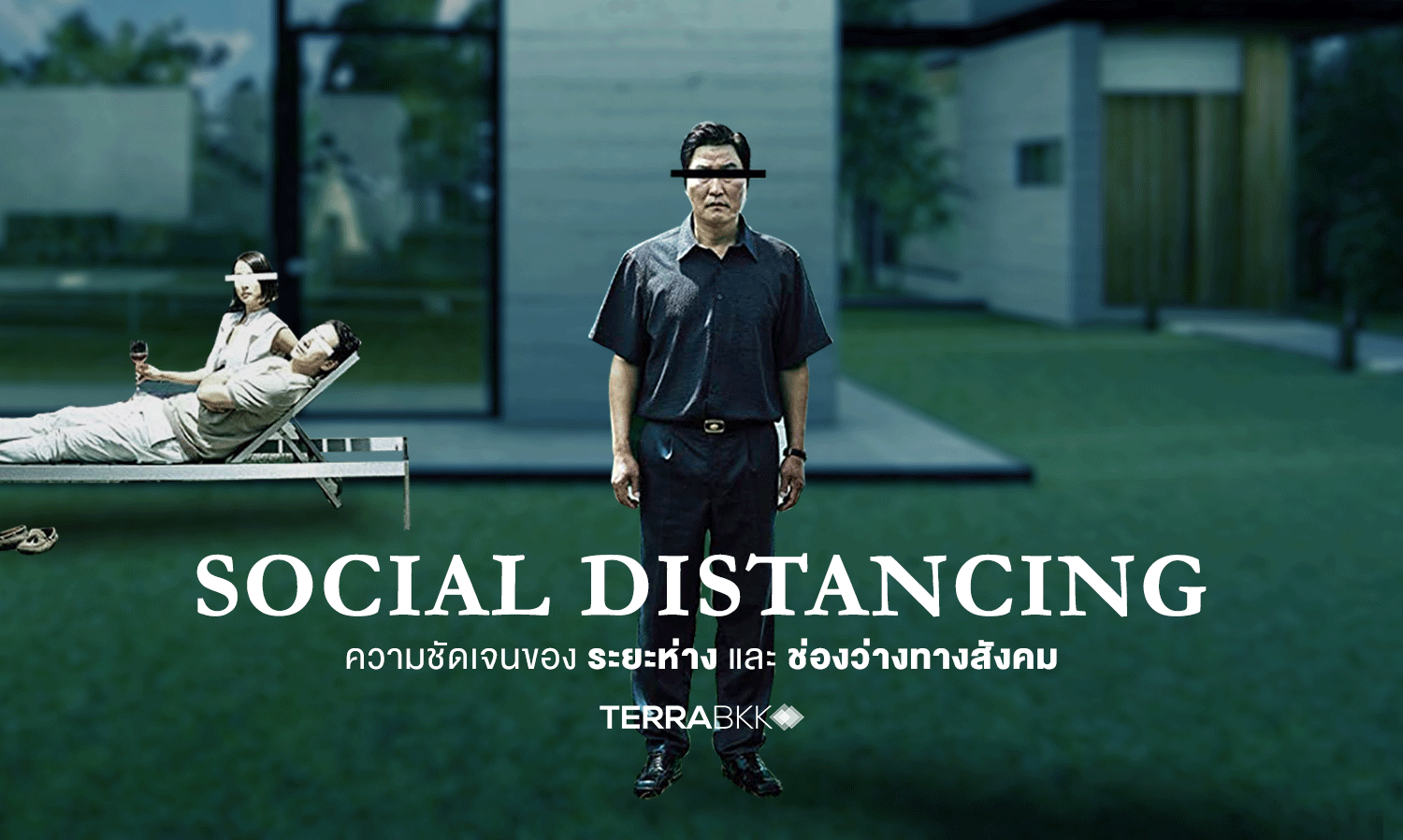
Social Distancing and the Clarity of Distance and Social Gaps During COVID-19
“We don’t want to go back because we don’t want to spread the virus to our families. Honestly, we’re not sure if we’re infected or not, but it’s really necessary to return... We have no income at all; we need to eat and spend every day, and we have to send money home too.
...It’s really unbearable. I’ve been thinking about it until I’m stressed out.”
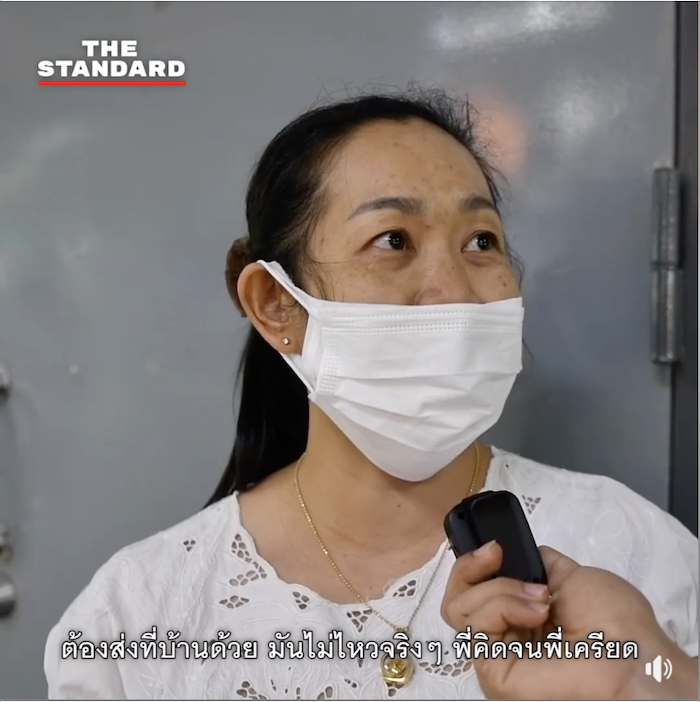
Source: https://thestandard.co/video/
A small voice from an employee of a company who had to travel back to their home province, uncertain if they would be the one to bring the virus to their family, yet still had to board a bus at Mo Chit bus terminal, facing the risk of being among a crowd of over 80,000 people on March 22, 2020.
The simple reason... is that they have no income to sustain their life in Bangkok any longer.
The arrival of the vicious virus COVID-19 and the request for cooperation from the Social Distancing campaign, which required maintaining social distance, led to the emergency closure of workplaces, malls, and shops without initial support measures. This not only caused company employees to lose their income and jobs but also affected many informal daily wage workers who were left powerless upon learning that their workplaces had to temporarily shut down or, worse, could not continue at all. This made Social Distancing a factor that widened the gap in income and social status for them.
Why do the poor remain poor and are always pushed to the margins of society?
A forum thread asked, “Why have the poor remained poor for 20 years?”
From the perspective of the middle class, social mobility may seem achievable and not beyond effort. Even with low initial costs, consistent investment can elevate one to a higher social status... While this may not be an unrealistic notion, not everyone in the lower class and working class can reach the ideal point of those in the middle class.
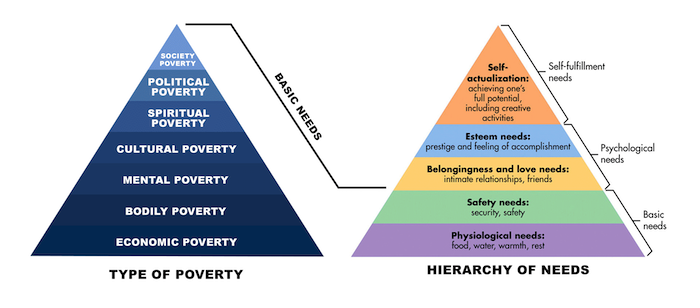
The lack of opportunities and growth, accompanied by these negative costs, is collectively referred to as ‘ Poverty ’, which binds and hinders the poor from being integrated into society in many dimensions. Urban poverty includes:
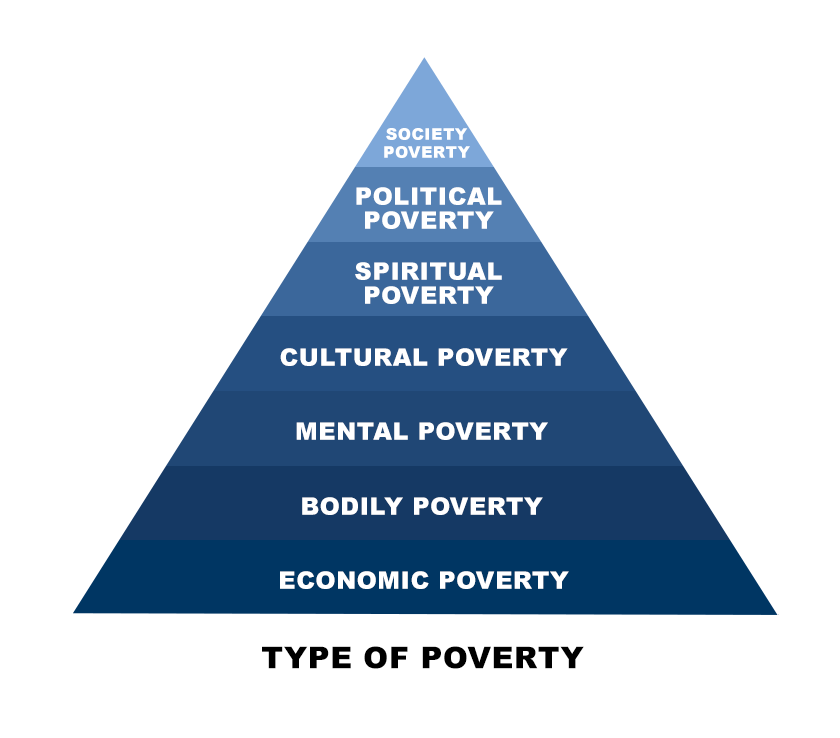
- Poverty in accessing basic necessities (Economic poverty) is the highest level of poverty, to the point of lacking access to food, clothing, and shelter.
- Poverty in accessing hygiene (Bodily poverty) is the inability to access basic public health systems, lacking good hygiene, and not even being able to access basic living conditions with hygiene.
- Mental poverty (Mental poverty) is the inability to access basic education systems, leading to a lack of critical thinking and the inability to acquire knowledge to elevate oneself to a better position.
- Cultural poverty (Cultural poverty) is the inability to access and be part of social culture, leading society to view them as not participating or feeling like they belong.
- Spiritual poverty (Spiritual poverty) is the lack of even a sense of belonging and social participation.
- Political poverty (Political poverty) is the lack of knowledge about the state system, not knowing what citizens' rights are, or lacking understanding of how the state system is structured and operates.
- Society poverty (Society poverty) is the lightest form of poverty among all types. Even the middle class experiences this, which is the lack of social ties and participation in society.
This theory of poverty highlights the significant burdens that the poor must bear. If we compare it with Maslow's Hierarchy of Needs (Hierarchy of Needs), which consists of:
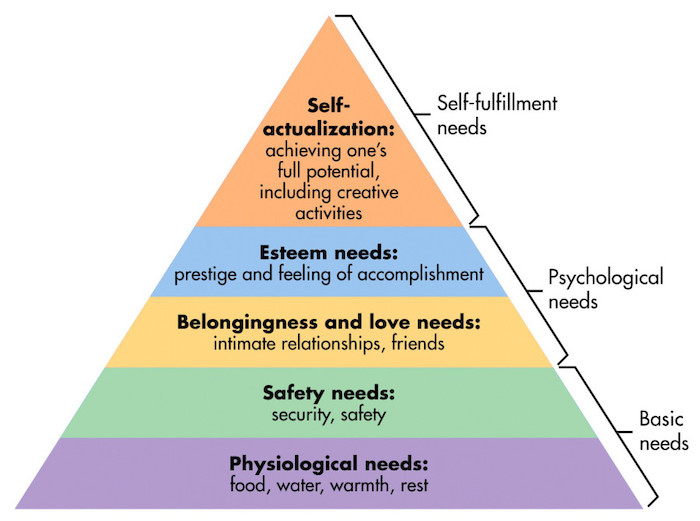
- Basic needs (Physiological Needs / Safety Needs) include food, water, warmth, rest, and safety.
- Emotional needs (Social Belonging / Esteem) include relationships, friendship, family, love, and being accepted and valued by others.
- Self-actualization needs (Self-Actualization) involve discovering one’s potential and achieving what one is meant to be.
It can be seen that while those in the middle class can ascend to emotional and self-actualization needs, the lower class may not even be able to access basic needs at the bottom of the pyramid during their lifetime.
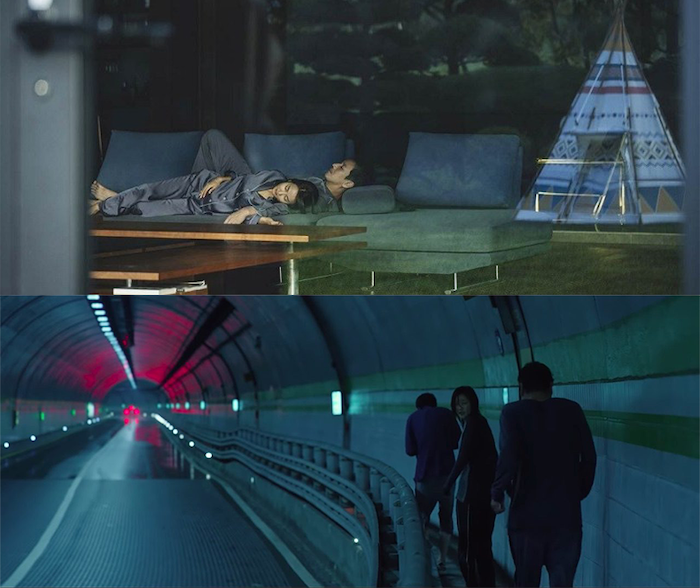
If anyone has seen the film Parasite (Parasite), directed by Bong Joon-ho, which won an Oscar this year, they will see that during a heavy rain night, the wealthy family was only affected by having to cancel their picnic plans and return home to sleep. Meanwhile, the poor family (viewed as the parasite class) had to struggle to survive by walking through the rain to return home, which was flooding, to salvage their belongings, akin to cockroaches fleeing the water on a rainy night.
The migration back to their hometown, resulting from the request for cooperation regarding social distancing (Social Distancing), which still lacks initial relief, is not unlike the desperate escape of the poor or the lower class. Not only do they not know how they will live tomorrow, but they also become scapegoats of society as ‘irresponsible members of society’.
It is shocking that in normal circumstances, these poor individuals are not seen as part of society at all. They do not receive help, are overlooked, excluded from basic information systems, and lack access to state welfare. However, when they must survive in abnormal situations, they become ‘criminals’ in the eyes of the middle class simply for trying to survive.
It is a pity that ‘Social Distancing’ has made the vast gaps and inequalities in Thai society glaringly clear.
References: