Creating a Business Continuity Plan (BCP) During the COVID-19 Crisis
During the crisis of COVID-19, not only do we need to protect ourselves, but organizational leaders and various developers must also find ways to ensure that their organizations can continue to operate during such crises, known as Business Continuity Planning (BCP). Unlike us, who receive a salary and can comfortably work from home, executives constantly think about expenses, wages, and various income streams. They have to consider much more than regular employees.
Based on the author's experience, I would like to present a quick and understandable approach to creating a BCP for all readers.
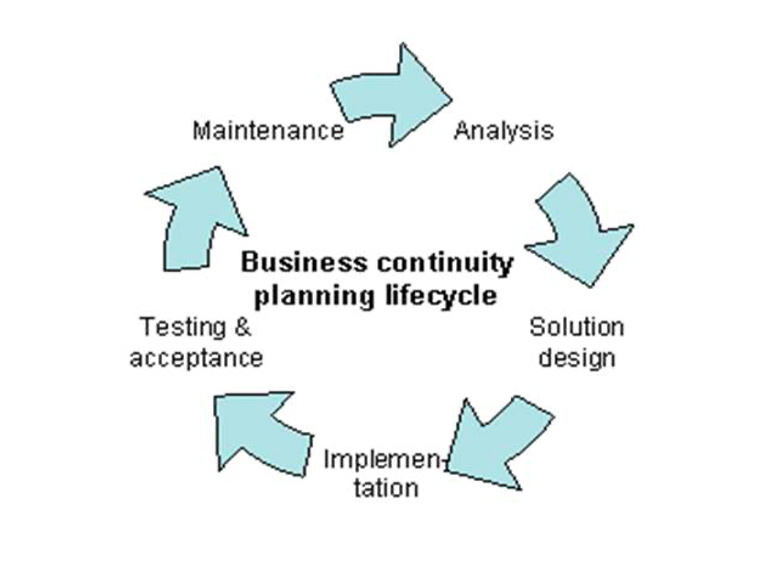
1. Everyone in the organization should participate in creating the BCP. This includes providing opinions (and taking action), planning, executing, reviewing, and improving the plan (Plan – Do – Check – Action: PDCA). It is not solely the responsibility of management. Those who work on the ground, especially in the real estate sector, understand the operational aspects and the characteristics of the employees involved. Therefore, opportunities should be provided for all levels of staff to contribute to the BCP.
2. Assess how your organization operates. Understand the operational processes, the nature of the work, and the outcomes. Importantly, identify the critical points of the organization, such as various server databases. Does your organization have backup plans for those data?
3. Determine who your organization needs to coordinate with, such as clients, various departments, etc. If your organization has an office, the responsible person should compile a contact list of those departments and distribute it to all relevant employees.
4. Keep copies of all important documents, such as land deeds, purchase agreements, bank documents, etc., with at least three copies stored in various formats. It is essential to have printed versions and store them in the organization's database or other storage locations. Why at least three copies? Because if one is lost or if the computer or storage device fails, there will still be sources of information available for emergencies.
5. Everyone in the organization must work together to identify the causes that could halt operations, such as earthquakes, floods, or fires affecting part or all of the building, which can be considered as “risk factors.” Then, collaboratively develop a risk management plan. In brief, the risk management plan starts with identifying where the risks come from (Risk identification), which may arise from internal factors within the project or company or from uncontrollable external factors.
- Assess how severe the risks are for your project or organization (Risk assessment) by evaluating the impact of those risks on your operations. For example, the COVID-19 pandemic caused all workers on a construction site to be infected, leading to a 14-day halt in the project, affecting cash flow while the company still had to pay contractors. This situation can be assessed as having a high impact.
- Determine how the company or project will respond to and manage the risks (Risk response), including risk reduction, risk transfer, or risk retention. For instance, the company might provide COVID-19 insurance for employees or delay project development until conditions improve.
Addressing risks in real estate projects requires time and understanding, which the author will elaborate on in the future.
6. Assess how many days the organization may need to halt operations due to various events, such as floods that could stop operations for 1-2 months or the COVID-19 situation that required a 14-day closure.
7. Evaluate the damages that will occur if the organization halts operations, both monetary and non-monetary. For example, if the organization has work due for clients during the halt valued at 1 million baht, what are the operational expenses (OPEX) such as rent and employee wages? Try to estimate as accurately as possible. In summary, damages = expected revenue + total OPEX (per day) X number of days the organization is halted.
8. Each department should compile information from points 2-7 into a simple plan, using plenty of visuals for easy understanding, and everyone in that department must comprehend this plan and conduct drills.
9. Assess the recovery time for the department (Recovery time/period) from the first day the organization halts operations until it can return to normal functioning. How long will this take?
10. Create a backup plan, especially for company databases that need to be accessible 24 hours a day in case of a halt. Additionally, consider alternative contact or operational locations for the company based on necessity (due to costs) according to the situation and environment. For instance, during the COVID-19 pandemic, online meetings or working from home became popular. Some regulations that hinder employee operations during a halt may need to be relaxed, such as timekeeping, which could be adjusted based on the work performed. For larger companies, having another headquarters could serve as a command center in case one headquarters needs to close.
11. Consider the database system as well, determining where the company's important data should be stored securely and who will be allowed access during work-from-home situations to prevent data leaks or hacking.
12. Establish contracts with various service providers, especially with both main and subcontractors, to ensure resource availability during crises.
13. Once the BCP is in place, it must be practiced so that everyone in the company understands it. If a real crisis occurs, the actual damages should be less than what was estimated. For example, fire drills, which may be a source of concern for building management, are actually a relief for employees, as they prepare everyone for potential emergencies like fires or other disasters.
I hope this article has provided a simple guide to creating a BCP for everyone in the real estate development sector. If anyone has questions or wants more information, the Department of Innovation in Real Estate Development (MIRED) is happy to provide useful information to everyone.