Thailand's Challenges and the Next Steps for 2021
On July 23, 2021, Thailand reported 14,575 new COVID-19 cases, with a total of 3,502 deaths (which is 0.005% of Thailand's population of 69.63 million). The country with the highest number of cases is the United States, with a total of 34,285,360 cases and the highest death toll of 609,870 (which is 0.185% of the U.S. population of 328.2 million). When comparing the death toll from COVID-19, Thailand's figures account for only 0.57% of those in the United States. Therefore, the ongoing complaints about the collapse of the public health system in Thailand seem exaggerated or unrealistic and could potentially lead to a civil war that would yield no benefits!
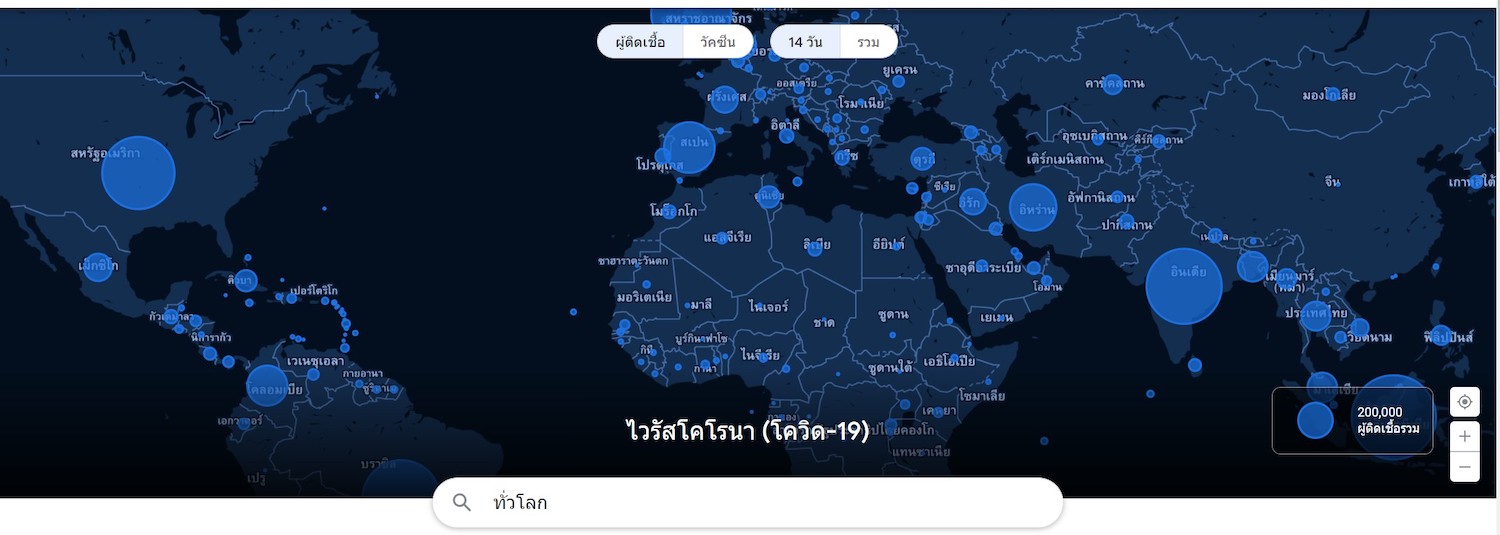
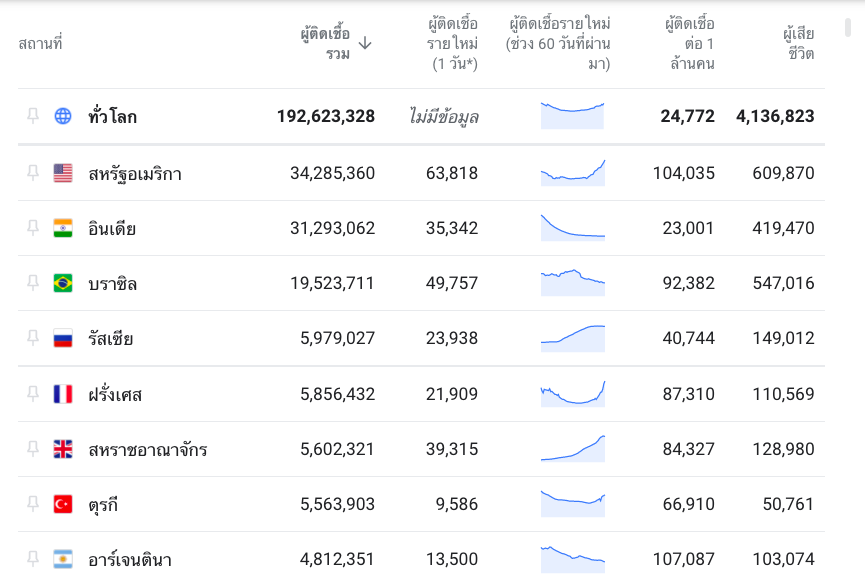
Data source: Google NEWS
Global Economic Growth Projections by Collette Wheeler, Economist, Prospects Group, World Bank, JUNE 08, 2021 According to The Global Economic Outlook in five charts, the forecast is as follows:
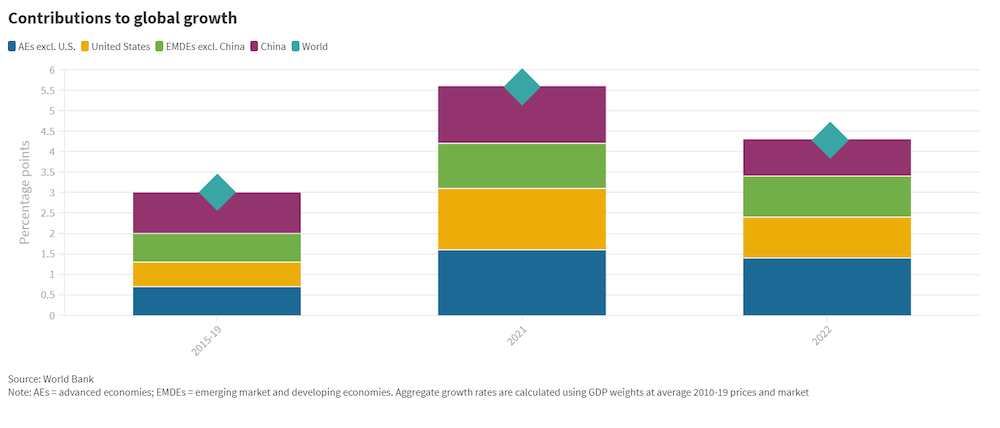
It is estimated that the global economy will grow by 5.6% in 2021, marking the highest post-crisis growth in 80 years. However, this growth is primarily concentrated in developed economies, while poorer countries continue to face challenges. In emerging markets and developing economies (EMDE), per capita income losses are expected to persist into 2022. Therefore, policymakers in each country must focus on reforming economic growth to emphasize resilient, integrated, and environmentally friendly development.
1. The global economy will grow in 2021, primarily driven by the recovery of developed economies.
The recovery of the global economy depends on major economies like the United States and China, while other countries, particularly in the EMDE group, lag behind. It is projected that the U.S. and China will contribute to global economic growth by a quarter, with the U.S. impact being three times that of the 2015-2019 period.
2. Vaccination has a significant impact on economic growth.
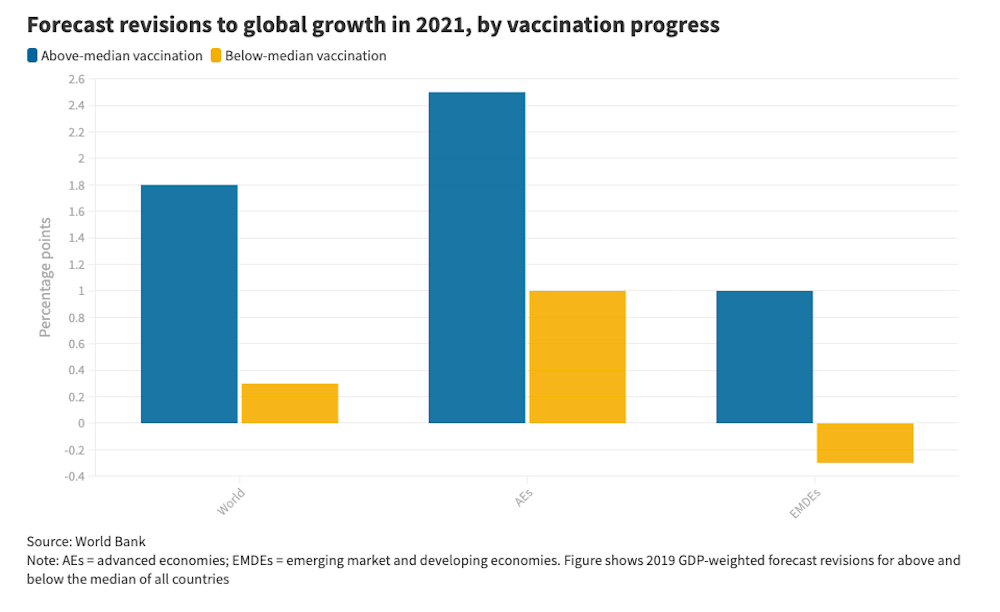
One crucial factor for the recovery of the global economy in 2021 is widespread vaccination, enabling developed economies to recover quickly. Conversely, many countries still face vaccine shortages and rising COVID-19 cases, leading to a slowdown in economic growth.
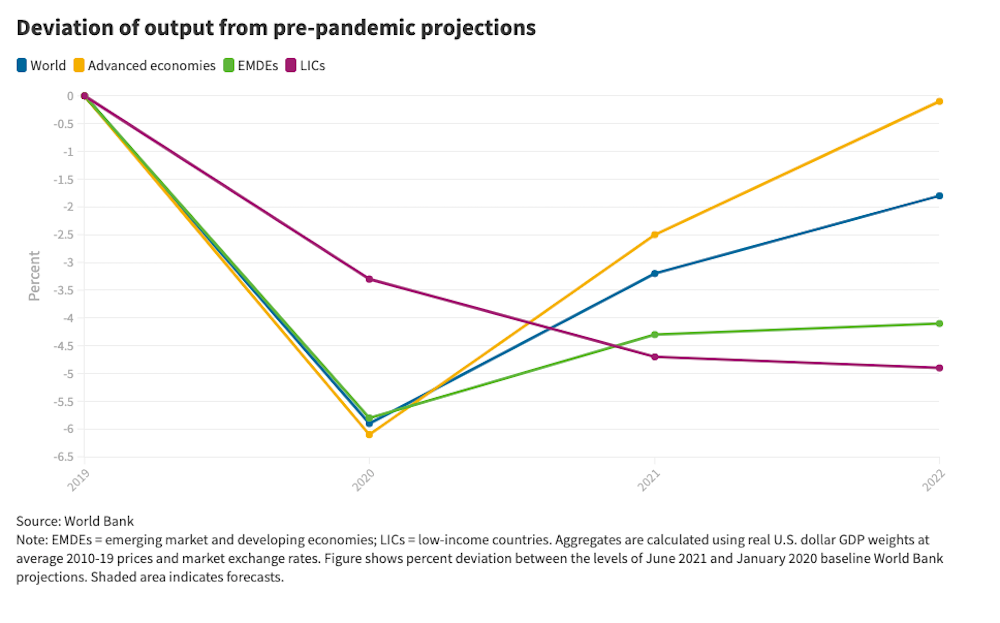
3. Global output will grow but not reach the anticipated levels due to ongoing challenges in poorer countries.
In 2020, global output was about 2% lower than estimated, as many countries continued to struggle with vaccine shortages and rising COVID-19 cases.
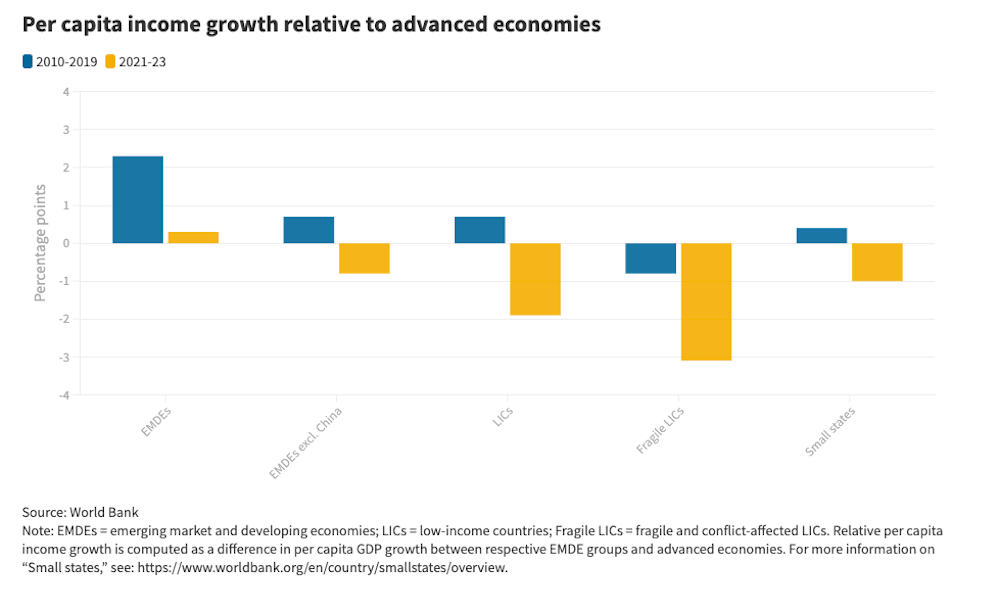
4. The COVID-19 crisis has widened the gap between developed economies and others.
Per capita income in many countries will continue to lag behind that of developed economies, further widening the income gap between these two groups, especially in poorer nations.
5. Economic growth reform must focus on developing resilient, integrated, and environmentally friendly economies, considering challenges from both the COVID-19 pandemic and climate change.
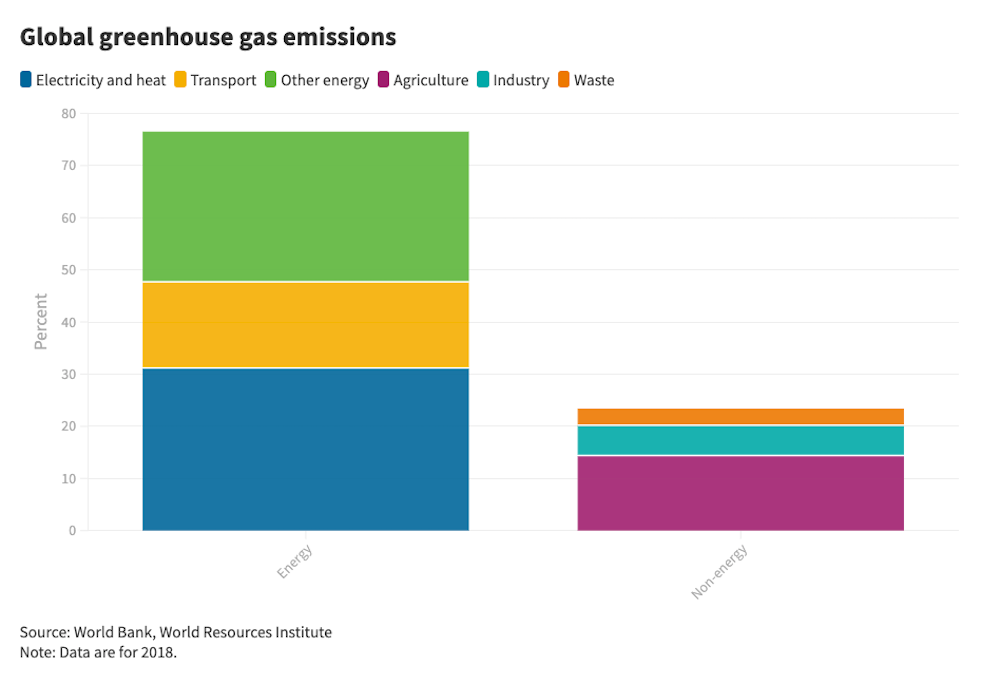
Policy development must consider equity and sustainability of the environment and nature, which will foster economic growth focused on resilient, integrated, and environmentally friendly development. Investments in infrastructure and environmentally friendly agricultural technology, along with regulations that promote energy conservation, will be crucial for increasing the use of renewable and alternative energy sources, thereby reducing greenhouse gas emissions.
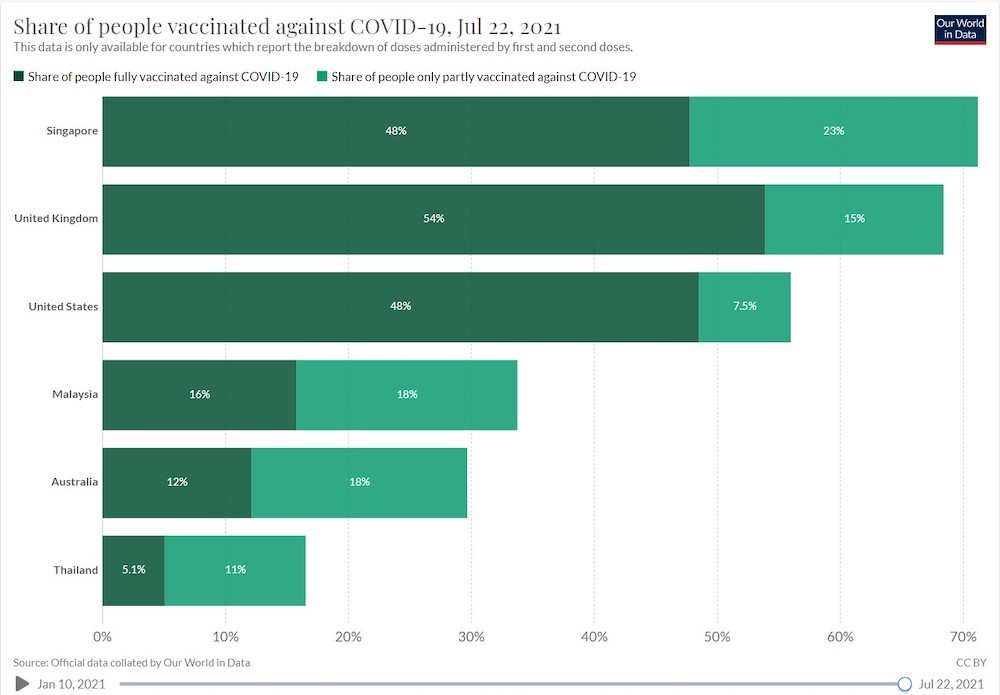
It is evident that the World Bank's economic growth projections rely heavily on vaccination rates as a key variable for economic change. Currently, Thailand's vaccination rate is lower than that of neighboring countries like Malaysia and Singapore. Therefore, the only course of action this year is to accelerate vaccination efforts to build immunity as much as possible. Strategies for speeding up vaccinations can include:
1. Training community health volunteers to administer vaccines.
2. Vaccine Mobile Clinics to distribute vaccines in various locations using buses or vans that are currently underutilized.
3. Pharmacies with licensed pharmacists to provide vaccinations.
4. 30-baht clinics available in communities.
5. Political parties can procure vaccines to distribute and administer themselves (as all parties have potential candidates in every area who are already engaging with the community).
Thailand should move forward with a comprehensive plan for social and economic infrastructure development, particularly in terms of job structures, technology networks, and environmental frameworks. We need to position Thailand as a vital resource for the global population and open our borders to foreign workers to enhance the skills of Thai citizens for global competitiveness.
The free spaces for the younger generations, Gen Z and Y, who thrive on outdoor activities, have grown up in an era of convenience with access to public transport, shopping malls, and cafes for socializing. Creating free spaces that foster creative gatherings and innovations for society is essential. We may need a new campaign: “Thai Youth Distanced from Politics” instead of “Thai Youth Distanced from Drugs.”
“Vaccines” may become the new weapon of war for superpowers that have never allowed Asia to rise!