How Different Countries Are Responding to the Covid-19 Crisis
Today, Terrabkk invites everyone to take a look at how various countries are planning to cope with the threat of Covid-19 and how prepared they are.
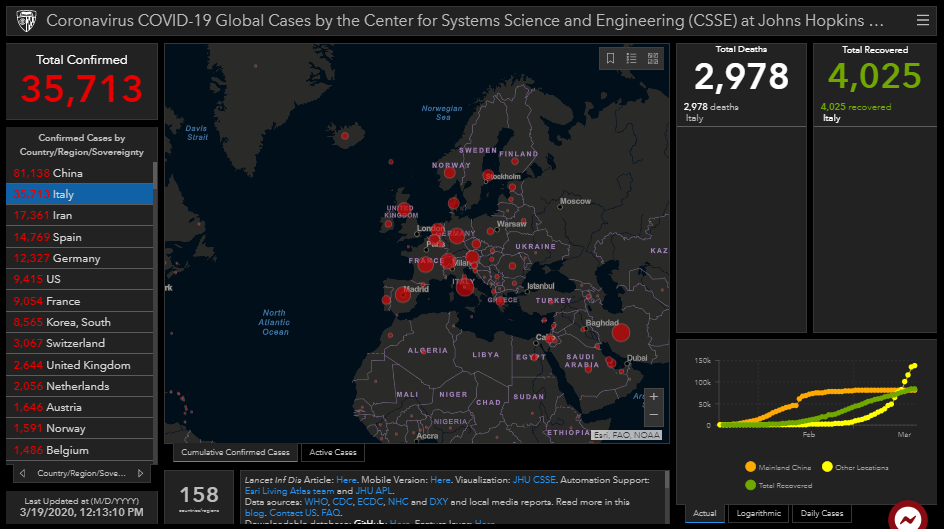
Italy: The Most Concerning Situation in the World Right Now
On March 9, Italy declared the entire country a red zone, at risk from the Covid-19 virus, implementing a nationwide lockdown. Initially, the lockdown was only in the northern part of the country, but it was later expanded to the entire nation. Schools were closed, entertainment venues were shut down, and restaurants had restricted opening hours. The number of patrons allowed in was limited, and citizens were ordered to stay at home unless absolutely necessary. Air and rail transport were banned, although private cars could still be used within designated border areas. Citizens could leave their cities but needed a permit to do so. Gatherings were prohibited, and all sports events across the country were canceled.
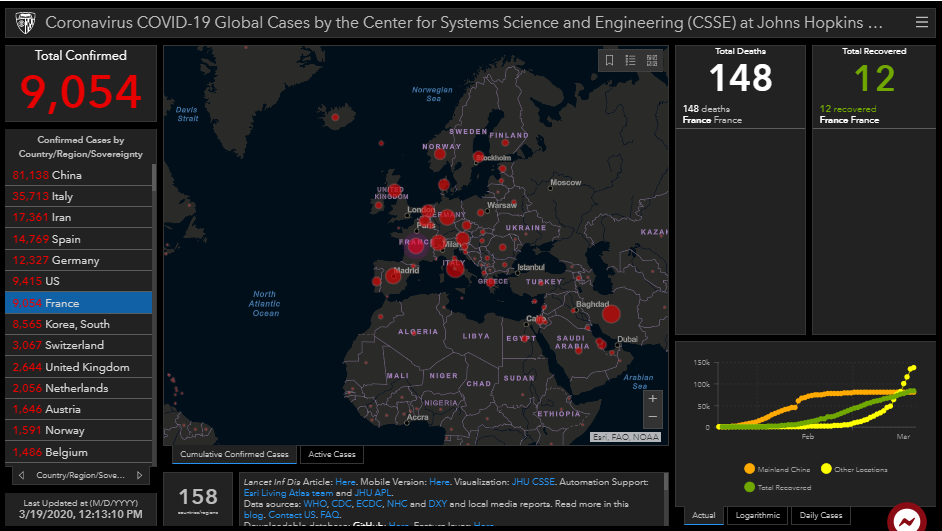
France
France ordered a city lockdown for 15 days starting March 16, prohibiting people from leaving their homes unless necessary. The second round of local elections was canceled, and venues for meetings, seminars, and performances were closed, along with shopping centers, restaurants, and bars. However, restaurants and bars, including those in hotels, were still allowed to provide takeout or home delivery services.
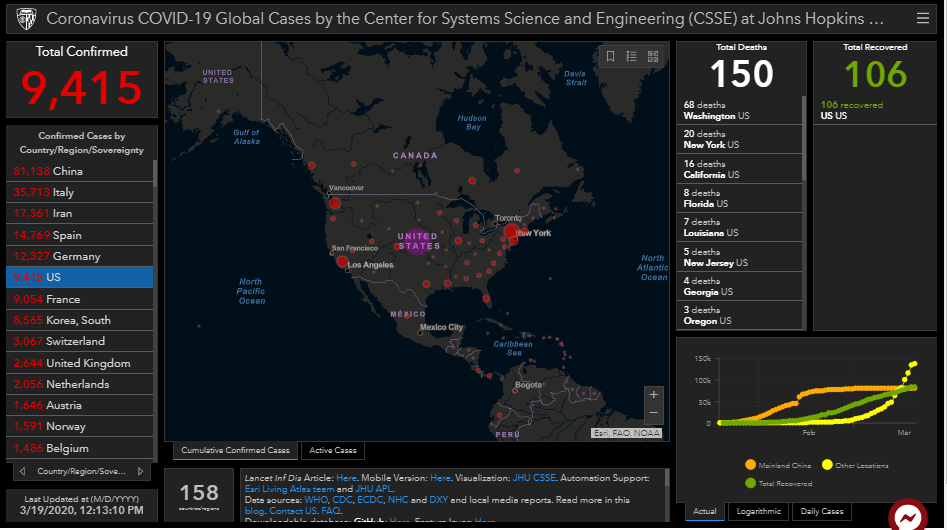
The United States
The federal government approved emergency funding to compensate income for patients for two weeks and three months if hospitalized. Additionally, food assistance and subsidies for uninsured individuals to get free COVID-19 testing were provided. Half a million COVID-19 test kits were distributed, and the private sector was urged to produce another five million kits within a month. The U.S. government ordered American manufacturers to urgently produce essential medical equipment such as ventilators and protective gear. Furthermore, several states in America are constructing temporary hospitals to meet the increasing demand for beds for coronavirus patients.
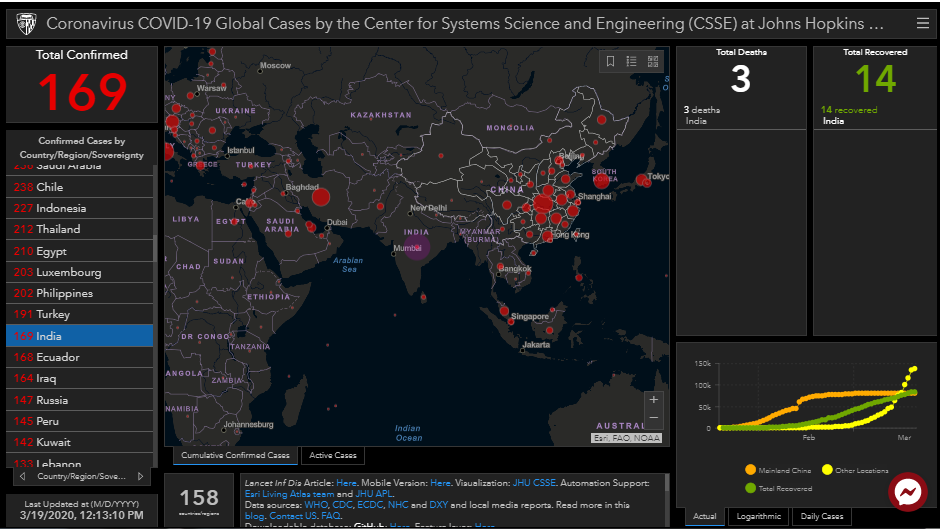
India
India has responded quickly to the outbreak by implementing travel restrictions, suspending visas, and quarantining all incoming tourists. All international passengers arriving in India must undergo health screenings. Health officials reported that over one million passengers have been screened at airports. The Ministry of Health has opened a hotline and provided detailed guidance to the public, prohibiting gatherings and advising against high-risk activities. Cricket league matches, a highly popular sport in India, were postponed. Additionally, state agencies are closing schools, gyms, and swimming pools in areas at risk or affected by Covid.
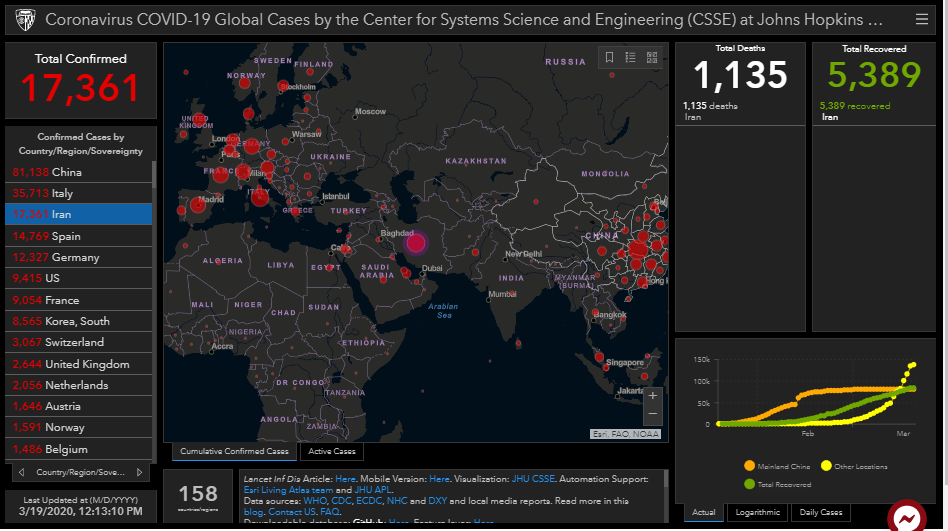
Iran
In February, the government began restricting travel between major cities by setting up checkpoints and suspending Friday prayers in the city center. Schools and universities were closed until early April, and officials suspended large cultural and sporting events and reduced working hours. The export of masks was banned for three months, and factories were ordered to ramp up production. Thousands of prisoners were released to prevent the spread of the virus in Iranian prisons, but the Iranian government has not yet implemented a complete city lockdown.
United Kingdom
The UK government has divided the pandemic response into four stages: Stage 1: Contain involves treating the first cases and tracking all close contacts to prevent outbreaks. Stage 2: Delay aims to slow the widespread transmission across the country and implement measures to mitigate impacts. Stage 3: Research focuses on understanding the virus and treatment methods better, and Stage 4: Mitigate involves providing the best care for patients through social and public services, distributing quality healthcare, and supporting medical personnel as much as possible.
Preventive measures in the UK include:
- Anyone with a fever or persistent cough should stay home for seven days if alone or 14 days if with others. Everyone living with someone showing coronavirus symptoms should also stay home for 14 days. Those who need to self-isolate should seek help from others.
- Everyone should stop unnecessary contact with others, especially those over 70 years old, who are at higher health risk, and pregnant women.
- Everyone should work from home.
- Everyone should avoid places like pubs, clubs, and cinemas, especially those in London.
- People should stop all non-essential travel.
- Over the weekend, patients with conditions like heart disease, diabetes, or asthma, totaling about 1.4 million people, should avoid social contact for 12 weeks to reduce the risk of transmission and death.
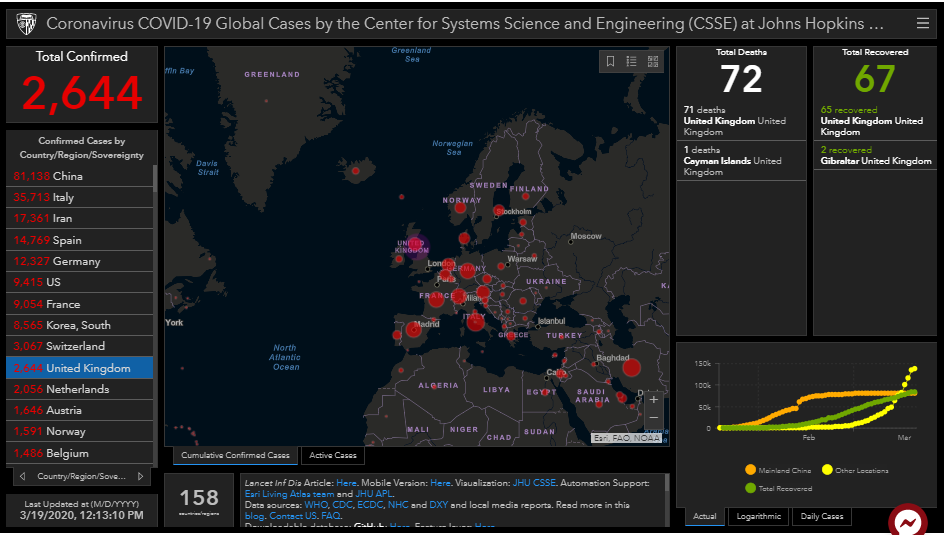
Spain
The Spanish government ordered a 15-day lockdown, declaring a state of emergency, prohibiting citizens from leaving their homes. Only those who need to work, buy food or essential items, go to the hospital, or assist children, the disabled, and the elderly are allowed to go out. Activities or gatherings are temporarily suspended.
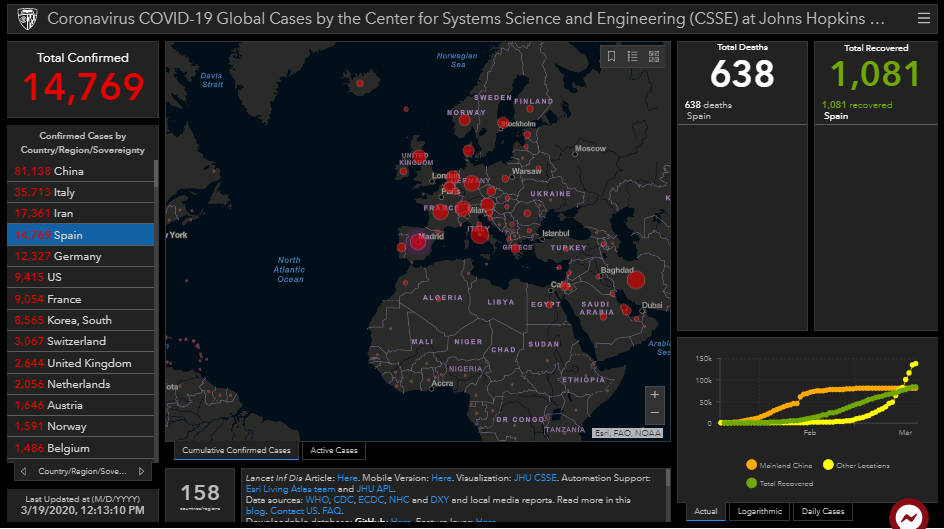
Germany
The German government issued a global travel warning for tourism controlling entry bans at borders with Switzerland, France, Austria, Denmark, and Luxembourg. Travelers without valid reasons cannot enter the country. Public activities were banned, and in the capital Berlin, cinemas, theaters, concert halls, and all sports facilities, including gyms, bars, casinos, and clubs, were closed until at least April 19. Restaurants can remain open if customers can maintain a distance of 1.5 meters. Visiting patients in hospitals is prohibited, except for children under 16 and those who are seriously ill. Bundesliga football clubs were ordered to stop playing.
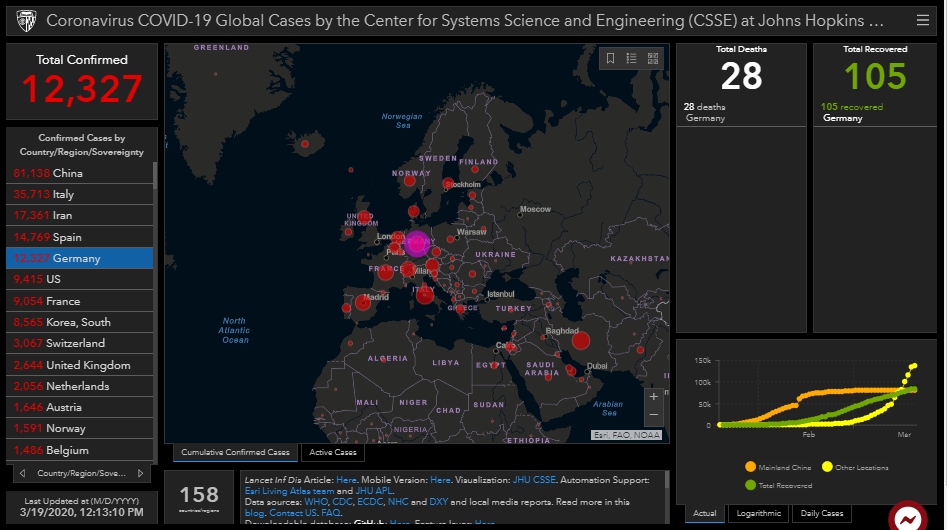
The Philippines
The capital city, Manila, was locked down with air, land, and sea travel within 17 districts of the capital suspended from March 15 to April 14. Checkpoints were established across various cities in the country, and classes were suspended for one month.
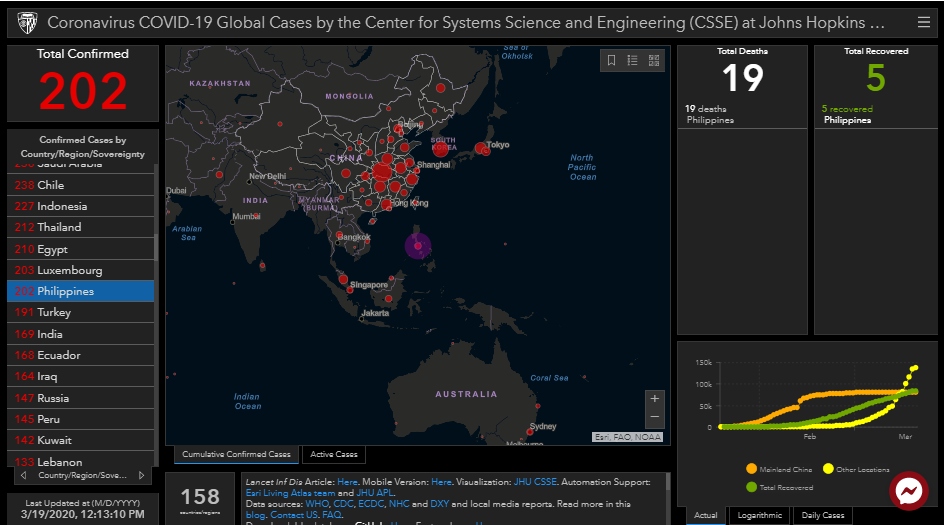
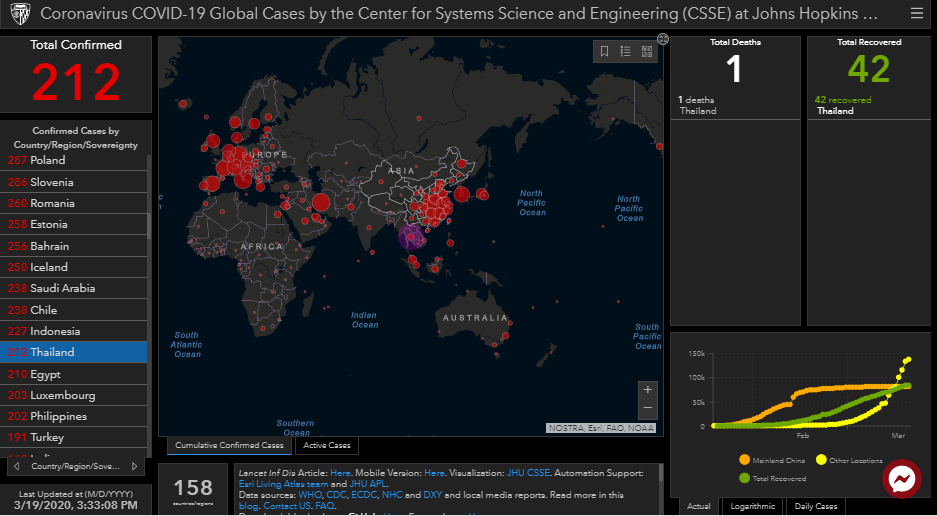
Thailand
Thailand has classified COVID-19 under the gold standard, covering disease prevention, health promotion, diagnosis, treatment, and medical rehabilitation. Educational institutions, tutoring centers, entertainment venues, and boxing stadiums were closed. The Visa on Arrival (VOA) for 18 countries was canceled, including Bulgaria, Bhutan, China, Cyprus, Ethiopia, Fiji, Georgia, India, Kazakhstan, Malta, Mexico, Nauru, Papua New Guinea, Romania, Russia, Saudi Arabia, Uzbekistan, Vanuatu, and Taiwan (Economic Zone). Travelers entering Thailand must apply for a visa at the embassy and undergo screening measures, such as providing a medical certificate.