When the Trade War Heavily Affects Thai Exports: A 2.9% Decline in the First Half of the Year
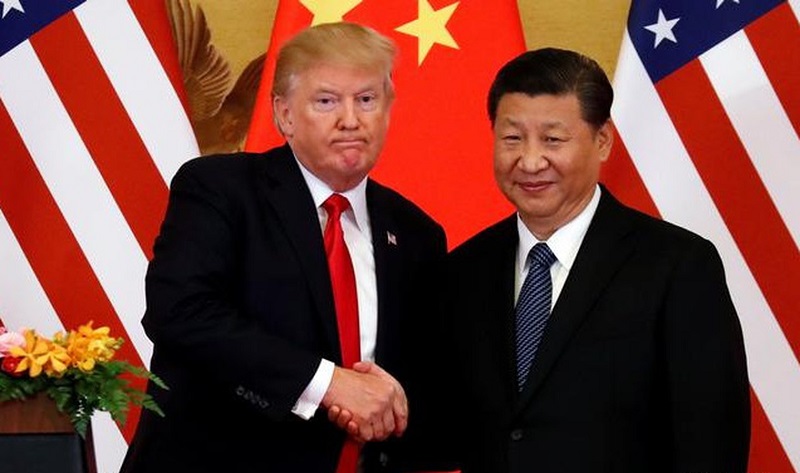
The China-U.S. Trade War continues to drag on without resolution, and its impacts are broadening beyond just a dispute between the two countries. The primary weapon used by both superpowers is import tariffs, which each side must pay to purchase goods from the other. The United States initiated this conflict, leading many to wonder why trade wars revolve around tariffs. This is because tariffs are a direct source of revenue controlled by the government, meaning that increasing tariff rates translates to clear income that will circulate within the country in the future. It is also the most effective tool the government has for negotiating trade.
As this war revolves around tariffs, it is intertwined with the entire global economy, involving exchange rates, currency, trade, and production costs. The products subjected to tariffs by both countries include end products, agricultural raw materials, and labor costs for components sourced from other countries. Therefore, this trade war is not merely a bilateral issue; its repercussions extend to countries that produce components. If China or the U.S. choose to reduce production costs, there may be positive effects if both countries opt to source raw materials from other nations.
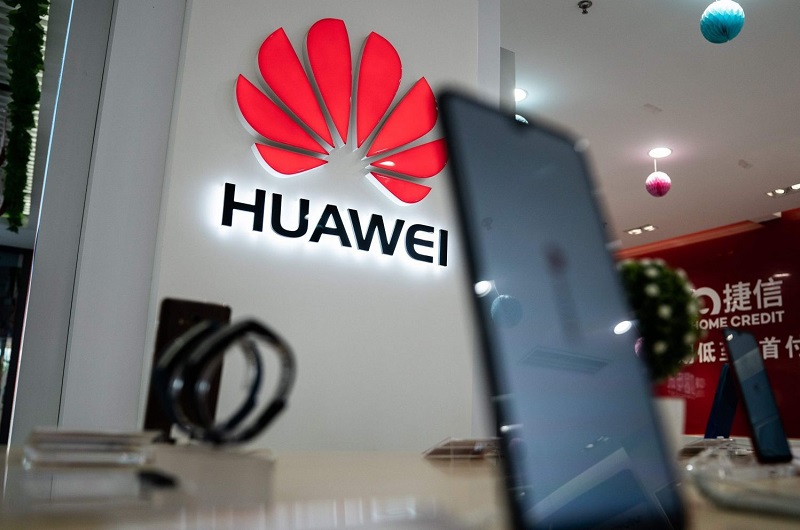
“Huawei” is another example of China striving to advance its technology and data management systems, starting from a small private business and evolving through learning from the outside world into a globally competitive brand. It has become a large technology company supported by the Chinese government and is now part of the trade war, evolving into a “technology war”.
Although after the G20 summit in Osaka, Japan, on June 28-29, China and the U.S. appeared to ease tensions, with the U.S. promising not to impose tariffs on $300 billion worth of imports from China and relaxing restrictions on Huawei by beginning to issue some licenses to U.S. suppliers to send electronic components to Huawei, China also pledged to resume agricultural imports from the U.S. However, one should not be overly confident in the positions of both superpowers, which continue to strategize, and close attention must be paid to their actions to monitor the direct impacts on the global economy.
Certainly, in the first half of 2019, many countries began to see clear economic impacts from the trade war, particularly regarding exports, one of which is Thailand, which serves as a supply chain for exports to other countries, especially in the electronics sector and electrical circuit boards.

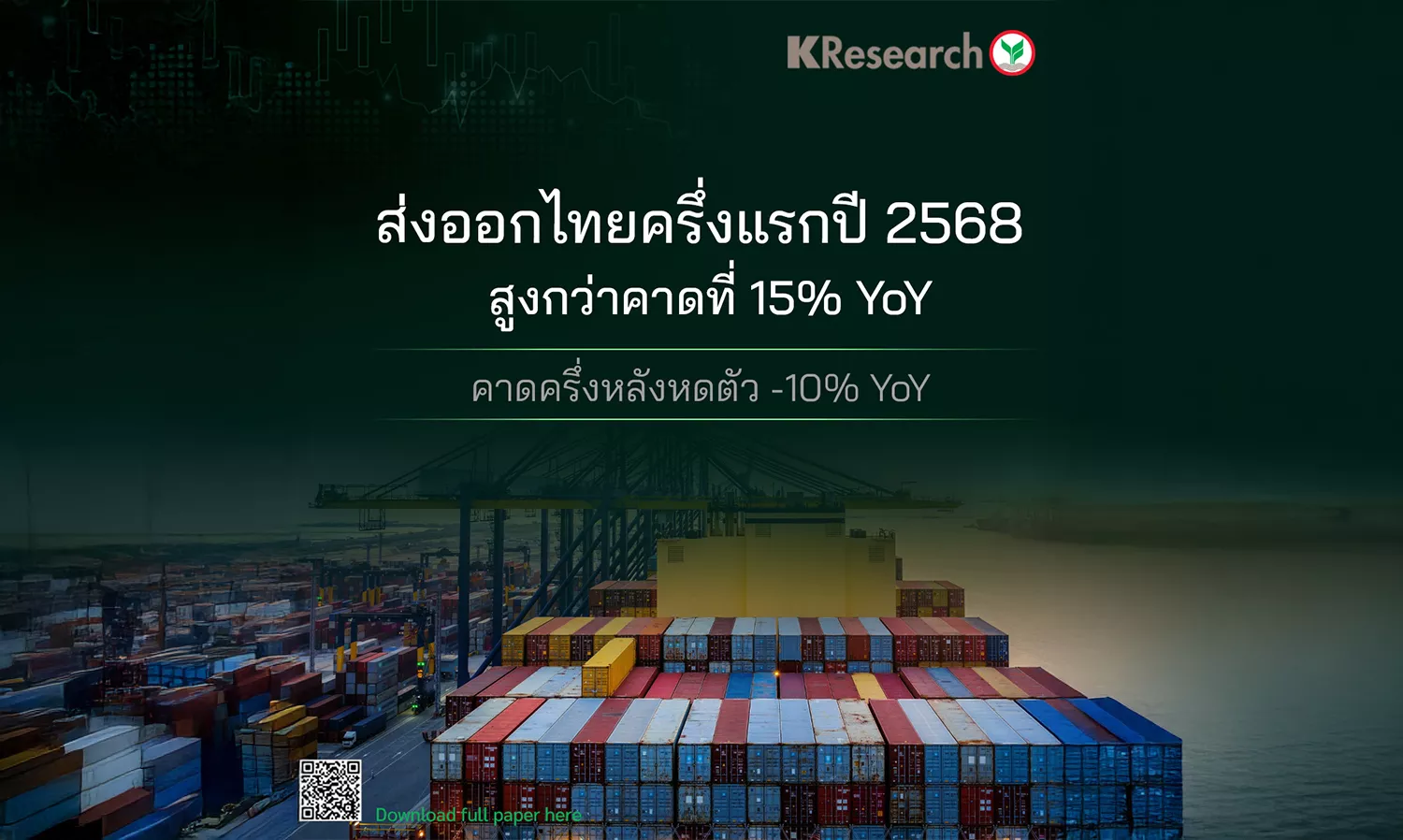
Data from the Office of Trade Policy and Strategy (OTP), Ministry of Commerce indicates that in the first six months (January-June) of 2019, Thailand's total exports were valued at $122.971 billion, a decrease of 2.9%. Imports were valued at $119.027 billion, down 2.4%, resulting in a trade surplus of $3.943 billion. The decline in exports in the first half of 2019 compared to the same period last year is primarily due to the trade war and the ongoing possibility that both the U.S. and China will negotiate a mutually beneficial agreement that has yet to succeed, along with conflicts in other trading partner countries affecting the global trade atmosphere, leading to increased concerns among consumers and investors worldwide, which impacts Thailand's export outlook in the first half of the year.
For Thailand's exports in June 2019, the value was $21.4 billion, contracting by 2.15%, an improvement from the previous month, which contracted by 6.2%. Thailand's exports align with global trade, as demand from key trading partners and commodity prices in the global market have continued to slow since late 2018. Meanwhile, imports in June 2019 were valued at $18.197 billion, contracting by 9.4%, resulting in a trade surplus of $3.212 billion.
Exports of agricultural and agricultural industrial products have contracted for the second consecutive month by 9.0%. Key agricultural products that have shown good growth include rubber and beverages, while products that have contracted include rice and granulated sugar. Industrial exports grew by 0.04%, with key products that continue to perform well including gold, cosmetics, soap, and skincare products. Important industrial products that contracted include oil-related products, electrical circuit boards, computers, and components.
The IMF predicts that the economy in 2019 will grow by 3.3%, the lowest growth since the economic crisis of 2008-2009. Nevertheless, the Ministry of Commerce has plans to boost exports in 2019. In the short term, the Deputy Prime Minister and Minister of Commerce has ordered the establishment of a joint public-private committee (JPC) under the Ministry of Commerce to serve as a platform for exchanging opinions and proposing solutions to export problems and obstacles, aiming to enhance Thailand's exports this year.
Additionally, trade policies will be used in conjunction with investment and services to encourage Thai entrepreneurs investing abroad to bring Thai products with them. Strategies will focus on penetrating specific markets, expanding export opportunities in strong markets such as the U.S. and India, and opening new markets like Canada, which has begun to show signs of growth. Emphasis will also be placed on high-growth products with export potential to replace traditional mainstay products, such as agricultural products, fishery products, and food (both fresh and processed), chicken, as well as promoting new star products with potential to compensate for the slowdown of existing mainstay products, such as motorcycles and components, watches and components, beverages, cosmetics, and skincare products.