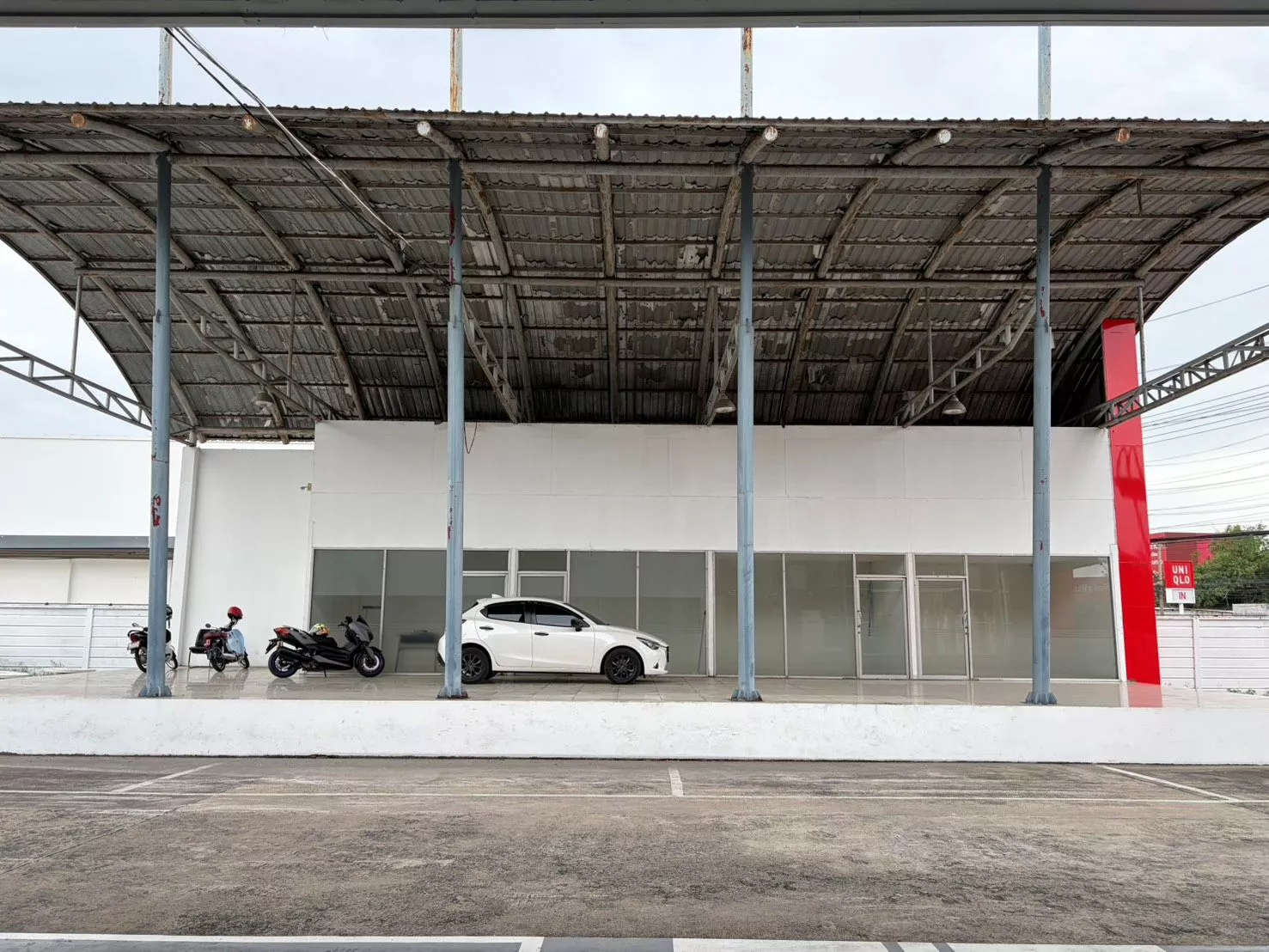
Plus Property Advises Building Owners to Monitor Signs of Deterioration and Implement Preventive Maintenance Strategies
Old buildings or row houses that have experienced subsidence recently reflect a significant challenge facing the Thai real estate market today: the maintenance of aging structures. Many buildings constructed 30-40 years ago, or even longer, continue to be used in various forms such as commercial buildings, residential properties, and business facilities. However, the structure, engineering systems, and materials within these buildings inevitably deteriorate over time. Without proper inspection and maintenance, minor damages can accumulate, leading to future safety risks.
Mr. Pakin Ekkathikom, Director of Building Resource Management at Plus Property Co., Ltd., revealed that following incidents of building and awning collapses, the issue of safety in older buildings has garnered renewed attention, especially in areas with numerous decades-old commercial and row buildings, all of which should be inspected and monitored.
“Large buildings such as office towers, shopping centers, or condominiums typically have management teams and experts overseeing various systems, along with scheduled inspections and maintenance plans, including annual building inspections as mandated by law. However, for commercial buildings, row houses, or private residences, the owners often take on the responsibility of maintenance themselves, which can lead to preventive inspections being overlooked,” he noted.
Key factors that building owners should prioritize include two main issues: deterioration of materials due to age and changes in building usage from its original design purpose.
Deterioration of materials over time, particularly external components of buildings that face prolonged exposure to sun, rain, and humidity, can lead to cracked concrete, corroded steel reinforcement, or a reduced load-bearing capacity of certain elements compared to their initial state.
Simultaneously, modifications to buildings or changes in usage from the original purpose, such as converting residential buildings into warehouses or factories, installing large machinery, or increasing load beyond design specifications, can impact structural safety if not assessed and evaluated by qualified engineers before proceeding.
Building owners can begin by conducting basic checks for abnormalities through visual inspections, which serve as preliminary assessments. If any irregularities are found, it is essential to have engineering experts conduct a thorough inspection.
Three critical warning signs that should not be overlooked include:
- Cracks in the structure: If there are continuously enlarging cracks in columns, beams, floors, or walls, or if concrete is breaking away to expose steel reinforcement, a detailed inspection by an engineer is necessary.
- Unusual subsidence or tilting: While buildings naturally settle, rapid subsidence or tilting to one side should prompt immediate evaluation by experts.
- Abnormalities in internal systems: For instance, areas that have never leaked suddenly showing signs of water intrusion, misaligned pipes or equipment, or ongoing damage without known causes may indicate structural issues.
In many cases, buildings often show warning signs before severe damage occurs, but these signs may be overlooked as they do not immediately impact daily use. To illustrate, buildings are akin to the human body; when the body signals abnormalities, we should seek medical attention to identify causes and prevent issues from escalating. Similarly, buildings should be inspected when irregularities begin to appear.
“Preventive inspections and maintenance are a worthwhile investment as they extend the lifespan of buildings, reduce costs from major repairs in the future, and most importantly, minimize risks to the lives and property of building users and those in the surrounding area,” he concluded.
Building owners should regularly observe changes in their buildings, especially those over 10 years old or that have undergone modifications in usage. If any abnormalities or potential causes of further deterioration are detected, they should not wait for issues to escalate into severe damage before taking corrective action.
“Safe buildings are not just the result of repairs after problems arise, but stem from continuous inspections and maintenance. In many cases, prevention is less costly than remediation after an incident, and most importantly, the safety of people's lives cannot be quantified in monetary terms,” Mr. Pakin concluded.