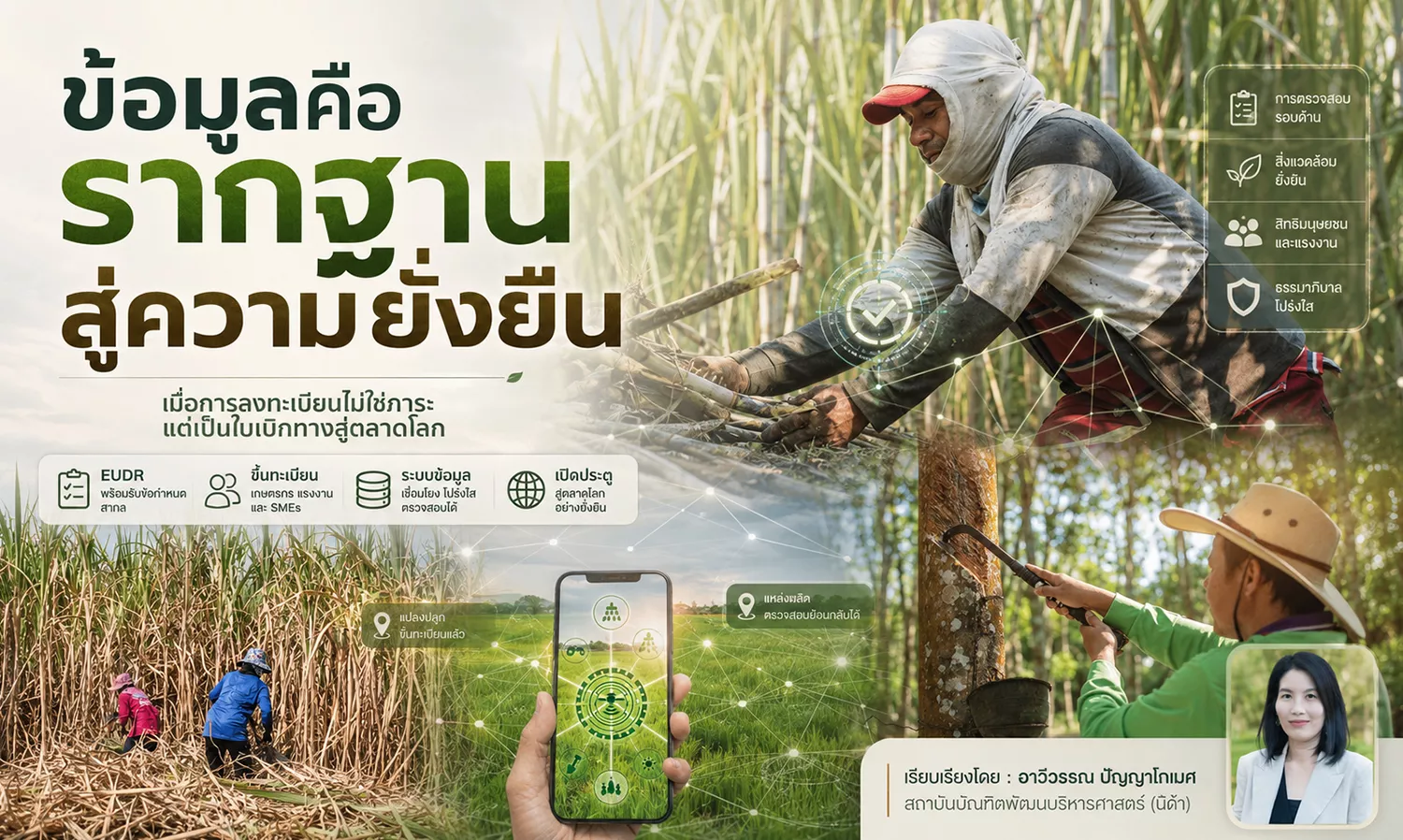
Data as the Foundation for Sustainability: When Registration is Not a Burden but a Gateway to the Global Market
Compiled by: Awiwan Panyakomes, National Institute of Development Administration (NIDA)
Global market sustainability regulations, particularly the European Union's Deforestation Regulation (EUDR) and the concept of comprehensive due diligence, are significantly transforming global trade. Businesses must demonstrate that their products are not linked to deforestation, human rights violations, or environmental risks in the supply chain. In this context, "data" has become a strategic asset in global trade, while "registration" is no longer just a bureaucratic step but a critical infrastructure that fosters transparency, credibility, and competitiveness for countries.

Farmer Registration: The Starting Point for Traceability
Thailand has a continuously developed farmer database through the Central Farmer Registration System and the Farmbook application, which collects data on farmers, households, cultivation plots, crop types, cultivation areas, and plot coordinates. Currently, over 7.9 million households are registered (Office of Agricultural Economics, 2025).
In the rubber sector, the Rubber Authority of Thailand (RAOT) has developed a registration system for rubber farmers (RAOT Registration System), which is a product-specific database that collects information on farmers, rubber plantations, plot coordinates, age and species of rubber trees, as well as rubber yield data. Currently, more than 1.6–1.7 million farmers are registered, covering most rubber cultivation areas in the country (RAOT and EFI, 2025).
Meanwhile, the forestry and economic wood sector utilizes the e-Tree system, which links data on landowners, trees, and logging permits to track the wood supply chain from source to destination. Currently, over 3,150 users are registered in the system (Forest Economic Office, 2025).
These databases play a crucial role in traceability and compliance with EUDR requirements, particularly in providing geolocation data of production plots to prove that products do not originate from deforested areas after December 31, 2020.
Challenges: Incomplete and Unlinked Data
Despite having numerous databases, Thailand faces two significant challenges: data incompleteness and a lack of inter-agency connectivity.

Currently, Farmbook and the RAOT rubber farmer registration system collect data on farmers and cultivation plots from the start of production, while e-Tree comes into play at the end of the supply chain when economic wood is harvested and moved. This results in a significant amount of data related to the same individuals or areas being stored across multiple systems.
For example, a rubber farmer may be registered in both the central farmer registration system and the RAOT system from the beginning of rubber cultivation to access benefits and support programs. Later, when the rubber plantation reaches the end of its tapping period and trees are cut for sale as rubber wood, the landowner or rights holder must register in the e-Tree system to obtain permission for logging and transportation, leading to basic data such as plot coordinates, land information, and rights holder data being recorded multiple times across different systems under various agencies.
Moreover, most registration systems are voluntary, resulting in incomplete coverage of all supply chain participants. Some farmers register in only certain systems, while others do not register at all, leading to gaps in coverage, accuracy, and currency of the databases.
Thus, the key challenge is not to create new databases but to develop a mechanism for "single registration, multiple data use" by using a common reference data set, such as national ID numbers, plot coordinates, and land ownership information, to reduce redundancy, enhance data quality, and improve the efficiency of traceability systems throughout the supply chain.
Labor Registration: A Missing Dimension
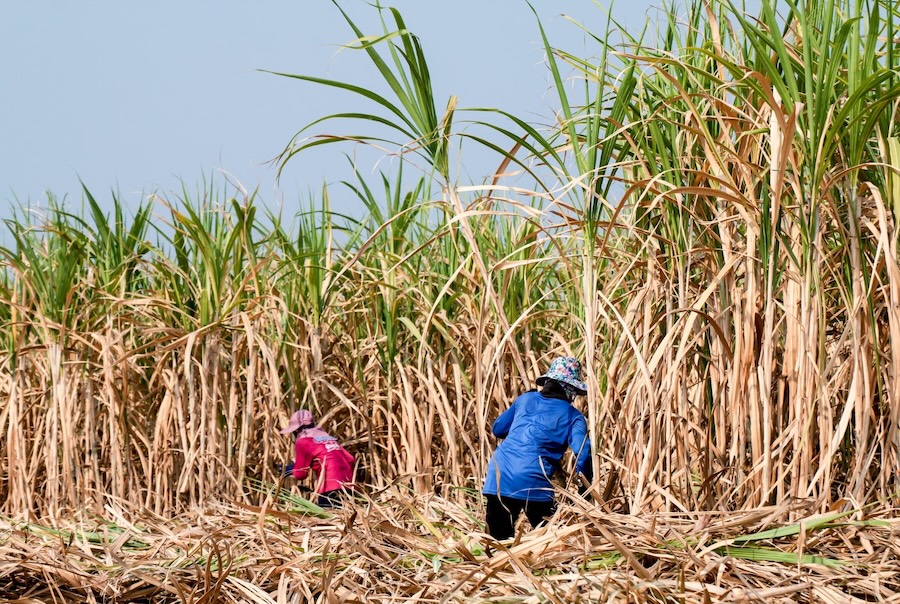
In addition to farmer data, comprehensive due diligence increasingly emphasizes human rights and labor issues, particularly for agricultural and forestry workers.
However, Thailand currently lacks a labor registration system for the agricultural sector that is linked to production plots at the national level, making labor traceability and human rights due diligence significant challenges. Developing a labor database will enable the government to promote upskilling, reskilling, labor standards development, safety training, and targeted access to social security systems, resulting in improved income and quality of life for workers while building confidence among international buyers.
SME Registration: A Gateway to the New Global Trade
Another directly affected group is small and medium-sized enterprises (SMEs), which are a crucial part of the supply chain linked to exporters and large manufacturers. Data from the Office of Small and Medium Enterprises Promotion (OSMEP) indicates that in 2025, there were 13,321 SMEs operating in sectors related to EUDR and due diligence. However, similar to the farmer registration system, most SME registrations are still voluntary.
This results in a number of operators not entering the government database, especially small operators and family businesses that may not see the necessity of registration or view it as a bureaucratic burden, leading to the national SME database not fully reflecting the overall picture of operators involved in the entire supply chain. In the future, promoting greater SME registration will be crucial not only for data collection but also to help operators access government benefits, funding support, business capability development, due diligence training, and better prepare for compliance with global market requirements.
From Registration to Competitiveness
In the past, registration may have been seen as a burden, but in the era of the green economy and sustainable trade, registration is becoming a "gateway" to the global market. Those with complete, transparent, and verifiable data will gain more trust from buyers, investors, and international partners. Importantly, registration is not just a regulatory tool but also the foundation for human and business development. The government can use data to design support measures, access funding sources, develop technology, enhance labor skills, and improve productivity in agriculture and SMEs more effectively. It is time for farmer registration, labor registration, and SME registration to be seen not as options but as investments for the future, as accurate, interconnected, and verifiable data is a crucial foundation for due diligence and a key to helping Thailand maintain its competitiveness while confidently advancing towards sustainable development in the global trade arena.