Transforming Traffic Lights into Smart Systems: Bangkok Accelerates Installation of Adaptive Technology at Major Intersections to Alleviate Traffic Congestion and Create a 'Better Travel City' for Everyone
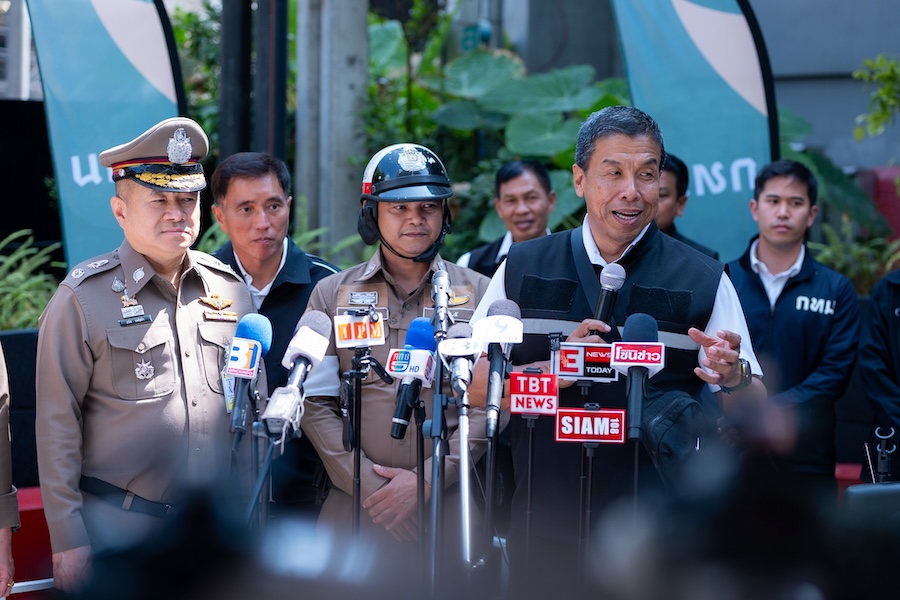
Mr. Chatchart Sitthiphan, the Governor of Bangkok, led the media on a field visit to monitor the improvement of traffic signal systems at Phra Khanong Intersection, emphasizing the key approach of Bangkok in "using technology to solve urban problems," particularly the long-standing traffic issues. This is being achieved by systematically transitioning from Fixed Time signal control systems to Adaptive Control throughout the city. Accompanying him were Mr. Wisanu Tapsompak, Deputy Governor of Bangkok, executives from the Traffic and Transport Department, the director of Khlong Toei District, representatives from the Traffic Police Division, and Khlong Tan Police Station, who provided information and showcased the system's operations.
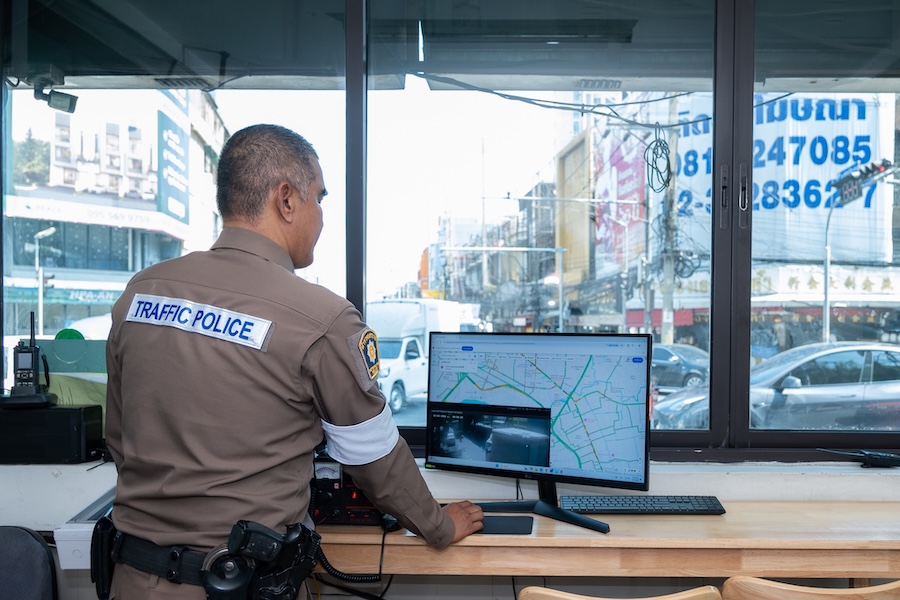
Currently, Bangkok manages 746 intersections, with over 80% still using Fixed Time systems, which set green and red light durations based on predetermined cycles that do not adapt to changing traffic volumes. Therefore, Bangkok is rapidly upgrading to an Adaptive system that utilizes CCTV cameras and image processing technology to detect real-time vehicle volumes before sending data to a control cabinet that has developed a new algorithm to "think and adjust the lights automatically" according to actual conditions.
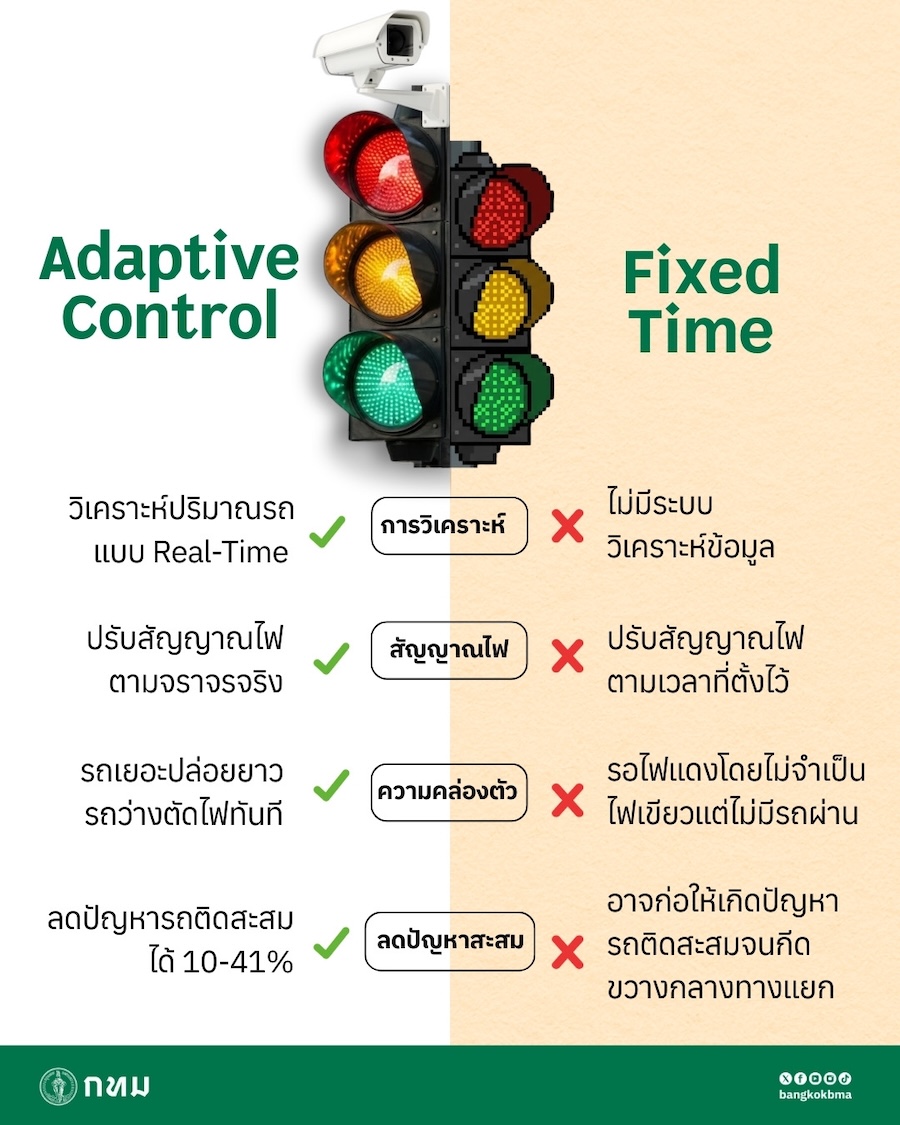
To clearly illustrate the differences, Bangkok has summarized a comparison between the "old system" and the "new system" as follows:
1. Operating Principles
• Fixed Time System: Sets fixed green and red light durations based on a predetermined cycle, not changing according to traffic conditions.
• Adaptive System: Automatically adjusts green and red light durations based on real-time vehicle volumes in each direction.
2. Traffic Condition Compatibility
• Fixed Time System: Does not respond to rush hours, emergencies, or sudden changes in vehicle volume.
• Adaptive System: Analyzes density and queue length approximately 150 meters before the intersection to allocate the most appropriate light timing.
3. Common Issues
• Fixed Time System: Experiences Lost Green Time (green light with no vehicles) and Grid Lock (vehicles stuck in the intersection), causing overall traffic disruptions.
• Adaptive System: Features Grid Lock Protection, which immediately cuts the green light if it detects that vehicles cannot pass through, preventing obstruction in the intersection.
4. Measurable Performance
• Fixed Time System: High accumulated delays, especially at critical junctions.
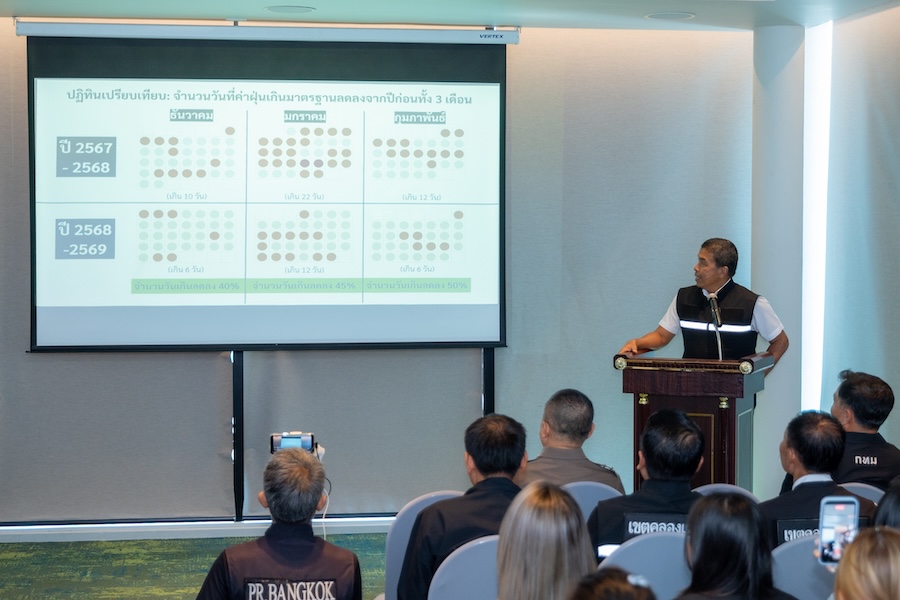
• Adaptive System: From pilot results at 74 intersections during 2024-2025, average delays can be reduced by 10-41%, with some locations, such as Din Daeng Triangle, achieving a maximum reduction of 41%. Meanwhile, at Phra Khanong Intersection (on Rama IV Road), waiting time decreased from 12 minutes to just 5-6 minutes.
5. Impact on Citizens
• Fixed Time System: Citizens waste unnecessary time, consume energy, and increase pollution from idling vehicles.
• Adaptive System: Helps save travel time, reduces fuel consumption, lowers emissions, and enhances the overall network's fluidity.
For the year 2026, Bangkok plans to install Adaptive systems at an additional 50 intersections, with a continuous plan for another 20 intersections in the future, focusing on critical junctions that connect to form a network. This aims to ensure that traffic signal management is coordinated across the system, rather than addressing isolated points. This transition is not just about adjusting traffic signal timings; it involves equipping intersections throughout Bangkok with "smart brains" so that traffic lights can think, analyze, and make decisions based on actual traffic conditions, while continuously improving the system for greater efficiency.
This is a tangible application of technology to drive urban development, sustainably reducing traffic congestion, reclaiming valuable time for citizens, and enhancing the quality of life for Bangkok residents, making travel more convenient, fluid, and safer, in line with the true goals of the "Better Travel" policy.