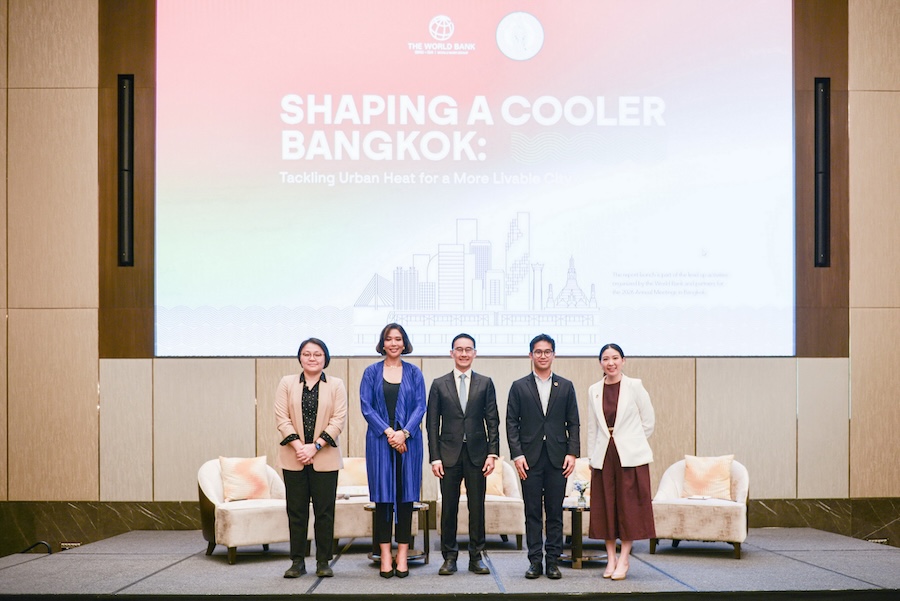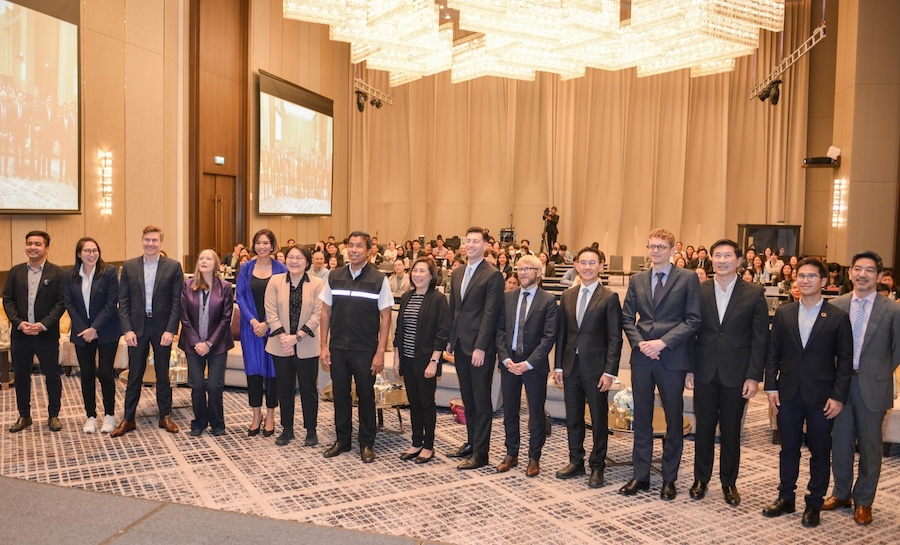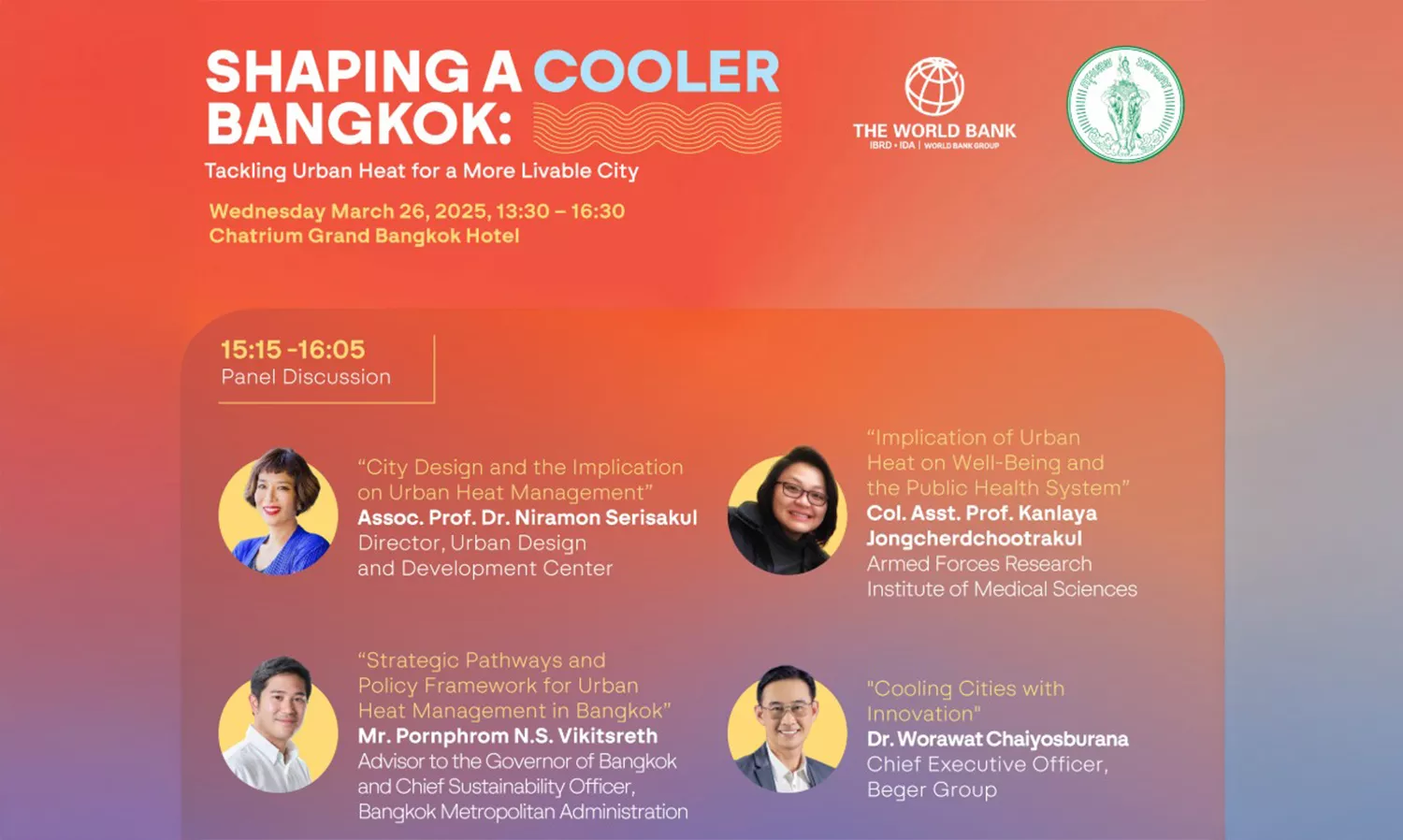
Dr. Worawat Chaiyosburanus joins as Guest Speaker at Shaping a Cooler Bangkok, an important forum for a cooler city future
Dr. Worawat Chaiyosburanus, CEO of Bayer Co., Ltd. was honored to be a guest speaker at Shaping a Cooler Bangkok, an important platform for finding ways to reduce heat in the city for a cooler and sustainable future for Bangkok.
The grand opening ceremony featured global leaders.
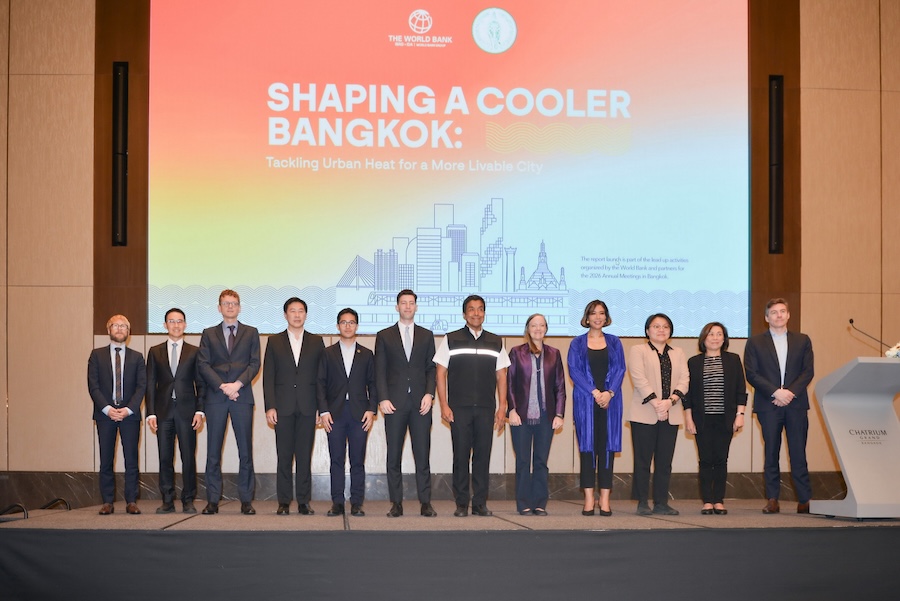
This event was organized by the Bangkok Metropolitan Administration and the World Bank at the Chatrium Grand Bangkok hotel, with distinguished guests including:
- Ms. Melinda Good, World Bank Director for Thailand and the Republic of the Union of Myanmar, welcomed attendees.
- Mr. Chadchart Sittipunt, Governor of Bangkok, officially opened the event.
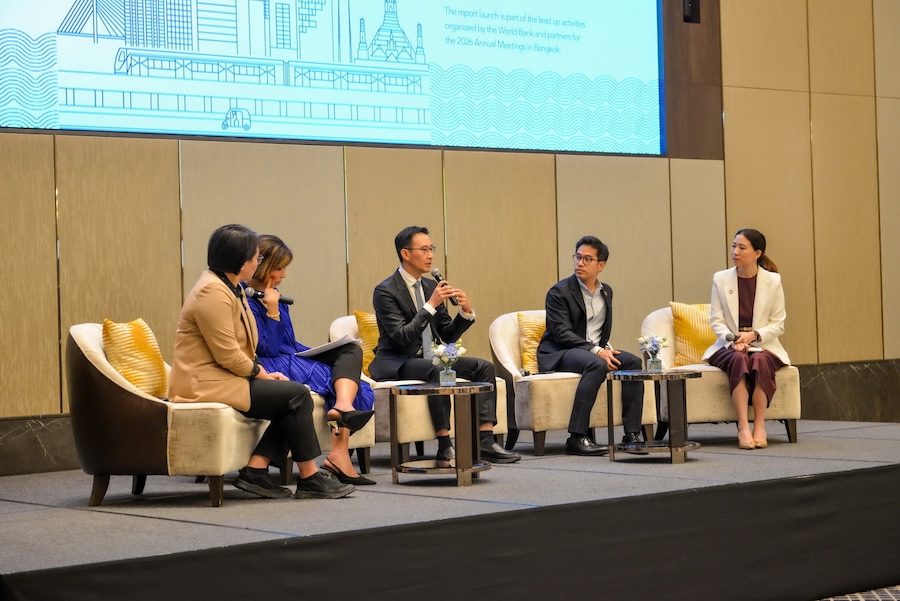
During the event, Dr. Worawat presented on the topic “Cooling Cities with Innovation”, sharing ideas and innovations that help lower city temperatures through environmentally friendly solutions, such as the development of heat-reflective technology, which is a key factor in mitigating the impacts of global warming and supporting sustainable urban development.
Shaping a Cooler Bangkok: A significant step towards a cooler city
The Shaping a Cooler Bangkok event brought together experts from the public sector, private sector, and international organizations to discuss solutions to urban heat issues, focusing on developing environmentally friendly infrastructure, city designs that reduce temperatures, and using technology to sustainably cool Bangkok.
The World Bank and the Bangkok Metropolitan Administration also released the report Shaping a Cooler Bangkok, which outlines the impacts of rising temperatures and the Urban Heat Island (UHI) phenomenon affecting health, economy, and urban infrastructure. The data indicates:
- From 1960 to 2000, the average temperature in Bangkok was 28-30°C, with approximately 60-100 days per year exceeding 35°C.
- By the end of this century, temperatures may rise by 2.5-4.5°C, with 153 days per year potentially exceeding 35°C.
- Increased heat poses health risks, especially for vulnerable groups such as the elderly, children, and low-income populations. In 2019, heat-related deaths in urban areas ranged from 421-1,174 per year, and if temperatures rise by 1°C, this number could increase to 2,333 per year, or 3,814 per year with a 2°C increase.
The Urban Heat Island (UHI) phenomenon prompted Bayer's Research & Development team to develop the BegerCool product, an innovative heat-reflective coating that helps reduce building surface temperatures, lowers air conditioning energy use, and promotes a more comfortable living environment. This innovation is one of the key solutions addressing the challenges of hot cities like Bangkok and supports the concept of smart and sustainable cities in the future.
Green Finance: A crucial step towards a sustainable economy
Another important topic of interest at this event was the trend of financial institutions increasingly supporting Green Finance, particularly in the construction industry, marking a significant step for businesses in driving a sustainable economy.
Bayer is one of the brands ready to support this approach with products and innovations that meet environmental construction needs, along with a clear goal of moving towards Net Zero. Dr. Worawat's participation reflects Bayer's commitment to developing innovations that create positive impacts on the environment and society, paving the way for a cooler and sustainable future for everyone.