LWSS Identifies 5 Key Points to Know When Selling Condominiums to Foreigners
“LWSS” states that the rights of ownership, source of investment funds, taxes and transfer fees, property ownership certificates, and laws governing foreign business operations are the 5 key points that real estate operators must prioritize when selling condominiums to foreigners.
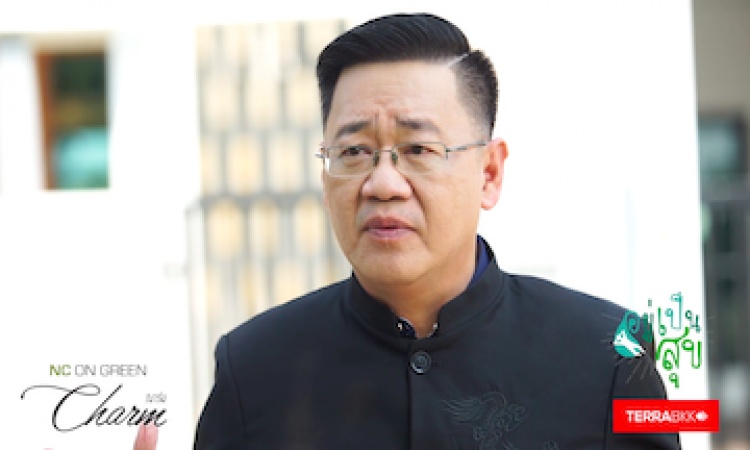
Mr. Prabhan Sak Raksaiwan, Managing Director of LWSS Wisdom and Solutions Co., Ltd., a real estate research and development company under LP-N Development Public Company Limited, stated, “The government’s policy to stimulate the real estate sector, particularly the aspect of allowing foreigners to hold ownership of residential condominiums increased from 49% to 75% of the total area of the condominium building, will include other conditions related to the management of the condominium juristic person, such as limiting the voting rights of foreigners and foreign juristic persons who acquire ownership after exceeding the 49% ratio, to avoid impacting Thai owners. This is part of increasing the purchasing power for housing within the country, especially as domestic purchasing power has slowed down due to the sluggish economic growth. Foreign purchasing power is a crucial factor in stimulating the real estate sector in Thailand during this period of domestic purchasing power decline,” Mr. Prabhan said.
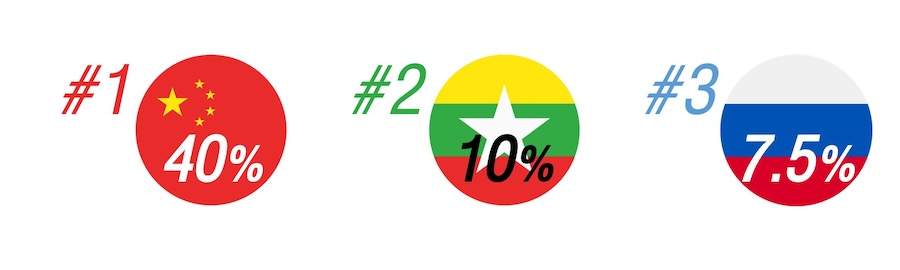
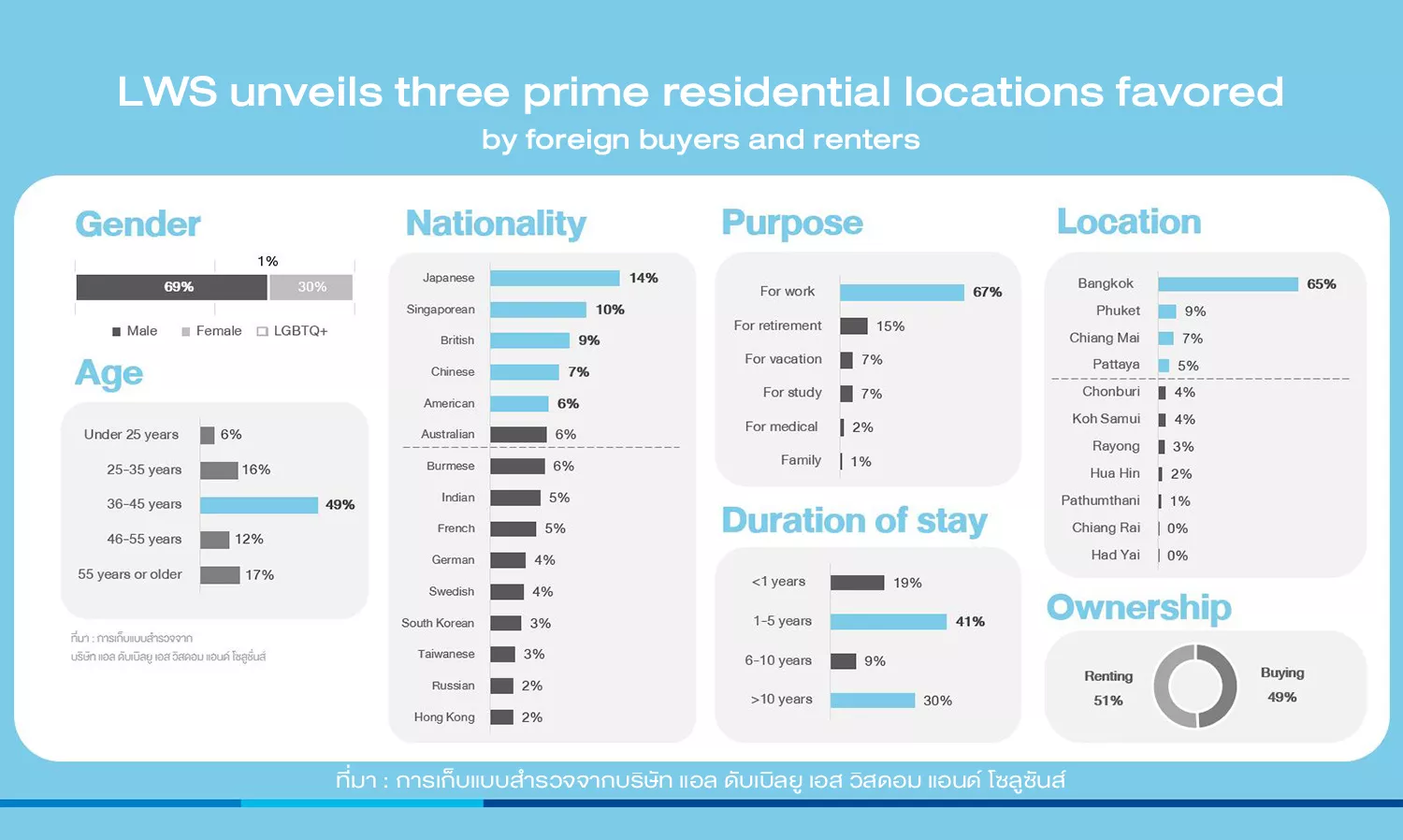
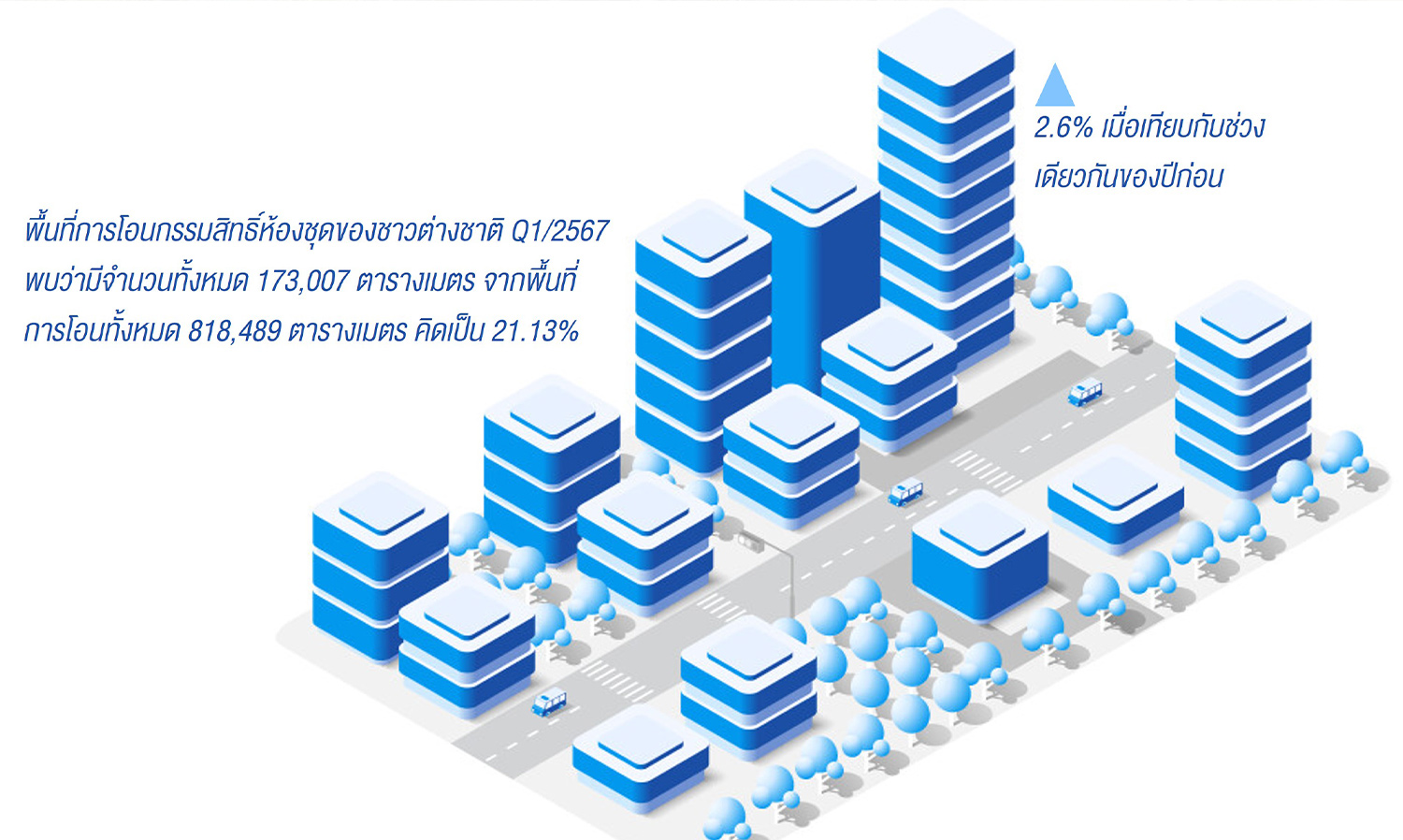
According to data from the Real Estate Information Center (REIC) of the Government Housing Bank, the area for the transfer of condominium ownership by foreigners in the first quarter of 2024 totaled 173,007 square meters out of a total transfer area of 818,489 square meters, accounting for 21.13%. This represents a 2.6% increase compared to the same period last year. If compared to two years ago (2022), the area for the transfer of condominium ownership by foreigners in 2024 is expected to increase by 78.30%. The nationality with the highest ownership of condominiums is Chinese, accounting for 40.5%, followed by Myanmar at 10.0%, Russia at 7.5%. The most popular locations for Chinese investment are Pattaya-Chonburi at 46%, followed by Chiang Mai at 32% and Phuket at 29.4%. In Bangkok, it accounts for 14.4%. This data reflects the interest of foreigners in owning condominiums in major cities and tourist destinations. However, the current proportion of foreign condominium ownership nationwide is still only 21.13%, indicating a gap and opportunity for expanding foreign investment in real estate to stimulate domestic growth in the sector to compensate for the declining domestic purchasing power.

Although the policy to stimulate the real estate sector to increase foreign purchasing power has not yet been enforced, the current proportion of foreign ownership of condominiums is still below the 49% limit set by law. This presents an opportunity for real estate operators to stimulate foreign purchasing power while considering current legal requirements to communicate and educate foreigners about the benefits of owning condominiums in Thailand. The 5 key points to focus on are:

1. Ownership Restrictions
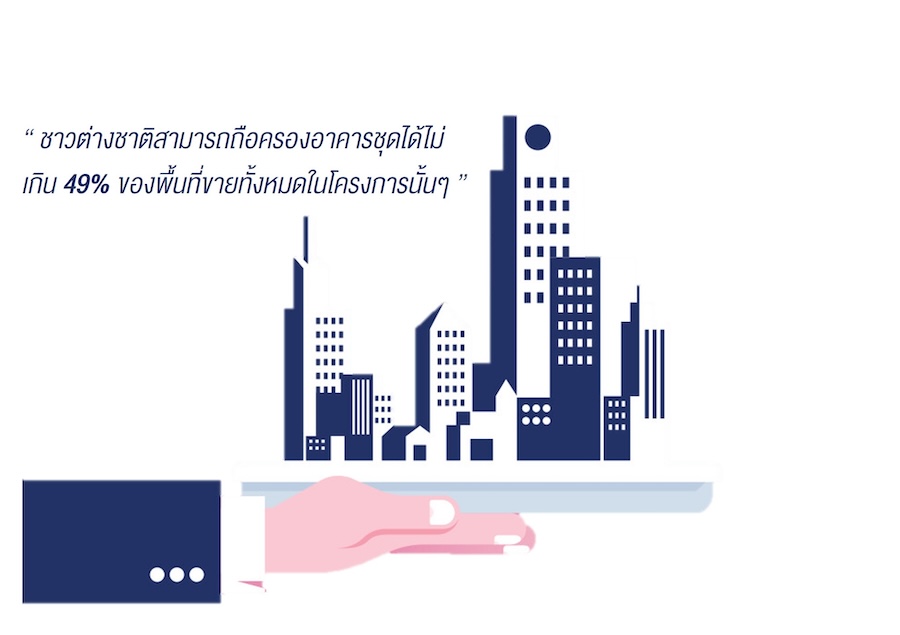
To maintain the proportion of real estate ownership within the country in the hands of Thai citizens and to control foreign investment in real estate in Thailand, according to the Condominium Act (No. 4) B.E. 2551, Section 19, foreigners can own no more than 49% of the total saleable area in a given project. The remaining portion must be owned by Thais. If the foreign ownership ratio in a project reaches 49%, foreigners cannot register ownership in that project anymore. The proportion of foreign ownership can be verified through the condominium juristic person of the project, by inquiring at the land office responsible for the project area, or if the project is still under development or has just opened for sale, by contacting the project developer or using the services of a lawyer or real estate consultant.

2. Source of Funds
Foreigners must use funds brought in from abroad to purchase condominiums, and these funds must be converted into Thai Baht through commercial banks in Thailand. The bank will issue a Foreign Exchange Transaction Form, which is an important document for the transfer of ownership.

3. Taxes and Transfer Fees
The transfer of ownership must be conducted at the land office, which requires complete documentation, including the foreigner’s passport, the Foreign Exchange Transaction Form, the sales contract, and other relevant documents. Fees and taxes must be paid, and both the buyer and seller must sign the documents together. The land office will issue a certificate of ownership transfer to the buyer. The transfer fee is generally 2% of the appraised value or the sale price (whichever is higher). Specific business taxes are 3.3% of the sale price or appraised value (if the property is held for less than 5 years). Withholding income tax is calculated based on the progressive personal income tax rate.
4. Requesting a Certificate of Ownership
Foreigners need to request a certificate of ownership from the land office to confirm that the transaction complies with the law, including the proper transfer of funds into the country with a bank’s certification.
5. Other Relevant Laws and Regulations, such as the Foreign Business Operations Act B.E. 2542
In addition to the Condominium Act B.E. 2522, which sets restrictions on condominium ownership by foreigners, the Foreign Business Operations Act B.E. 2542 also applies. Although condominiums are not directly controlled as a business under this law, in some cases where foreigners engage in real estate business in Thailand, this law sets conditions and restrictions to prevent foreigners from unfairly acquiring property in the country. Local regulations in some areas may impose additional restrictions beyond the main law, such as limiting condominium ownership in certain zones or stipulations regarding land and condominium development and usage.
“Currently, housing prices in Thailand have risen significantly beyond the purchasing power of domestic buyers. Allowing foreigners to purchase housing in Thailand is therefore essential to increase purchasing power and stimulate the real estate sector in Thailand. At the same time, we need to have clarity in legal matters and create understanding with foreign investors, especially regarding new regulations that will emerge under the government’s economic stimulus policy, which will allow foreigners to own more property in Thailand. Clear regulations are necessary to reduce potential conflicts that may arise in the future,” Mr. Prabhan concluded.