LWS Recommends 4 Strategies for Real Estate Development to Combat 'Global Warming', Reduce Greenhouse Gas Emissions, Be Environmentally Friendly, and Promote Wellbeing to Meet Current Buyer Demands
LWS Recommends 4 Strategies for Real Estate Development to Combat 'Global Warming', Reduce Greenhouse Gas Emissions, Be Environmentally Friendly, and Promote Wellbeing to Meet Current Buyer Demands
Mr. Prabhan Sak Raksaiwan, Managing Director of LWS Wisdom and Solutions Co., Ltd., a research and development company in the real estate sector under the LP.N Development Public Company Limited, suggests four methods for developing environmentally friendly real estate that reduces greenhouse gas emissions, minimizes construction waste, and promotes wellbeing in living environments to meet the current demands of buyers. This is also part of the government's policy to drive Thailand towards carbon neutrality by 2050 and achieve net-zero greenhouse gas emissions by 2065.

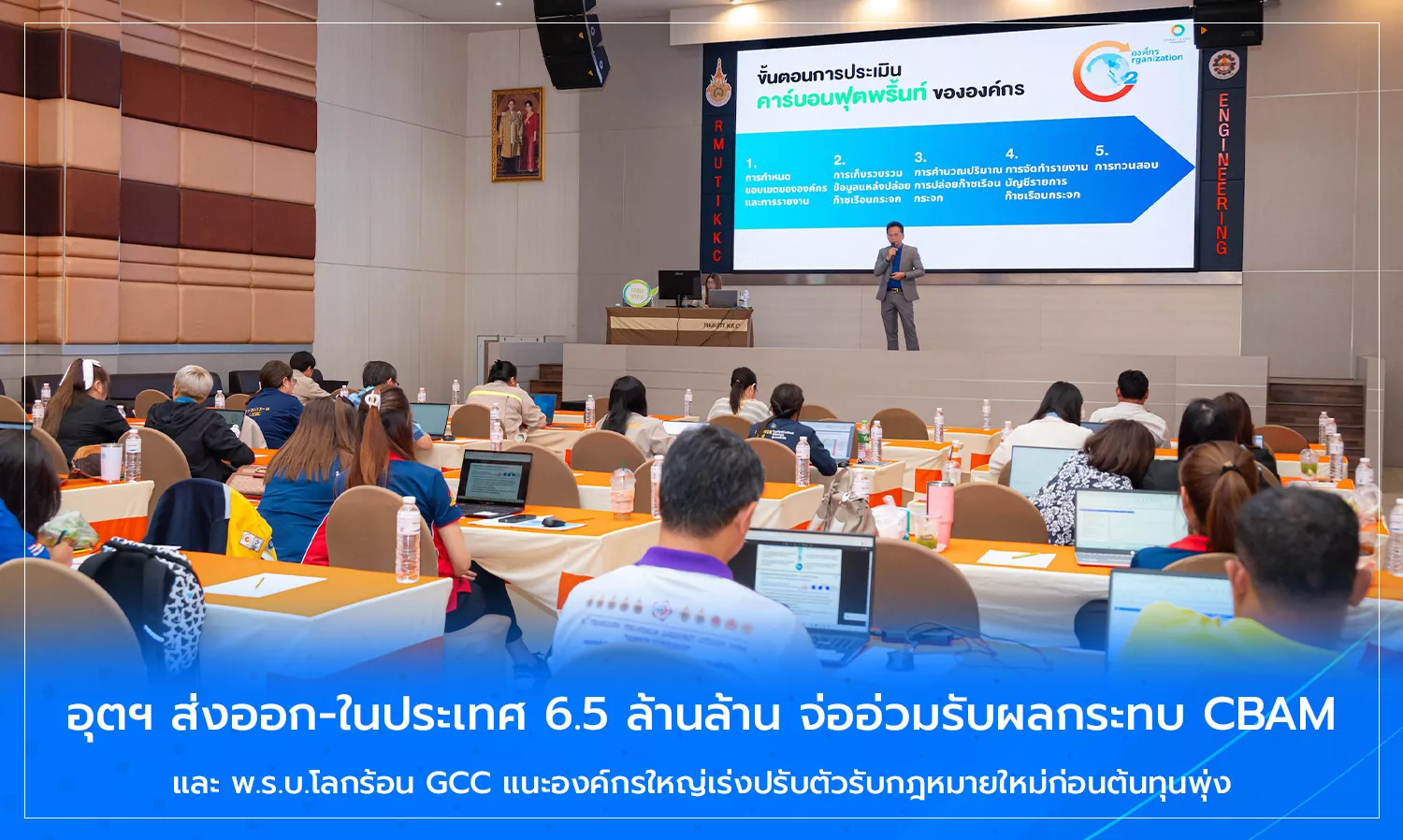
“Within the framework of driving the country towards carbon neutrality and net-zero carbon, Thailand has drafted a climate change bill that is currently in the public consultation phase. The essence of the law focuses on reducing greenhouse gas emissions from the business sector, including a greenhouse gas emission tax to encourage businesses to prioritize reducing their emissions. Higher taxes will be imposed on organizations with significant emissions, which will decrease as they manage to lower their emissions. This also extends to the supply chain of businesses and is expected to take effect as early as 2025 or as late as 2026. Therefore, managing organizations to reduce greenhouse gas emissions before the law takes effect will be part of cost management and can reduce expenses in the long term,” Mr. Prabhan stated.
The four strategies for real estate development to reduce greenhouse gas emissions include:
1. Adapting construction and design processes by utilizing a design approach known as Passive Design, which considers the environment, sunlight direction, and wind. This allows for the strategic placement of openings in buildings to let in natural light and air, thereby reducing energy consumption within the building and facilitating good ventilation to minimize heat accumulation.
2. Using environmentally friendly materials that reflect light or reduce heat. Environmentally friendly products may come from processes that produce little to no greenhouse gases compared to conventional products or involve using surface materials or paints that reflect light or heat to reduce heat accumulation on building surfaces.
3. Planting trees. While planting trees may seem like a basic method, if designed or positioned appropriately, it can not only help replace trees but also act as a natural light filter to prevent direct sunlight from hitting the building, creating shade around the building and reducing heat accumulation on surfaces. For instance, concrete pathways can show a temperature difference of up to 5 degrees between shaded and unshaded areas.
4. Using solar panels. Although this requires additional investment, increasing construction costs, it ultimately reduces long-term expenses for residents and is environmentally friendly.
According to these strategies, Mr. Prabhan stated that they would significantly help real estate operators reduce greenhouse gas emissions, allowing them to lower their expenses, particularly taxes related to greenhouse gas emissions outlined in the climate change bill currently under public consultation. “According to the draft climate change law, costs will be calculated based on the volume of greenhouse gas emissions from businesses. If real estate operators improve their construction processes and choose environmentally friendly materials, they can reduce greenhouse gas emissions from their operations, thereby lowering their tax burden. For example, if the construction of a single house typically emits 5-7 tCO2eq, by improving the construction process, they could reduce emissions by 1-2 tCO2eq annually, which means they could lower their carbon tax from 5-7 tCO2eq to 3-4 tCO2eq per year,” he explained.
Even though the climate change law is still under consideration and not yet in effect, once it is enacted, it will impact all business sectors, especially real estate, which has high greenhouse gas emissions compared to other industries. Adapting before the law takes effect is not just an option but a necessity to reduce long-term expenses, particularly those related to greenhouse gas emission taxes that will come into effect. At the same time, it will transform the real estate business into one that is environmentally friendly,” Mr. Prabhan concluded.