Sustainability and Well-being – Inspiration for Leading Designs at Milan Design Week
When it comes to fashion and design, the city most renowned for this is undoubtedly Milan, the host of the world's largest annual design event, Milan Design Week, which captivates attention from around the globe. It brings together minds to brainstorm and update new trends, welcoming everyone with beautiful streets and architecture that truly exemplify its status as a design city.
This year, over 400,000 participants attended Milan Design Week, doubling the city's vibrancy with people from all corners coming together to network and admire works from various brands, alongside millions of designers and enthusiasts on digital and social media platforms.
Milan Design Week is divided into two parts: one is the product exhibition, Salone del Mobile, specifically for business participants, and the second is Fuorisalone, which takes place around the city for the general public, featuring exhibitions, discussions, and new experiences from various brands, all carefully curated. However, despite being separate events, both have a connection that allows visitors to fully immerse themselves without boundaries.
Fuorisalone was first held in the 1980s and has increasingly gained popularity among corporate clients and brands through word-of-mouth, whether they are small or large, as this event allows them to showcase their new creative works, reflecting their brand promise and design journey.
Design Trends
This year, Milan Design Week debuted with the theme of Sustainability to align with consumer trends that are increasingly choosing brands that genuinely convey the concept of sustainability, rather than just marketing slogans.
The theme 'Materia Natura' or 'Matter Nature' of the Fuorisalone segment clearly and harmoniously reveals its identity, emphasizing sustainability as a guiding principle and fundamental virtue in the design and creative process. This has led brands and organizations to seek inspiration from nature and choose environmentally friendly materials for their exhibitions, aiming for a sustainable future.
This theme also encourages discussions about integrating sustainability and well-being into the design of homes, workplaces, and tourism. Moreover, brands can illustrate how such progressive designs, along with digital technology and modern manufacturing techniques, can create products with distinct functionalities while maintaining low carbon emissions.
Additionally, transformative experiences are created through customization, using different materials, defining usage patterns, colors, and adaptable textures, allowing consumers to modify products without limits and create diverse experiences, whether indoors or outdoors.
LIXIL AND GROHE SPA
Antoine Besseyre des Horts, an award-winning designer and leader at LIXIL Global Design in the Asia region, shared that Milan Design Week serves as a significant global platform that elevates brands by bringing together architects, designers, and interested individuals.
This event is a perfect stage that fosters interaction among people through design, themes, and showcased products. For designers like Antoine, the opportunity to share the origins and concepts behind GROHE SPA, a sub-brand of GROHE and part of LIXIL, is rare.
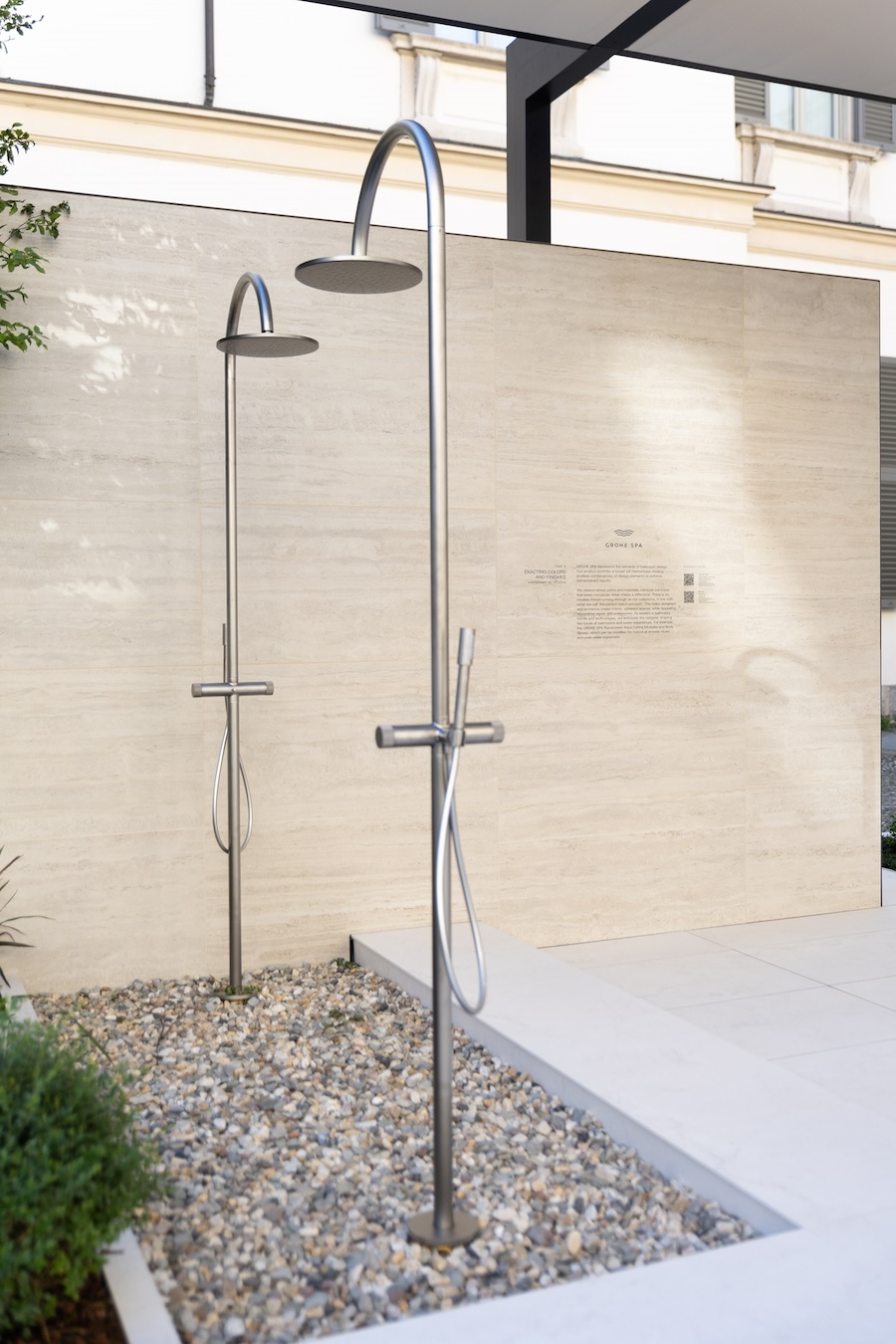
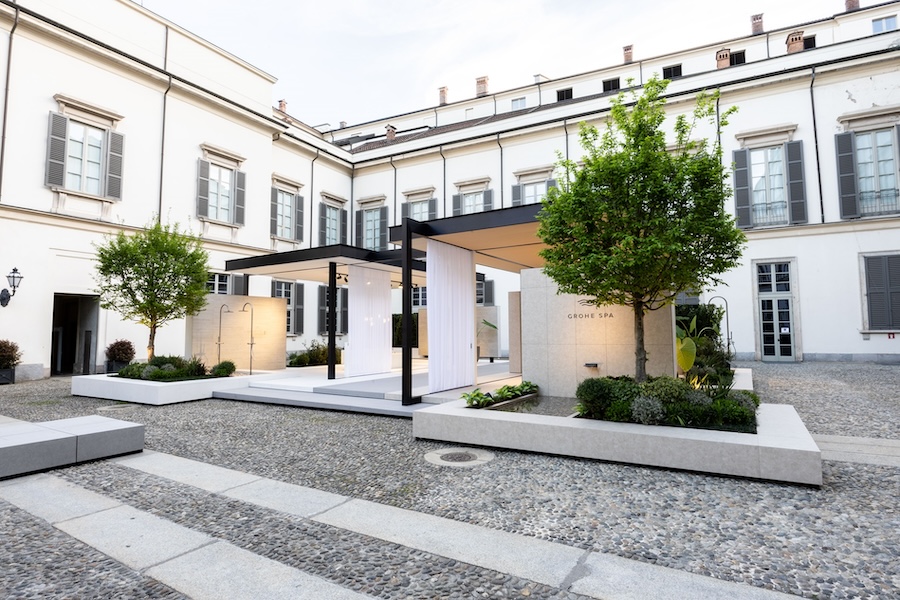
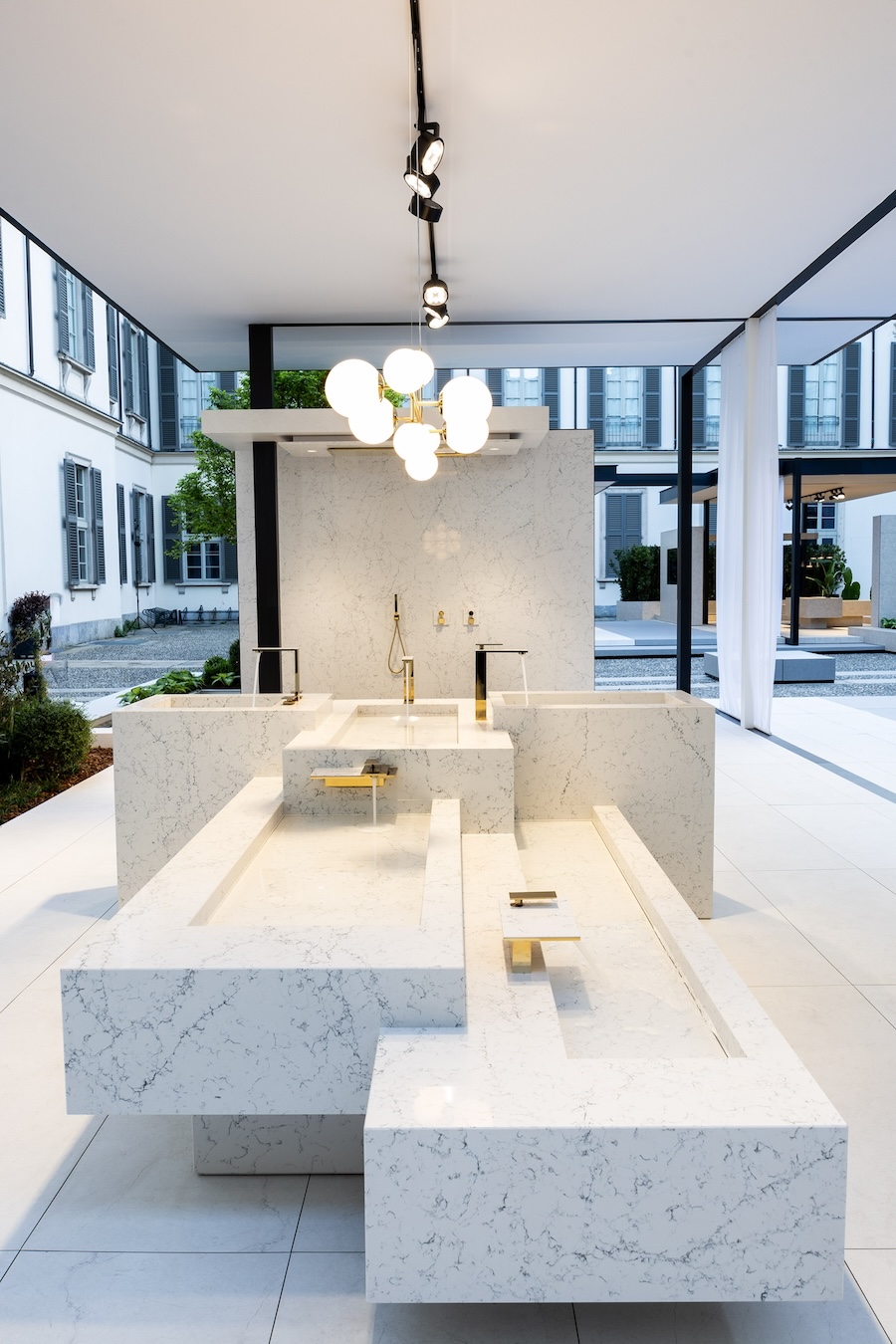
The LIXIL team drew inspiration from the front garden of Palazzo Reale, combined with the 'Materia Natura' theme of Fuorisalone, resulting in “Aquatecture” from GROHE SPA. Our vision is to highlight the prominence and importance of water in architecture, emphasizing health and well-being benefits from spa experiences. The outcome is a creation that immerses everyone in a joyful experience that seamlessly connects indoor and outdoor spaces, presenting luxury intertwined with water while ensuring privacy and open greenery.
Antoine views both the work and the exhibition space as an opportunity to elevate discussions with architects, designers, and consumers who recognize the significance of design, focusing on new ideas and concepts for personalized luxury. For “Aquatecture,” the exhibition is divided into four sections that bring GROHE SPA to life, from showcasing water functions tailored to individual needs (customization) to displaying 3D printed products, which are the most distinctive design works.
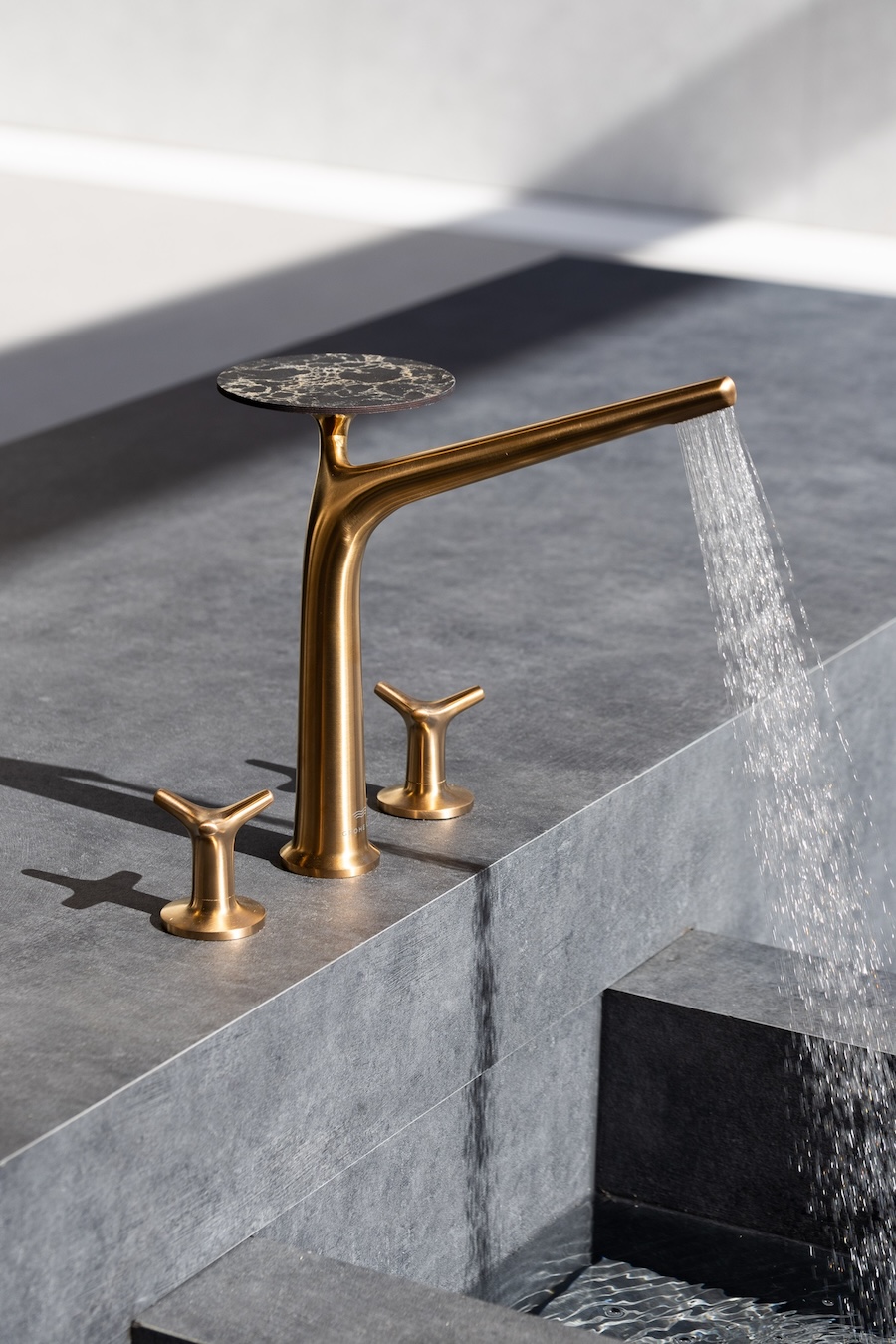
He noted that in Asia, water plays a crucial role in refreshing and cleansing the body, mind, and spirit. The adaptable water functions of the carefully curated collection offer personalized usage, with showerheads or nozzles designed to enhance the bathing experience according to individual preferences.
Engaging in discussions with many renowned designers reinforces the idea that collaboration and experimentation are key to developing regenerative architecture. Furthermore, the environments we create can act as catalysts for well-being, and advancements in AI, design tools, and various technologies in material production will pave the way for new methods of creating products that meet individual needs.
Ultimately, what Antoine finds most satisfying about the Milan event is witnessing thousands of attendees experiencing the products firsthand. They interact with the water and try out the products, which deliver enjoyment while using water. The audience's response serves as inspiration for him and the LIXIL design team worldwide, and it assures him that these attendees will undoubtedly return to Milan Design Week again.