COTTO Reinforces Its Success, Advancing the Development of Eco-Friendly Products that Reduce New Resource Use by 80% and CO2 Emissions from Transportation by 75%, Highlighting High Quality and Beautiful Design for Sustainable Living
In an era where we frequently hear about “Sustainability,” it may seem distant, yet it is closer than we think. We can observe this through melting glaciers, rising sea levels, erratic weather patterns, and ever-changing ecosystems. This has led many individuals and organizations to prioritize and focus on reducing wasteful resource consumption, opting for renewable resources or environmentally friendly materials to contribute to a better world.
COTTO, under SCG Decor, a leading global brand in tiles and sanitary ware, is another organization pushing the Circular Economy model from the production process (Green Process) to the development of eco-friendly products (Green Product). All products emphasize the use of recycled materials up to 80% and aim to reduce CO2 emissions from transportation by 75%, minimizing their impact on the planet while effectively meeting consumer needs in terms of product quality and longevity, alongside beautiful design. This represents a significant elevation in sustainable living standards.
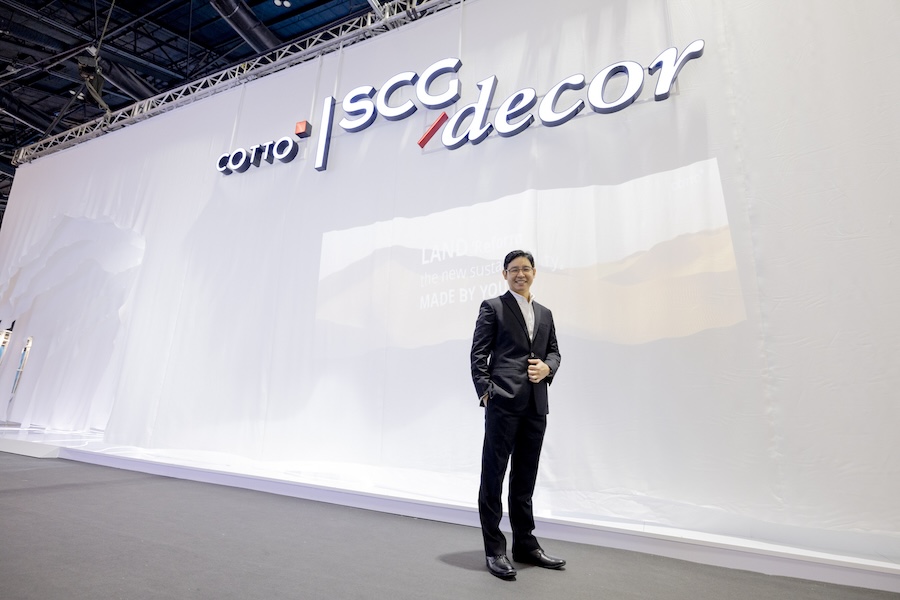
Mr. Prabp Pungrasamee, Marketing Manager of SCG Ceramics Public Company Limited stated, “COTTO recognizes the issue of global warming and is committed to continuously creating eco-friendly products to achieve the goal of NET ZERO Carbon Emission by 2050, as outlined in our policy. We emphasize sustainability (Sustainability) from the conceptualization, production, to disposal, while ensuring beautiful design that meets decoration needs and functional quality standards to enhance people's living conditions. Currently, our customer segments include young individuals building homes and seeking new decorative materials, who tend to be very individualistic, as well as large families that are meticulous and diverse, and the Architecture & Designer segment that focuses on functionality and properties that meet their needs.”
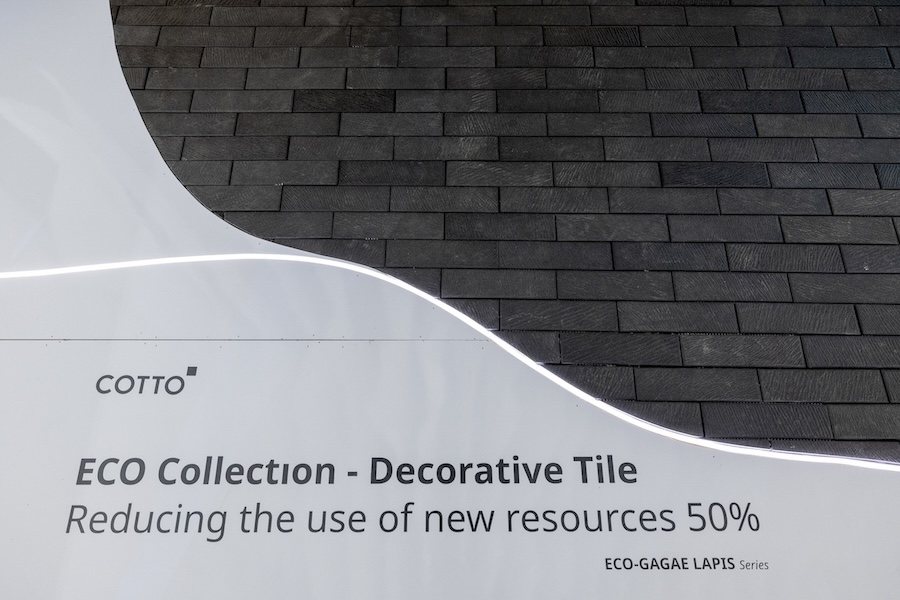
“Thus, COTTO has been actively participating in various booths and campaigns to communicate with all target segments, such as the Built to Last campaign launched last year, which communicated through the Eco Collection tiles that help reduce the use of new natural resources by 80% by incorporating waste into the production process. This includes innovating various production processes by increasing the use of alternative energy, utilizing low-carbon energy, managing the circular economy, and creating value from waste, as well as improving production technology for more efficient energy use.”
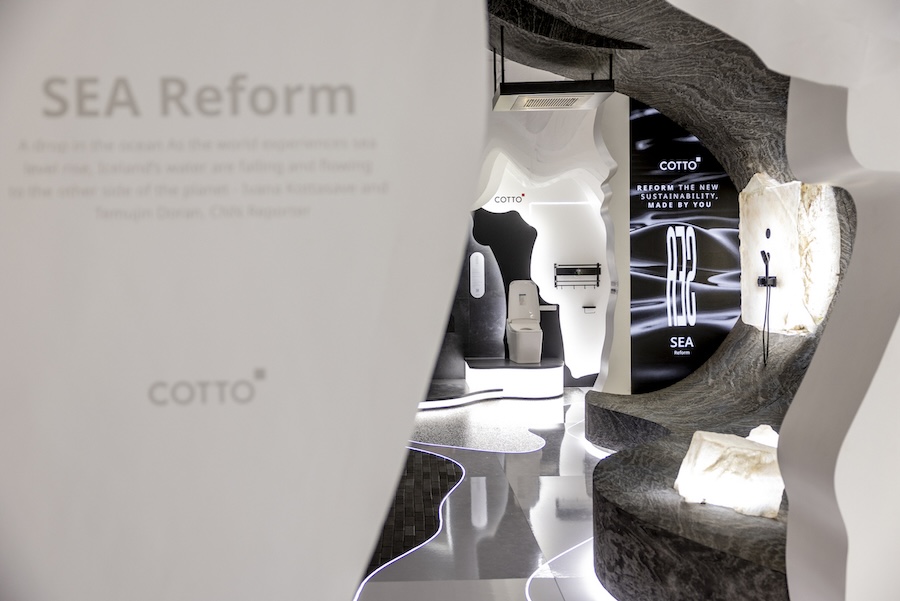
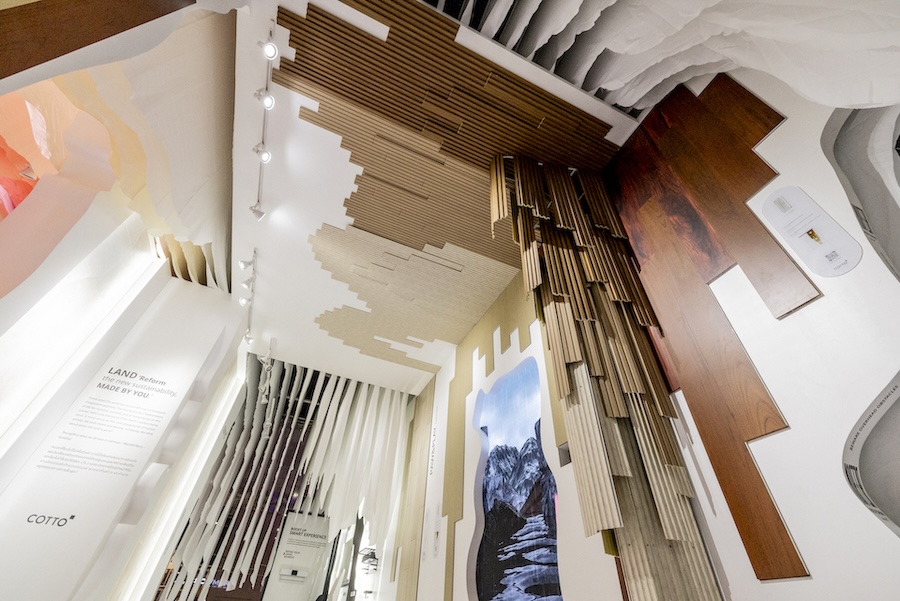
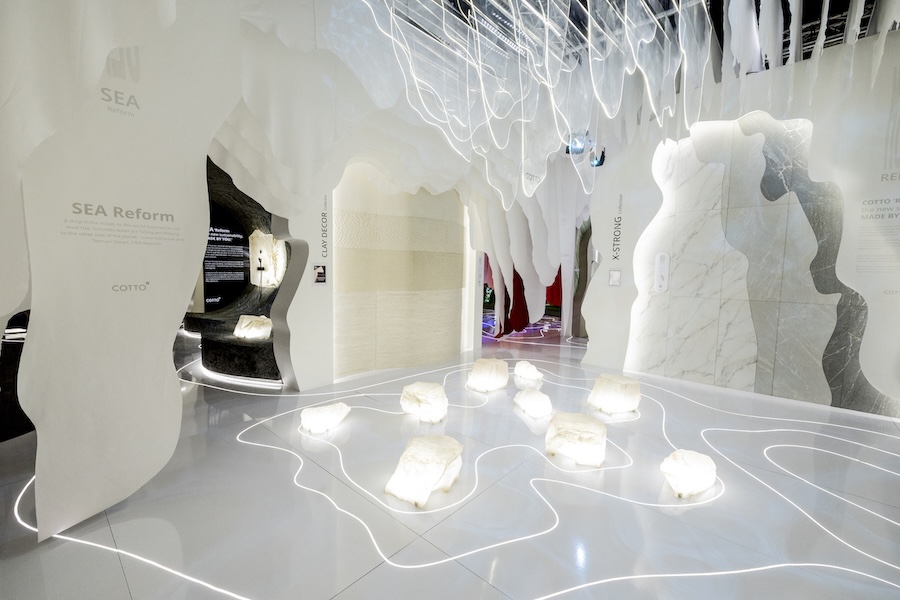
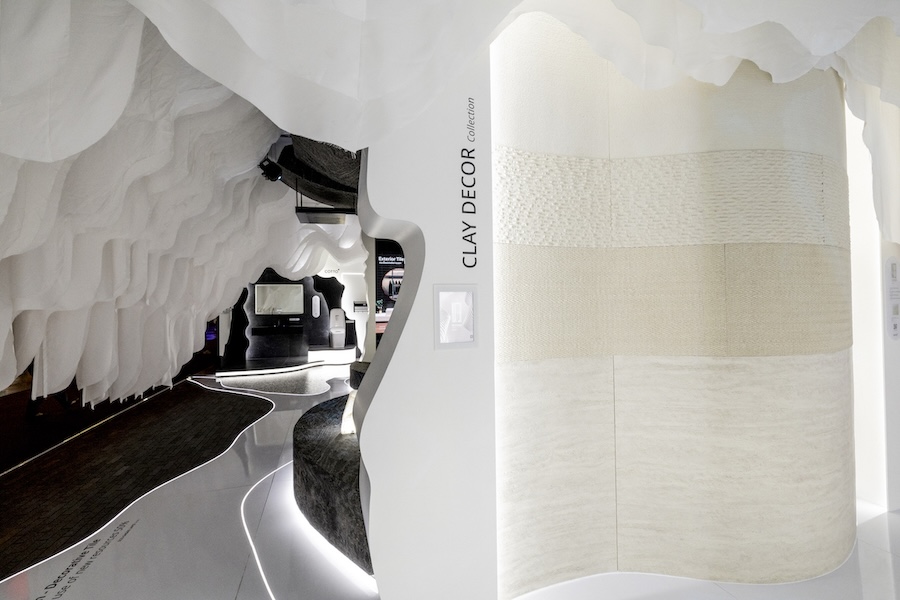
“Recently, at the Architects' 67 event, it marked another step in reinforcing COTTO's success by showcasing innovative decorative materials (Eco Collection) that create art reflecting Climate Change under the concept COTTO ‘reform the new sustainable result, made by you.’ This theme stems from the brand's DNA, aiming to communicate that we can care for the planet while enhancing our lives to be better and cooler. Therefore, the essence of the event is to pass on new perspectives to designers, who are leaders in creating living spaces, to recognize the importance of choosing materials that not only consider aesthetics but also benefit the planet. This is a starting point for changing the world for the better. The response has been overwhelmingly positive from designers, the general public, and especially the new generation, with over 5,000 visitors flocking to the COTTO booth.”
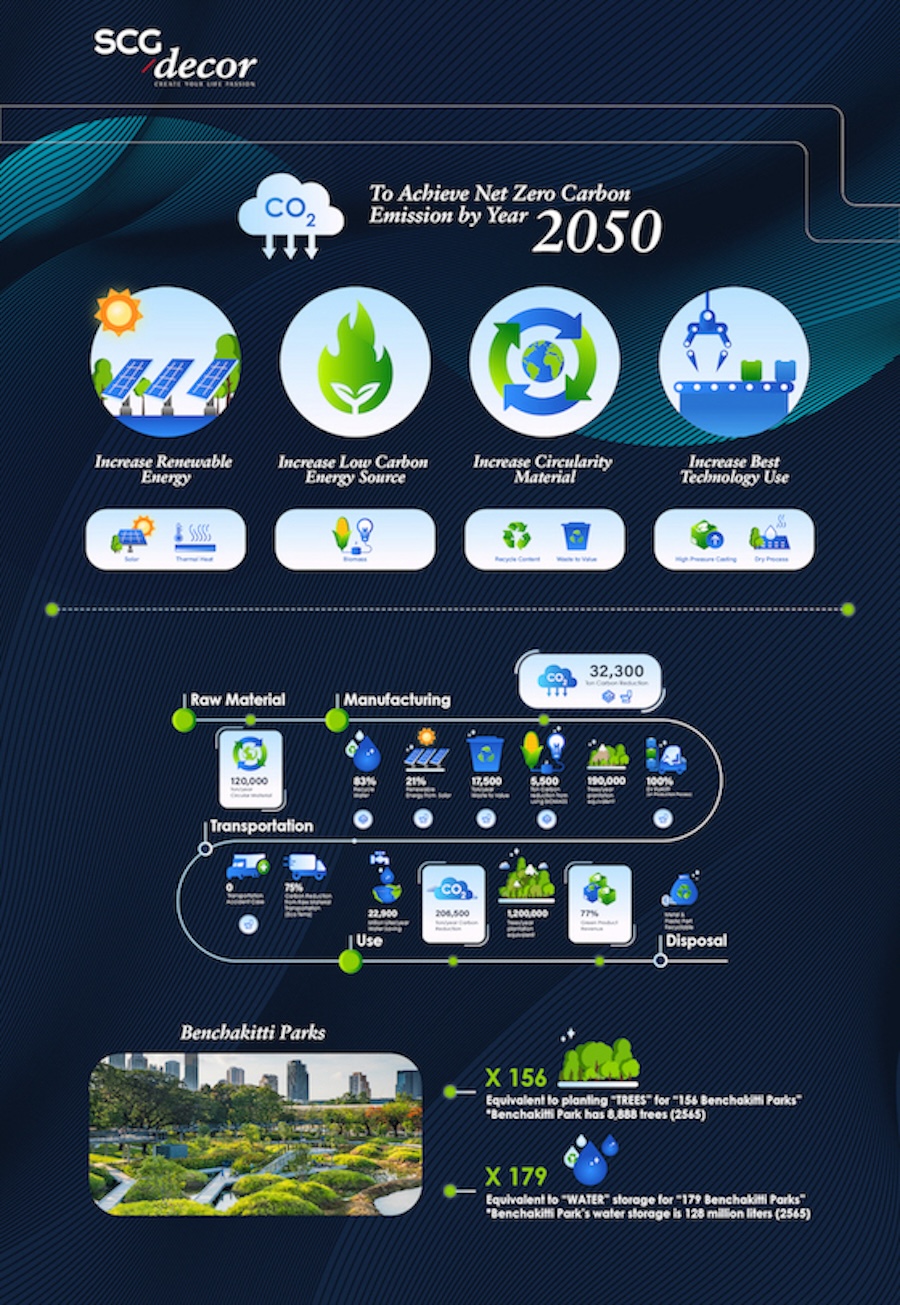
Currently, COTTO utilizes over 120,000 tons (12%) of recycled materials each year to reduce the use of new natural resources. The tile production process employs a wastewater treatment and recycling system within the factory at a rate of 83%. The use of biomass energy replaces fossil fuels in tile production, reducing carbon dioxide emissions by 5,500 tons annually (1.5% with plans to increase by 50% by 2030). The use of renewable energy from solar cells accounts for 21% in the production of sanitary ware and faucets, which can create waste to value of 17,500 tons annually. Compared to standard products, this can save at least 23,000 million liters of water annually (reducing carbon dioxide emissions by approximately 206,500 tons per year, equivalent to planting 1.2 million trees). Additionally, transitioning to 100% EV forklifts has enabled COTTO to reduce carbon emissions from raw material transportation by approximately 75% and decrease carbon dioxide emissions by about 32,000 tons annually (8% annually), equivalent to planting 190,000 trees each year.
Moreover, we have received various environmental standard certifications such as the Carbon Reduction Label, Carbon Footprint for Organization (CFO), which measures greenhouse gas emissions from various organizational activities, and Environmental Product Declaration (EPD), which assesses the life cycle of porcelain tiles and reports significant impacts in at least three dimensions: Global Warming, Ozone Layer Depletion, and Eutrophication, certified by the Thailand Environment Institute.
“Another commitment of COTTO is not only to develop products with a focus on quality, usability, beautiful design, and environmental consideration but also to emphasize various functions that will be added in the future, such as dust-catching tiles, slip-resistant tiles for the elderly and playful children, and even odor-reducing tiles for homes with pets, to meet the increasing demands of customers and cater to all generations and trends comprehensively,” Mr. Prabp concluded.