National Housing Authority Tackles 'Boiling World' Crisis, Accelerates Development of Eco-Friendly Housing in Line with UNFCCC COP 28
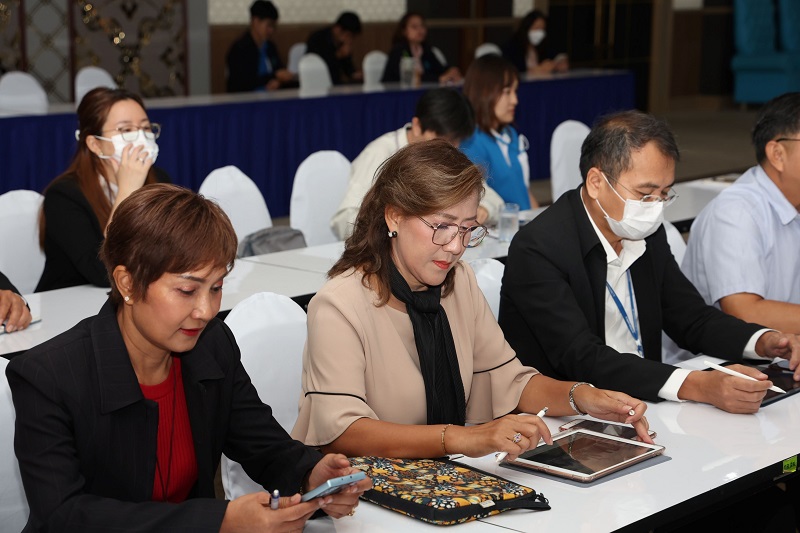
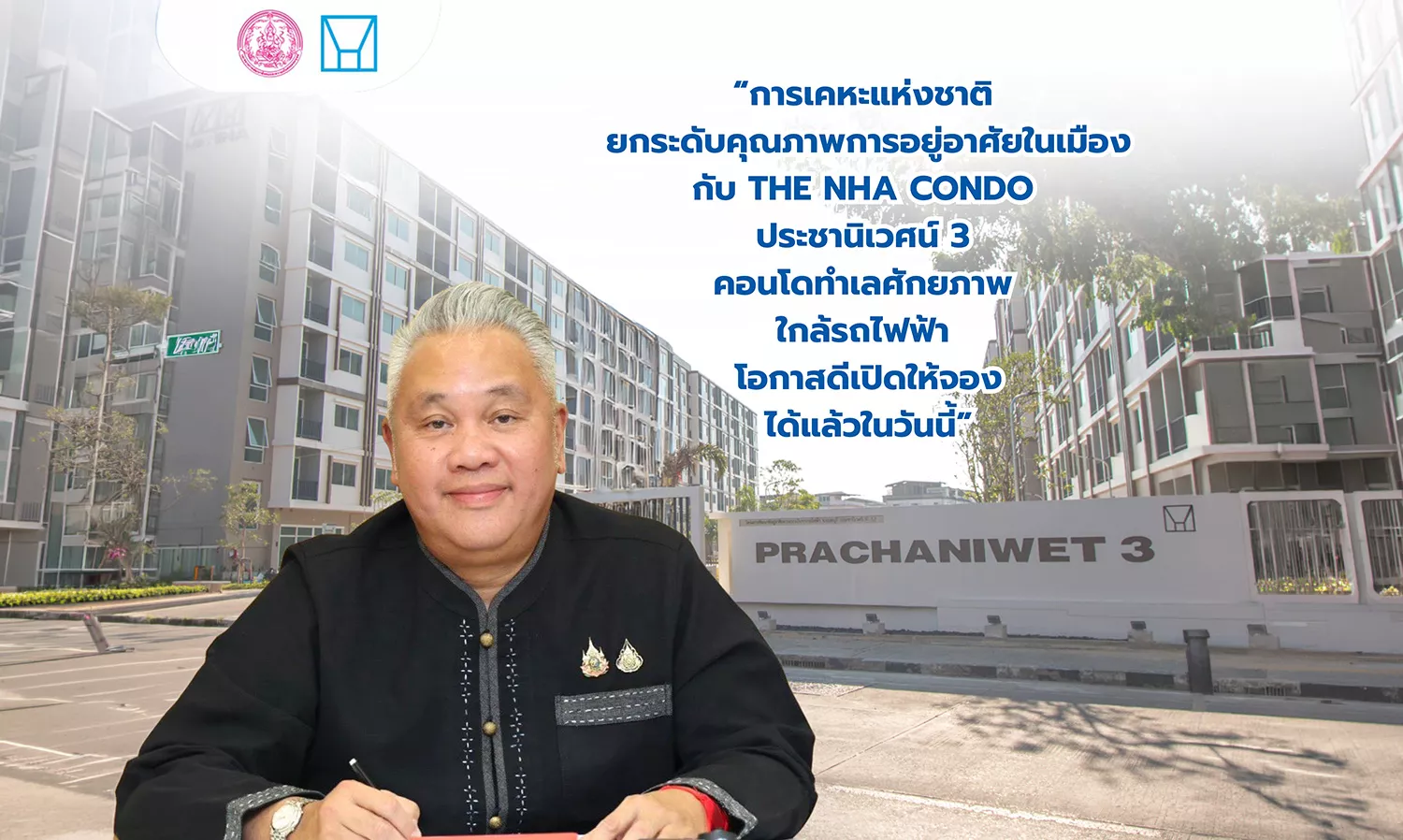
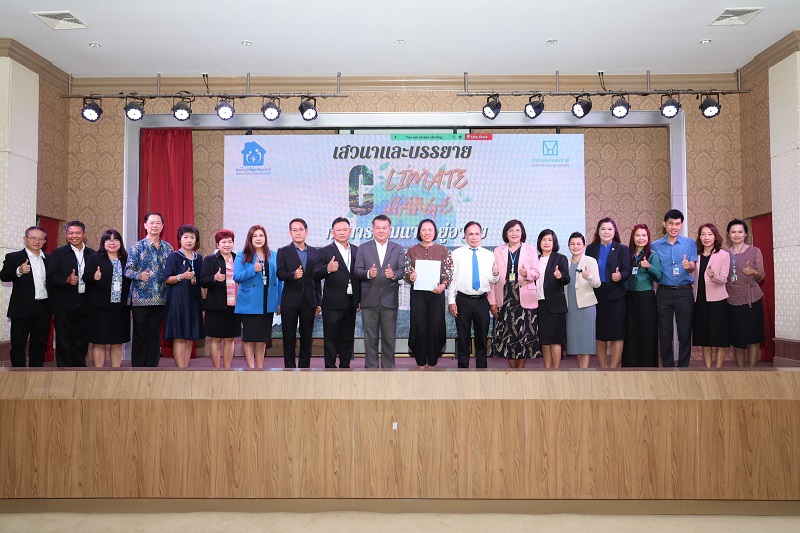
Air Marshal Chai Rat Thongboriboon, Deputy Governor of the National Housing Authority, revealed that the National Housing Authority recognizes the importance of environmental aspects in housing, community, and urban development, in accordance with the policies of Mr. Warawut Silpa-archa, Minister of Social Development and Human Security, who emphasizes the drive for climate change initiatives. The Authority collaborates with various partners to coordinate efforts, exchange knowledge and experiences to develop environmentally friendly housing that aligns with the 28th Conference of the Parties to the United Nations Framework Convention on Climate Change (UNFCCC COP 28) in Dubai, United Arab Emirates.
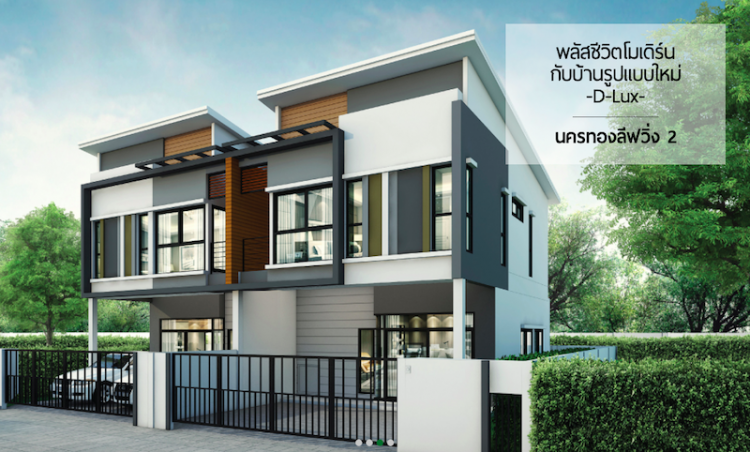
All new projects developed by the National Housing Authority, including affordable housing and community housing projects, will be designed using natural materials to reduce greenhouse gas emissions and adapt to climate change. This initiative aims to provide low-income individuals with access to environmentally friendly housing, aligning with the objectives of the Global Environment Facility (GEF), which has approved funding of 98 million baht to support energy-efficient and environmentally friendly housing projects in Thailand for low-income residents. This funding is currently awaiting consideration by the Cabinet, with the goal of improving the quality of life for residents and meeting the Sustainable Development Goal 11 for sustainable cities and human settlements.
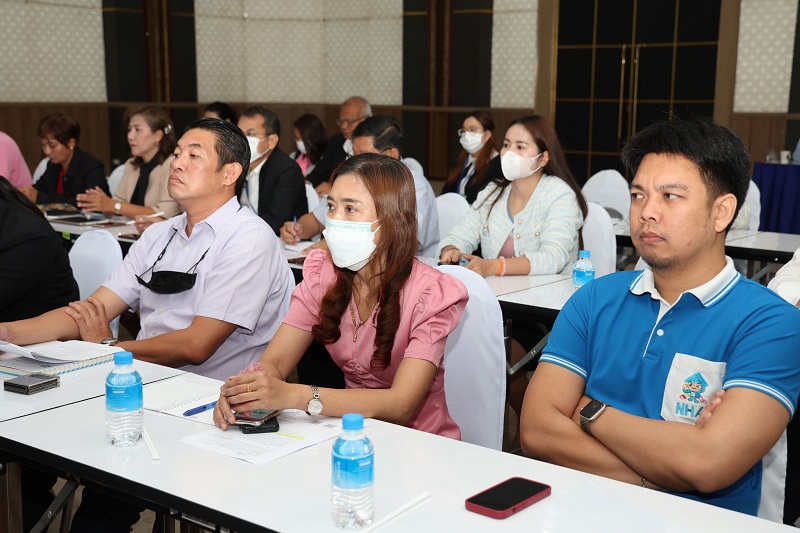
Dr. Kritima Lee Ratnawisuth, Local Strategy Consultant for the Global Future Cities Programme at UN Habitat Thailand, stated that the issue of 'global warming' or 'boiling world' impacts housing development. Therefore, project designs should accommodate water management. In the past, there have been constructions of dams and flood walls that do not effectively prevent water. Instead, designs should allow for coexistence with water; for instance, in flood-prone areas, houses should be elevated to allow water to flow beneath, while in some areas, drainage channels can be created to manage water flow without entering homes, enabling residents to maintain their daily lives.
“Future home designs should involve collaboration between engineers and architects. Homes or their interiors should serve multiple purposes; for example, rooftops could not only provide shade and shelter but also support plant growth, and building walls could be designed to accommodate climbing plants to create shade and mitigate global warming,” Dr. Kritima added.