Bangkok Collaborates with Chulalongkorn University and the Thai Health Promotion Foundation to Promote 3 Flagship Projects for a Walkable and Livable City
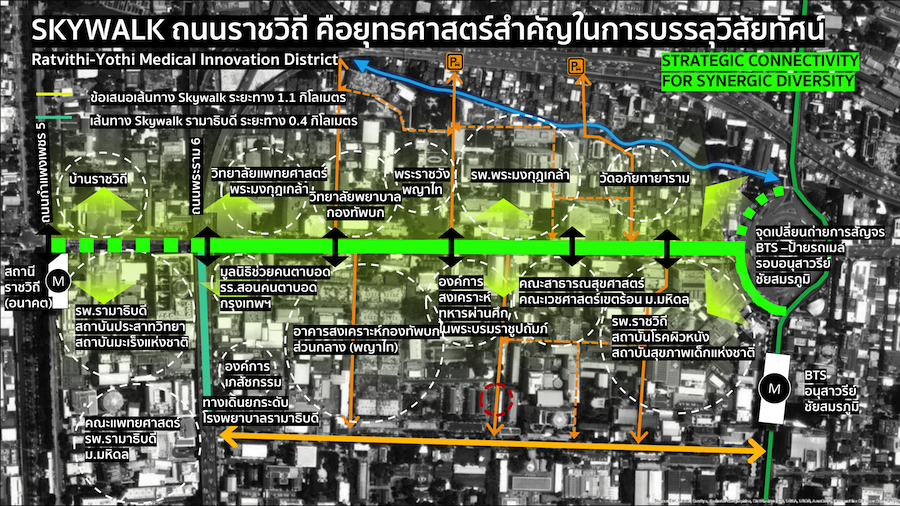
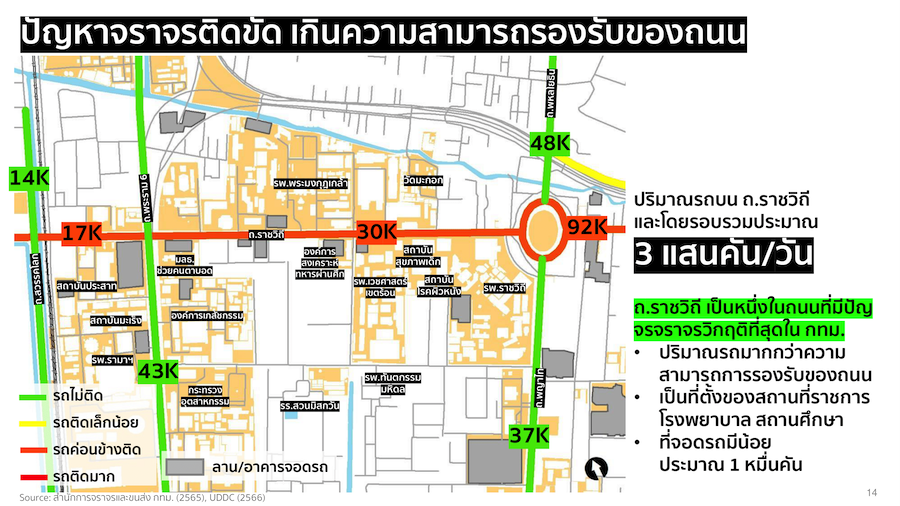
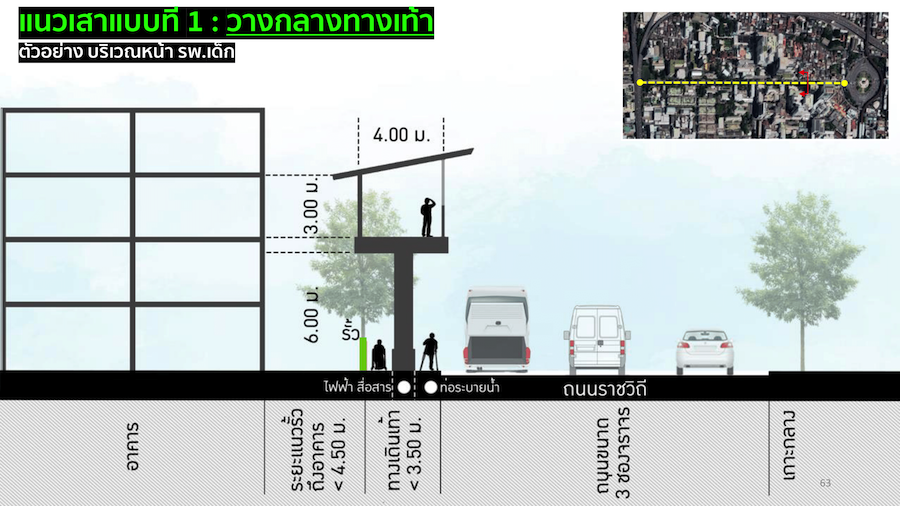
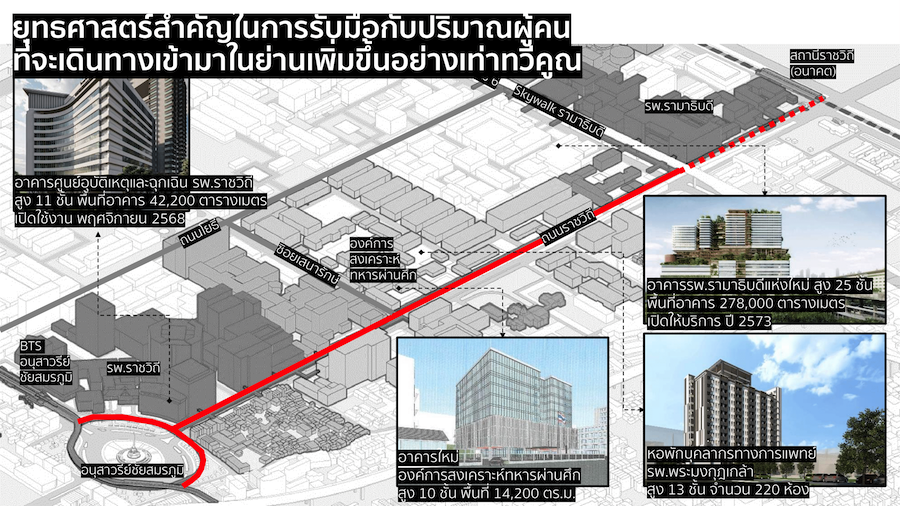
The public presentation of Walkable Bangkok: A Walkable and Livable City was honored by Assoc. Prof. Dr. Wisanu Trapsomphol, Deputy Governor of Bangkok, who presided over the opening ceremony and delivered a keynote speech. He discussed the approach to transforming Bangkok into a "Walkable and Livable City" through three flagship projects: (1) Promoting pedestrian traffic on Ratchavithi Road with an elevated walkway, (2) Improving the pedestrian landscape on Sukhumvit Road from Sukhumvit Soi 1 to Sukhumvit 103/4, and (3) Creating covered pedestrian pathways throughout Bangkok. The goal is to enhance the physical environment of the city to facilitate safe and convenient pedestrian movement in daily life, making this metropolis a pleasant place for everyone. The report was presented by Mr. Thawatchai Napasakdisri, Director of the Bangkok Metropolitan Administration's Public Works Department.
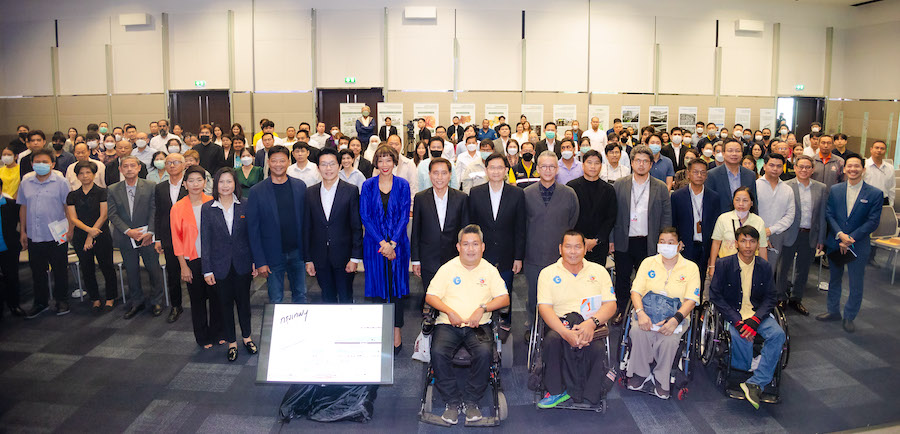
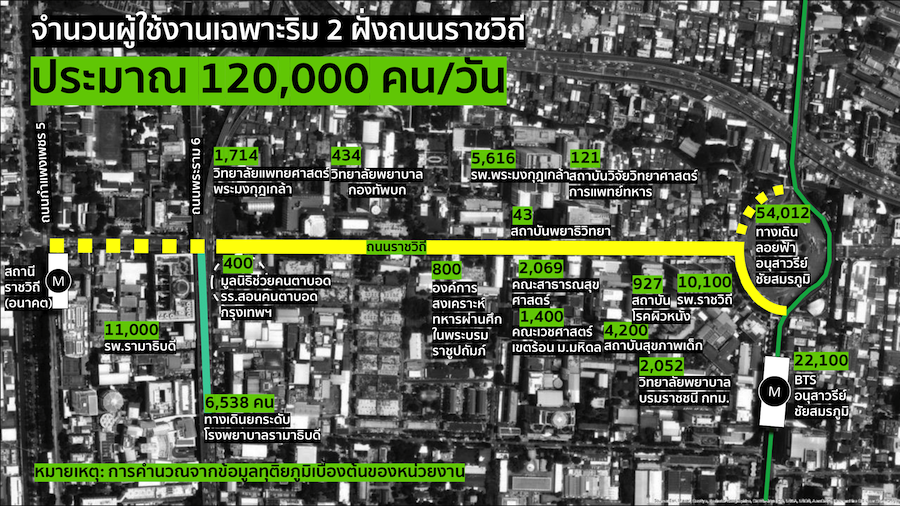
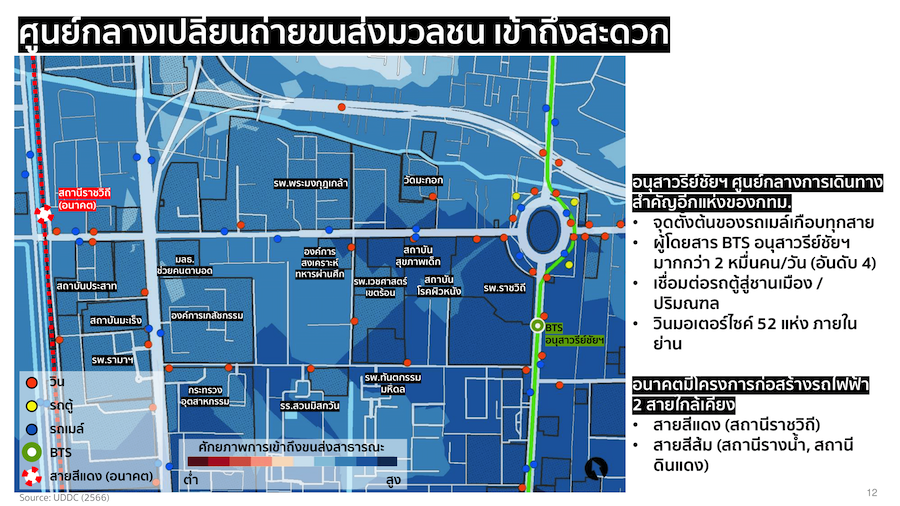
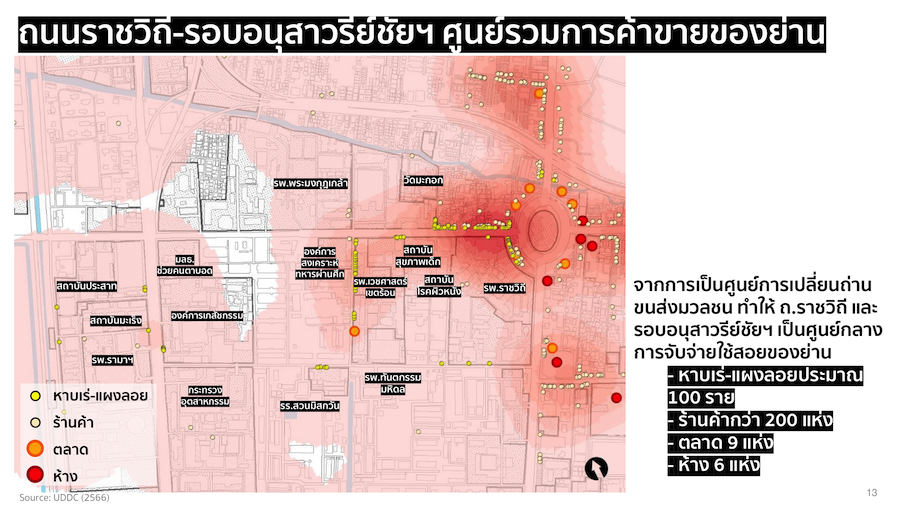
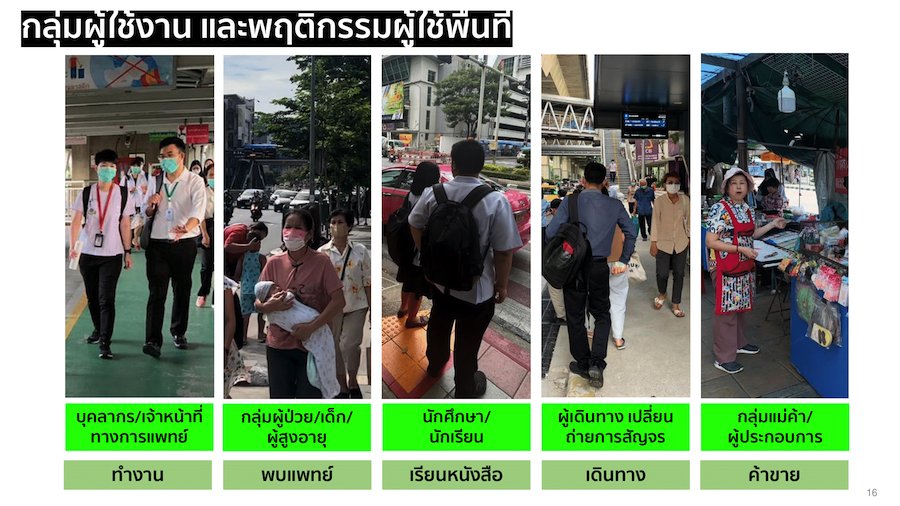
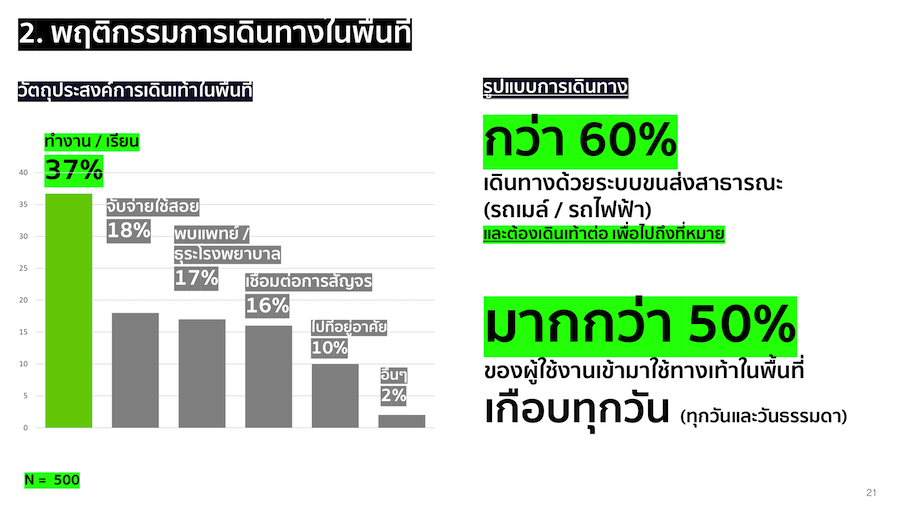
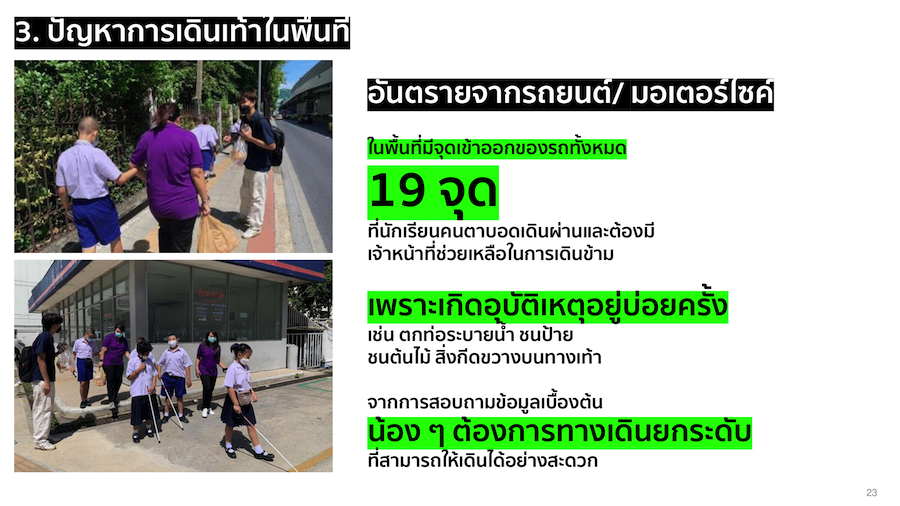
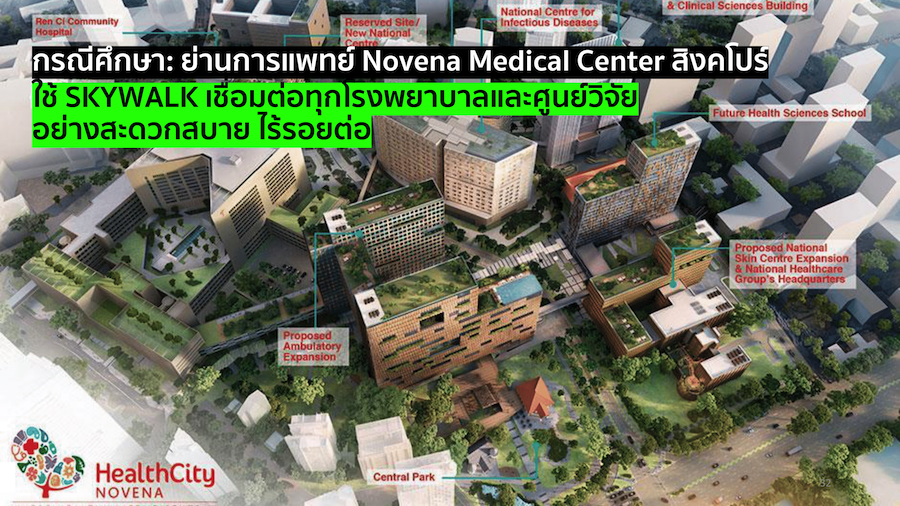
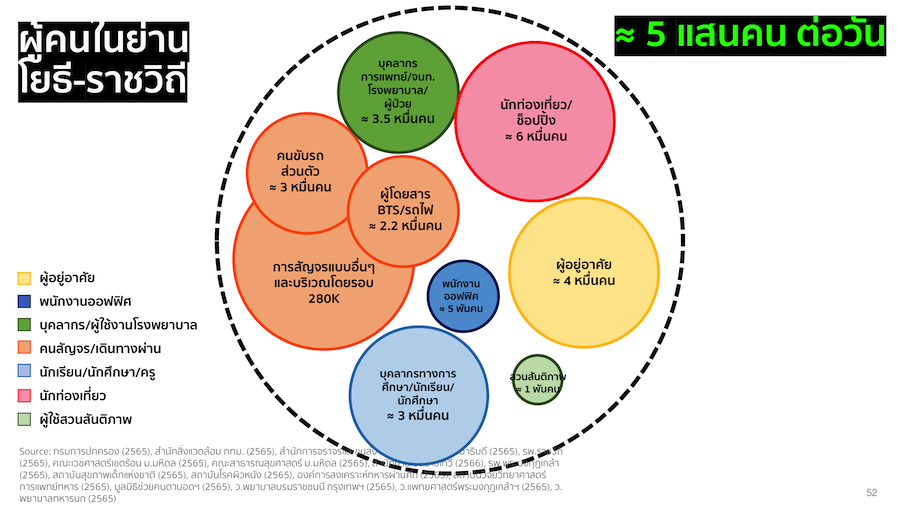
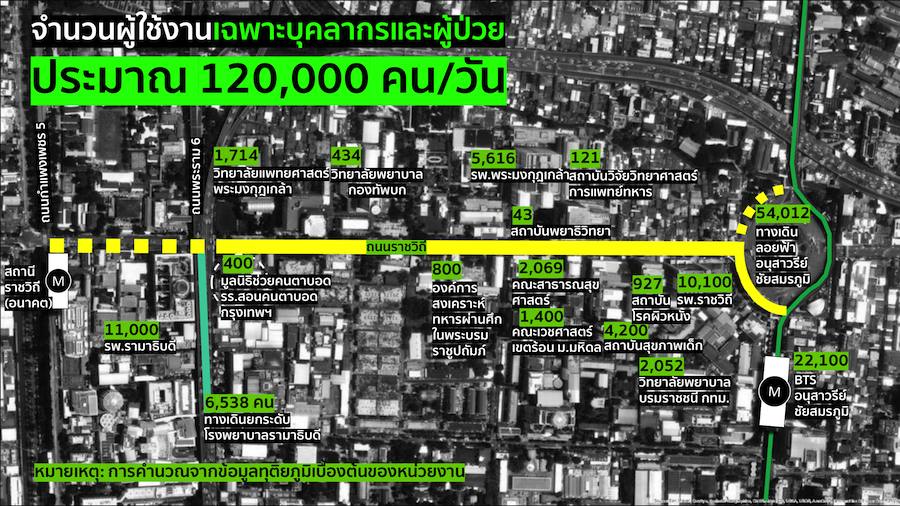
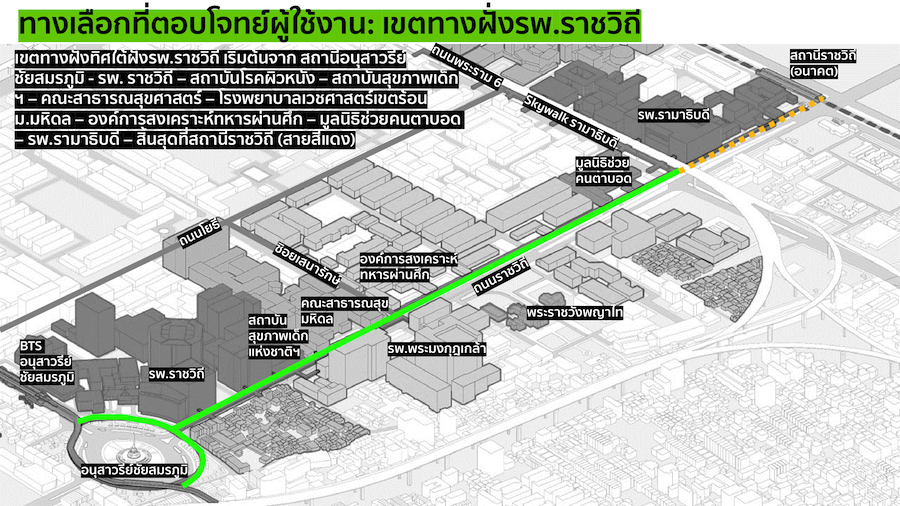
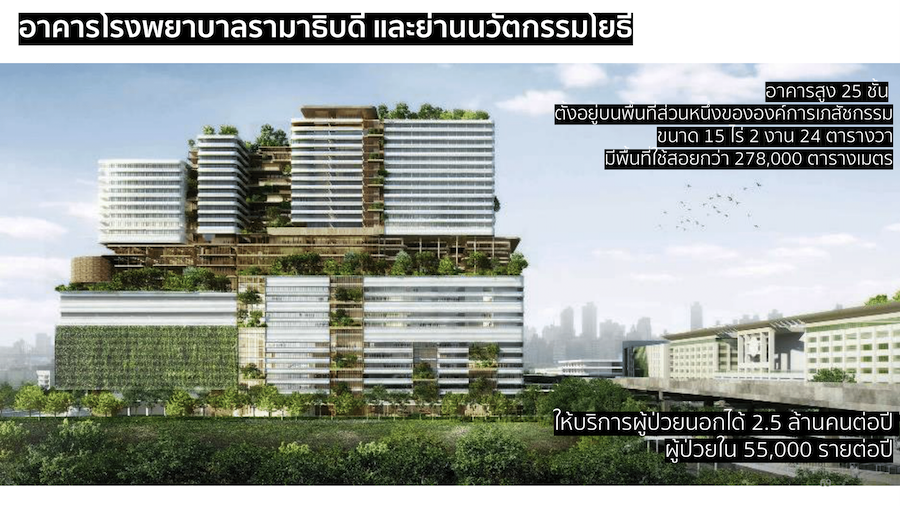
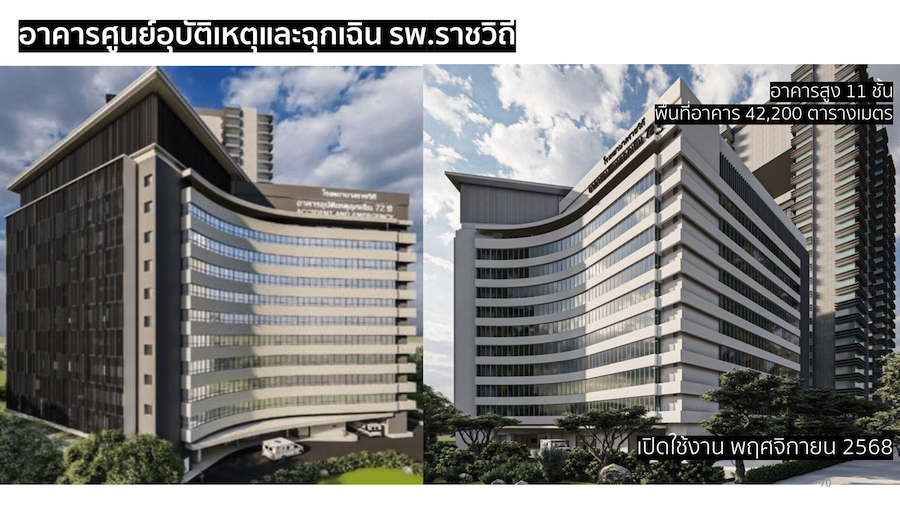
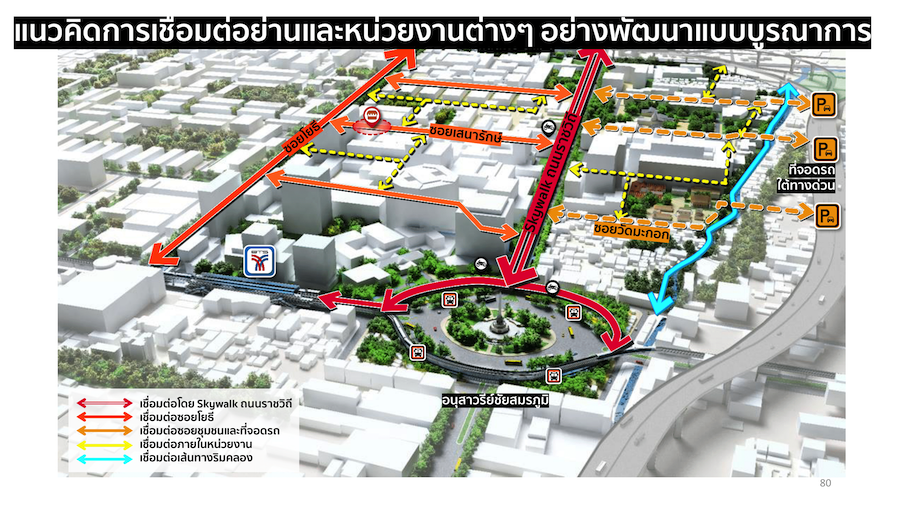
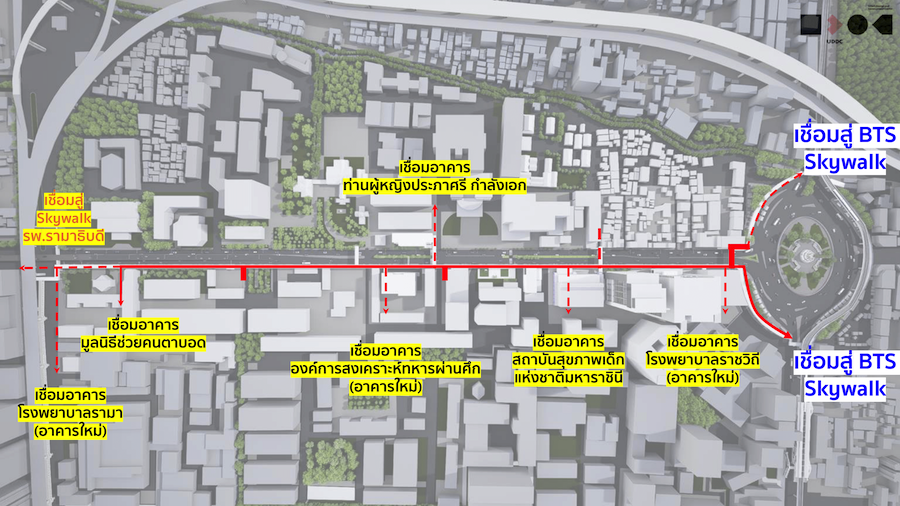
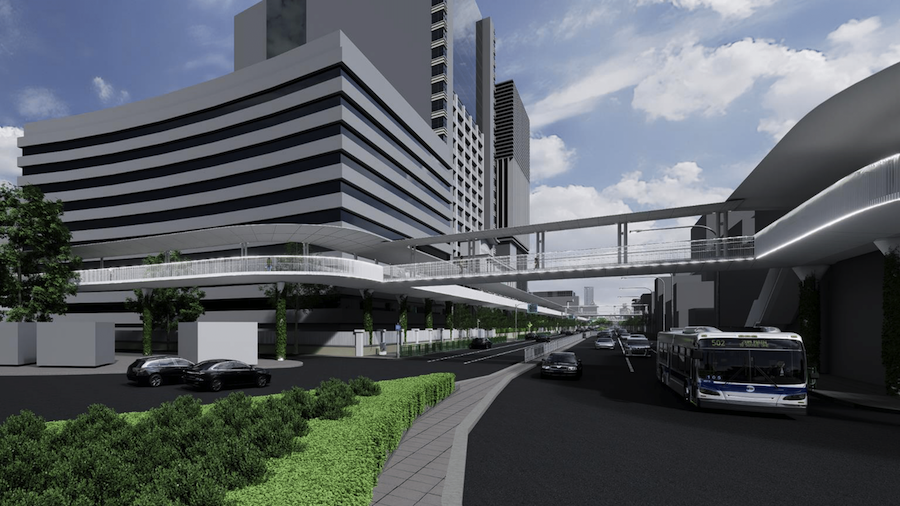
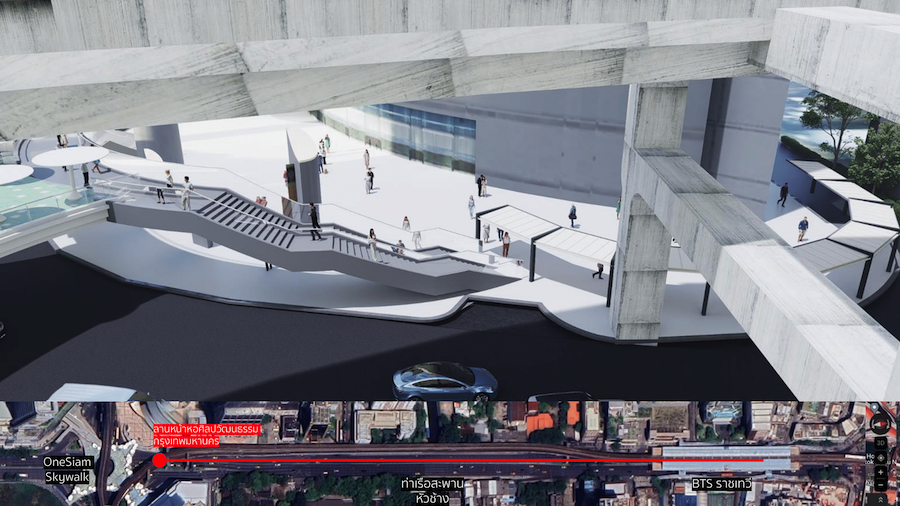
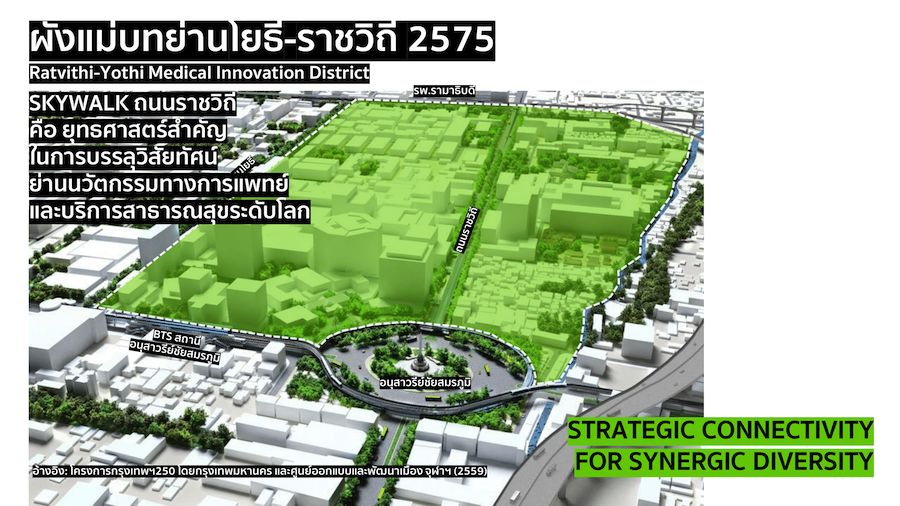
Details of the three flagship projects were further elaborated by project managers and experts. Regarding the feasibility study and design of the elevated walkway along Ratchavithi Road from Victory Monument to Chai Building Intersection, Assoc. Prof. Dr. Niramol Serisakul, Director of the Urban Design and Development Center at Chulalongkorn University, stated that the elevated walkway would help connect and share resources among 12 institutions, including hospitals, medical schools, and a school for the blind, while ensuring comfortable and safe transit for everyone, including patients, those with mobility limitations, the elderly, staff, and the general public.
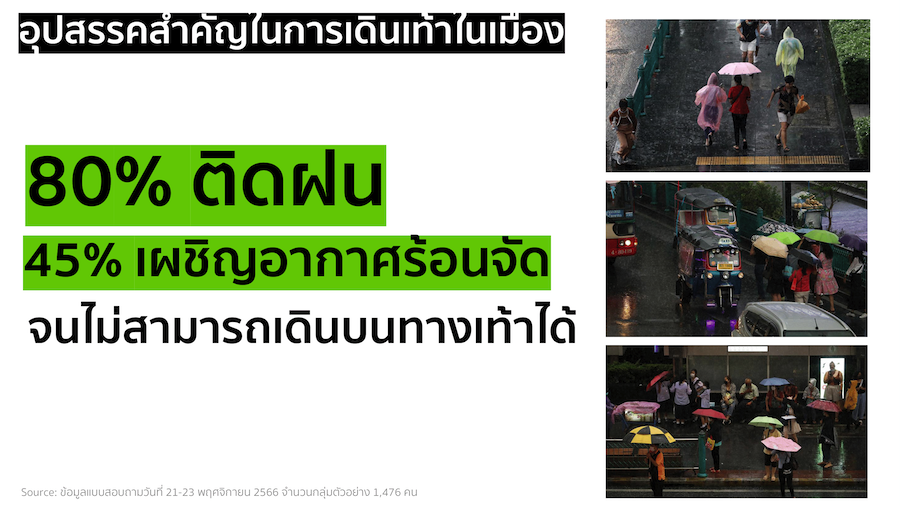
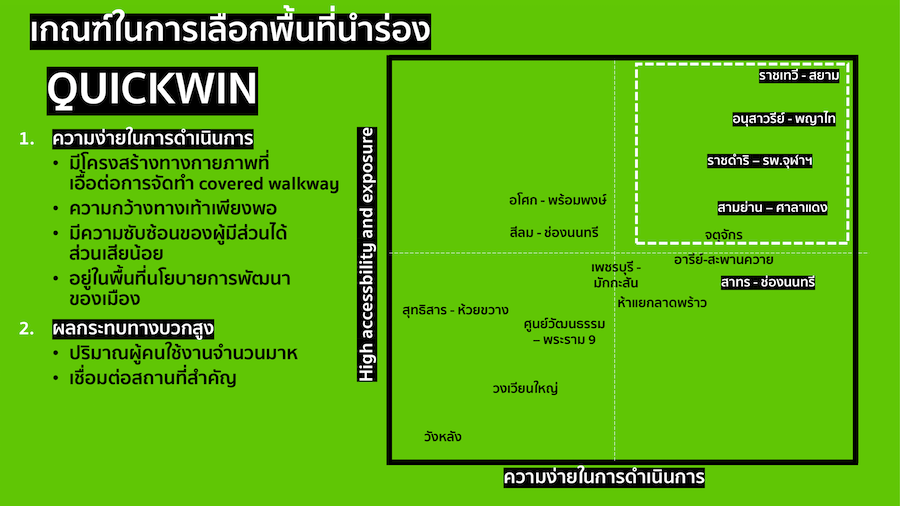
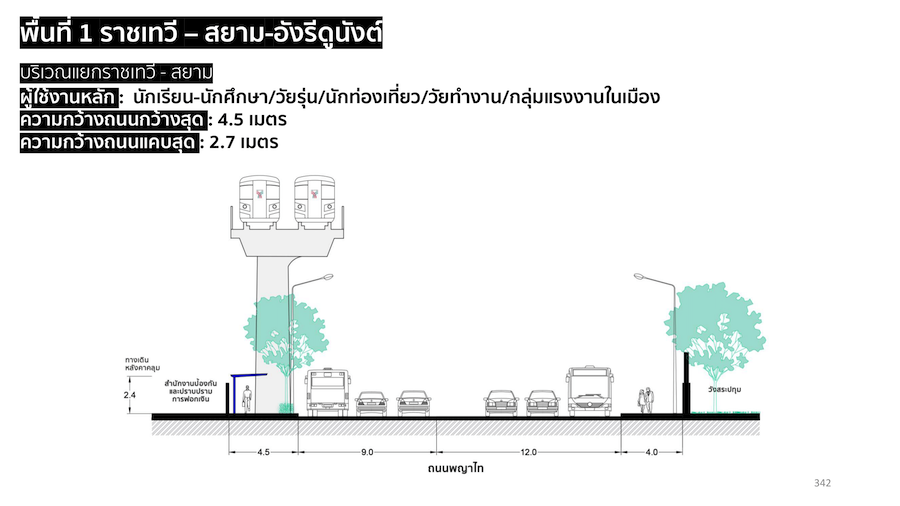
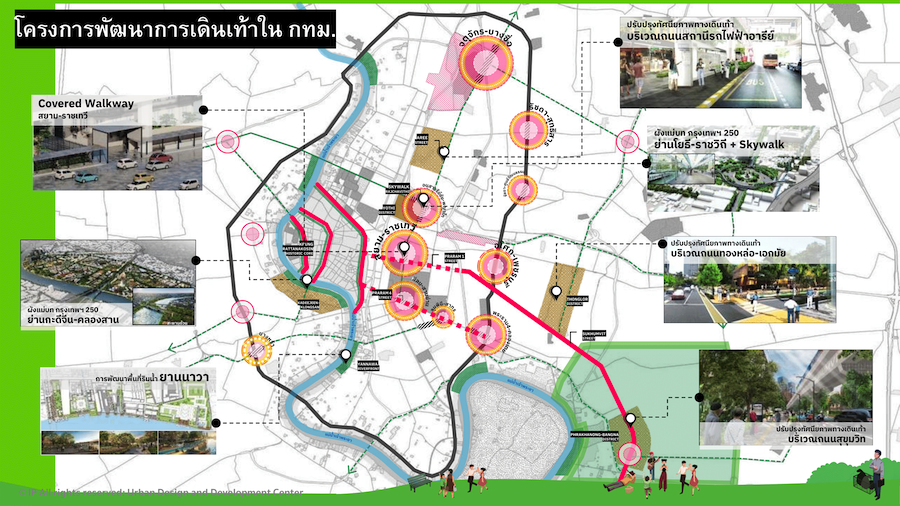
Additionally, the feasibility study for creating covered pedestrian pathways will promote walking in all weather conditions, focusing on the inner city to the mid-city areas. Five suitable pilot areas for development have been identified: Area 1: Ratchathewi-Siam-Henri Dunant at Ratchathewi-Siam Intersection, Area 2: Samyan-Sala Daeng at Samyan-Sala Daeng Intersection, Area 3: Rajdamri-Chulalongkorn Hospital at Ratchaprasong-Sala Daeng Intersection, Area 4: Victory Monument-Phaya Thai at Victory Monument-Phaya Thai Intersection, and Area 5: Sathorn-Chong Nonsi at Witthayu-Sathorn Narathiwat Intersection.
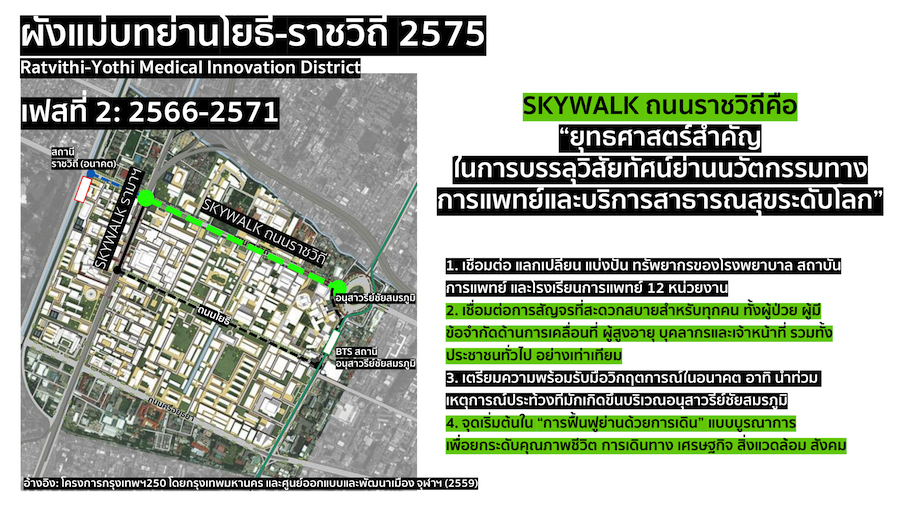
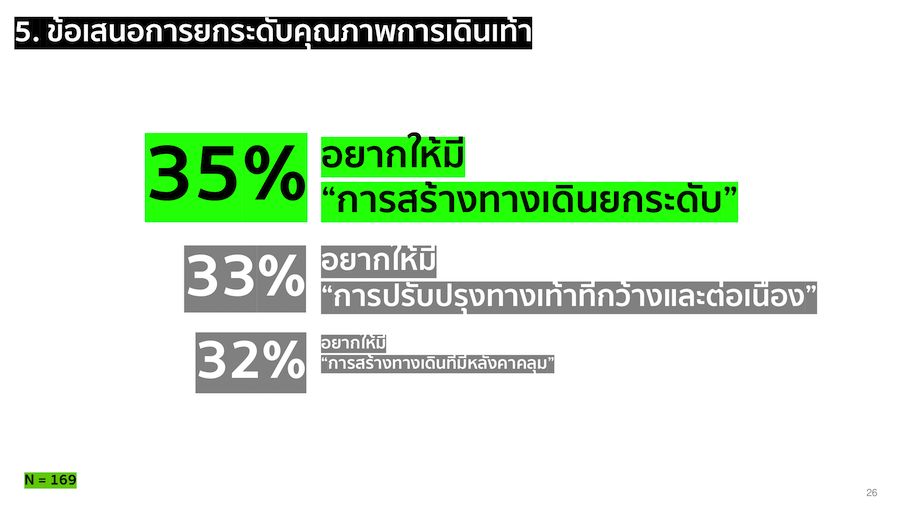
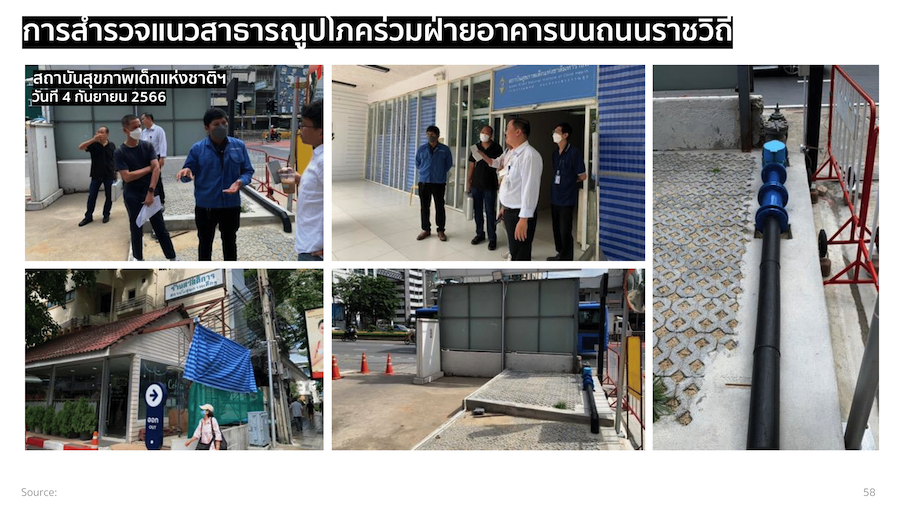
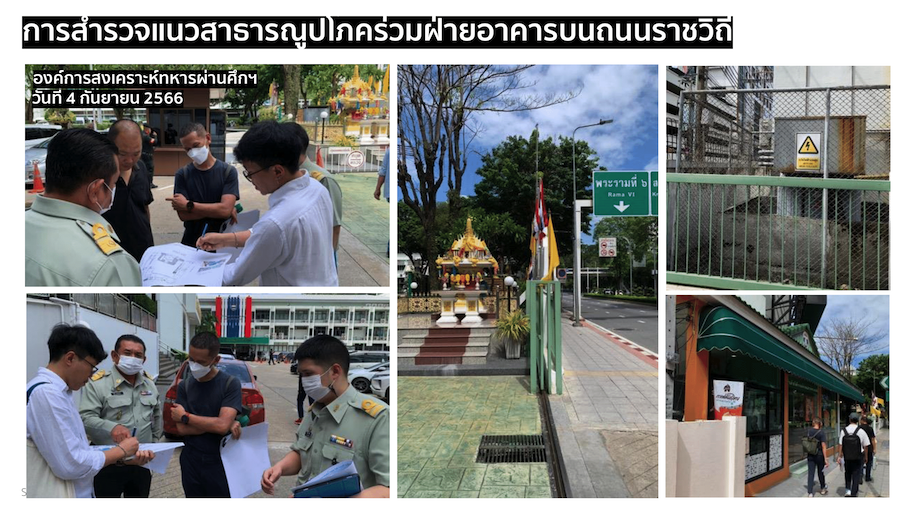
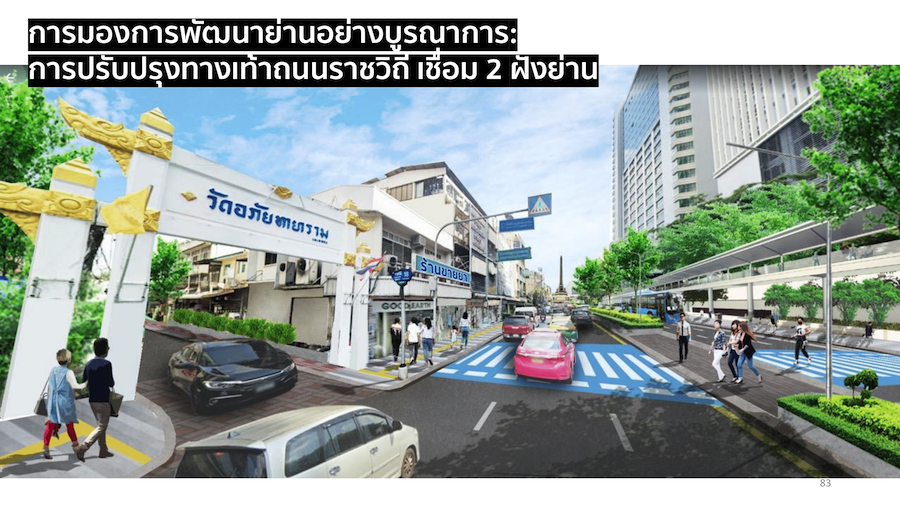
Mr. Paitaya Banchakittikun, Managing Director of Atom Design Co., Ltd. and the project's architect, presented the design approach for the elevated walkway along Ratchavithi Road and the covered pedestrian pathways, emphasizing a participatory design process involving the public, agencies, experts, and stakeholders. Key considerations include the quality of the structure, the smoothness and width of the walkway, the inclusion of tactile paving for visually impaired individuals, the design of the roof, and creating an aesthetically pleasing landscape that encourages walkability and safety.
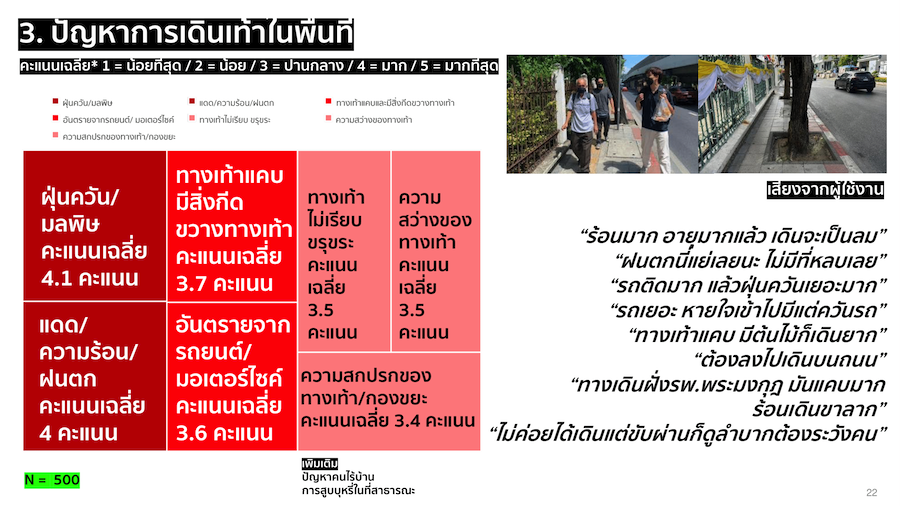
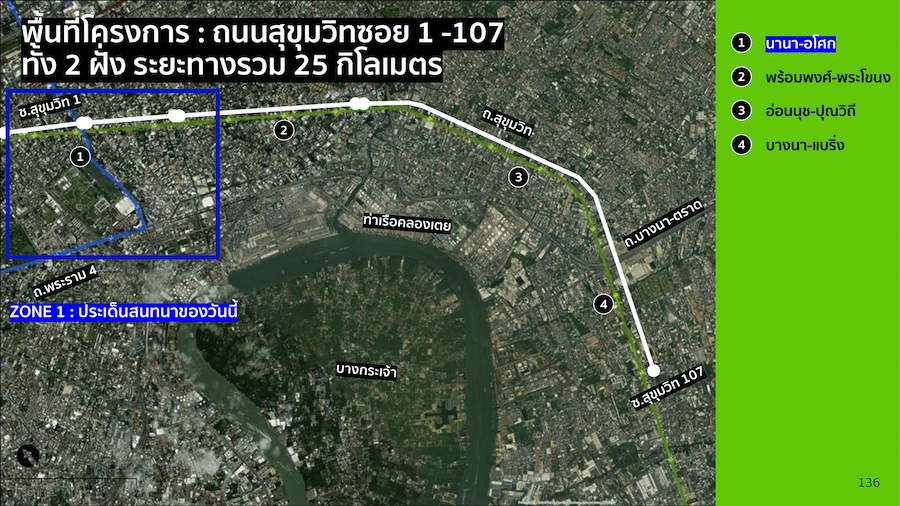
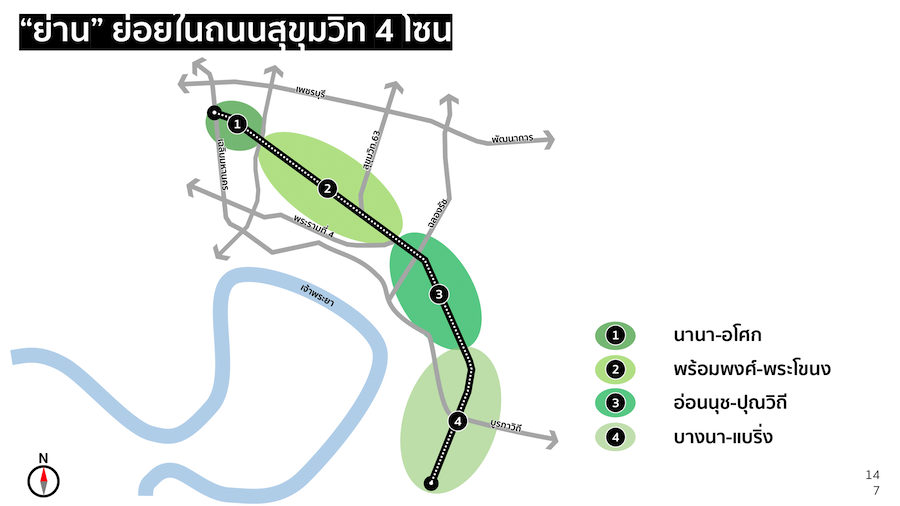
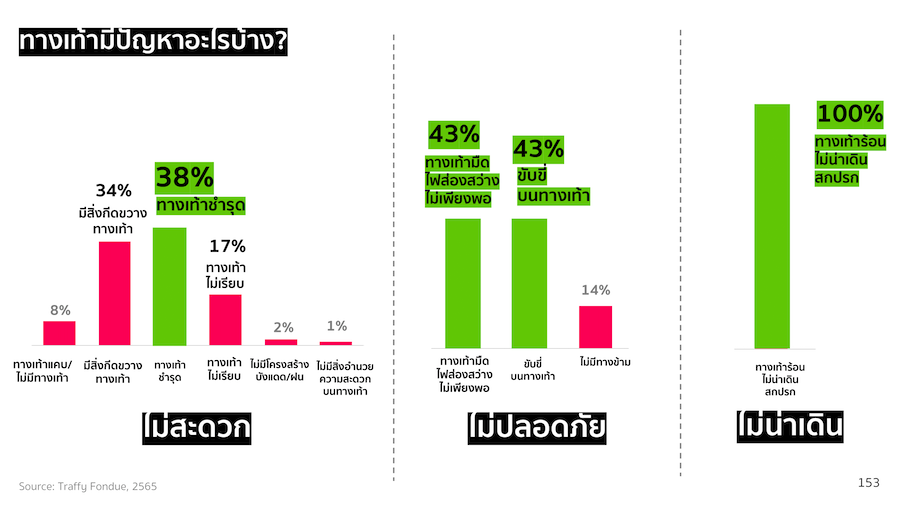
The final project involves improving the pedestrian landscape on Sukhumvit Road from Sukhumvit Soi 1 to Sukhumvit 103/4. Assoc. Prof. Komkrit Thanapate, a faculty member of the Department of Urban and Regional Planning at Chulalongkorn University, discussed the potential of Sukhumvit Road as the economic artery of the country, while noting its weaknesses in pedestrian traffic. He proposed strategies and initial recommendations for improving the pedestrian walkways on Sukhumvit, including (1) increasing the width of the sidewalks, (2) creating a pleasant atmosphere and identity for the area, (3) enhancing the street-facing facades of buildings, and (4) integrating pedestrian pathways with the area's identity.
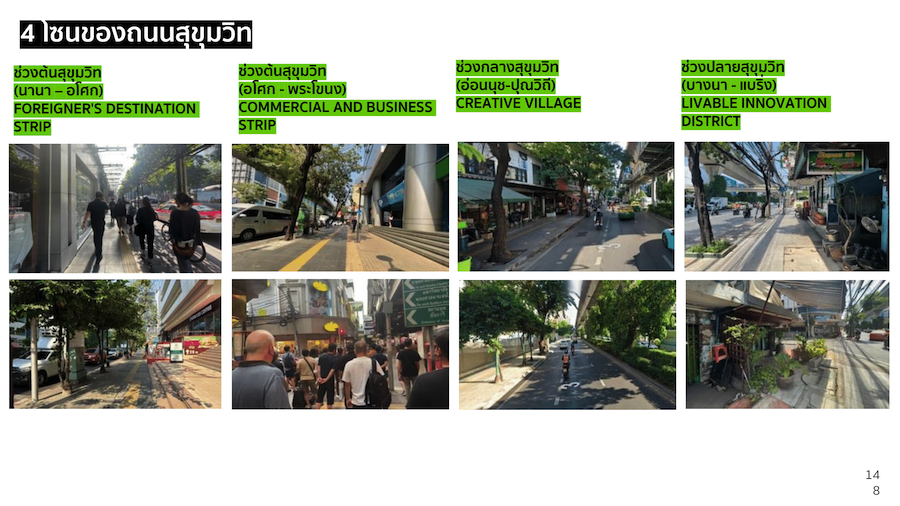
Mr. Thatchapon Suntharajarn, Managing Director of Landscape Collaboration Co., Ltd. and the project's landscape architect, discussed improving the width of the sidewalks and implementing tactile paving, as well as organizing motorcycle taxi stands and street vendors. He emphasized connecting pedestrian pathways to building entrances, creating a walkable atmosphere, improving bus stop areas, and reflecting the area's identity through pedestrian design and revitalizing the neighborhood with appropriate plant selections that provide shade and filter dust, while collaborating with government, private sectors, and the public.
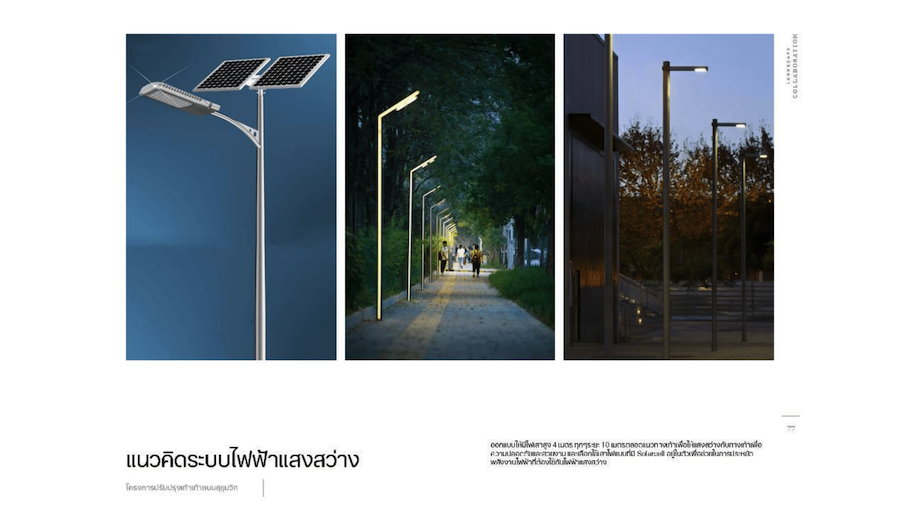
Assoc. Prof. Dr. Janya Styler, Director of the Research and Innovation Center for Lighting at the Faculty of Architecture and Design at King Mongkut's University of Technology Thonburi, spoke about enhancing quality of life and creating neighborhood identity through lighting design, including selecting light intensity, types of bulbs, and creating vibrancy in the area while considering energy efficiency and light pollution reduction, ensuring users feel safe while walking at all times.
The study of these three flagship projects to promote a walkable and livable Bangkok is not just about improving sidewalks; it is a strategic urban development initiative addressing various challenges, including environmental, economic, social issues, health promotion, and preparing for climate change and an aging society. Therefore, Bangkok, UDDC, the Thai Health Promotion Foundation, and network partners recognize the need to elevate the "movement towards a walkable and livable city" as a strategy for the revitalization of Bangkok.