Central Administrative Court Cancels EIA Report for Project 125 Sathorn
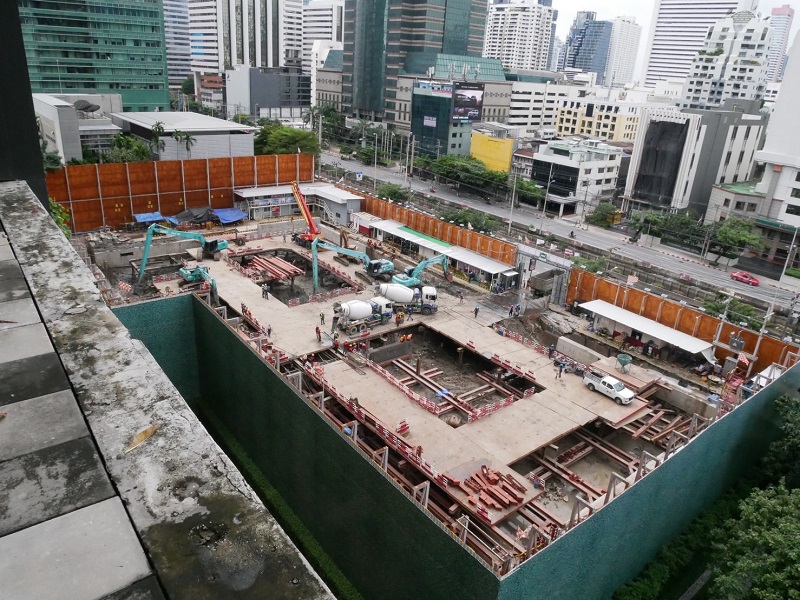
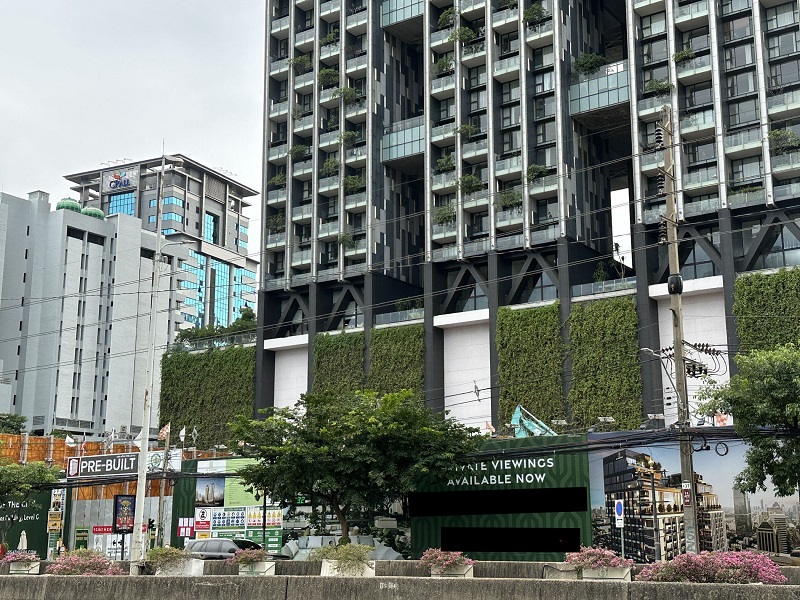
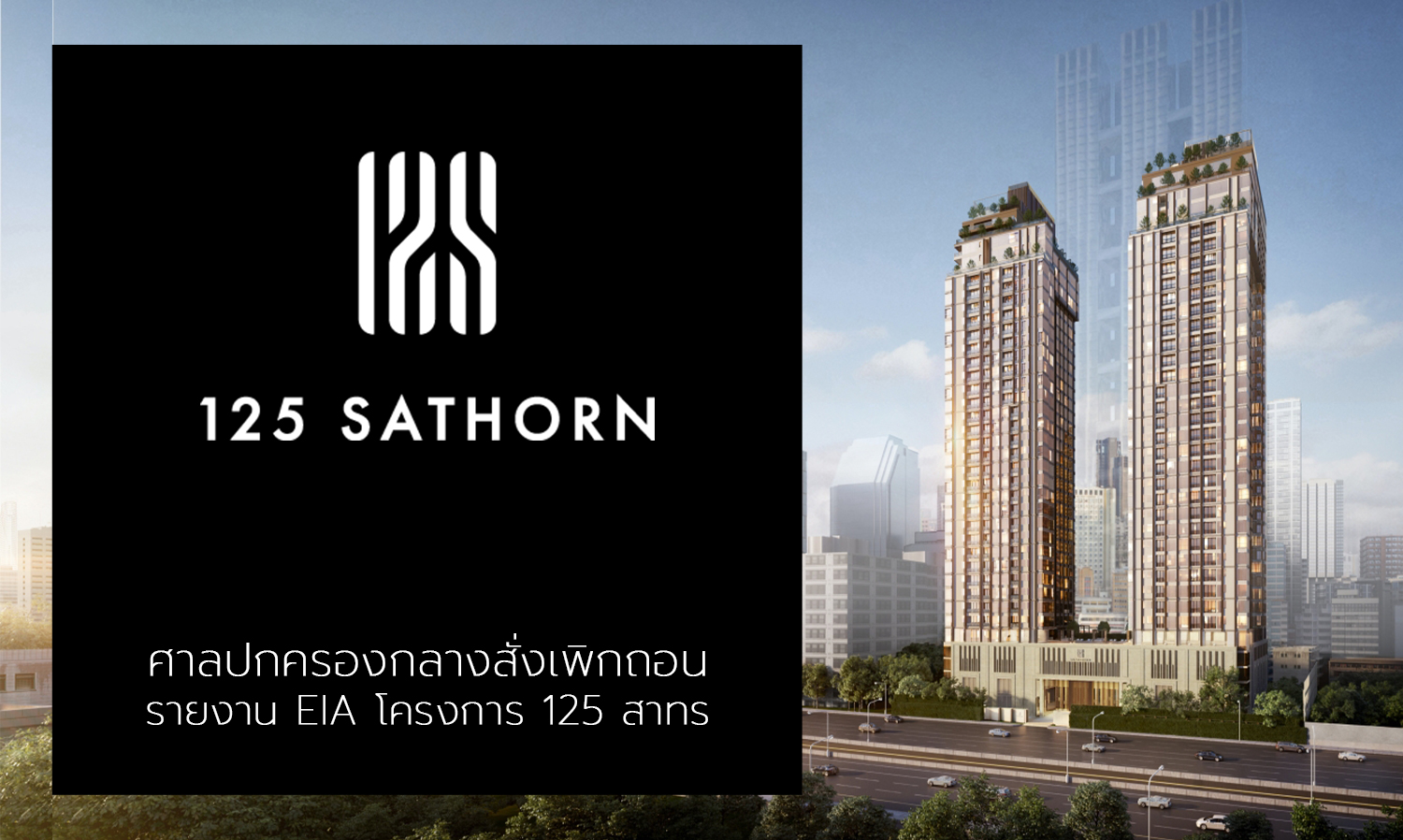
The Central Administrative Court has ruled to halt construction of the luxury condominium and has revoked the Environmental Impact Assessment (EIA) report and construction permit for the Project 125 Sathorn on South Sathorn Road, despite construction already being underway. This decisive ruling was made on September 27.

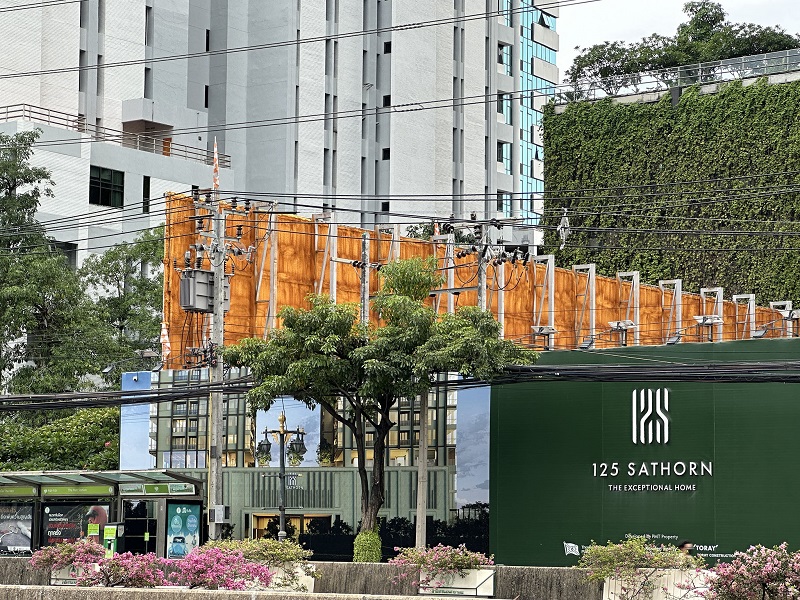
The case was brought by the co-owners of The Met condominium (which is located on the same plot of land). Ms. Chidchanok Lertamphraisan, the property manager of The Met, stated, "The Met filed this lawsuit against several state agencies involved in approving the EIA report and issuing the construction permit for Project 125 Sathorn." The Met claimed that originally, Pebble Bay Thailand, the developer of The Met project, owned a 10-rai plot of land, which was later divided in 2004 into two parcels: 7 rai for The Met project and 3 rai for Project 125 Sathorn. Currently, the land is owned by PMT Property Co., Ltd., a joint venture between Thoresen Thai Agents Co., Ltd. (Public) and two Japanese partners: Kanden Realty & Development Company Limited and Toray Construction Company Limited.

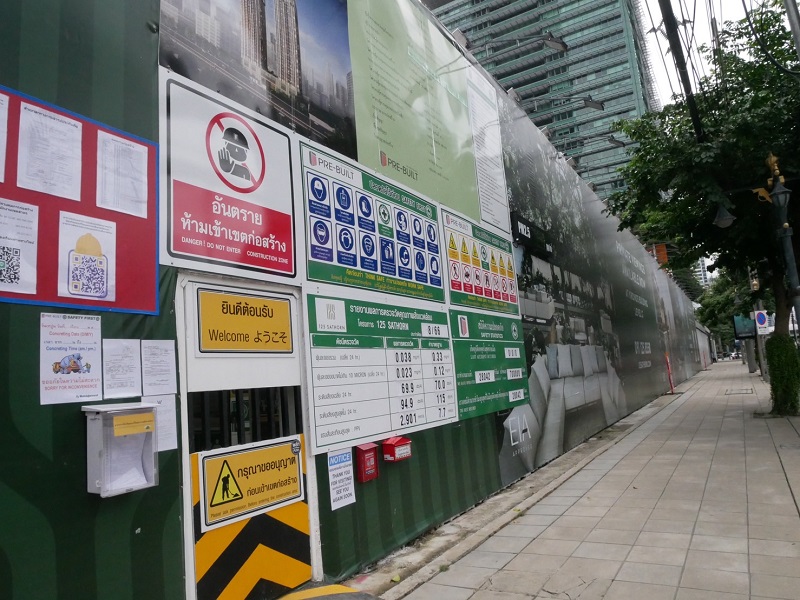
Since both parcels of land were used to apply for the construction permit for The Met, the entire 10 rai is subject to land use for constructing high-rise buildings or large structures. In this case, The Met argued that the design of 125 Sathorn exceeds the size limits set by law after excluding the land area of The Met from the 10 rai.
The ruling of the Central Administrative Court in this case, which follows similar rulings for several luxury condominiums, including Ashton Asoke, indicates that the court is giving more weight to the concerns and legal actions of the surrounding community at risk of being overshadowed by large construction projects.
In this case, the Central Administrative Court exercised its legal authority and ordered the revocation of the approval of the EIA report and construction permit for Project 125 Sathorn, with retroactive effect. This ruling may serve as a guideline for responsible agencies to consider and find legal mechanisms that better protect the rights of existing communities, so that lawsuits seeking the court's intervention occur only in exceptional cases rather than as a common practice.