Supalai Teams Up with Green Hearted Employees to Create Good by Planting Trees and Expanding Community Forests in Korat for the Second Consecutive Year
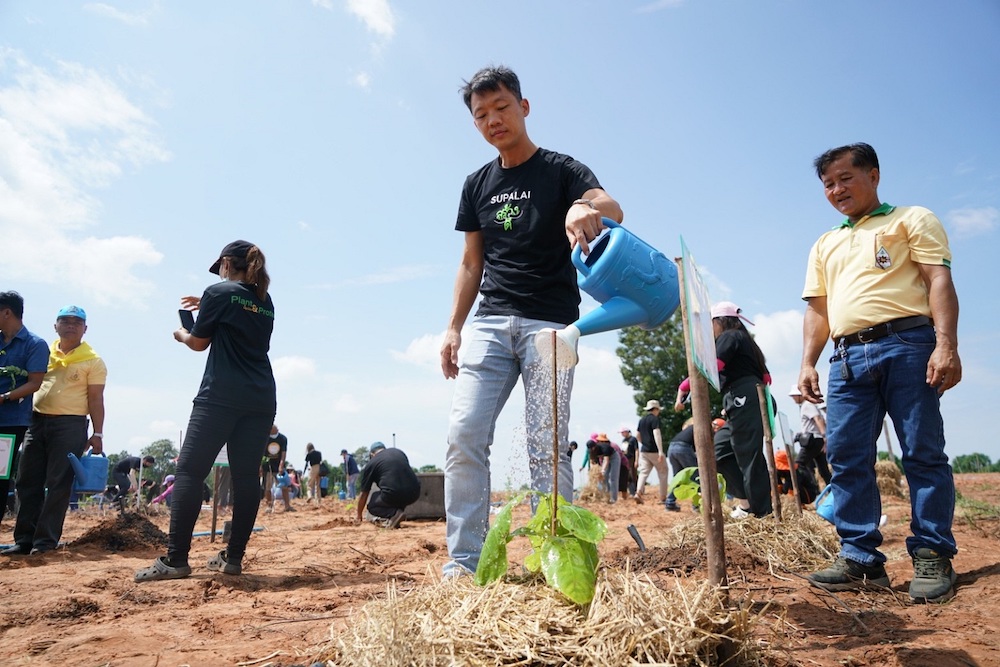
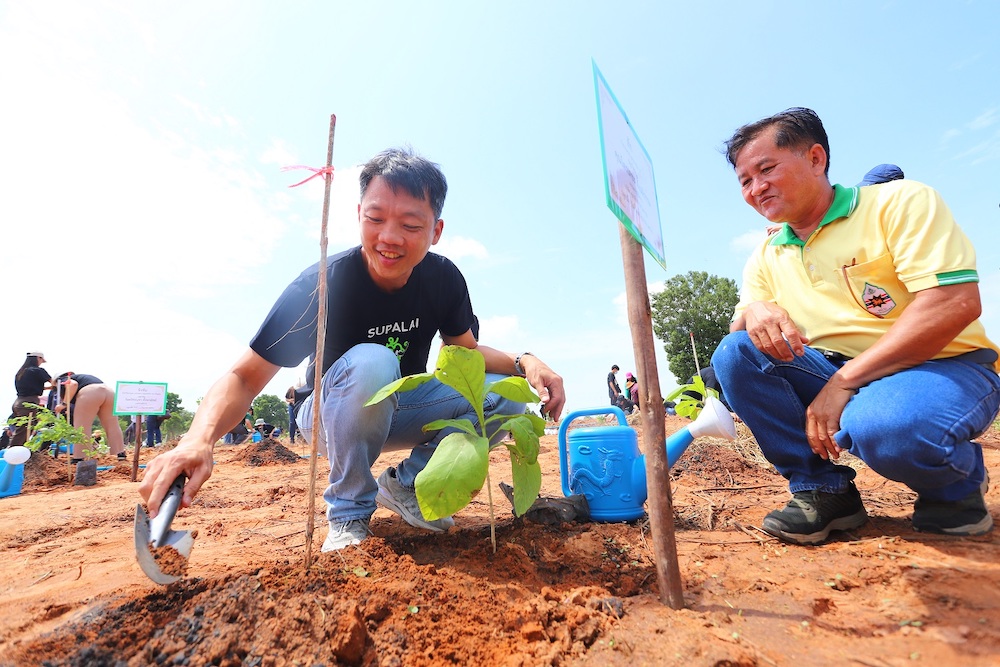
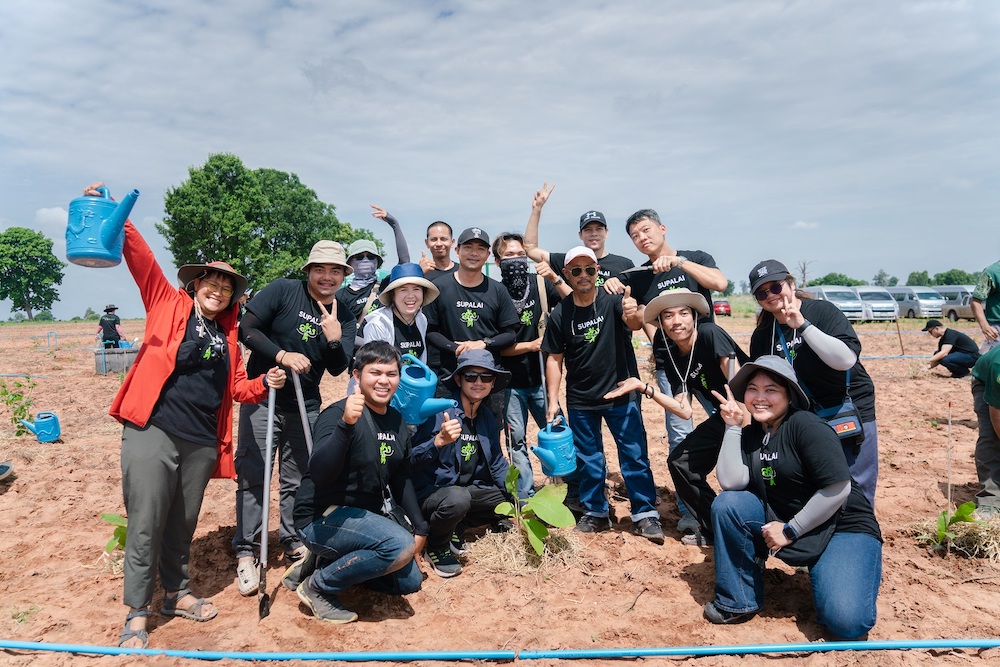
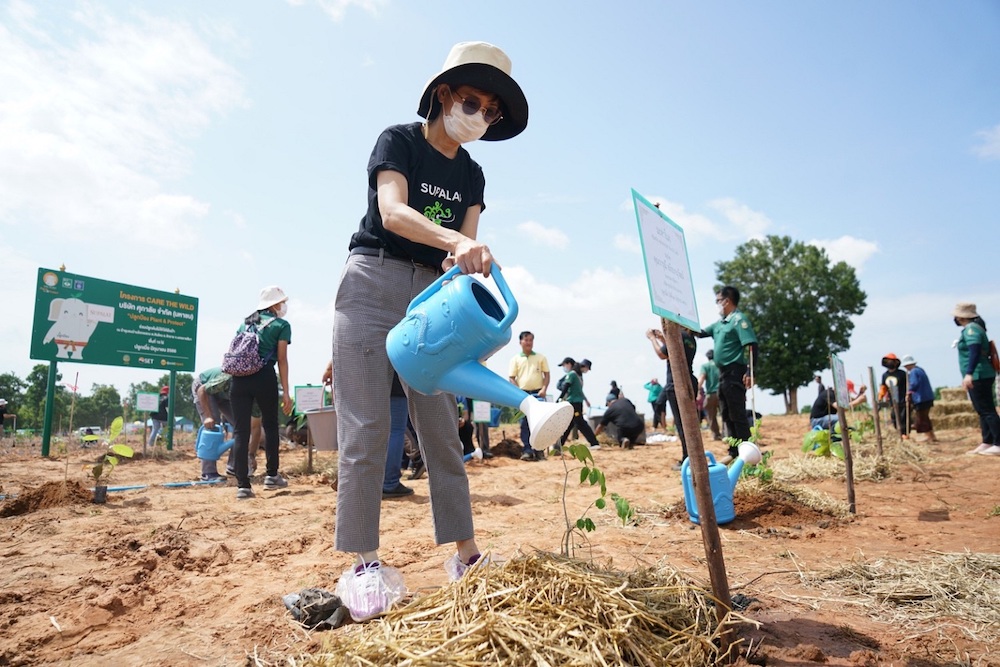
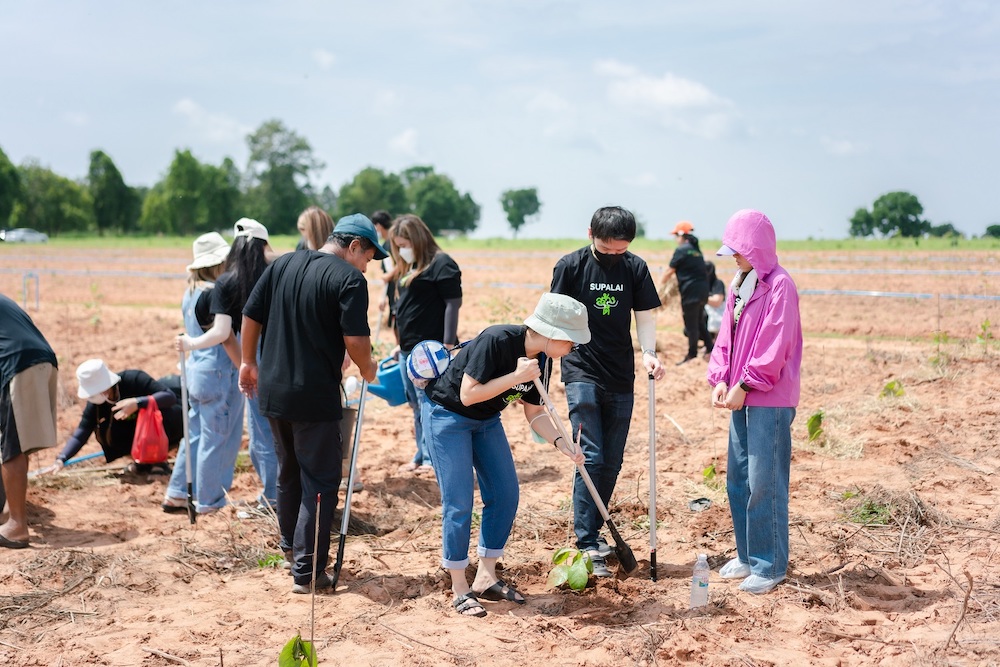
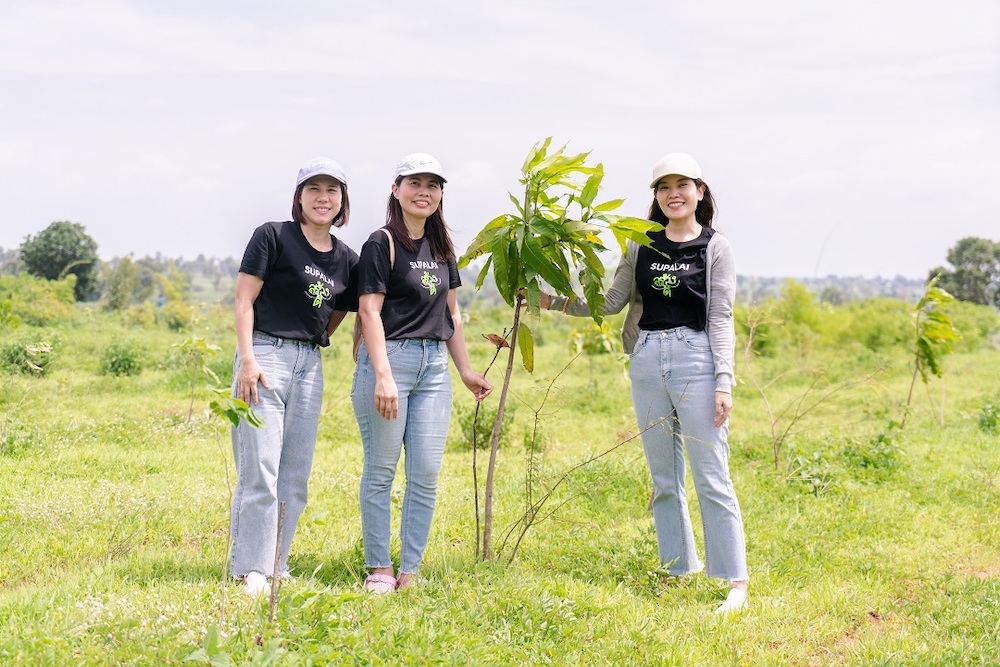
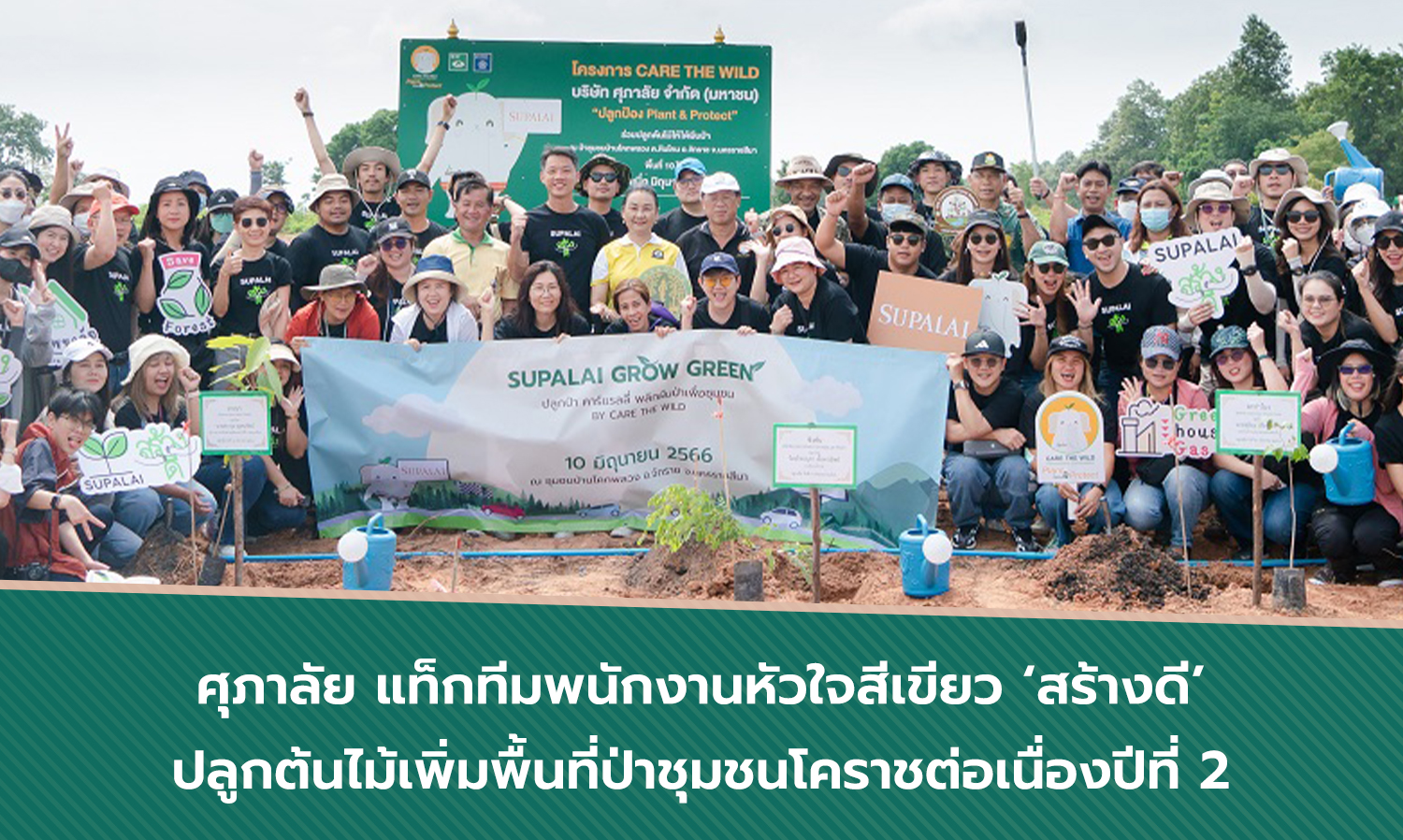
Supalai Public Company Limited invites over 100 green-hearted executives and employees to continue their efforts in restoring green spaces for the community of Ban Khok Pluang, Chakkarat District, Nakhon Ratchasima. For the second consecutive year, they have planted various species of trees, totaling 4,000 trees from 2022 to 2023, on a 20-rai area of forest. This initiative helps absorb carbon emissions and supports Thailand's greenhouse gas reduction goals, enhancing the quality of life, economy, and sustainable environment for the community.
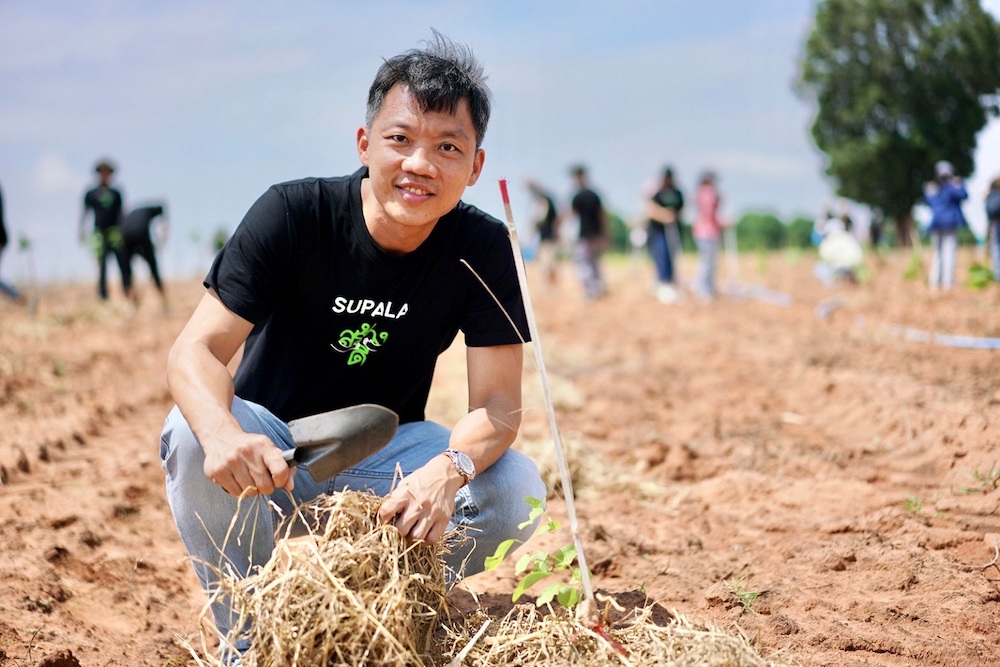
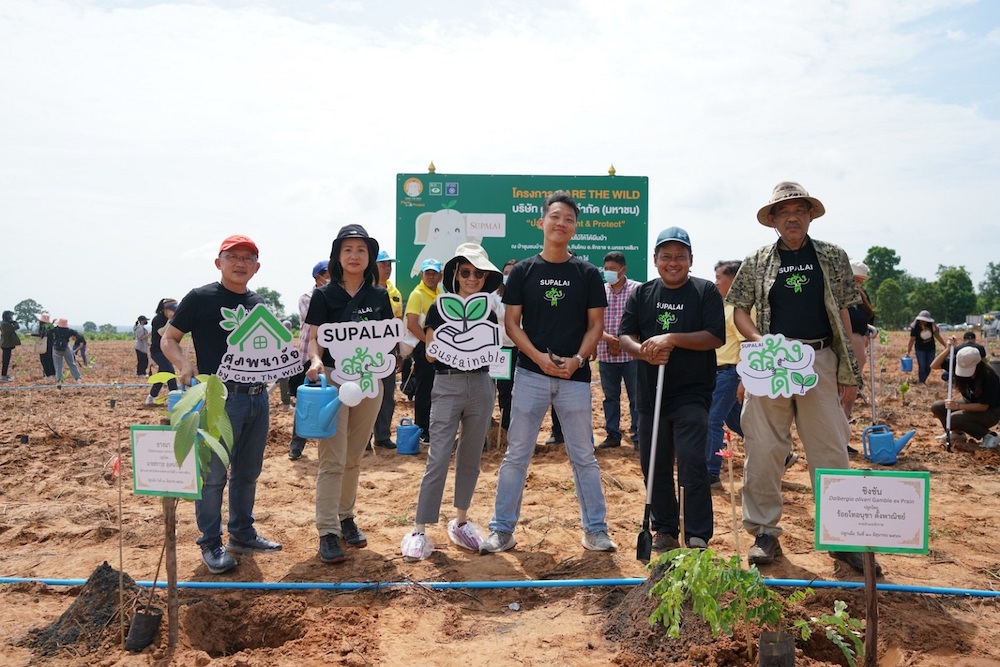
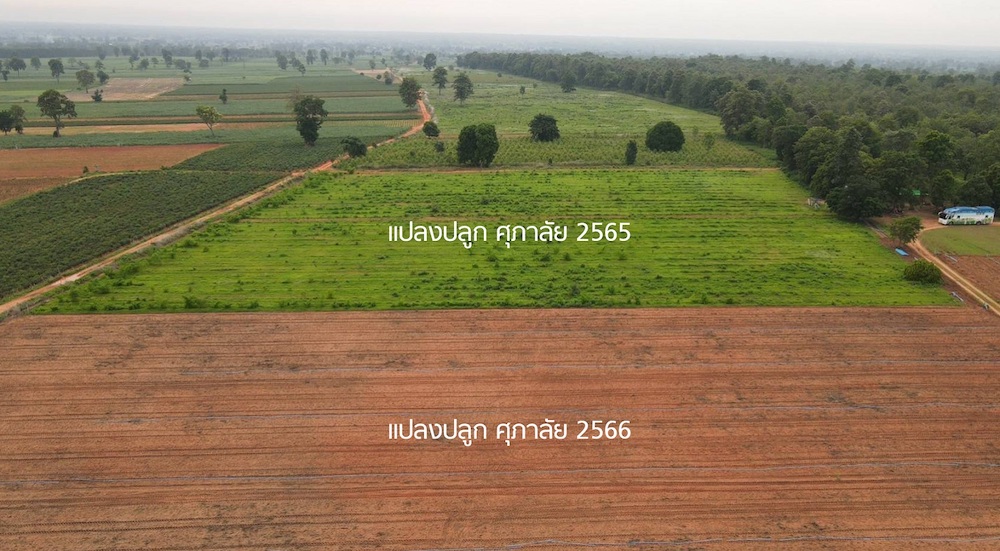
Mr. Traitecha Tangmattatham, Managing Director of Supalai Public Company Limited, revealed that the company has been engaged in real estate development alongside governance and sustainable growth, or ESG, for 34 years. They are also aware of the importance of environmental care while creating residential projects and are committed to supporting Thailand's greenhouse gas reduction efforts by promoting sustainability in environmental management. Supalai has partnered with allies from the Care The Wild project, including the Stock Exchange of Thailand and the Department of Forestry, to organize the “Supalai Grow Green” event, planting trees to expand forest areas in the Khok Pluang community, Chakkarat District, Nakhon Ratchasima, adding another 10 rai for the second consecutive year after supporting the planting of 10 rai in 2022, bringing the total planting area to 20 rai.
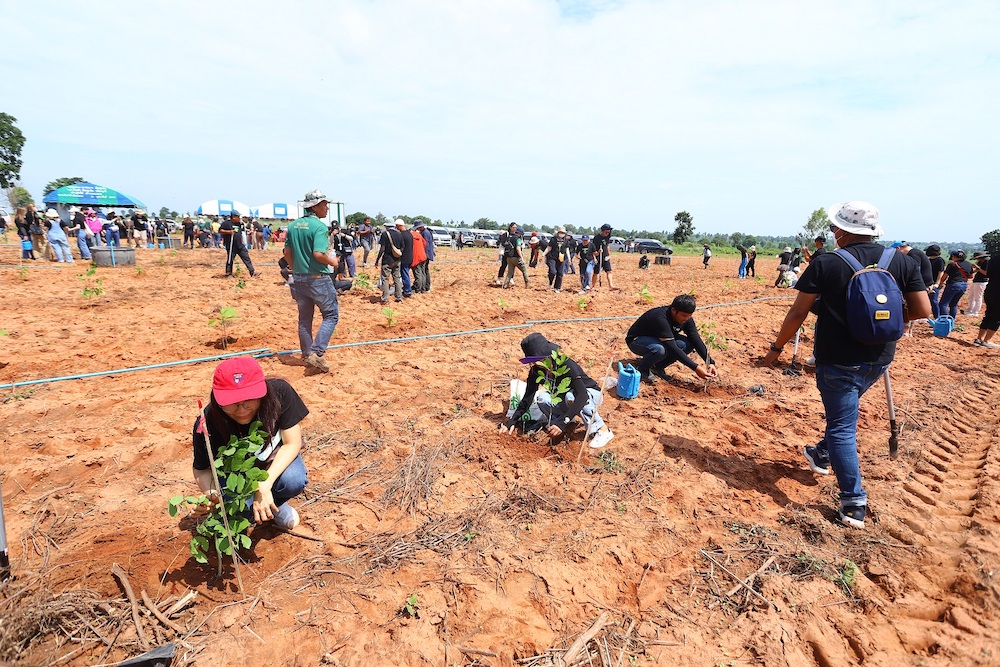
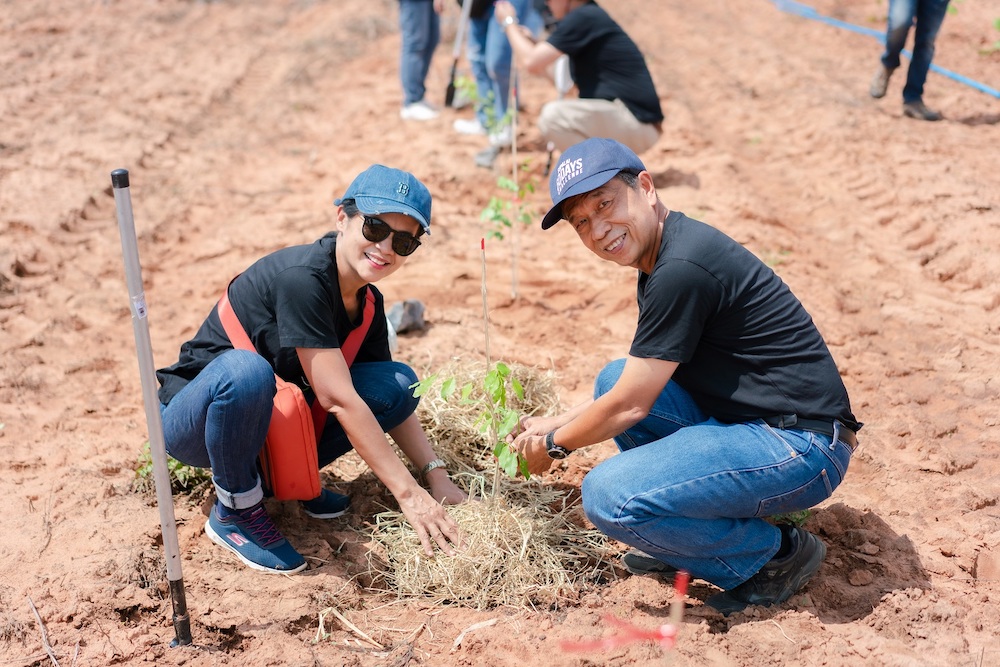
In 2023, the company invited executives, employees, and over 150 local residents to plant trees in an additional 10 rai adjacent to the original planting area, totaling 2,000 trees. This means that on the 20 rai supported by Supalai, there will be a total of 4,000 trees, flourishing with both hardwood and fruit-bearing trees such as Makha Mong, Payung, Pradu, Makham Pom, Khee Lek, and Bamboo. Once the trees on the 20 rai grow, they will be able to absorb 36,000 kilograms of carbon dioxide equivalent per year. The local community of Ban Khok Pluang remains a vital force in maintaining the forest, ensuring its survival and sustainable growth, which will benefit ecological restoration and serve as a food source for the community in the future, as well as expand forest areas to enhance natural abundance.