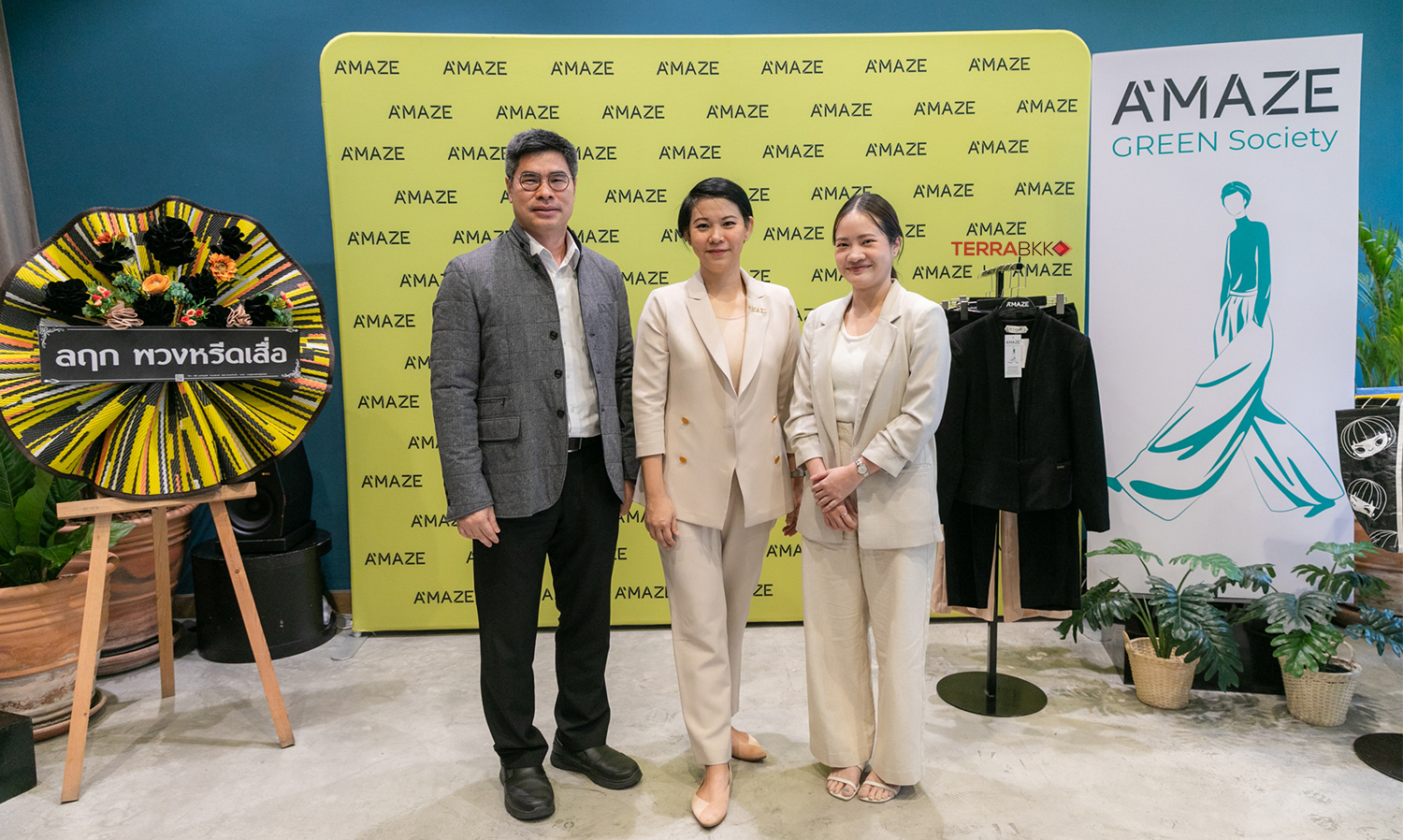
A-Maze Multi-Store Utilizes Excess Fabric to Create New Products Aiming for Zero Waste in the Apparel Industry
A-Maze Multi-Store is moving forward with the launch of the “A’MAZE GREEN SOCIETY” project, collaborating with partners to transform 20% of excess fabric from the industry into new environmentally friendly products, aiming to achieve zero waste in the industry (Fabric Zero Waste Alliance). This initiative seeks to make the apparel industry a sector that actively addresses environmental issues in a tangible and sustainable manner (Green Industry), aligning with Thailand's global mission to achieve carbon neutrality and reduce greenhouse gas emissions to net zero.
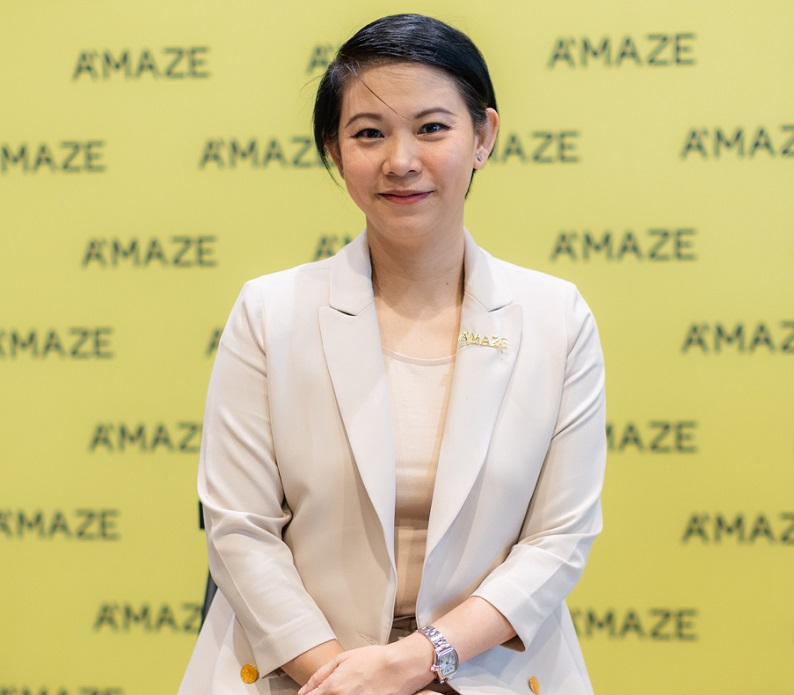
Mrs. Pravara Ekraphanit, Chairperson of the Executive Board of Boutique New City Public Company Limited, stated that we have a concept focused on the circular economy, encouraging the efficient and maximized use of existing resources. This plays a crucial role in driving the business of all industries and enhances the country's competitive capabilities, particularly by repurposing “waste” left over from industrial production to mitigate environmental issues, which is a significant global challenge that requires serious collaboration from all parties.
Thus, the A’MAZE green society by BTNC project was born: Create your own happiness, with the goal of collaborating with partners and stakeholders to drive the apparel industry towards becoming a Green Industry, as Thailand has pledged to the global mission following the United Nations Climate Change Conference (COP26) in 2021, committing to carbon neutrality by 2050 and achieving net zero greenhouse gas emissions by 2065.
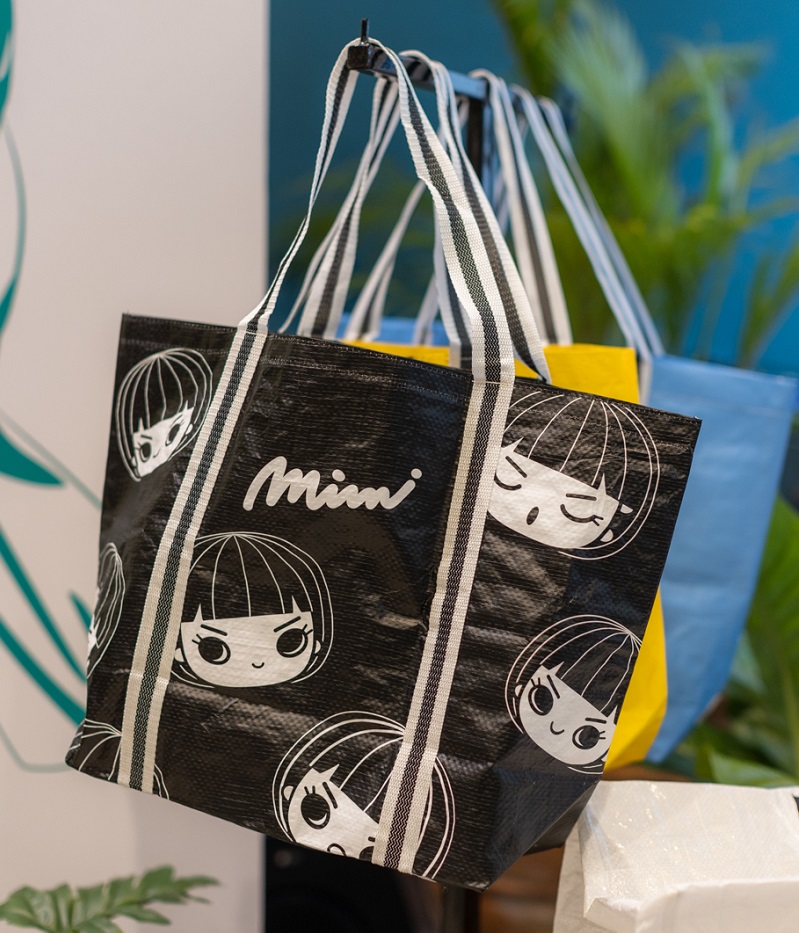
We found that in the clothing production process, approximately 80% of the output is usable products, while the remaining 20% consists of excess fabric left over from production. This led us to rethink how to handle this excess fabric to prevent it from becoming industrial waste, hence the Fabric Zero Waste Alliance. We sought partners to help upcycle or develop the excess fabric into new products and recycle it, allowing us to repurpose that excess fabric. This collaboration with the brand “Lruk” resulted in the “Raluuk Rak” product and The Packaging, which helps transform excess fabric into the eco-friendly Mimi bag.
According to the Office of Energy Policy and Planning (EPPO), carbon dioxide (CO2) emissions from energy use in the country in 2022 were approximately 247.7 million tons, an increase of 1.5% compared to the previous year. The industrial sector accounted for 66.5 million tons of CO2 emissions, a decrease of 6.7% from the previous year. In line with the strategic goals of the circular economy set by the National Higher Education, Science, Research and Innovation Policy Council (NSTDA) for 2030, Thailand aims to reduce CO2 emissions by at least 30 million tons in the next seven years.
Mr. Phuchong Wanichjakwong, Managing Director of The Packaging Co., Ltd., a manufacturer of packaging, chemicals, and plastic pellets, stated that plastic pellets are the main raw material used in producing various packaging. Therefore, reusing plastic scraps from the production process that are free from contaminants within the factory (Recycle) in the form of complete reuse or mixing with new plastic pellets in various ratios results in no waste left in the industry (Reduce).
For the collaboration with Boutique New City, we are recycling polyester fabric from clothing production, which is excess fabric, to partially replace raw materials in production. We found that it can be partially substituted while maintaining the quality standards set. The fabric is then woven into plastic sheets and cut to create the versatile Mimi bag, which is strong and durable, allowing for multiple uses.
Reusing or recycling plastic not only helps reduce the amount of plastic waste but also ensures the efficient use of resources, preventing used plastic from becoming waste. This contributes to the conservation of nature and the environment in a tangible way.